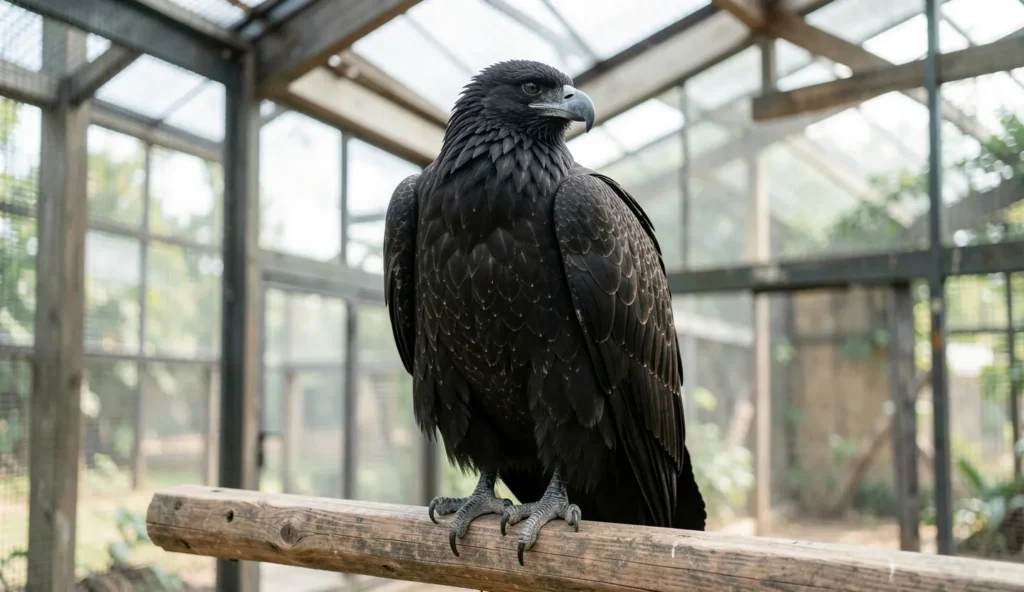
What Is The Verreaux Eagle
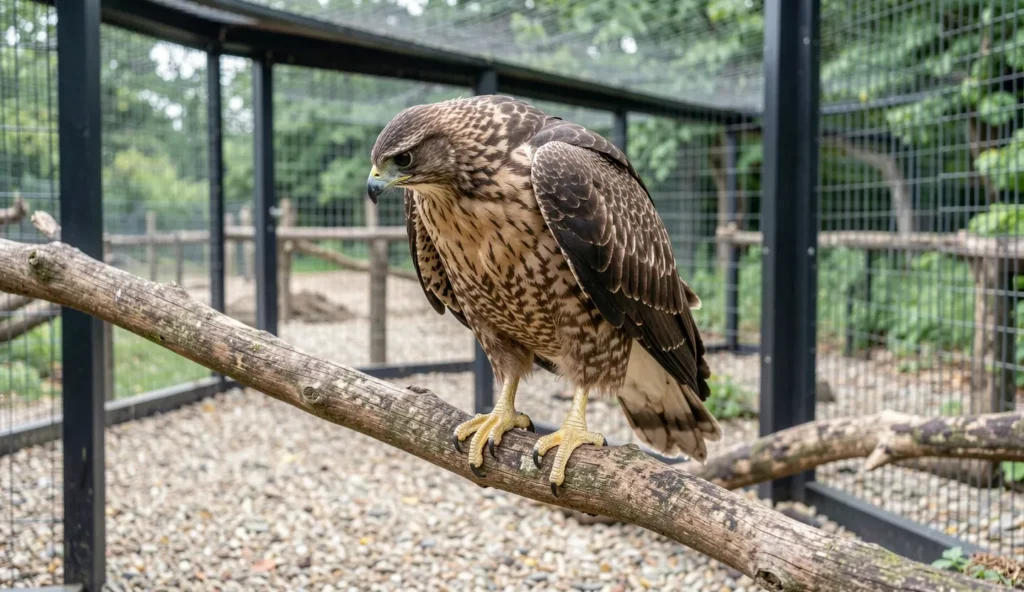
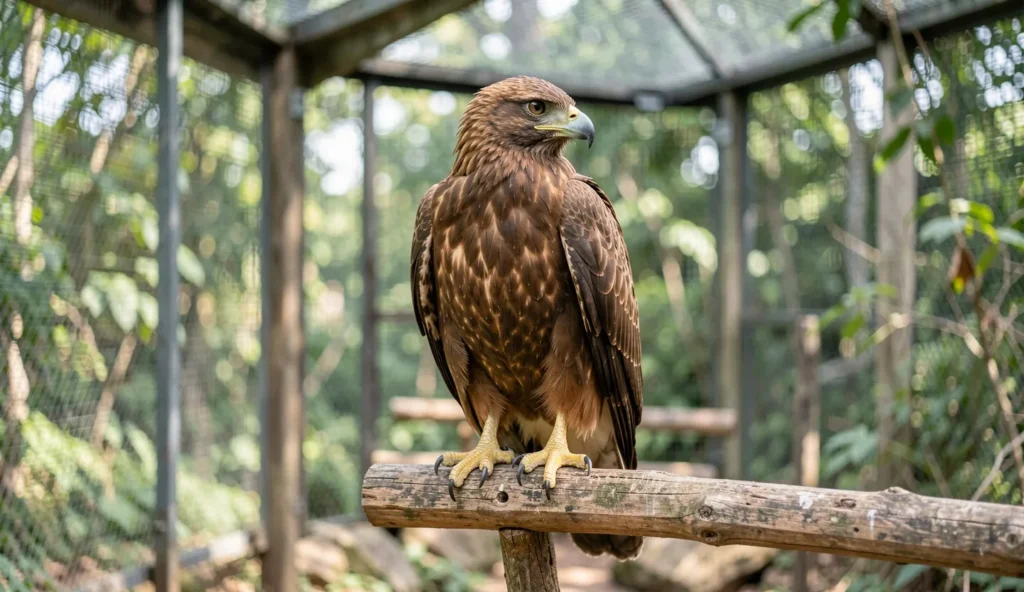
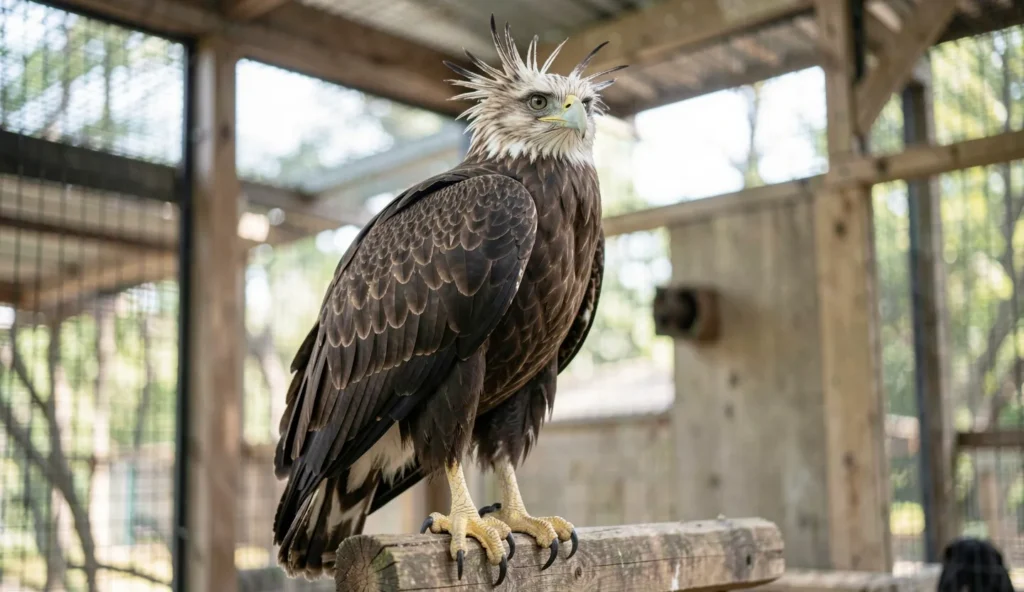
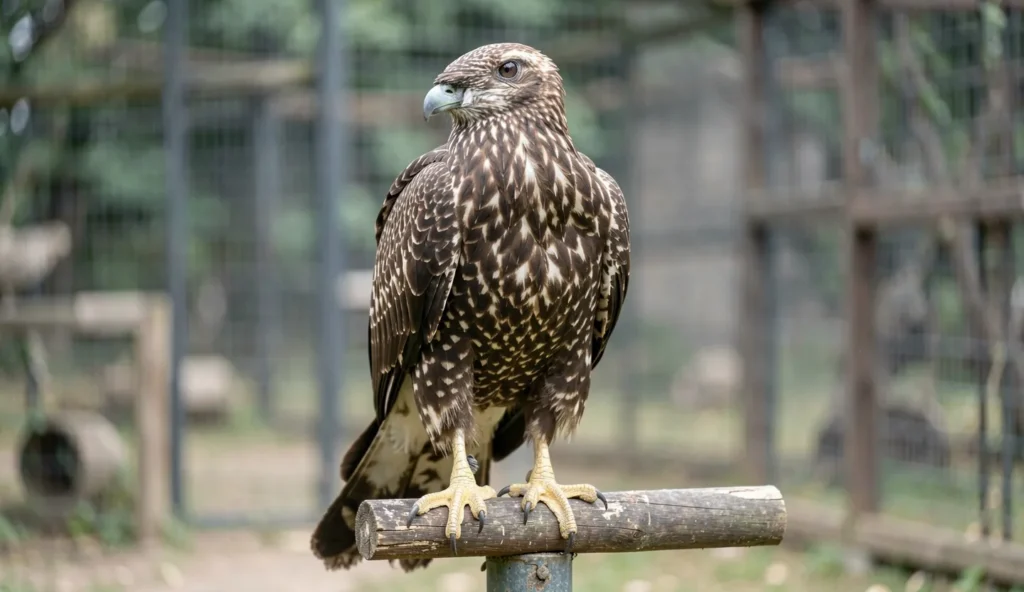
The Verreaux Eagle is a large raptor native to Africa, often called the Black Eagle. This species stands out as a demanding eagle species that challenges handling, space planning, and daily health monitoring. Advanced falconers choose the Verreaux Eagle when they can support large aviary requirements and disciplined raptor diet for eagles. It also rewards consistent routines with predictable participation in training and feeding programs.
Many owners compare it to other eagles because the body size and hunting posture feel similar across raptor groups. However, Verreaux Eagle care focuses on safety, airflow, and space because movement patterns can be intense. For broader context on Africa’s raptor ecology, some keepers also review species like the African Fish Eagle to compare behavior around food and perching.
Species Overview And Common Names
The Verreaux Eagle is also known as the Black Eagle in common language. It occurs in rocky regions across parts of Africa where cliffs and ledges support hunting. As a large eagle species, it typically shows strong grip strength and powerful wing structure. This combination makes it both impressive and equipment heavy for experienced keepers.
Typical Behavior In The Wild
In the wild, the Verreaux Eagle prefers cliff or rugged terrain to scan for prey. It shows strong territorial tendencies and returns repeatedly to favored elevations. When hunting, it uses perches and height advantages to reduce energy use while tracking movement. These patterns matter in captivity because enclosure layout can either support calm routines or trigger repeated agitation.
Why Advanced Owners Choose This Species
The Verreaux Eagle can succeed under advanced falconer management because procedures can stay consistent. It requires specialized housing and space that allows turning, controlled short movement, and stable perching. Experienced raptor training and handling routines also reduce variability during feeding and target work. Finally, regular eagles health monitoring helps catch small problems early, before they become visible injuries.
Some owners explore other large eagles to refine expectations around temperament and enclosure needs. For example, the Golden Eagle shows how body size and hunting drive influence training pacing. These comparisons do not replace species-specific planning, but they help calibrate what “large eagle species” really means.
Appearance And Physical Characteristics
Accurate identification of the Verreaux Eagle starts with posture, head profile, and feather condition. Owners also use size and build expectations to judge whether weight changes reflect normal variation or risk. Because plumage quality often signals stress or illness, careful observation belongs in daily raptor care routines. When physical assessment stays consistent, behavior patterns become easier to interpret.
When comparing to other eagles, keepers often focus on silhouette first and then check feather detail. This approach helps distinguish between healthy wear and stress-related changes. For additional comparison, owners may review species like the White-tailed Eagle to understand how different eagle types maintain perching posture.
Size And Build Expectations
The Verreaux Eagle typically shows a large body size with a heavy, stable build. Powerful legs support strong perching and gripping on textured surfaces. The wings also feel heavy and well structured, supporting sustained flight and controlled glides. These traits influence equipment choices like perch diameter and the stability of landing surfaces.
Coloration And Plumage Clues
The Verreaux Eagle name connects to the dark, overall plumage that can appear nearly black from distance. Plumage condition can indicate health and stress levels because rough feathers often show irritation or discomfort. Feather quality also affects flight efficiency and comfort, especially when the bird uses the aviary frequently for short movement. Owners should learn normal molt timing so unexpected changes raise early questions.
Key Identifiers For Experienced Keepers
Experienced keepers track the head position, wing spread, and general posture as baseline identifiers. Normal feather molt patterns over seasons help owners separate expected changes from disease signals. Baseline measurements, such as body weight and wing condition notes, make future checks more reliable. Over time, consistent records support faster decisions for vet referral when something deviates.
Some keepers cross-check their perception by comparing general eagle feather wear to closely related species pages. For instance, reviewing the Martial Eagle helps illustrate how different large raptors manage feather wear after active perching. The key point remains that the Verreaux Eagle care plan should follow species-specific observations, not general assumptions.
Temperament, Handling, And Training Considerations
Temperament drives both safety planning and training success for the Verreaux Eagle. Owners should expect strong behavioral intensity because this bird evolved for active hunting and defended territory. With controlled routines, many response patterns become predictable, but safety rules still must guide every handling session. In captivity, the Verreaux Eagle can shift quickly when feeding focus, territorial cues, or fatigue levels change.
Because advanced falconers often already manage raptors daily, the primary need is risk management at large-eagle scale. In that context, training and handling should remain simple and consistent until body language signals stable readiness. Also, raptor training and handling must treat injuries as likely if footing or grip is unreliable.
Typical Temperament In Captivity
The Verreaux Eagle often displays strong territorial behaviors in a secure environment. During feeding and target work, it may show intense focus that improves performance. Consistency reduces variability in response, especially when approach timing and equipment use remain the same. If routines change frequently, agitation can rise and handling becomes more difficult.
Safety Rules For Large Eagle Species
Safety for a large eagle species starts with proper glove and handling equipment that match the bird’s grip strength. A controlled approach prevents sudden slips and reduces panic-driven wing movements. Keepers should maintain secure footing and never rush the transfer between perch and handling station. Handling should never occur during peak agitation or immediately after feeding.
- Use stable, foot-friendly surfaces around handling stations
- Confirm secure glove fit before any contact
- Reduce distractions during approach and equipment checks
- Keep transport steps slow and deliberate
Training Scope For Advanced Owners
Training often starts with recall and station reliability before progression to more advanced cues. Short sessions help avoid fatigue and stress spikes that can appear suddenly in large raptors. Body language tracking supports timing decisions, because discomfort can show in posture long before refusal to cooperate. Also, training plans should include a clear stop rule when the bird shows repeated tension behaviors.
Some owners use examples from other eagle training contexts to refine pacing decisions. For example, a review of Wedge-tailed Eagle routines can help shape expectations around flight drive and perching behavior. Still, the Verreaux Eagle remains the target species, so verreaux eagle care must stay species-specific.
Large Aviary Housing Essentials
Large aviary requirements determine day-to-day wellbeing for the Verreaux Eagle. A cramped enclosure can increase stress and create foot abrasions, while a properly planned space supports stable perching and calm movement. For advanced falconers, aviary design also supports practical handling by reducing uncontrolled flight paths. Since the bird often uses height and elevation to scan, the enclosure must include secure perches at multiple levels.
Housing must also account for weather variation because rocky-terrain behavior in the wild depends on environmental cues. If airflow remains poor or surfaces stay wet, respiratory and skin risks can rise. Therefore, verreaux eagle care begins with airflow, drainage, and predictable shelter areas.
Minimum Space Principles For A Black Eagle
The Verreaux Eagle requires a large aviary due to wing span and active movement. Space should support perching, turning, and short flight paths rather than forcing tight corners. Entry points need planning so the bird does not repeatedly crash into barriers during agitation. While exact square footage varies by facility design, movement safety should stay the guiding standard.
Perches, Landing Surfaces, And Foot Health
Sturdy perches support secure stance and reduce strain on legs. Textures must encourage stable grip without creating repeated friction that leads to abrasions. Perch height should allow a secure stance without forcing awkward reach or repeated stepping stress. Owners should also avoid surfaces that cause repeated slipping or painful pressure points.
- Use strong perch mounts that do not wobble
- Choose textures that grip without sanding claws
- Provide multiple perch options for pressure relief
- Inspect feet after wet weather and heavy activity
Environmental Controls And Enrichment
Weather protection matters in the large aviary because heavy rainfall and heat can stress a dark-plumaged raptor. Sheltered zones allow quiet rest when the bird wants reduced stimulation. Enrichment should encourage natural postures and scanning behaviors without increasing collision risk. Simple additions like controlled sight lines and safe perching zones often work better than clutter.
To refine enrichment planning, owners sometimes compare how other large eagles use elevations in captivity. Reading about Crowned Eagle behaviors can help clarify how perching preferences affect stress. Still, the enclosure for black eagle Africa species should match the Verreaux Eagle’s stronger focus on rocky elevations and stable landing surfaces.
Sanitation And Quarantine Practices
Daily waste removal reduces microbial load and limits odor buildup in large aviary systems. Touch points and shared equipment should receive scheduled disinfection rather than random cleanup. Quarantine new birds with separate tools and a strict workflow so contamination risk stays controlled. These steps matter because respiratory issues often worsen when air quality declines and organic debris accumulates.
Sanitation procedures also reduce stress during veterinary visits. If the bird expects consistent cleaning routines, it may handle handling and inspections with less resistance. Additionally, a documented schedule supports health monitoring and helps owners spot trends in appetite and behavior.
Diet And Feeding For Verreaux Eagle Care
Diet planning shapes growth, feather maintenance, and daily energy levels for the Verreaux Eagle. Advanced keepers often rely on a structured raptor diet for eagles that matches natural hunting patterns. Prey selection, portion consistency, and clean water access directly affect body condition and stool quality. When feeding stays predictable, stress and aggression around meals become easier to manage.
Feeding programs also influence training pacing because appetite and energy determine readiness. If meal timing changes too often, the bird may link handling with stress or overexcitement. Therefore, verreaux eagle care requires stable meal management and careful leftovers observation.
Core Diet Components And Prey Selection
Whole-prey items often form the foundation of a Verreaux Eagle diet when feasible and properly sourced. Muscle, bone, and organ portions should balance in a consistent ratio to support nutrition needs. Prey sourcing matters because contamination risk rises when quality varies between batches. Owners also track weight trends to confirm the prey program maintains healthy body condition.
- Use whole-prey options when sourcing and storage allow
- Balance muscle, bone, and organs consistently
- Rotate prey types only if transition is controlled
- Record batch sources and thaw storage steps
Feeding Schedule And Meal Management
Feeding schedules should adjust based on training load and seasonal changes in activity. The goal remains stable routines that prevent stress-linked feeding changes. Owners monitor leftovers and feeding aggression patterns because shifts can signal discomfort or illness. If aggression rises during feeding, it can reflect pain, competition pressure, or stress in the environment.
For advanced owners, meal management also supports safe handling by reducing the need for immediate contact during peak feeding agitation. The Verreaux Eagle should not be handled when agitation stays high after food presentation. Instead, handlers can schedule inspections during calm periods that follow routine digestion and resting.
Supplements And Hydration Considerations
Supplements should appear only when medically indicated by a raptor vet. Hydration depends on consistent clean water access and safe misting if that fits the bird’s routine. Owners should observe drinking behavior and note wetness patterns after misting or rain exposure. Any unusual water avoidance can indicate illness or discomfort.
Because nutrition and hydration affect feathers and skin, owners should document changes in wet bedding and feather condition after storms. If the aviary uses drainage correctly, skin risks reduce and footing stays safer. For additional raptor nutrition planning context, some keepers compare general feeding structures with Harpy Eagle care pages, focusing only on the feeding principles that fit their own species.
Common Health Issues And Monitoring Plans
Health monitoring protects the Verreaux Eagle from preventable complications in large aviary environments. Many risks relate to airflow, diet changes, perch surfaces, and sudden workload increases. Daily checks should focus on posture, appetite, feather condition, and perching balance. When a small issue is caught early, recovery can require less intensive intervention.
Because experienced owners already track raptor behavior, the main improvement is structured observation logs. Those logs help interpret trends instead of reacting to single-day fluctuations. Also, veterinary referral should occur quickly when the bird shows persistent signs.
What To Watch For During Daily Checks
Daily checks should assess appetite, posture, and perching balance as the first indicators of wellbeing. Feather condition matters, and ruffled plumage can signal discomfort or early illness. Weight trends help confirm whether diet and digestion remain stable. Owners should also observe stance changes, because subtle foot shifting can foreshadow claw or leg problems.
- Confirm appetite consistency after meal schedules
- Check posture and perching stability
- Inspect feather quality and ruffled patterns
- Track body weight weekly with baseline targets
Respiratory, Gastrointestinal, And Skin Risks
Poor air quality can worsen respiratory problems, especially when large aviaries trap dust or organic debris. Diet changes can trigger gastrointestinal upset and lead to dehydration or lethargy. Dry bedding and friction issues can also contribute to skin problems. Owners reduce these risks through sanitation, ventilation, and controlled diet transitions.
Wing, Leg, And Claw Problems In Large Eagles
Foot abrasions can develop when perch surfaces do not match the bird’s grip and pressure needs. Limb strain may appear after sudden workload increases, such as intensified training or unexpected flight activity. Keepers should monitor swelling, limping, or reduced grip strength because these signs impact feeding and mobility. If a Verreaux Eagle refuses to perch comfortably, the problem often involves feet, legs, or underlying pain.
When perch options exist, pressure relief becomes more achievable. Rotating safe perch textures can prevent repeated abrasion patterns. Additionally, landing zones should stay clean and non-slip to reduce stress injuries.
When To Consult An Avian Or Raptor Veterinarian
Veterinary care becomes necessary for persistent lethargy or refusal to eat. Labored breathing and ongoing vomiting require rapid attention because they can worsen quickly. Claws or wings that show trauma or infection should receive treatment immediately. Owners should avoid waiting for “normal feeding” to fix a problem.
Some keepers compare how other large raptors present illness signs, but the monitoring steps remain consistent across species. Reviewing general risk language from pages like African Fish Eagle can support early recognition habits. Still, verreaux eagle care monitoring should follow observed behaviors in this bird, not broad assumptions.
Breeding Basics And Responsible Pair Management
Breeding the Verreaux Eagle requires advanced planning, specialized housing, and strong veterinary oversight. Pair management becomes complex because territorial behaviors can appear during nesting readiness. Owners should not treat breeding as casual because injuries can occur during contact and enclosure transitions. Instead, responsible pair management supports separation options, nesting safety, and documented incubation practices.
Even experienced falconers benefit from a structured breeding plan that accounts for aggression and space control. Veterinary input should guide habitat choices, chick diets, and stress reduction steps. With careful control, breeding can proceed without unnecessary risk to eggs or chicks.
Breeding Readiness And Habitat Setup
Breeding readiness must include experienced setup and veterinary oversight so health risk stays low. Nesting options should prevent egg or chick injury and reduce falls from perches. Space planning should allow safe separation if aggression appears. Owners must also prepare for increased monitoring demands during incubation and chick rearing stages.
Pair Compatibility And Risk Control
Pair compatibility should consider territorial behavior patterns and prior response to enclosure sharing. Physical barriers can control contact when needed and reduce injury risk. Split housing plans help avoid serious injuries if fighting begins. Because the Verreaux Eagle is a strong, persistent raptor, pair risk control must remain part of the baseline plan.
Incubation And Chick Rearing Constraints
Incubation and chick rearing need temperature and hygiene controls that owners document carefully. Chick diets must match growth demands with vet guidance to avoid developmental issues. Handling should remain limited to reduce stress and injury risk. Most failures come from inconsistent temperature, sanitation lapses, or overly frequent human interference, not from “lack of effort.”
When breeding planning feels unclear, some falconers review breeding approaches for other raptors to understand the level of documentation expected. Pages like Bald Eagle can help set expectations for monitoring routines, though the enclosure and timing specifics differ. The Verreaux Eagle breeding plan should remain species-appropriate with veterinary guidance.
Starter Checklist For New Large Aviary Owners
A reliable starter checklist helps advanced owners systemize verreaux eagle care from day one. Large aviary requirements involve safety, sanitation, and predictable equipment that supports daily inspections. When each item works as intended, monitoring becomes easier and training stays more controlled. The checklist below focuses on practical setup and risk reduction for a black eagle Africa keeper profile.
Aviary And Equipment Checklist
Start by confirming that the aviary supports wing movement and safe turning without crowding. Perches should remain sturdy and foot-friendly, and access points must support controlled entry and exit. Cleaning tools should match the facility design, and scheduled disinfectants must be ready. Finally, weather protection should include safe shelter from heat and heavy rain so the bird can rest quietly.
- Large aviary sized for safe wing movement and turning
- Sturdy perches with foot-friendly textures
- Secure access points for controlled entry
- Daily cleaning tools and scheduled disinfectants
- Weather protection for heat and rain
Diet And Health Setup Checklist
Diet setup should include reliable prey sourcing with consistent quality and safe storage. Body condition tracking tools should include baseline weights and documentation routines. A raptor veterinarian should be identified before acquisition so emergencies receive prompt triage. Health monitoring logs should track appetite, posture, and feather condition. An emergency plan should also cover injury and breathing problems with clear steps for immediate care.
- Consistent prey sourcing with reliable quality control
- Baseline weights and body condition tracking tools
- Identified raptor veterinarian before any health event
- Daily monitoring log for appetite and posture
- Emergency plan for injury and breathing issues
Training Safety Checklist
Training safety requires a handling plan and safety equipment that stay ready before each session. Sessions should remain short with clear stop criteria when stress increases. Owners should avoid handling right after feeding or during stress peaks. Training environments should support controlled movement to prevent uncontrolled flight. Progress documentation should track target behaviors and readiness signs so changes in tone or performance receive attention.
- Handling plan and safety equipment ready before sessions
- Short training sessions with clear stop criteria
- Avoid handling after feeding during stress peaks
- Use controlled environments to prevent uncontrolled flight
- Track target behaviors and readiness signs
Is The Verreaux Eagle Right For You
The Verreaux Eagle suits advanced keepers who can provide large aviary housing consistently and manage risk effectively. Success also requires experience with raptor safety and handling under pressure, plus access to an avian or raptor veterinarian. Daily monitoring and sanitation routines must remain consistent, not occasional. The bird’s territorial and stress behaviors mean readiness to manage triggers matters as much as training skill.
Owners considering a different eagle path sometimes compare enclosure and training demands across multiple species. For example, reviewing African Fish Eagle can help clarify general raptor differences, but it does not replace Verreaux Eagle care requirements. If large eagle species responsibilities fit the facility and staffing plan, the Verreaux Eagle can become a manageable, structured raptor under disciplined oversight.
Frequently Asked Questions
How much space does a Verreaux Eagle need in captivity?
It requires a large aviary to support wing movement and turning safely.
What should Verreaux Eagle care include for daily routines?
Daily sanitation, appetite and posture checks, and perch and foot condition review.
What does a Verreaux Eagle typically eat in captivity?
Whole-prey style diets are commonly used with balanced muscle, bone, and organ portions.
How can keepers reduce stress and aggression during handling?
Use consistent routines, avoid peak agitation periods, and follow controlled handling steps.
What health signs require immediate veterinary attention?
Refusal to eat, labored breathing, persistent vomiting, or visible wing or claw trauma.
Final Care Mindset For The Verreaux Eagle
Structured housing, disciplined feeding, and eagles health monitoring form the core of successful Verreaux Eagle care. With advanced preparation and responsible risk control, the large aviary requirements can translate into stable daily routines.