What Is A Stabyhoun
The Stabyhoun breed comes from the Netherlands and belongs to the small group of Dutch gundogs. This versatile companion was developed for practical farm work, including hunting support and everyday duties. Today, families that want a Dutch rare breed often choose the Stabyhoun for its friendly, steady nature.
Because the breed remains uncommon outside its home region, prospective owners should plan for responsible sourcing and early socialization. Even so, the Stabyhoun temperament often stays calm and cooperative when basic needs are met.
Origin And History In The Netherlands
Stabyhouns trace back to Friesland, a region in the Netherlands known for farming and working dogs. Historically, the dog served as a versatile gundog for retrieving and pointing-style hunting support. Owners also used the breed as a ratting and farm dog, which helped it handle different tasks.
As time passed, the Stabyhoun stayed most common within the Netherlands. Outside the region, the dog became a rarer choice, which is one reason the breed is often described as a Dutch rare breed.
Breed Traits That Stand Out
Many Stabyhouns show a gentle, people-oriented attitude that supports family life. The Stabyhoun temperament is often stable, with low aggression tendencies when the dog receives consistent handling. Training typically works well because the dog usually accepts guidance and responds to clear routines.
At the same time, the dog benefits from active households. With regular mental and physical activity, the Stabyhoun often stays balanced instead of developing frustration behaviors.
What Does A Stabyhoun Look Like
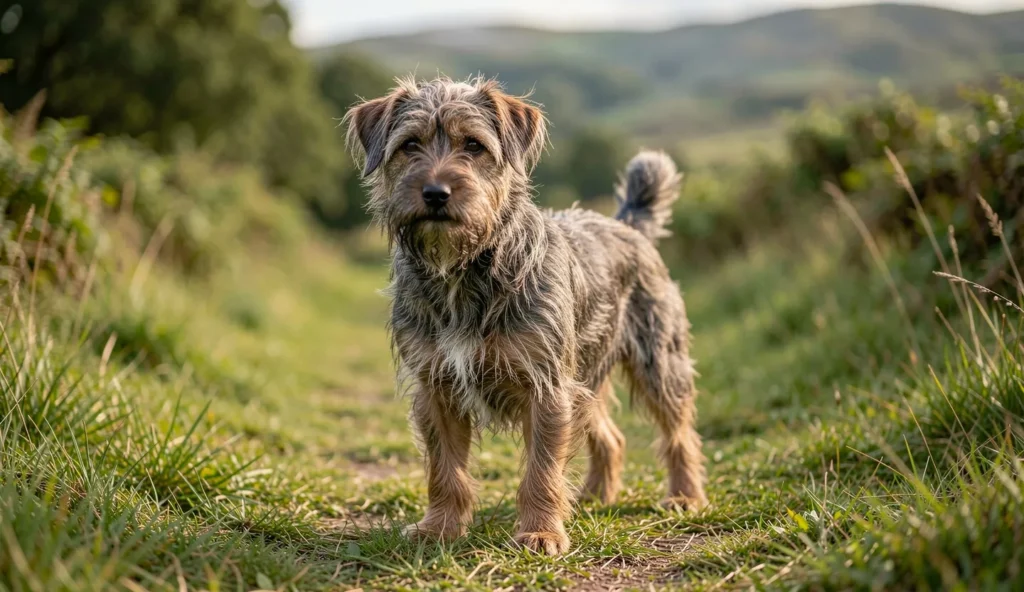
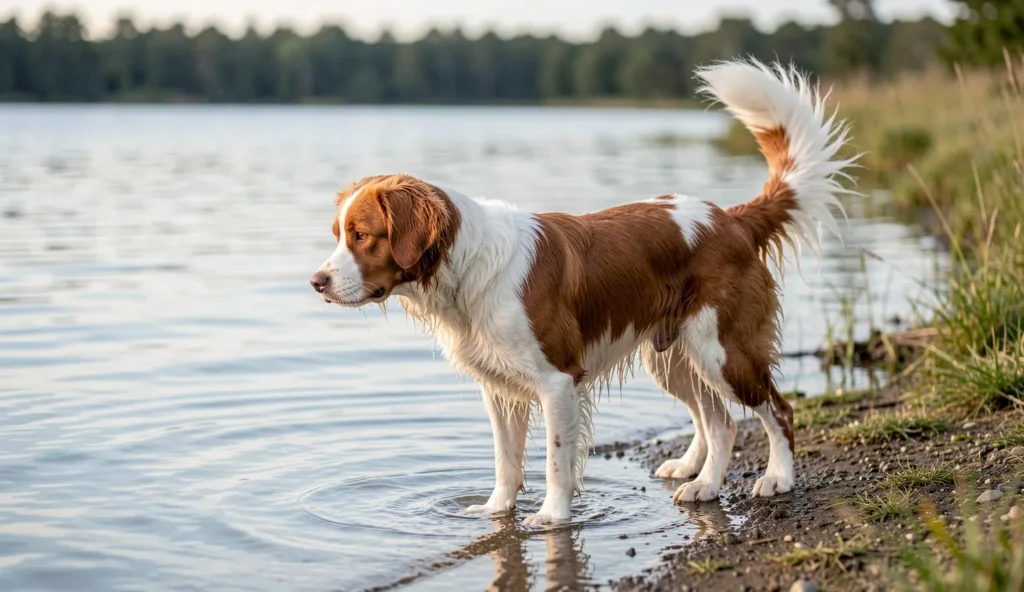
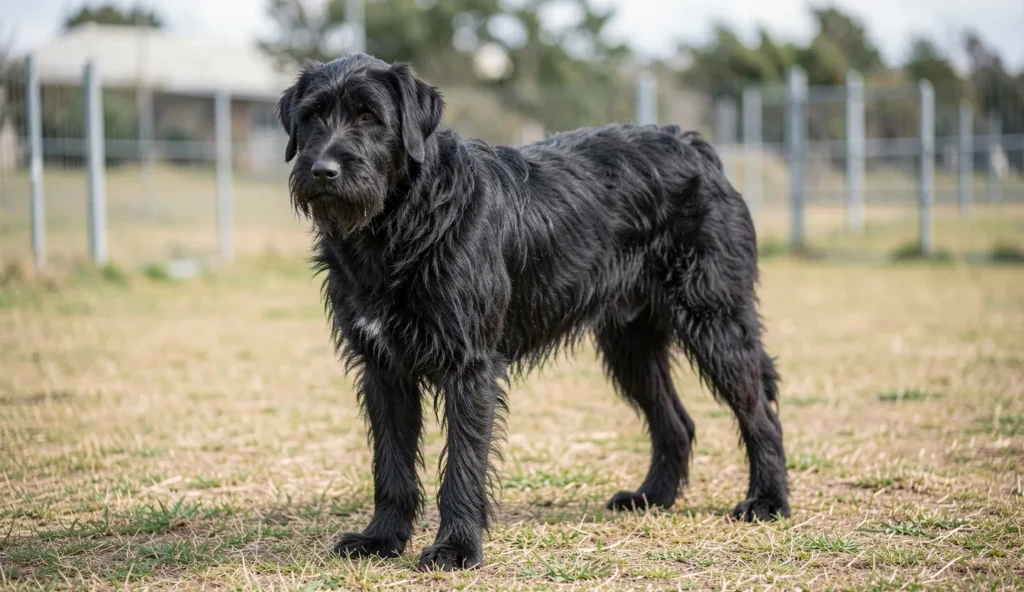
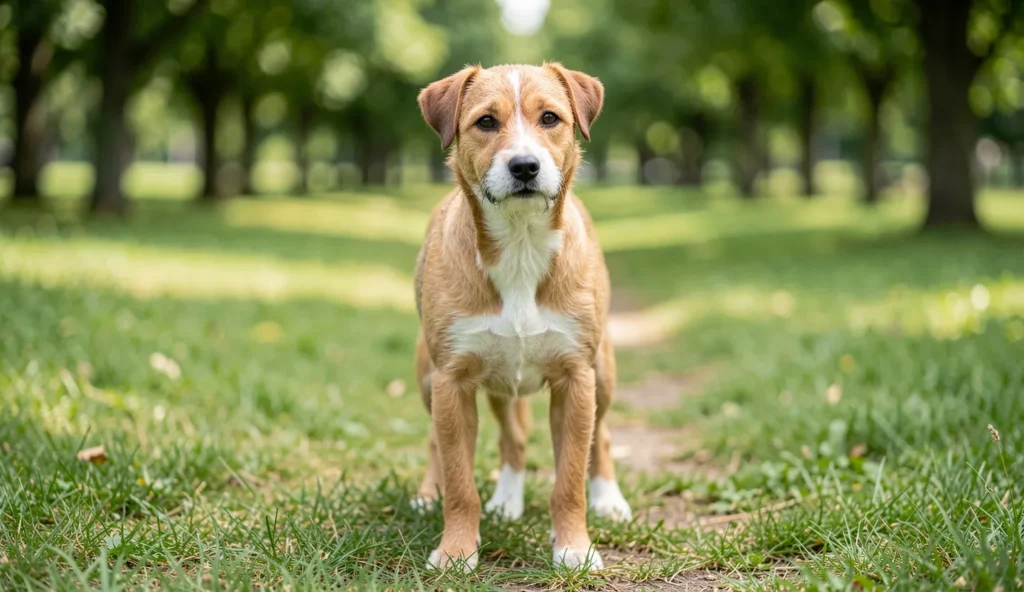
The appearance of a Stabyhoun is designed for endurance and outdoor use. The coat provides protection during cool or wet weather, while the build supports smooth movement. When people search for the Stabyhoun breed, they often want a clear sense of size, coat type, and overall presence.
Recognizing the correct physical traits also helps buyers choose reputable breeding lines. It can also clarify what grooming and exercise will realistically look like at home.
Size, Build, And Proportions
A Stabyhoun is a medium-sized dog with a sturdy, balanced body. The overall proportions aim for athletic work rather than heavy bulk. Movement and posture are usually steady, which reflects the breed’s practical field purpose.
Because the build supports endurance, the dog can handle daily walks and longer outings. However, exercise should still increase gradually, especially after periods of low activity.
Coat Type And Common Colors
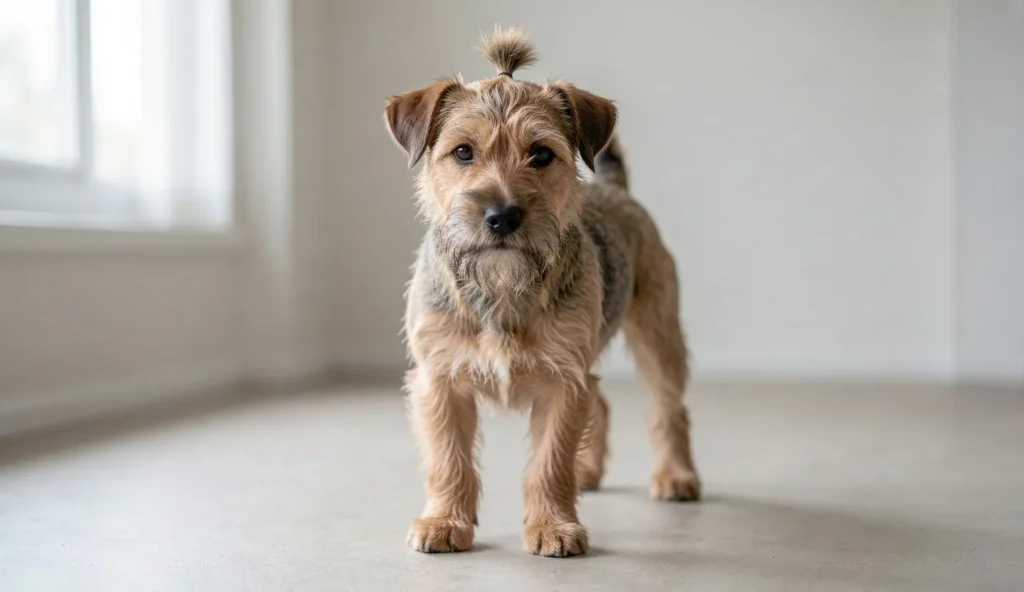
The coat is wavy to slightly curly, often with feathering on parts of the legs and body. Many Stabyhouns appear in brown and white patterns, but color can vary depending on the line. The dense coat helps with outdoor protection and comfort during colder seasons.
Shedding can change by climate and season. Regular brushing usually reduces loose hair and limits matting in feathered areas.
Gait And Movement To Look For
Efficient movement often shows in the dog’s gait, with smooth stride and stable head carriage. A working dog should show calm focus during motion. When owners watch a Stabyhoun walk, the body usually stays balanced instead of bobbing or dragging.
Good movement matters for joint health, so buyers should observe how the dog moves at different speeds. If any visible limping occurs, the dog should be examined by a vet.
What Is Stabyhoun Temperament Like In A Home
Stabyhoun temperament often ranks as one of the breed’s biggest strengths for families. Many dogs are friendly and steady with people, and they usually enjoy predictable attention. This blend supports the idea of the Stabyhoun as a family dog and a low stress companion when training and exercise stay consistent.
Still, temperament varies by breeding, early experiences, and household routines. Prospective owners should prioritize socialization so the dog learns comfortable behavior with guests and daily distractions.
Typical Behavior With People
Most Stabyhouns behave gently with family members and usually handle normal home routines well. When socialized early, they often show polite manners and relaxed body language. Around strangers, the dog may remain reserved before warming up.
Importantly, low aggression tendencies often show when the dog receives structure and positive reinforcement. Harsh handling can undermine that stability, so calm guidance works best.
Temperament With Children And Other Pets
Stabyhouns often act like calm family dogs when owners set clear rules. Supervision still matters with younger children because rough handling can upset any dog. With early introductions, the breed can coexist with other pets and usually adapts to household boundaries.
Because the dog has a gundog background, prey drive can exist. Owners should teach consistent boundaries and manage early interactions to keep play safe.
Independence And Motivation
Training often succeeds because the dog usually wants to learn and pays attention during sessions. Many Stabyhouns are motivated by food and praise, which makes positive reinforcement practical. The dog also enjoys problem-solving activities, especially scent work and search games.
For families, this means mental time can support calmer indoor behavior. When the dog understands what is expected, it often chooses cooperation over frustration.
Potential Temperament Challenges To Plan For
Staying bored can become a real issue, particularly in homes with inconsistent schedules. If exercise and mental work decrease, restlessness may rise and unwanted behaviors can start. In some cases, lack of early socialization can cause shyness around new people.
Additionally, overly rough play can trigger chasing behaviors due to the dog’s working instincts. Redirecting play and teaching calm handling helps maintain the friendly, low aggression dog style many families want.
How Much Exercise Does A Stabyhoun Need
Regular activity keeps the Stabyhoun breed balanced, physically supported, and mentally engaged. The dog typically needs daily movement plus mental tasks that match its scent and retrieving background. Without these routines, restlessness can increase even if the Stabyhoun temperament seems naturally calm.
Families that want a versatile gundog usually find the dog enjoys structured outings and simple training games. The key involves pacing and consistent scheduling.
Daily Activity Baseline
Most Stabyhouns do best with at least one longer walk or play session each day. Shorter sessions can also work, especially when combined with training or scent games. Mental work matters as much as physical activity for this breed.
When owners rotate tasks, the dog usually stays attentive and settles faster afterward. As a result, indoor calm tends to follow good daytime routines.
Best Activities For A Versatile Gundog
Scent games and scent trails often fit the dog’s natural interest in searching. Controlled fetch and retrieve practice also supports the breed’s gundog instincts without turning into chaotic play. Long leash walking in safe areas can help the dog explore while still staying responsive.
Basic tracking and field cues provide another option, especially when sessions remain short. For a similar approach to scent and retrieving, some owners compare routines with other hunting breeds, like a Pointer Dog, to understand different activity styles.
Exercise Safety And Pacing
In hot weather, hard training should be reduced to avoid overheating. Energy levels should be monitored, and endurance should build gradually instead of all at once. Rest days also help prevent overuse injuries and reduce stress.
If the dog shows reluctance to move or persistent stiffness, a vet visit becomes necessary. Consistent, joint-friendly movement tends to protect long term comfort.
Signs The Routine Needs Adjustment
Increased chewing or digging indoors can signal that daily exercise needs more balance. Excessive barking, pacing, or restlessness also suggests missing mental stimulation. Training attention may fade when the dog lacks consistent outlets.
Some owners also notice that walk engagement drops when the routine becomes too repetitive. Adjusting route variety and adding scent work usually restores focus.
How To Train A Stabyhoun For Calm Behavior
Stabyhoun training works best when it stays positive and consistent. The breed often holds a stable temperament, so harsh corrections tend to create fear instead of better manners. Because the dog is usually motivated by rewards, owners can build reliability with short sessions.
Additionally, early socialization helps the dog handle visitors, sounds, and outdoor distractions. This planning reduces the risk of shyness and supports the low aggression style many families seek.
Training Style That Matches The Breed
Positive reinforcement typically gives the quickest results with this breed. Consistency improves reliability quickly, especially for basic cues. Keeping sessions short also helps prevent boredom during training time.
Harsh corrections usually undermine the calm foundation, even if the dog does not show aggression. A reward-based approach supports cooperation and safe behavior around people.
Socialization Plan For A Gentle Family Dog
Socialization should begin early with calm people and safe environments. Household sounds, mild exposure to traffic, and controlled greetings can help the dog feel secure. Leash manners and polite body language should be practiced with rewards for relaxed posture.
Rewards for calm behavior help the dog connect new situations with positive outcomes. Over time, this supports a steady Stabyhoun temperament with fewer surprises.
Key Obedience Cues To Prioritize
Recall training should include gradual distance so success stays likely. Loose leash walking helps reduce pulling and supports safer public outings. A “leave it” cue supports safe handling around distractions, including interesting smells.
A settle cue also benefits indoor calm, especially during visits. When training includes these basics, the family dog role becomes easier to manage.
Managing Hunting Instincts In Daily Life
Because the breed connects strongly with scent, long line work can help manage instincts in open areas. Teaching focus on the handler during distractions builds confidence and reduces wandering. Rewarding check-ins during walks encourages the dog to stay engaged.
Off leash time should only happen in predictable settings. For households that want comparable training ideas from other working dogs, learning from a Belgian Malinois Dog can help explain how focus games work, even though the breeds differ.
House Training And Routine Support
House training benefits from a consistent feeding and potty schedule. Crate or confinement use can prevent mistakes and lower stress while learning. When elimination happens outdoors, owners should praise immediately so the dog links the outcome to the behavior.
Tempting indoor areas should be blocked to reduce access to shoes, trash, or other chew targets. This structure supports calm routines from day one.
Grooming, Care Tips, And Diet For A Healthy Stabyhoun
Grooming and diet play major roles in maintaining a healthy coat and stable energy. Stabyhoun grooming usually includes regular brushing to manage feathering and reduce tangles. When care routines stay consistent, the dog typically looks clean and feels comfortable.
Diet also supports coat condition, muscle maintenance, and overall wellness. Families benefit from simple, measured feeding that matches the dog’s activity level.
Grooming Routine For Shedding And Coat Care
Brushing regularly helps reduce tangles and matting, especially in feathered areas. Feathering can trap debris, so owners should check those spots after outdoor walks. Nails should be trimmed as needed to prevent discomfort and changes in gait.
Ears and paws require routine inspection as well. When bathing becomes necessary, dog-safe shampoos support skin comfort instead of irritation.
Basic Health Checks Owners Can Do At Home
Routine home checks help catch early changes before they become serious. Owners can look for redness, hotspots, or skin changes during grooming time. Teeth and gums should also be checked during handling to track oral health.
Body condition and weight changes reveal whether the diet needs adjustment. After outdoor walks, inspecting paws helps identify irritation, cuts, or debris early.
Diet Basics For Energy And Body Condition
A complete, balanced dog food supports healthy growth and daily energy. Portions should be measured to maintain a healthy weight, especially since exercise can vary by family schedule. Food amounts should match activity level, not just the dog’s age.
Fresh water should always be available, and treats should support training without causing excess calories. For families comparing exercise and appetite patterns across breeds, learning from a Labrador Retriever can clarify how active routines affect food needs.
Common Feeding Questions To Plan For
Puppies usually need multiple smaller meals to support growth and digestion. Adult dogs often transition to two meals daily, though some owners split into different schedules based on vet guidance. Treats should remain a small daily portion so weight stays controlled.
Any diet change should happen gradually to reduce digestive upset. This step also makes it easier to identify allergens or ingredients that do not agree with the dog.
Common Health Issues And Long Term Wellness
Even with a calm Stabyhoun temperament, long term wellness requires preventive planning. Like many medium breeds, the Stabyhoun can develop joint and mobility concerns over time. Some lines may also show eye issues or skin sensitivity.
With routine care and vet checkups, many problems get identified early. Owners can also build habits that support healthy aging.
Health Risks To Understand In This Breed
Hip and elbow issues can occur in many medium-sized dogs, so owners should monitor mobility and comfort. Eye problems may appear in certain lines, so health screening records matter. Allergies or skin sensitivity can affect comfort and may increase grooming needs.
Ear irritation can also be more likely with longer hair or trapped moisture. Regular ear checks help reduce the chance of ongoing irritation.
Preventive Care That Supports Healthy Aging
Routine vet exams and vaccinations protect the dog from common preventable illnesses. Dental care supports gum health and reduces the risk of gum disease. Parasite prevention should follow vet recommendations, including seasonal adjustments.
Joint friendly activity helps, especially when endurance builds slowly. This approach limits sudden strain and supports daily comfort.
When To Contact A Veterinarian
Sudden appetite loss or unusual lethargy should trigger a vet call. Persistent itching or a foul ear odor can suggest infection or skin inflammation that needs treatment. Limping, stiffness, or reluctance to move should not be ignored.
Rapid weight gain or unexplained weight loss also warrants professional assessment. Quick action helps protect long term quality of life.
Is A Stabyhoun Right For Your Household
Deciding on a Stabyhoun breed requires matching activity needs, training commitment, and household expectations. This Dutch rare breed often fits families that want a gentle companion with a steady presence. With consistent Stabyhoun training and daily routines, the dog can become a dependable family dog.
However, the dog’s working background means exercise and mental enrichment should stay part of the schedule. A sedentary lifestyle can lead to restlessness even in a naturally calm dog.
Good Match For Families Who Want A Gentle Companion
Stabyhouns often suit families looking for a low aggression dog with stable behavior. Many dogs stay friendly and calm during normal family activities. The breed typically benefits from consistent training and structure, which also supports polite indoor manners.
Shared activities matter too, including walks, scent games, and simple retrieve practice. These routines help the dog feel secure and reduce boredom.
May Not Fit If Lifestyle Is Too Sedentary
Stabyhouns generally need daily physical and mental exercise to stay balanced. Without interaction and routine, the dog may become restless or develop problem behaviors. Long periods alone or unpredictable schedules can increase frustration.
Scent work and training time should be treated as part of the daily plan. If those needs cannot be met, another breed may fit better.
Questions To Ask Breeders Or Rescue Before Adopting
Before choosing a puppy or adult dog, ask about temperament and socialization methods used during early development. Health screening records for the parents help confirm responsible breeding practices. In addition, asking about typical energy level and handling can clarify whether the dog matches the family routine.
It also helps to confirm return policies and early support options. For families that also like rare, trainable breeds, researching another Dutch-style companion such as the Kooikerhondje can help compare temperament and activity styles side by side.
Frequently Asked Questions
Are Stabyhouns Good Family Dogs?
Stabyhouns are often gentle and people-oriented with proper socialization. They typically stay calm in family settings when exercise and training needs are met.
Do Stabyhouns Have Low Aggression Tendencies?
Many Stabyhouns show stable and friendly behavior in typical home conditions. Early socialization and consistent, positive handling matter for maintaining that temperament.
How Much Grooming Does A Stabyhoun Need?
Regular brushing helps prevent tangles and mats, especially around feathered areas. Routine ear checks and nail trimming also support comfort.
What Is The Best Way To Train A Stabyhoun?
Positive reinforcement usually works best with consistent cues and rewards. Short sessions with frequent success help the dog stay focused and calm.
How Much Exercise Does A Stabyhoun Need Each Day?
Daily walks plus mental activities usually keep the dog balanced. Scent games and controlled retrieve practice provide extra stimulation beyond standard walking.
What Health Issues Are Common In The Stabyhoun Breed?
Potential issues can include joint problems, eye concerns, and skin sensitivity depending on the line. Regular vet checks help catch changes early.
A Final Supportive Note For New Owners
When a Stabyhoun breed plan includes routine training, daily activity, and preventive vet care, the dog often becomes a calm and cooperative companion. With steady structure, the Dutch rare breed can fit many family schedules.