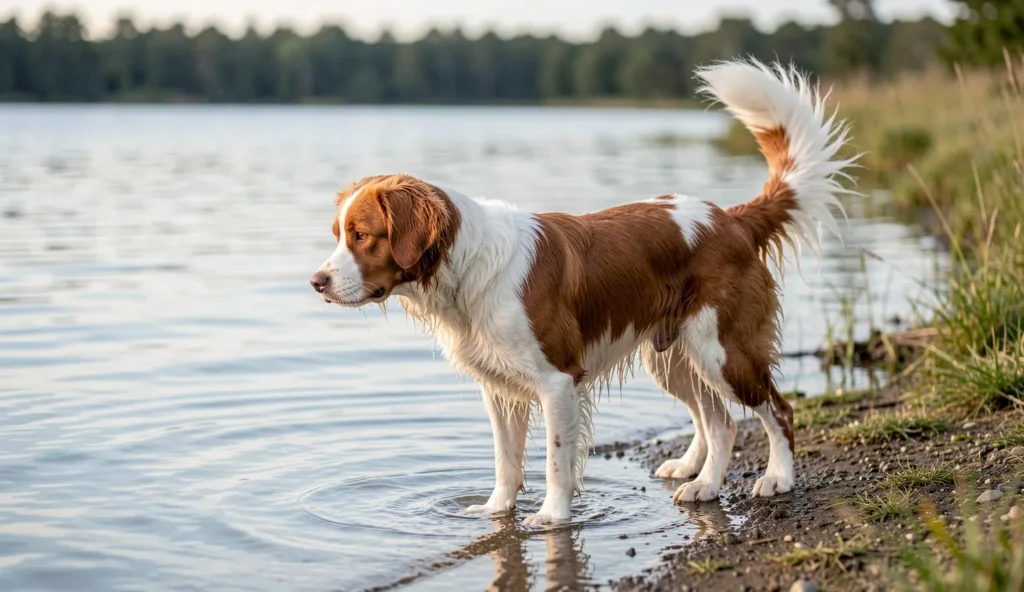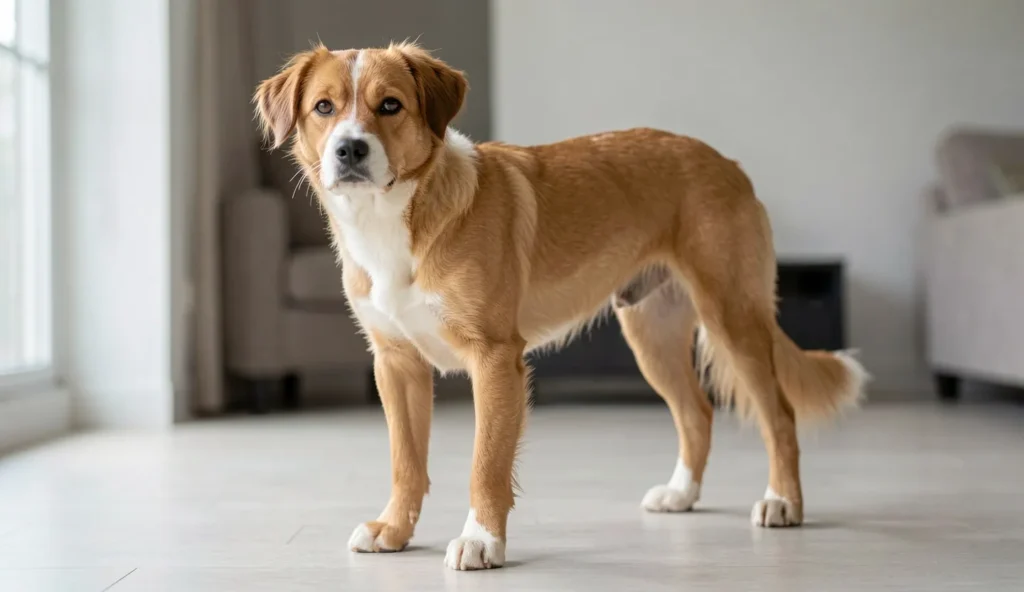
What Is the Peruvian Inca Orchid?
The Peruvian Inca Orchid is a hairless or partially coated dog breed with deep roots in Peru. This rare South American breed is often called an Inca dog due to its long association with people in the Inca region. Many owners also focus on the Peruvian Inca Orchid for its distinctive look and manageable shedding compared with fully coated dogs.
Care needs revolve around skin protection and daily routines. That is why coat variations matter, especially for owners who want predictable hairless dog care. When expectations match the dog’s needs, the breed can fit many home routines.
Breed Origin And Cultural Background
Peru is the breed’s native home, and the Peruvian Inca Orchid’s history connects strongly to pre-Columbian traditions. Historical accounts describe dogs that lived alongside people and served as companions and utility animals. Over time, selective breeding helped preserve the hairless traits that define modern coat variations.
As recognition increased internationally, breed descriptions began to center on temperament and physical characteristics. Today, the Peruvian Inca Orchid is discussed as a living link to human selection over generations. This history helps explain why the breed stays consistent in type and care priorities.
Key Breed Traits Owners Notice
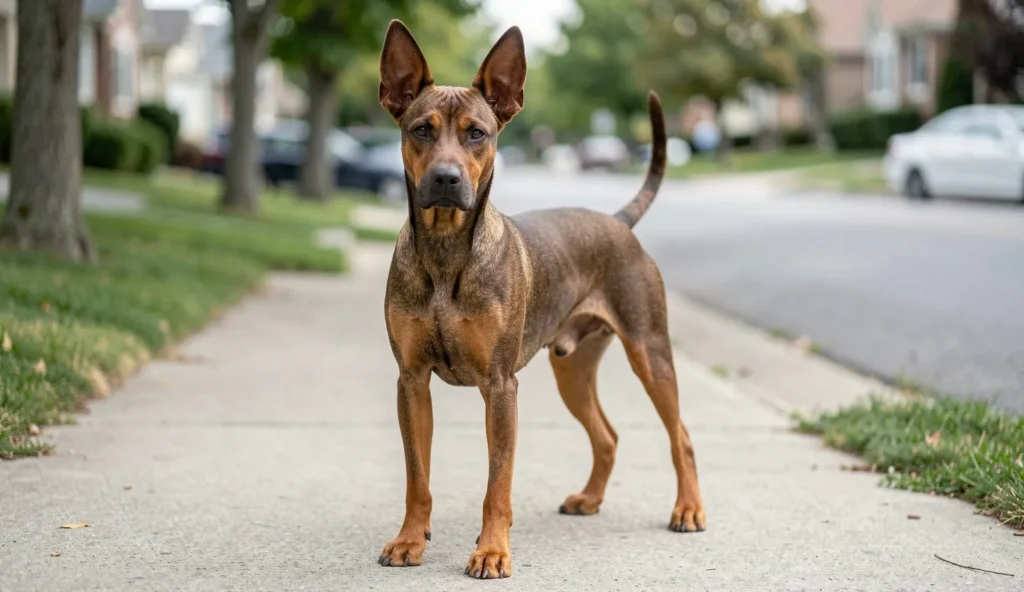
Many Peruvian Inca Orchids show reduced hair or a nearly hairless look. Others display partial coat patterns on the head, tail, or patches on the body. Along with appearance, the breed often presents as alert and people-focused.
Temperament can feel gentle rather than pushy, though watchfulness appears in everyday life. Grooming demands differ by coat type, since hairless skin requires more frequent checks and moisturization. For more context on other unusual breeds, owners sometimes compare the Peruvian Inca Orchid with broader lists like Exotic Dog Breeds.
Three Size Varieties To Know
The Peruvian Inca Orchid size varieties reflect differences in weight, proportions, and daily handling needs. Three recognized categories often include small, medium, and large body types. While coat variations may vary across individuals, exercise planning should match the selected size variety.
Small size dogs typically need shorter outings with more frequent breaks. Medium dogs usually fit standard daily walking routines with added play. Large variety dogs often require longer walks and steadier leash control to support full physical release.
Feeding also changes by size, since a smaller dog can overeat more easily. Portion guidance should stay aligned with body condition rather than only the label on food. This approach keeps skin and joints supported through adulthood.
Appearance And Coat Variations
Appearance defines the Peruvian Inca Orchid, especially its relationship to hairless dog traits. The most noticeable feature is exposed skin that looks smooth and shows natural pigmentation. Coat variations can change the look, but they also change how skin care for hairless dogs must be managed.
To care effectively, owners benefit from learning what to expect from each coat type. That clarity reduces guesswork and helps prevent irritation. It also supports allergy-prone households that want stable routines.
Physical Features And Build
The breed typically shows lean, smooth lines with an upright head posture. Many dogs carry longer legs for a refined look and easy movement. Because individual records can vary, bite and teeth should be assessed through breeder information or a veterinary exam.
Movement often appears graceful and purposeful rather than heavy. Body length and proportions align with the overall size variety. Owners who plan training should still remember that comfort matters most during leash work.
Hairless And Partial Coat Types
Hairless dogs within this breed have reduced hair growth, so skin becomes the main visual feature. Partial coat types show limited coverage that may include head hair, tail hair, or small patches. These coat variations affect grooming frequency, since exposed skin dries faster when routines are inconsistent.
When a dog is partially coated, owners may still need daily skin checks in uncovered areas. Even if some hair exists, skin can still develop dryness or irritation. That makes daily inspection part of hairless dog care rather than an optional extra.
Common Coat Colors And Skin Tones
Skin tone and pigmentation vary across individuals, ranging from lighter shades to deeper tones. Hairless dogs may also show differences in spots or color changes that can evolve with age. If coat coverage changes over time, owners should still treat the skin as the primary care surface.
Because color can relate to health in some cases, skin should never be ignored when it looks different. Any persistent redness or discharge deserves a veterinary look. Owners often find that a “color check” pairs well with dryness and bump monitoring.
Size Variety Differences In Everyday Care
Size variety affects daily activity timing and the way protective clothing fits. A small variety dog may benefit from more frequent, shorter outings to reduce cold exposure. Medium dogs often manage typical daily walks if skin protection remains consistent.
Large variety dogs usually need longer walks for full release and comfortable rest. Leash handling should also match size, since stronger movement can affect training ease. In homes where allergies matter, stable handling routines help reduce stress during grooming and skin checks.
Temperament And Personality
Temperament plays a major role in whether the Peruvian Inca Orchid becomes a comfortable companion. Many dogs form strong bonds with family members and prefer staying close during daily routines. Watchfulness often appears without constant barking, which can make the breed easier for apartment life.
Even so, socialization still matters. When introductions follow a calm plan, the dog often learns faster and feels safer in new environments. This is also where a proactive approach benefits allergy-prone owners, since routine handling reduces chaotic exposure.
Typical Temperament
The Peruvian Inca Orchid often shows affectionate behavior and a gentle focus on people. Many individuals can remain calm indoors while staying alert to changes outside. That balance supports family households when training stays consistent and positive.
Temperament can vary based on line and early experiences, so expectations should stay realistic. Some dogs may need slower introductions to guests, while others adapt quickly. Either way, calm routines make daily skin care less stressful.
Socialization Needs
Early exposure to people, sounds, and safe handling can reduce fear responses later. New experiences should come gradually, and rewards should go to calm behavior. When socialization stays gentle, the breed often handles grooming and vet visits more easily.
If other pets exist in the home, introductions should be planned. Separate introductions can help prevent overexcitement from turning into stress. For owners comparing different rare breeds, researching Rare Cat Breeds sometimes helps highlight how temperament differs across uncommon species.
Interaction With Allergy-Prone Households
Hairless skin may reduce visible shedding, but it does not eliminate allergens. Some people still react to skin flakes, saliva proteins, or dust that collects on surfaces. That means the Peruvian Inca Orchid should be considered a potential fit, not a guaranteed solution for everyone.
Regular cleaning can reduce irritants in the home. Skin care also supports healthy skin, which can lower flaking from dryness. For comparison with another low-hair breed type, some owners look at breeds like the Mexican Hairless Dog to understand similar coat-care patterns.
Exercise Requirements And Activity Planning
Exercise helps maintain healthy weight, muscle tone, and comfortable mood. The Peruvian Inca Orchid typically benefits from daily walking and play. Planning should include skin protection, since hairless skin can react quickly to harsh weather.
Owners who match activity to the dog’s size variety often see steadier routines. Short training sessions count as mental work, and they also strengthen bonding. As a result, exercise planning becomes both physical and practical.
Daily Exercise Basics
Daily walks and play help prevent boredom and support good behavior indoors. Short training sessions can also count as mental exercise when they remain positive and brief. Intensity should match age, health, and the dog’s chosen size variety.
Many dogs do well with two daily outings, plus opportunities to sniff and explore safely. When leash walking feels uncomfortable, training should adjust first rather than pushing through. Comfortable movement supports long-term comfort in hairless dogs.
Weather And Skin Protection Considerations
Because exposed skin can be sensitive, sun and cold can both create problems. Protective clothing often helps in low temperatures, especially during wind and wet conditions. Midday sun exposure should be limited, since redness can appear from too much direct light.
Owners should watch for changes such as skin discoloration, persistent redness, or visible irritation. If protective clothing causes rubbing, fit should be adjusted. For any recurring flare-ups, a veterinarian can recommend safe skin protection products.
Size Variety Activity Differences
Small variety dogs often benefit from more frequent, shorter outings with quick breaks. Medium variety dogs can usually handle standard daily walking schedules when skin care stays consistent. Large variety dogs typically need longer walks to meet energy needs and support joint comfort.
Leash strength also matters during exercise planning. Large dogs may pull with more force, so training and equipment selection should match body size. That approach reduces stress for both dog and owner.
Training Tips That Work For This Breed
Training works best when it stays simple, predictable, and reward-based. The Peruvian Inca Orchid typically responds well to positive reinforcement and short sessions. Sensitive skin and comfort needs also influence training, since handling should feel calm and safe.
Because routines support skin management, training often doubles as preparation for grooming and vet care. When calm touch becomes normal early, the dog usually cooperates more easily later. That benefit matters for allergy-prone owners who want fewer disruptions to household cleaning.
Start With Basic Obedience
Basic obedience should begin early with sit, stay, come, and leash walking. Small treats and calm praise can reinforce desired behaviors quickly. Sessions should stay short to maintain attention and prevent frustration.
Leash training should also account for comfort and fit. A collar or harness should not rub exposed skin, especially near the chest or neck. If rubbing occurs, equipment selection should change immediately.
House Training And Crate Management
House training works best with a consistent schedule and frequent outdoor breaks. Crate training can support routine and safety when introduced properly. The crate should remain comfortable, quiet, and free of rough bedding that could irritate skin.
Accidents should receive gentle correction rather than punishment. When a mistake happens, owners should clean thoroughly and redirect calmly. A steady routine reduces stress for the dog and supports more predictable care.
Handling Skin During Training
Handling exercises help the dog accept routine skin checks and grooming. Calm touch on paws, legs, and exposed skin can prevent resistance later. Treat rewards can reinforce tolerance, which simplifies future vet visits.
If the dog shows pain, sudden pulling away, or visible stress, the training plan should stop. Technique should be reviewed with patience and, when needed, veterinary input. With steady practice, handling often becomes a routine rather than a struggle.
Grooming And Skin Care Needs
Grooming for the Peruvian Inca Orchid centers on skin management rather than brushing fur. Hairless and partial coat dogs require consistent routines to reduce dryness and irritation. Because skin issues can worsen quickly, daily checks and gentle care matter.
These steps also support allergy-prone households. When skin stays healthy, flaking often reduces, and the home stays easier to clean. Grooming becomes both health support and practical household maintenance.
Daily And Weekly Skin Checks
Daily inspection helps catch problems early, before they become painful. Owners should look for dryness, redness, bumps, and signs of irritation. Particular attention should go to between-toe areas and around joints, since friction and moisture can collect there.
If partial coat coverage exists, ears and any skin folds may need extra observation. Owners should check any area that rubs clothing or bedding. Any persistent change that lasts beyond normal variability should be evaluated by a veterinarian.
Bathing And Moisturizing Routine
Bathing frequency depends on the dog’s skin sensitivity and oil balance. Many owners choose gentle dog-safe cleanser and avoid harsh human products. After bathing, thorough drying reduces the chance of irritation from retained moisture.
Moisturizing should follow veterinary guidance when possible. A recommended product can support healthy skin barriers in hairless dogs. If moisturizers cause stickiness or redness, the routine should be adjusted quickly.
Nail Trimming Ear Care And Teeth
Nail trimming supports comfortable walking and helps reduce stress on paws and joints. Trimming should happen regularly, with smooth edges to prevent catching. For most dogs, short, frequent trims reduce anxiety.
Ears should be cleaned as needed and kept dry, particularly if the dog has partial coat patterns near the ear area. Teeth brushing with dog toothpaste can reduce plaque buildup and support oral health. These steps also reduce bad breath, which supports household comfort.
Sun Protection And Cold Weather Clothing
Sun protection helps prevent skin redness from direct exposure. Protective clothing can also support comfort during cold or windy weather. In both cases, owners should ensure clothing fits without rubbing exposed skin.
Midday sun exposure should be limited, and any discoloration should lead to a product review. For cold weather, breathable layers often work better than thick materials that trap moisture. When unsure, a veterinarian can recommend safe skin-friendly options.
Coat Variation Grooming Adjustments
Coat variations require different routines even when the dog looks similar in the mirror. Hairless dogs often need more frequent moisturization and careful bathing schedules. Partial coat dogs may need spot brushing if hair increases or sheds more around certain patches.
Routine choices should focus on skin comfort rather than appearance alone. A dog with more hair can still have sensitive skin, especially where hair is thin. That mindset keeps grooming practical and reduces avoidable irritation.
Diet And Nutrition For Healthy Growth
Diet supports skin, immune health, and steady energy for the Peruvian Inca Orchid. A complete and balanced dog food helps provide the nutrients needed for growth and maintenance. Because activity levels can vary with size variety, feeding should align with both body condition and daily routine.
When diet changes, transitions should be slow to support digestion. That step also helps owners track whether skin reactions relate to food. For allergy-prone households, this structure can make it easier to manage symptoms with less guesswork.
Choosing A Complete Diet
Choose a complete and balanced dog food that matches the life stage and size variety needs. Protein quality matters for general skin support and digestion stability. Any new food should be introduced gradually over about a week.
Owners should monitor stools and energy during the transition period. If digestion becomes unstable, the switch may need to be reconsidered. For households tracking rare breed needs, a review of nutrition priorities often overlaps with guidance found in Rare Small Dog Breeds That Don’t Shed.
Feeding Portions By Size Variety
Small variety dogs can gain weight quickly if portions are too large. Medium variety dogs often follow standard feeding guides, but body condition still controls final amounts. Large variety dogs may need higher calories while still avoiding obesity.
Portions should be adjusted based on monthly weight and body condition scoring. Owners should watch for a visible change in ribs or waistline. Maintaining lean body weight supports joint comfort and reduces skin friction from excess padding.
Treats Supplements And Allergy Notes
Treats support training, but they must stay within daily calorie limits. Random supplements can cause imbalances, so vet guidance matters. If allergy-like signs occur, a structured elimination approach directed by a veterinarian is more reliable than guessing.
Skin flare-ups can have many causes, including dryness, parasites, or environmental triggers. Food changes should be treated as part of a plan, not a quick fix. With consistent routines, patterns become easier to identify.
Common Health Issues And Preventive Care
Like many breeds, the Peruvian Inca Orchid can develop predictable health concerns. Prevention depends on early detection, consistent skin care, and routine veterinary visits. Because hairless skin shows irritation sooner, owners often notice changes early and act quickly.
Preventive care also supports training comfort and daily exercise consistency. When health issues are managed early, the dog stays more comfortable in everyday life. That benefit matters for allergy-prone owners who prefer stable routines.
Skin And Coat Related Problems
Dryness and irritation may occur when bathing, moisturization, or sun protection routines fall behind. Redness or bumps can also signal a problem that needs diagnosis. Any persistent odor, discharge, or open sores should be evaluated by a veterinarian rather than treated at home.
Skin flare-ups often worsen with scratching and friction. Protective clothing and proper drying after bathing can reduce these triggers. Owners should avoid harsh products that strip skin barriers, since that can increase dryness.
Orthopedic And Dental Concerns To Watch
Joint issues can occur in many dogs, including smaller and larger size varieties. Nail length can also affect walking comfort and joint stress. Keeping nails trimmed supports stable movement and reduces irritation under the paws.
Dental health matters too, since plaque buildup can lead to long-term problems. Tooth brushing with dog toothpaste is usually easier when started early. Dental checks can also reveal issues before they become painful.
Vaccines Parasite Control And Routine Checks
Vaccines should follow local veterinary schedules based on age and lifestyle. Flea and tick prevention should match regional risk. Routine wellness visits help catch early changes in skin and general health.
More frequent visits may be useful if skin flare-ups happen often. Routine checks often include skin assessments and brief orthopedic observations. When the schedule stays consistent, treatment timelines become shorter.
Is the Peruvian Inca Orchid Right For You?
The Peruvian Inca Orchid can fit allergy-prone owners who understand the limits of reduced shedding. Some individuals experience fewer triggers from hairless dog traits, but skin flakes and household dust still matter. Those with strong motivation for cleaning routines and skin care may find the breed workable.
History buffs also appreciate the breed’s long association with South America. The Inca dog reputation adds context to why the breed looks the way it does today. With realistic expectations, ownership can feel structured and manageable.
Best Fit For Allergy-Prone Owners
Reduced shedding can help some allergy sufferers, especially when grooming and cleaning remain consistent. Still, skin flakes can contribute to reactions, and individual responses vary widely. A short exposure approach and a vet-guided plan can provide better insight than assumptions.
Regular skin care supports healthier skin barriers. That can reduce irritation-related flaking and help keep the home easier to maintain. For owners comparing costs and rarity, breed research sometimes overlaps with guides like Most Expensive Dog Breeds to understand how rare breeds can vary in availability.
Home And Lifestyle Requirements
This breed usually needs daily human interaction, consistent routine, and time for grooming. Outdoor time should match sun and cold sensitivity, which can change plans quickly. Training and handling routines must stay calm and predictable to protect comfort.
Owners should also plan for equipment choices that do not rub exposed skin. Clothing, leashes, and bedding should support comfort in both warm and cool weather. When daily care feels realistic, the Peruvian Inca Orchid often becomes a stable household presence.
Next Steps For Responsible Ownership
Plan skin care routines before bringing home a puppy or adult dog. Choosing vet-approved products and learning the selected Peruvian Inca Orchid size varieties makes the early weeks easier. A simple schedule for checkups, bathing, and moisturization supports steady comfort from day one.
Frequently Asked Questions
How Much Exercise Does A Peruvian Inca Orchid Need Each Day?
Provide daily walks and short play sessions. Adjust time and intensity based on size variety and age.
What Coat Variations Can Peruvian Inca Orchids Have?
Some dogs are mostly hairless with limited or partial coat coverage. Others show more visible hair on certain areas like the head or tail.
Are Peruvian Inca Orchids Hypoallergenic For Everyone?
Reduced shedding may help some allergy sufferers. Skin flakes and individual reactions still vary widely, so no breed is hypoallergenic for all people.
How Often Should A Peruvian Inca Orchid Be Bathed?
Bathing frequency depends on skin sensitivity and oiliness. Use a gentle dog-safe cleanser and dry thoroughly.
What Should Be Checked During Daily Skin Inspections?
Look for redness, dryness, bumps, and irritation. Check between toes and around joints for early changes.
What Is The Best Way To Introduce Training And Handling For This Breed?
Use positive reinforcement and keep sessions short. Practice calm touch on paws, legs, and skin areas so grooming and vet visits feel easier.
Final Note
With consistent skin care, planned exercise, and patient training, the Peruvian Inca Orchid can thrive in a structured home routine.