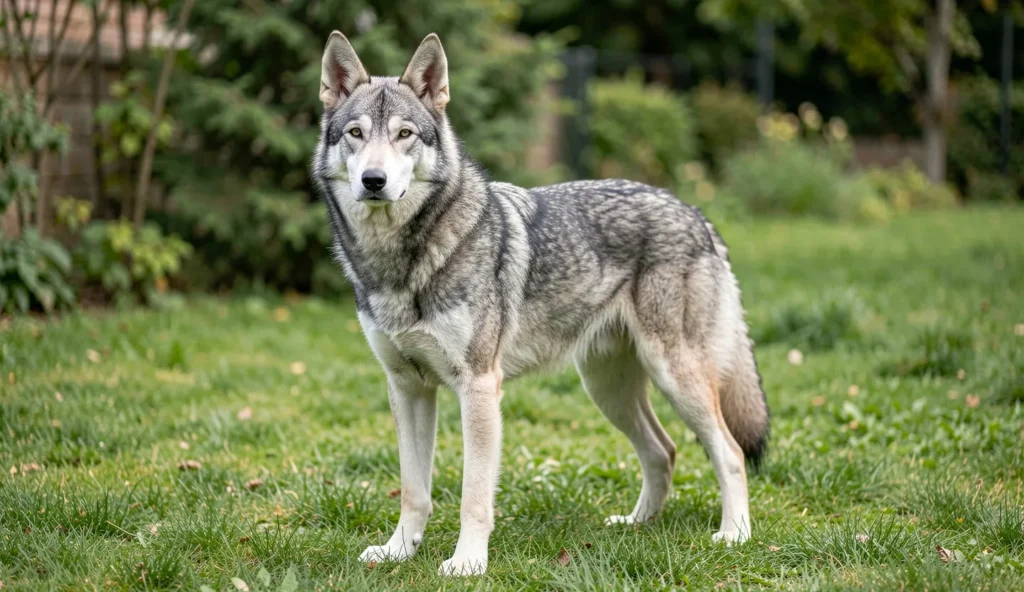
What Is A Czechoslovakian Wolfdog
The Czechoslovakian Wolfdog is a rare working dog with wolf-influenced genetics developed in Czechoslovakia. It looks and acts more like a high-drive working animal than a typical house pet. Many people want one for the intensity and resilience, but the best fit depends on handler experience and legal ownership rules.
Owners should treat this animal as a structured companion with ongoing training needs. When the environment and routine match the Vlciak temperament, the dog can show stable, reliable behavior. When support is missing, instinct-driven responses can become a management problem.
Origin And Purpose
The Czechoslovakian Wolfdog began in Czechoslovakia through crosses between German Shepherds and wolves. The goal focused on resilience, work capacity, and traits linked to survival and endurance. Over time, breeders selected lines that maintained a wolf-like influence while staying dog-leaning in trainability.
As a result, the breed remains a rare working dog rather than a casual novelty. The modern animal still reflects strong instinct and an ability to handle challenging conditions. For many owners, this history explains why the breed needs consistent structure.
Breed Traits People Notice First
Many handlers notice the wolf-like coat and the alert body language quickly. The dog often carries itself with attention, scanning the area and tracking movement. This expression can look calm at rest, yet it can change fast when stimulation increases.
In addition, pack instincts drive a clear need for routine and boundaries. Many dogs bond strongly with a primary handler and respond best when rules remain predictable. Training can move quickly with the right methods, especially when the handler works with the dog’s instincts rather than against them.
Reality Check For Wolf Hybrid Breed Claims
The label wolf hybrid breed can be confusing because it invites people to expect a wild animal. In practical terms, the Czechoslovakian Wolfdog is still a dog with domesticated behavior patterns and training pathways. However, wolf-influenced traits can affect how it reacts to unfamiliar stimuli.
Temperament can stay strongly instinct-driven without structured practice. That includes guarding, chasing, or intense alert behavior if the dog does not learn workable alternatives. Legal ownership should also be treated as high responsibility, not as a casual ownership choice.
Appearance And Physical Features
Appearance helps explain daily care needs for a Vlciak temperament dog. The Czechoslovakian Wolfdog usually shows an athletic build and a weather-ready coat. These physical features support long-distance activity, but they also mean the dog needs appropriate conditioning and grooming routines.
Because the breed carries a dense double coat, shedding changes can be noticeable. Seasonal coat shifts can also affect how quickly wet fur dries. For handlers with large property, the coat still benefits from inspection after outdoor time.
Size, Build, And Movement
Most Czechoslovakian Wolfdogs are medium to large with a springy, endurance-friendly build. Proportions support agility, and the body often looks efficient rather than heavy. Movement commonly appears light and controlled, even during fast changes of direction.
Owners should plan exercise that supports joints and muscles over time. Sudden intense workloads in youth can strain developing structures. When conditioning matches the dog’s pace, training stays safer and more consistent.
Coat Type And Color
The dog typically carries a thick double coat with a dense underlayer. This underlayer helps with weather protection and supports survival traits linked to the breed’s origin. Common tones include gray and wolf-gray variations, which blend with natural outdoor environments.
Seasonal coat changes occur, so shedding levels usually increase during seasonal transitions. Brush planning should reflect those changes to keep loose undercoat from building up. After heavy rain, drying becomes part of coat maintenance.
Eyes, Ears, And Overall Expression
Erect ears and an attentive, watchful expression are common. Eyes often reflect high awareness and quick response to subtle cues from the handler. The dog may appear focused on movement and environmental shifts.
This expression matters for handling, because it often signals whether the dog is relaxed or about to react. If the dog stiffens or tracks a stimulus closely, management should start before escalation. Handlers who read those signals can reduce stress for both the dog and people around it.
Vlciak Temperament And Personality
The Vlciak temperament centers on intensity, structure, and instinct-driven awareness. The Czechoslovakian Wolfdog can learn quickly, yet it usually needs clear rules and consistent routines. High drive makes it suitable for trained households, especially when the handler has space for controlled work.
Because the dog carries pack orientation, bonding often stays strong and focused. At the same time, reserve with strangers can appear unless socialization happens early and continues over time. This combination makes the breed less ideal for casual or inconsistent households.
Pack Orientation And Bonding
Many dogs attach strongly to a consistent handler and prefer stable daily patterns. When routines change often, stress can rise and focus can drop. With the right routine, the dog can show reliable engagement during training sessions.
Reserve with strangers can also show up, especially if socialization is delayed. Response style may become intense when excitement or stimulation increases. For that reason, controlled introductions often matter more than open-ended greetings.
Trainability And Instinct-Driven Behavior
The Czechoslovakian Wolfdog can show strong trainability with structured reward-based methods. Learning may feel fast because the dog monitors cues closely. However, instincts still influence behavior when triggers show up in the environment.
That can include chasing, alert guarding, or fixated attention on moving objects. Inconsistent rules then create confusion and can reinforce unwanted outcomes. A handler who maintains the same commands and boundaries usually sees better results.
Energy Level And Stimulation Needs
Energy remains high, with both physical and mental drive. Without outlets, behaviors may include digging, vocalizing, or escape attempts. Large property can help, yet management still matters because open space can also increase escape risk.
The dog may search for stimulation if the day feels empty. For working dogs, the brain needs tasks as much as the body needs movement. Structured engagement reduces stress and supports steadier day-to-day behavior.
Living With Other Animals And People
Living with other animals often requires careful introductions and ongoing supervision. Prey drive may appear toward small animals if training and boundaries are not strong. House rules also need to start from day one so the dog does not learn mixed signals.
With people, social behavior may depend on early exposures to different environments. Training can support calm responses, but prevention often works better than reaction. Handlers may also compare needs with other high-drive herding or working types to plan management realistically.
For example, readers who want another perspective on high-drive working instincts can review Belgian Malinois Dog behavior patterns and training needs. Similar drive does not mean identical behavior, but the training discipline overlaps.
Exercise Requirements For A High Drive Wolfdog
Exercise requirements for a high drive wolfdog usually exceed what most people expect. The Czechoslovakian Wolfdog tends to need multiple active sessions per day, not just one long walk. When exercise matches drive level, the dog typically shows calmer habits indoors.
At the same time, exercise must stay safe and structured. Off leash freedom can increase risk if distractions trigger chasing instincts. Large property helps, but containment and proof of reliability remain essential.
Daily Activity Targets
Handlers should plan multiple active sessions daily, such as morning work plus an evening training walk. A typical routine often includes long walking periods plus structured play or cue-based practice. Exercise should reflect intensity, not just time on a leash.
As a rule, increased work should happen gradually based on age and conditioning. Puppies and young dogs need carefully scaled sessions that avoid overexertion. Consistent movement supports muscle development and better control during training.
Best Types Of Exercise
Long lead walking can support focus while still giving room for movement. Controlled recall drills build usable response under light distractions. These choices support the Vlciak temperament because they combine movement with structured cues.
Scent work and tracking games often provide strong mental payoff. Many handlers also use problem-solving challenges to prevent boredom. Running or cart pulling can work for some dogs, but only after conditioning and with professional guidance.
For similar planning ideas for a working dog style routine, exploring Mudi dog exercise patterns can help frame how structured activity supports behavior. Different breed, same principle of matching activity to instincts.
Mental Stimulation To Prevent Behavior Problems
Mental stimulation reduces behavior problems by giving the dog an outlet for attention and problem-solving. Rotating training tasks keeps engagement high and prevents boredom. Short sessions with high success rates also help the dog stay confident.
Environmental learning can support calm responses to common stimuli. That means practicing in different areas while controlling distance and intensity. When the dog learns predictability, instinct-driven reactions often drop.
Safety Notes For Large Property And Off Leash Risk
Never assume off leash reliability without proof under distractions. A single chase trigger can override training in the moment. Strong containment and double security practices reduce the chance of escape into risky areas.
Handlers should avoid high-risk zones where an escape could cause harm. That includes areas with traffic, livestock, or loose wildlife. If the dog needs off leash time, testing should happen in controlled settings with careful risk management.
Training And Socialization That Works For The Vlciak Temperament
Training for the Czechoslovakian Wolfdog must fit the Vlciak temperament and the dog’s instinct-driven mind. The breed benefits from planning, consistency, and prevention-focused management. For experienced handlers, structured practice often produces steady improvements over time.
Because the dog can respond intensely to stimuli, training works best when the handler controls context. Punishment can increase fear and reactivity, so training plans typically rely on rewards and clear boundaries. Active households with routine tend to succeed more reliably.
Start Training Early And Stay Consistent
Basic cues and handling practice should begin as early as possible. Consistent commands across household members prevents confusion and avoids mixed expectations. Calm behaviors should earn attention before distractions become more difficult.
Daily reinforcement matters more than occasional long sessions. Even when the dog learns quickly, maintenance keeps behavior stable. Structured routines support pack orientation and reduce anxiety.
Core Obedience Skills To Prioritize
Loose leash walking supports daily control and reduces tension during outdoor time. Recall should be built in stages with frequent reinforcement, starting with low distractions. Leave it and settle on cue provide workable alternatives when the dog notices something interesting.
Controlled greetings help the dog stay focused on the handler instead of rushing people. Handlers can also teach calm transitions between activities so the dog does not explode into excitement. In high drive breeds, this structure can prevent problems before they begin.
For additional context on how working dogs handle attention and discipline, readers can explore Kooikerhondje training emphasis. That breed is different, but the need for consistent cue handling remains relevant.
Socialization Plan For People And Environments
Socialization should include new people, sounds, and surfaces introduced gradually. Each session should aim for calm or neutral behavior with immediate positive outcomes. Short and successful exposures reduce overwhelm and protect long-term confidence.
Instead of pushing the dog through fear, handlers can build tolerance through distance and time. Practice should then expand as comfort improves. Environmental learning also supports smoother behavior during daily chores on large property.
Management Strategies When Instincts Take Over
When instincts begin to surface, physical barriers and leash control prevent rehearsing unwanted behavior. Impulse control training works best with predictable routines and clear expectations. Handlers should set the dog up for success rather than rely on correction during an outburst.
Avoid punishment that increases fear or reactivity. For wolf-influenced temperaments, calm prevention usually outperforms reactive discipline. When boundaries stay consistent, the dog learns what outcomes come from choices.
Grooming Care And Diet Nutrition For A Healthy Working Dog
Grooming and nutrition support long-term health and work capacity for the Czechoslovakian Wolfdog. Dense double coats require routine brushing, especially during seasonal shedding. Food structure also matters because high drive dogs can gain weight if treats and portions exceed needs.
Because the breed often spends time outdoors, regular inspection helps catch issues early. That includes checking paws after rough ground and monitoring ears after wet weather. These habits can reduce recurring irritation.
Grooming Routine And Shedding Control
Regular brushing removes loose undercoat during shedding seasons and reduces coat matting. Ear, coat, and paw checks after outdoor activity help catch irritation early. Baths should happen only when needed so the skin does not dry out.
Many handlers use a consistent grooming schedule to reduce stress. During heavy shedding, brushing may need to happen more frequently. Drying the coat after wet conditions can also prevent moisture from staying trapped against skin.
Dental, Nail, And Skin Maintenance
Dental care supports overall wellness and comfort, especially for active working dogs. Teeth should be brushed several times weekly, or alternative options should be chosen with veterinary approval. Nail trimming should match traction and activity level to avoid discomfort during movement.
Skin monitoring matters because dense coats can trap moisture. After heavy rain or swimming, promptly drying the coat reduces irritation risk. Persistent itching or flaky skin should trigger a vet check rather than guesswork.
Handlers focused on practical maintenance routines can also learn general grooming planning from Afghan Kuchi Dog care emphasis, even though coat types differ. Consistent checks and prevention still apply.
Feeding Structure And Portion Approach
Feeding should use complete, age-appropriate high-quality dog food. Portions should be measured to maintain healthy weight and body condition. Adjustments should reflect workload changes, weather, and training intensity.
High drive dogs can burn calories during activity, but indoor resting times still exist. If treats and table foods become frequent, weight gain can follow. A steady feeding plan helps keep muscle and joints supported during exercise.
What To Feed And What To Avoid
Balanced meals with protein and healthy fats support performance and coat health. Avoid frequent high-fat treats that can push portions beyond target. When new foods become necessary, introduce them gradually to reduce digestive upset.
For many working dogs, treats work best when used for training rewards and measured closely. That keeps training consistent while preventing calorie creep. When diet changes happen, observe stool quality and energy for signs the body needs time to adjust.
Common Health Issues And Responsible Care Practices
The Czechoslovakian Wolfdog generally benefits from proactive care and early detection. Like many large, athletic dogs, it can develop problems that affect joints, skin, and comfort. Responsible care requires consistent monitoring and routine veterinary planning.
Instead of waiting for clear symptoms, handlers should check the dog daily after exercise. When small signs appear, a prompt response can prevent bigger issues. Because the breed can be intense, changes in movement or appetite should never be ignored.
What To Monitor During Daily Life
Owners should watch for limping, stiffness, or reduced activity after exercise. Ear odor, head shaking, or redness can indicate inflammation or irritation. Monitoring water intake, appetite changes, and weight shifts can also reveal early health drift.
Skin and coat checks after outdoor time can highlight hotspots. Dense fur can hide early problems, so inspection should be routine rather than occasional. If the dog reacts sharply during grooming, that can also suggest discomfort.
Orthopedic And Joint Considerations
Large, athletic builds can face joint stress over time. Conditioning should support the dog gradually, especially during growth stages. Overexertion in youth can increase risk for long-term discomfort.
Veterinary screening options can be discussed based on local recommendations and the dog’s history. Appropriate conditioning plans usually include warm-ups and scaled intensity. When exercise plans follow safe progressions, joint strain often remains manageable.
Skin And Coat Related Problems
Dense coats can trap moisture and contribute to irritation if drying is delayed. Prompt drying after wet weather reduces the chance of skin issues. Persistent itching or flaky skin should lead to veterinary guidance rather than repeated bathing attempts.
During shedding season, loose undercoat can also irritate skin if not brushed out. Regular grooming supports airflow to the skin and reduces buildup. When irritation appears quickly, identifying the triggers can speed resolution.
Veterinary Care And Prevention Schedule
Routine vaccinations and parasite prevention support long-term health. Wellness exams help detect problems early when treatment can be easier. Bloodwork or recommended screenings may also support prevention plans.
Because the dog is active, vet checks should reflect the lifestyle. Discuss exercise history, injuries, and activity changes during appointments. A tailored prevention schedule can reduce risk for the working dog lifestyle.
Handlers who want broader context on preparation for rare breeds can review Exotic Dog Breeds for general responsibility considerations. That framing supports the same mindset needed for Czechoslovakian Wolfdog care.
Is A Czechoslovakian Wolfdog Right For You
The Czechoslovakian Wolfdog may fit experienced handlers with large property and time for daily structure. This animal needs secure containment, consistent training, and management of high drive. Legal ownership requirements also vary widely, so compliance needs to be confirmed before acquisition or relocation.
When the setup matches the dog’s needs, the breed can thrive as a stable working companion. When the setup fails to match, instinct-driven behavior can become difficult to manage. Evaluating home readiness prevents many problems before they start.
Home And Property Requirements
This breed suits large properties with secure containment and reliable boundaries. Even with space, supervision should stay active and routine-based. Fencing and escape prevention must be planned with the dog’s drive in mind.
Secure containment reduces the chance of running into traffic or wildlife. Because off leash reliability can be limited under real distractions, containment becomes more than a convenience. When property planning supports training, daily life becomes easier to manage.
Owner Readiness And Handler Experience
Owner readiness matters because experience with high drive working breeds can make training simpler. Consistent training time daily is non negotiable for stable behavior. The handler also must manage reactivity triggers and maintain predictable boundaries.
A household that cannot commit to daily structured practice usually struggles. Staff planning also matters, especially when more than one person interacts with the dog. Consistent rules across the household support pack bonding and reduce confusion.
Legal Ownership And Local Restrictions
Legal restrictions for a wolf hybrid breed can include bans, permits, or special containment rules. Some areas require liability insurance, registration, or written approvals. Because rules vary by country, state, and municipality, verification should happen before any purchase decision.
After relocation, legal compliance should be rechecked to confirm local rules still apply. This step protects the dog and helps prevent enforcement problems later. Legal ownership matters as much as training for this breed.
For additional context on how rare breeds can come with unique responsibilities, exploring Most Expensive Dog Breeds can help frame why commitment goes beyond the initial cost. Czechoslovakian Wolfdog ownership demands long-term responsibility regardless of price.
Realistic Commitment Checklist
A practical commitment checklist helps confirm fit before bringing the dog home. Daily exercise planning should include active sessions plus training and mental work. Secure fencing and controlled handling practices should already be in place.
Long-term commitment also includes ongoing obedience reinforcement and continued socialization. Budget planning should include vet care, measured premium nutrition, and enrichment tools. When these pieces align, the dog has better odds of stable behavior.
Frequently Asked Questions
How Much Exercise Does A Czechoslovakian Wolfdog Need Each Day?
Plan for multiple active sessions daily, including training and structured play. Increase work gradually based on age and conditioning.
Are Czechoslovakian Wolfdogs Good For First Time Dog Owners?
They usually suit experienced handlers only due to high drive and strong instinct responses. Consistency and structure matter more than casual experience.
Do Czechoslovakian Wolfdogs Shed A Lot?
Yes, shedding increases during seasonal coat changes. Regular brushing helps manage loose undercoat, especially in spring and fall.
What Are Common Legal Restrictions For Wolf Hybrid Breed Ownership?
Rules vary by country, state, and municipality, and may include permits or secure containment requirements. Check local regulations before acquisition or relocation.
How Long Does Training Take To See Reliable Behavior?
Obedience reliability often takes months of consistent training work. Progress depends on socialization and continued reinforcement, not one-time practice.
Can A Czechoslovakian Wolfdog Live With Other Pets?
Possible outcomes depend on careful introductions and close supervision. Prey drive may require training and management, and individual temperament varies.
Final Note On Czechoslovakian Wolfdog Care
Responsible ownership of the Czechoslovakian Wolfdog depends on structured training, safe exercise, and verified legal compliance. When those foundations stay in place, the breed can express its best working potential.