What Is a Dzo Hybrid
The Dzo hybrid is a first-generation cross between a male yak and a female domestic cow. It originates in the Himalayan regions of Nepal, Tibet, and Bhutan, where farmers have bred it for centuries. This animal combines the yak’s high-altitude hardiness with the cow’s docility and milk production, making it a versatile working animal.
Origin and History
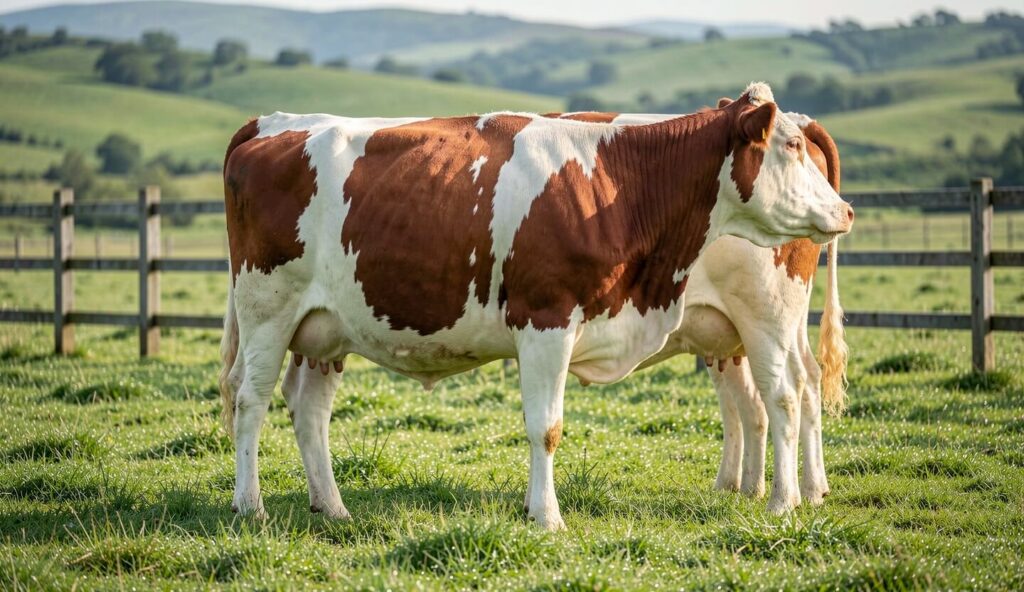
Breeding the Dzo goes back many generations. A male yak is crossed with a female domestic cow, such as a local hill cow or a Jersey Cow adapted to the mountains. The female offspring, called dzomo, remain fertile, while male dzos are sterile. This hybrid has been a cornerstone of trans-Himalayan trade.
Why Breed a Dzo
Farmers need an animal that works well at lower altitudes where pure yaks struggle with heat. The Dzo tolerates warmer conditions better than a yak while retaining sure-footedness and cold tolerance. It also produces more milk and meat than a yak, with a calmer temperament than wild crosses.
Physical Appearance of the Dzo
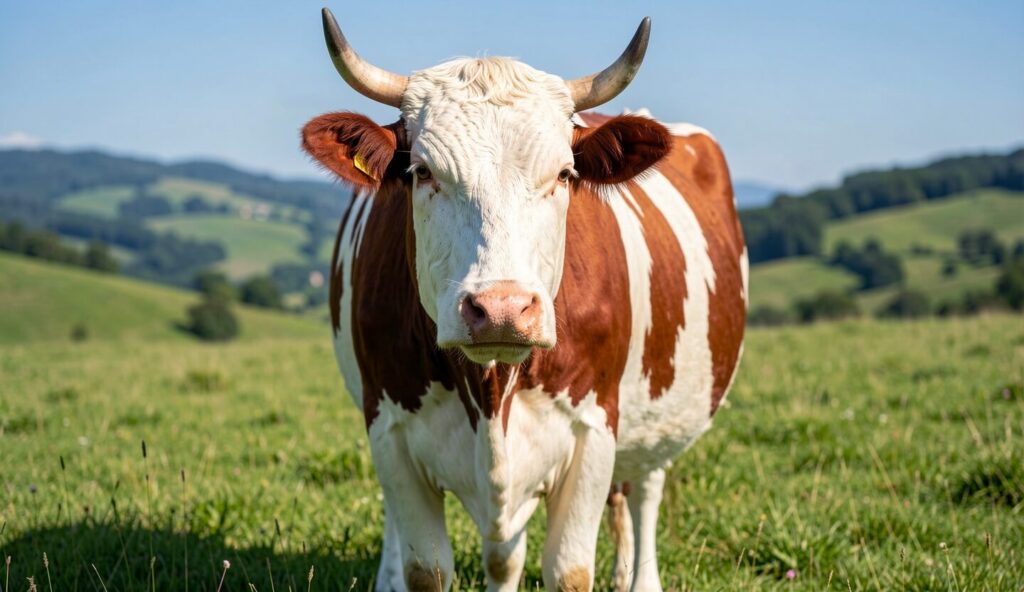
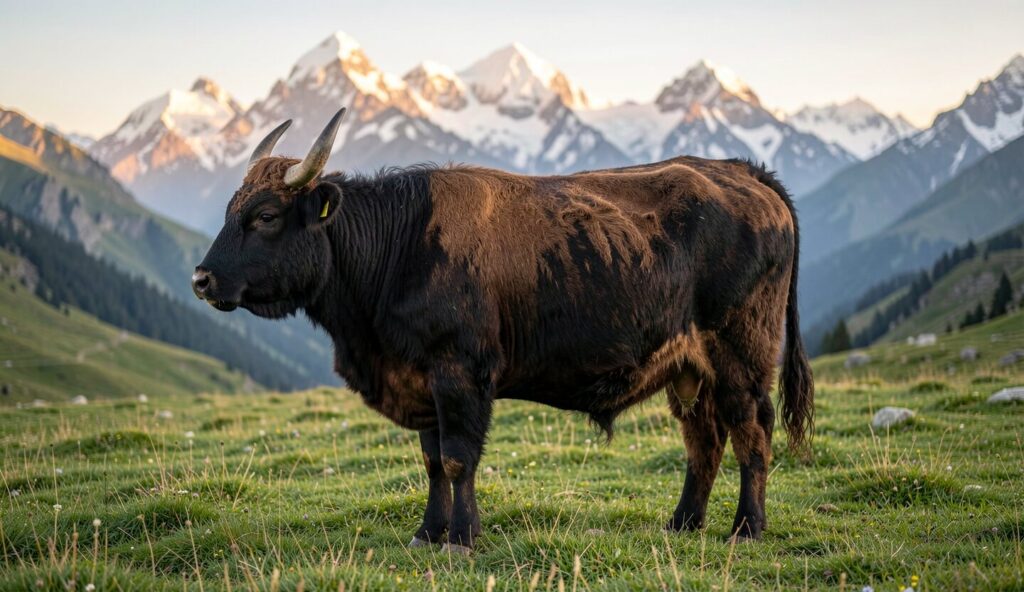
The Dzo looks like a robust blend of yak and cattle. It is larger than a pure yak but slightly smaller than most domestic cattle. Its build is muscular, with a prominent hump over the shoulders and short, sturdy legs for rugged terrain.
Size and Build
Adult Dzos weigh between 350 and 500 kilograms. They have a deep chest and strong shoulders, ideal for carrying heavy loads. The legs are short but powerful, giving stability on steep trails.
Coat and Color
The coat is thick and shaggy, similar to a yak, though shorter on the flanks. Common colors are black, brown, and piebald patterns. A bushy tail, often white or dark tipped, resembles that of a yak.
Horns and Head
Both sexes grow horns that curve outward and upward. The horns are longer than those of cattle but shorter than a yak’s. The face is broad with a slightly convex profile, small hairy ears, and minimal dewlap.
Temperament and Behavior
Dzos are known for their calm and cooperative nature. They are less aggressive than pure yaks and more manageable than wild yak crosses. These animals bond strongly with their handlers and can be trained for various tasks.
Calm and Cooperative Nature
Handlers report that Dzos are docile and willing to work. They respond well to consistent training and form social bonds. Their temperament makes them suitable for families, though experienced handling is still necessary.
Adaptability to Work
Dzos excel at high-altitude work. They carry loads up to 100 kilograms for 8–10 hours a day on steep paths. The hybrid inherits the yak’s sure-footedness and the cow’s steadiness, making it reliable on treacherous trails.
Uses of the Dzo Hybrid
The primary role of the Dzo is as a working animal. It serves as a pack animal, draft animal, and source of milk and meat. In the Himalayas, it is indispensable for transport and agriculture.
Pack Animal for Mountain Trails
Traders and herders rely on the Dzo to carry salt, grain, wool, and other goods between villages. The animal’s endurance allows it to cross high passes like the Thorong La without fatigue. Its calm temperament means it can be tied in a string of pack animals.
Draft Animal for Farming
In lower valleys, Dzos pull plows and carts in fields too cold for pure cattle. They till rocky soil efficiently and are strong enough to work steep terraces. Their docility makes them easy to yoke and direct.
Milk and Meat Production
Female dzomos yield milk with a higher fat content than cattle milk, perfect for butter and cheese. Dzo meat is lean and flavorful, fetching good prices in local markets. The hybrid offers more meat per animal than a yak, making it economical for small farms.
Care and Management
Proper care for a Dzo involves attention to diet, shelter, and grooming. While hardy, these animals need consistent management to thrive in high-altitude conditions.
Diet and Nutrition
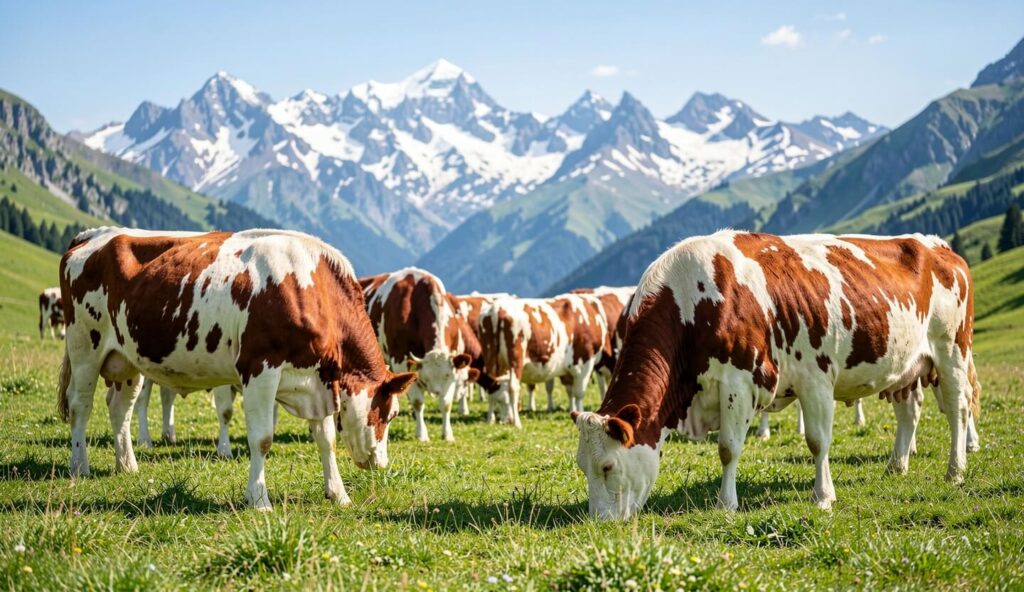
During summer, Dzos graze on alpine grasses, shrubs, and forbs. In winter, they need supplemental hay, straw, and concentrated feed. Farmers should provide fresh water year-round, even when snow is available. Sudden diet changes can cause digestive upset, so transitions must be gradual.
Shelter and Environment
A dry, windproof shelter is essential during harsh winters to prevent frostbite. In summer, Dzos need shade and ventilation as they tolerate cold far better than heat. Bedding of straw or dried leaves helps insulate the floor and keep the animal comfortable.
Grooming and Health Maintenance
Brush the thick coat regularly during shedding season to remove loose hair and prevent matting. Trim hooves every few months if the animal is not working on abrasive terrain. Check for ticks, lice, and other parasites, especially in warmer months. This routine keeps the Dzo healthy and comfortable.
Common Health Issues in Dzo
Dzos face several health problems, some inherited from parent species and others unique to hybrids. Understanding these issues helps owners prevent serious illness.
Respiratory and Cold-Related Problems
Pneumonia is a risk if Dzos are exposed to wet, cold conditions without adequate shelter. Frostbite can affect the ears, tail, and teats in extreme temperatures. High-altitude pulmonary issues are rare but possible in animals born at low elevations.
Digestive Disorders
Bloat and acidosis can occur after sudden diet changes, especially when feeding grain. Liver flukes and other internal parasites are common in grazing animals. Regular deworming and slow feed transitions reduce these risks significantly.
Reproductive and Genetic Concerns
Male Dzos are sterile due to chromosomal mismatch between yak and cattle. Female dzomos are fertile but cannot produce true Dzo offspring without being crossed again. Repeated backcrossing to yaks can lead to inbreeding depression, so farmers must manage breeding carefully.
Is a Dzo Hybrid Right for You
Dzos are not typical pets. They are working animals that require space, purpose, and experienced care. Deciding to own one depends on your location, resources, and goals.
Ideal Conditions for Keeping a Dzo
The best environment for a Dzo is a mountain farm with cold winters and moderate summers. At least one acre of pasture per animal is needed for grazing. A strong, weatherproof shelter and access to fresh water are essential. Farmers in regions like Nepal, Tibet, or the Andes may find the Dzo a good fit.
Considerations for Pet Ownership
Dzos can be affectionate but require a job or regular exercise. They need experienced handling due to their size and strength. Check local regulations, as hybrid ownership may be restricted in some areas. For most people, this animal is more suited to agricultural work than companionship.
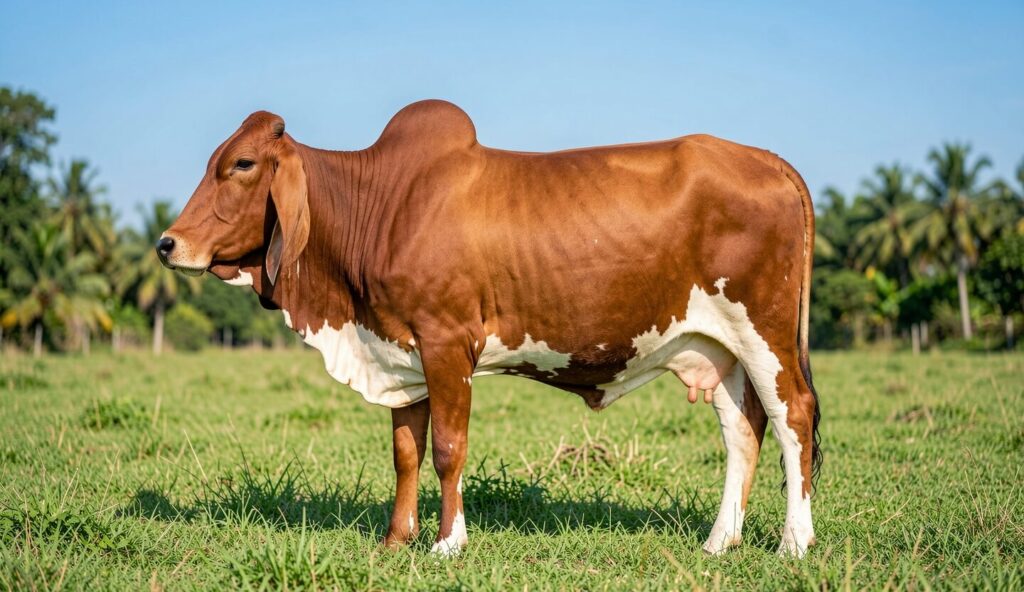
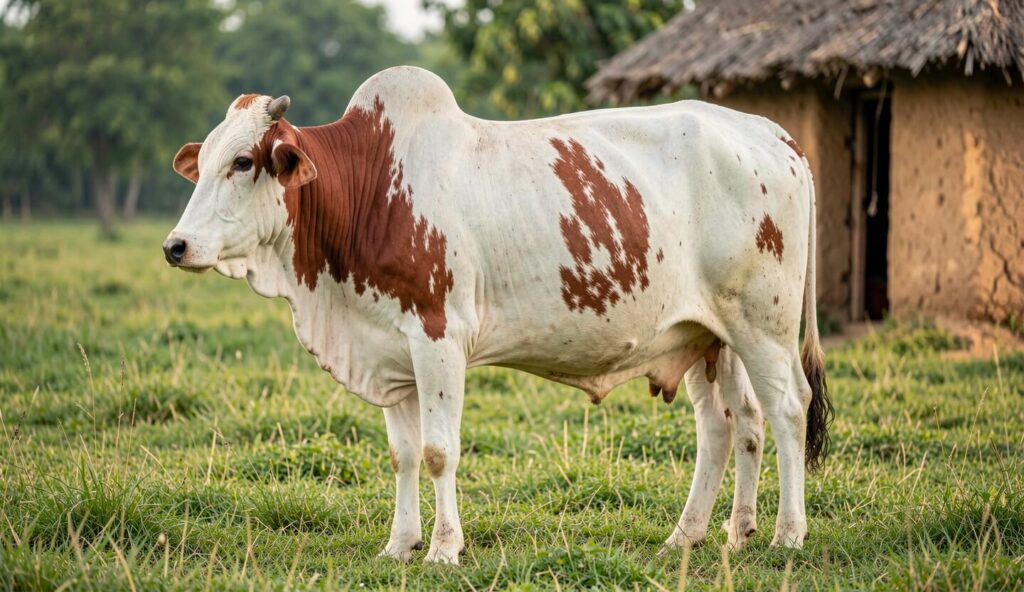
For those interested in similar hardy breeds, the Dwarf Lulu cattle from Nepal share some high-altitude traits. Another cross, the Beefalo breed, combines bison with domestic cattle for cold resilience. The Dajal Cow from Pakistan is also a hardy breed adapted to harsh conditions. The Brahman Cow thrives in hot climates, showing how crossbreeding adapts animals to varied environments. Even the Kundhi Buffalo offers lessons in dairy resilience.
A Final Note on Dzo Hybrid Cattle
The Dzo hybrid remains a vital asset for mountain farmers across the Himalayas. Its unique combination of strength, endurance, and docility makes it irreplaceable for transport and agriculture. Those who can provide proper care and a working environment will find the Dzo a loyal and productive partner.
Frequently Asked Questions
What is a Dzo hybrid exactly?
A Dzo is a first-generation cross between a male yak and a female domestic cow. It is bred for its strength, endurance, and adaptability to high-altitude farming.
Are Dzos sterile?
Male Dzos are sterile due to chromosomal differences between yak and cattle. Female dzomos are fertile and can be bred back to yaks or cattle.
How much weight can a Dzo carry?
A healthy adult Dzo can carry up to 100 kilograms. They can travel long distances on steep mountain trails without fatigue.
Where are Dzos found in the wild?
Dzos are not found in the wild; they are domesticated hybrids. They are kept by farmers in Nepal, Tibet, Bhutan, and northern India.
What do Dzos eat?
In summer, Dzos graze on alpine grasses and shrubs. In winter, they need hay, straw, and concentrated feed.
Can a Dzo be kept as a pet?
Dzos are working animals and not suitable as pets for most people. They require large pasture, a job, and experienced handling.