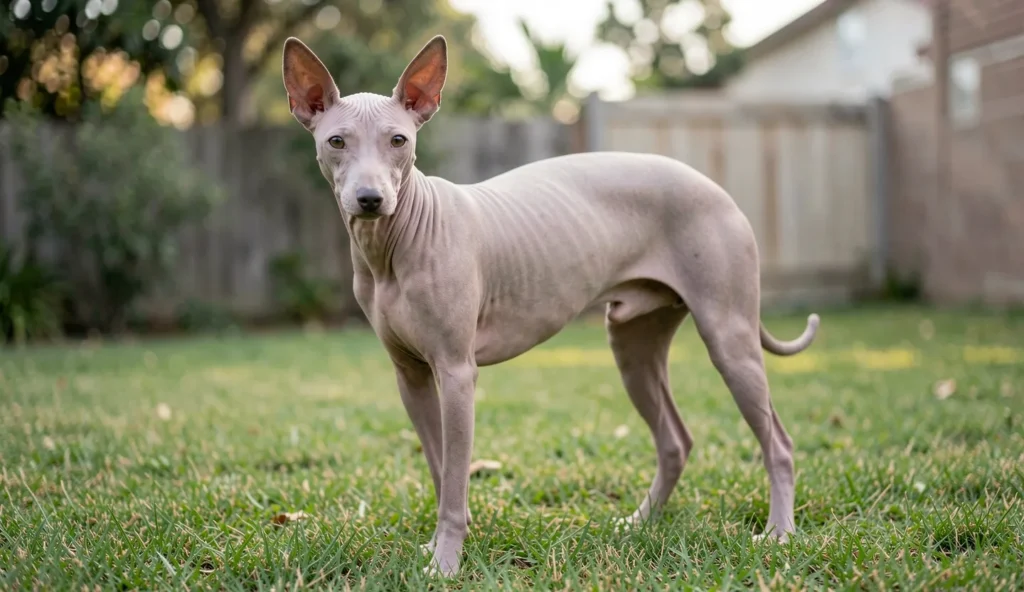
What Is A Xoloitzcuintli
The Xoloitzcuintli breed comes from Mexico and is known for its hairless look, with a coated variety also recognized. It stands out because skin is highly visible, so basic daily care affects comfort and health. This Mexican ancient breed can suit people who want a low-hair option, but it still needs active skin care.
Many allergy-sensitive owners consider whether Xolo dog care feels manageable compared with shedding-heavy breeds. Both hairless and coated dogs share similar body structure and many temperament traits, even though grooming focus differs.
Origin And Why It Matters
Xoloitzcuintli is an ancient Mexican breed with long historical roots. The breed links closely with Mexican cultural heritage and has remained known for distinctive skin and coat types.
Because ancestry connects to natural survival needs, owners often notice strong adaptability and alertness. That background also explains why skin conditions and protective routines play a bigger role in Xolo dog care.
Hairless And Coated Varieties
Hairless Xolos typically show sparse to no coat, with skin that has its own color pattern and texture. Coated Xolos have a full coat, so day-to-day grooming resembles other short-coated dogs.
Even so, both types come from the same core breed lines and usually share similar energy levels and social needs. For families comparing hairless dog breeds, it helps to focus on the care tasks each variety requires rather than assuming identical routines.
Size Types And Typical Lifespan
Xoloitzcuintli is commonly grouped into three size categories, including toy, miniature, and standard. Adult size depends on genetics and breeding lines, even within the same category.
With proper diet, exercise, and preventive care, average lifespan is often many years. Consistent veterinary visits matter because skin, dental, and joint issues can show up at different ages.
Appearance And Physical Features
The Xoloitzcuintli breed combines an athletic body with distinctive skin or coat coverage. For allergy-sensitive households, appearance matters because hairless dogs reveal skin texture and color variation clearly.
At the same time, coated Xolos still look sleek and compact. Both varieties can carry an alert facial expression, which makes the breed easy to recognize during daily life.
Hairless Xolo Skin Traits
Hairless Xolo skin can show freckles, mottling, and color variation that looks different across individuals. In some dogs, smooth feel changes with age and season.
Skin care for hairless dogs focuses on protection from sun, dryness, and minor injuries. When skin stays healthy, comfort improves quickly, which reduces scratching and behavioral stress.
Coated Xolo Coat Traits
Coated Xolos have a visible coat that covers the body. Coat length and texture vary, so shedding level can differ between dogs and seasons.
Coated Xolo requirements often resemble other coated breeds, including brushing to prevent tangles and bathing when needed. However, coat thickness does not automatically predict overall allergy impact, so personal sensitivity still matters.
Build, Face, And Movement
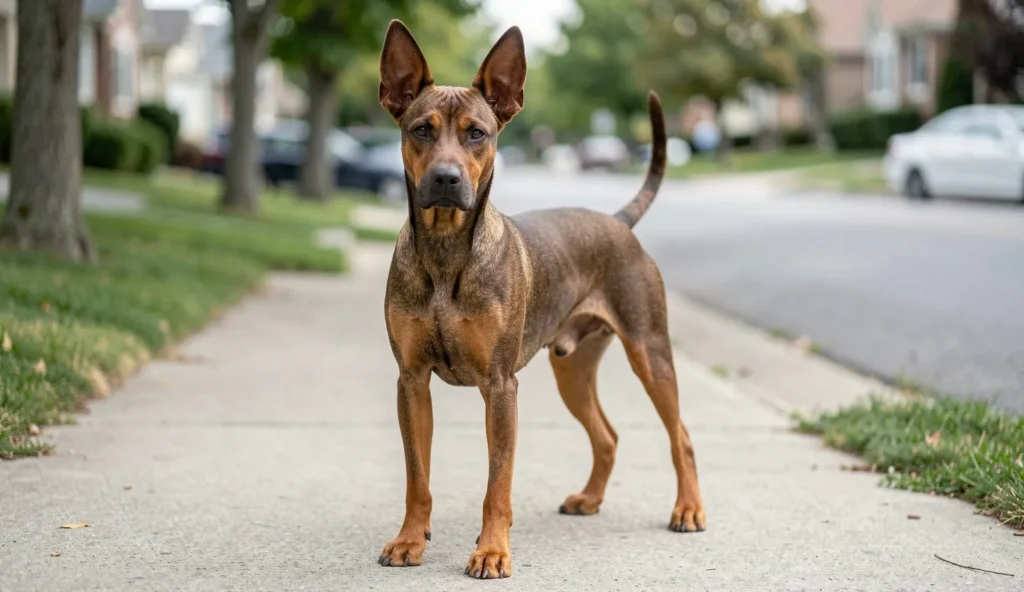
Xolos usually have a lean, athletic build with an alert posture. Many dogs also carry ears that can stand, which creates a watchful, intelligent expression.
Movement often appears smooth and coordinated. This physical efficiency supports daily walking and play, especially when exercise stays consistent rather than sporadic.
Common Color Patterns
Skin and coat colors can include solid shades and mottled patterns. Color does not reliably predict temperament or health outcomes.
For correct identification, it helps to separate variety type from color and then evaluate overall structure. That approach reduces confusion when comparing hairless dog breeds with similar body shapes.
Xolo Temperament And Personality
Xolo temperament often includes alertness, curiosity, and strong attention to people nearby. Many dogs form close bonds with familiar family members and can remain reserved with strangers.
Temperament can vary by line, socialization, and training style. Therefore, consistent routine and patient guidance usually produce calmer behavior in daily settings.
Typical Personality Traits
Xolos are often attentive to changes at home, including door sounds and new visitors. Many dogs show loyalty and may watch household activity closely.
Because individual Xolo temperament differs, early handling and training remain essential. Reward-based methods usually reduce uncertainty and prevent fear-related habits.
Family Compatibility And Social Needs
Most Xolos do best with consistent routines and positive training. Early socialization helps a dog learn how to respond to people, noises, and normal daily movement.
Supervision is recommended around very young children, especially during early learning phases. Structured interaction helps prevent accidental rough handling that could lead to stress reactions.
Other Pets And Household Dynamics
Prey drive varies, so introductions should start gradually and stay supervised. With calm management and training, some dogs adapt well to cats or small pets.
Structured introductions reduce tension and chasing. For readers also comparing other rare breeds, a similar approach to gradual acclimation applies when learning about a Moxoto Goat temperament and household fit.
Energy Level And Day To Day Behavior
Energy levels can range from moderate to high depending on age and variety. Daily activity plus short mental tasks often prevents boredom behaviors.
Many Xolos respond well to calm, confident guidance rather than intense correction. Over time, predictable routines usually support steadier behavior in the home.
Exercise Requirements For A Xoloitzcuintli
Exercise needs for the Xoloitzcuintli breed usually include daily walks and some play time. Consistency matters more than occasional long sessions, because routine supports both muscle and mood.
Since heat can affect hairless dogs faster, the schedule should match weather conditions. With the right plan, owners can meet activity needs without irritating sensitive skin.
How Much Daily Activity Is Needed
Most Xolos benefit from daily leash walks plus short play sessions. Toy and miniature dogs may need slightly less time than standard dogs, but they still need daily movement.
Short routines also help prevent overexertion in young dogs or dogs with early joint issues. When energy dips or pacing increases, adjustments often work best in small steps.
Best Exercise Types
Leash walks, gentle fetch, and controlled off-leash play in safe areas usually fit the breed well. Training games such as short recalls and scent work also help with mental stimulation.
Some Xolos can swim, but skin protection for hairless dogs matters. When swimming happens, rinsing off pool chemicals and drying the skin reduces irritation risk.
Heat And Sun Safety For Hairless Dogs
Hairless dogs need sun protection due to exposed skin. Avoiding hot pavement and limiting outdoor time during midday heat can prevent painful burns.
Skin care for hairless dogs often includes vet-approved products when appropriate. Cold weather protection may also help if indoor heating is inconsistent or drafts are common.
Signs Of Too Much Or Too Little Exercise
Restlessness, destructive behavior, and excessive barking can indicate boredom or unmet routine needs. Lethargy or limping can signal fatigue or injury, which requires rest and closer monitoring.
Adjust activity gradually based on age, body condition, and any veterinary guidance. That careful approach reduces flare-ups and keeps training progress steady.
Training Tips For A Xoloitzcuintli
Training works best when it matches the dog’s focus and attention style. Xolos often learn quickly with positive feedback, and Xolo temperament usually benefits from calm, structured sessions.
Because this breed can form attachments and preferences, training should stay consistent across family members. That consistency prevents mixed signals that can slow progress.
Start With Socialization Early
Socialization should begin early with people, safe environments, and common household sounds. Short sessions with calm handling and positive rewards help puppies feel safe in new situations.
New places should be approached gradually, with the dog allowed to observe before getting closer. This step-by-step method reduces fear and supports confident behavior later.
Use Reward Based Training
Many Xolos respond well to treats, praise, and predictable routines. Harsh corrections can increase fear, which may lead to resistance or shutdown during sessions.
Keeping training sessions short and ending on a success helps maintain motivation. Over time, the dog learns that cooperation brings positive outcomes.
House Training And Crate Guidance
Crate training can support routine and safe downtime. Trips outside should happen on a schedule, and elimination should be praised immediately.
Accidents should be handled by cleaning thoroughly and adjusting timing. With hairless dogs, staying aware of skin contact after accidents can also keep irritation from worsening.
Managing Barking And Reactivity
Barking often increases when triggers are close or when the dog feels uncertain. Address triggers using distance, routine, and rewarding calm behavior rather than reacting louder than the dog.
Exercise and mental work reduce stress responses for many dogs. When reactivity persists, professional guidance can speed up safe progress and improve consistency in the home.
Grooming And Care Tips For Hairless And Coated Xolos
Grooming is a core part of Xolo dog care, especially for hairless variety owners. The goal is to protect skin, reduce irritation, and keep the dog comfortable during daily life.
Coated Xolos require a different routine, but they still need regular nail, ear, eye, and dental checks. To reduce allergy exposure, grooming steps should focus on cleanliness and frequency rather than guesswork.
Hairless Xolo Skin Care Routine
Hairless skin often needs moisturization to prevent dryness and cracking. Cleaning should feel gentle, and debris should be removed without over-stripping protective oils.
Daily checks help catch early issues such as redness, bumps, or irritated patches. When problems are treated early, skin care for hairless dogs becomes simpler and less expensive over time.
Bathing Frequency And What To Use
Bath frequency depends on oiliness, activity level, and how sensitive the skin appears. Gentle, dog-safe cleansers usually work better than harsh soaps.
After bathing, thorough drying helps prevent irritation. If skin becomes dry quickly, the routine can shift toward less frequent baths plus targeted moisturizing.
Moisturizing, Sunscreen, And Weather Protection
Hairless dogs may require sun protection during outdoor time. In many cases, protective clothing can reduce exposure, but fit should stay secure and comfortable.
Cold weather protection can also prevent skin cracking from wind and low humidity. Product choices should follow veterinary guidance, especially when using sunscreen on exposed skin.
Coated Xolo Grooming Needs
Coated Xolos benefit from regular brushing that matches the coat thickness and shedding patterns. Baths should happen as needed, and mats should be managed before they form deep knots.
Nail trimming and ear health checks should remain consistent with standard dog grooming schedules. If allergies are a major concern, grooming days can be planned when household cleaning support is available.
Nails, Ears, Eyes, And Dental Care
Nails should be trimmed every few weeks to avoid discomfort and clicking sounds. Ears should be checked for odor, wax buildup, or redness, and cleaning should only happen when needed.
Eye corners can be wiped using safe, natural discharge cues. Teeth should be brushed several times weekly to reduce plaque and keep gum health stable.
Allergy Sensitive Care Considerations
Even when fur is minimal, hairless dogs can still trigger allergies through skin flakes and saliva. Regular bathing and cleaning can reduce dander levels inside the home, which may help symptom control.
A trial exposure with the specific dog can confirm personal sensitivity. Cleaning practices such as HEPA filtration and frequent vacuuming also support allergy management, especially during the first weeks.
For readers comparing how other rare breeds manage low-maintenance routines, breed care planning can be approached similarly to learning about a Dzo hybrid daily handling needs. That comparison is helpful because it highlights the role of routine consistency, not just coat differences.
Diet And Nutrition For A Xoloitzcuintli
Diet affects skin health, energy, and how well the body recovers from minor irritation. For the Xoloitzcuintli breed, balanced nutrition supports a strong skin barrier and stable daily weight.
Portions also matter because weight gain can increase stress on joints. With a clear feeding routine, Xolo dog care becomes easier to manage.
Choosing A Balanced Dog Food
Select a complete and balanced diet labeled for the correct life stage. Adult and puppy needs differ, so the label should match age and expected growth.
Food should align with body condition, activity level, and any known sensitivities. When skin reactivity appears, the veterinarian may recommend a food trial with stable ingredients.
Feeding Schedule And Portion Control
Measured portions should use a body condition score as a starting guide. Puppies often need split meals, while adult dogs usually do well with two feedings per day.
Treats should stay limited and included in daily calories. This rule helps prevent overeating and keeps energy steady between walks.
Foods That Support Skin And Coat
Omega fatty acids can support normal skin barrier function and reduce dryness for many dogs. Stable proteins may help if food sensitivities affect skin or digestion.
Avoid sudden diet changes, because digestive upset can show up as softer stools and increased discomfort. When changes are needed, they should be gradual and monitored for tolerance.
Fresh Water And Safe Treats
Fresh water should remain available at all times. Dental chews and low-calorie training treats can support training goals without adding excessive calories.
Human foods known to be toxic to dogs should stay off the list entirely. This caution protects both safety and long-term health outcomes.
Common Health Issues In The Xoloitzcuintli Breed
Common health concerns for the Xoloitzcuintli breed often connect to skin, dental health, and mobility. Hairless varieties deserve extra monitoring because small skin changes can progress without prompt care.
Preventive vet visits and routine at-home checks create an early warning system. That approach can reduce complications and keep daily comfort stable.
Skin Related Problems In Hairless Varieties
Hairless skin can develop dryness, irritation, or minor infections. Redness, scabs, odor, or persistent bumps should not be ignored.
Early veterinary care helps prevent worsening conditions and reduces pain. When a new grooming product is introduced, monitoring for reaction also protects the skin barrier.
Dental Issues And Oral Health
Some Xolos develop dental plaque buildup and gum issues over time. Regular brushing and dental chews can lower the risk and support fresh breath.
Professional cleanings may still be needed for severe plaque. Staying consistent reduces the chance of painful inflammation that affects eating.
Orthopedic And Joint Considerations
Joint or mobility problems can occur in any dog as age increases. Maintaining a healthy weight reduces strain on joints and supports smoother movement.
For young dogs, high-impact activity should be limited if growth plates remain active. That protection supports long-term orthopedic stability.
Eye And Ear Health
Eye issues can show up as discharge, squinting, or persistent redness. Ear health checks can reveal wax buildup, odor, or shaking behavior.
Cleaning products and frequency should follow veterinary guidance. Using incorrect solutions can make irritation worse instead of improving it.
Preventive Care And Vet Visits
Vaccinations and parasite prevention should stay on schedule. Veterinarians can also perform routine skin checks, which matters for hairless dogs.
Breed-specific risk screening helps catch early signs of problems before they worsen. When allergy symptoms appear, discussing home cleaning and hairless dog grooming routines can improve outcomes.
Is A Xoloitzcuintli Right For You
Choosing the Xoloitzcuintli breed comes down to lifestyle fit, grooming ability, and allergy management expectations. For allergy-sensitive dog owners, the difference between hairless and coated varieties affects daily routines in practical ways.
Care plans should include skin checks for hairless dogs and routine brushing for coated dogs. When both owner and dog routines stay consistent, comfort improves quickly.
Who The Xoloitzcuintli Fits Best
A Xolo often fits well with people who can manage daily skin checks for hairless dogs. Owners who prefer moderate activity with consistent training usually do better long-term.
Families should also be ready for early socialization and structured routines. That setup supports calm interactions and reduces uncertainty with visitors.
Who Might Want Another Option
Some homes may struggle if they cannot provide regular grooming and skin care. Others may want a dog with no ongoing skin management needs, which hairless varieties still require.
Dogs also need training and mental stimulation, so a home with limited time for routine work may find behavior issues. People who cannot commit may want to consider other low-hair options first.
Allergy Sensitive Checklist To Consider
Before adoption, schedule an exposure visit with the specific dog to track allergy responses. Use a consistent cleaning routine that includes grooming days and vacuuming schedules.
Consider coated Xolos if shedding is manageable for the household. Also track symptoms after grooming and cleaning days to understand personal triggers, because hypoallergenic dog myths can mislead decision-making.
Some owners also compare allergy patterns across species, such as how dander and saliva exposure can differ by pet type. For example, people planning multi-pet homes might review an Exotic Shorthair breed care fit when thinking about indoor allergen sources. That planning supports clearer expectations for everyday life.
Final Note On Caring For A Xoloitzcuintli
With clear Xolo dog care routines, the Xoloitzcuintli can stay comfortable and healthy across hairless and coated varieties. A steady plan for skin protection, training, and nutrition often produces the best daily results for allergy-sensitive homes.
Frequently Asked Questions
Are Xoloitzcuintli Dogs Truly Hypoallergenic For Allergy Sufferers?
No dog is fully hypoallergenic for all people. Hairless Xolos may reduce fur shedding, but skin flakes and saliva can still trigger symptoms, so a supervised exposure visit is the best check.
How Often Should A Hairless Xolo Be Bathed And Moisturized?
Bath frequency depends on oiliness, activity, and skin sensitivity. Moisturizing is often needed to prevent dryness, and vet-approved products should guide both steps.
Do Coated Xoloitzcuintli Dogs Shed More Than Hairless Ones?
Coated Xolos generally shed based on coat thickness and seasonal changes. Hairless Xolos still shed skin flakes even without fur, so allergy impact varies by household and the individual dog.
What Training Works Best For Xolo Temperament And Behavior?
Reward-based training with treats and consistent routines works well for many Xolos. Short sessions plus early socialization help reduce fear and reactivity, and harsh corrections should be avoided.
What Are Common Skin Problems In Hairless Xolo Dogs?
Dryness, redness, and irritation can occur without proper skin care. Owners should watch for bumps, scabs, odor, or persistent redness, and ongoing issues should be evaluated by a veterinarian.
How Much Exercise Does A Xoloitzcuintli Need Each Day?
Most Xolos need daily walks plus play and mental tasks. Exercise needs vary by size type and age, and heat safety matters most for hairless dogs.