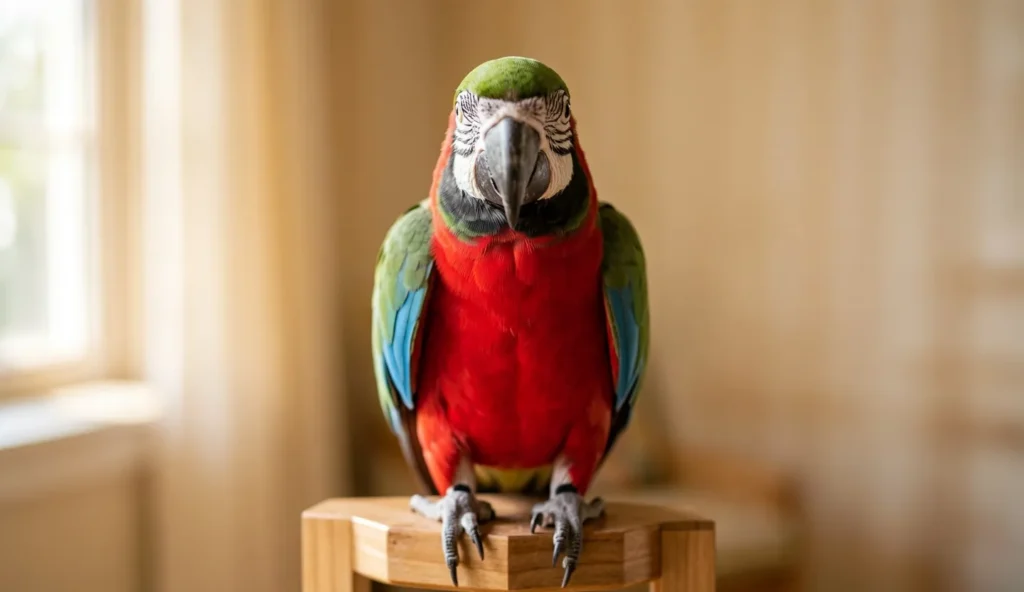
What Is a Green Winged Macaw
The Green Winged Macaw, scientifically known as Ara chloropterus, is a large parrot native to the rainforests of South America. This species is often called the red-and-green macaw and holds a reputation as the gentle giant among macaws. Its calm disposition makes it a sought-after companion for experienced bird owners.
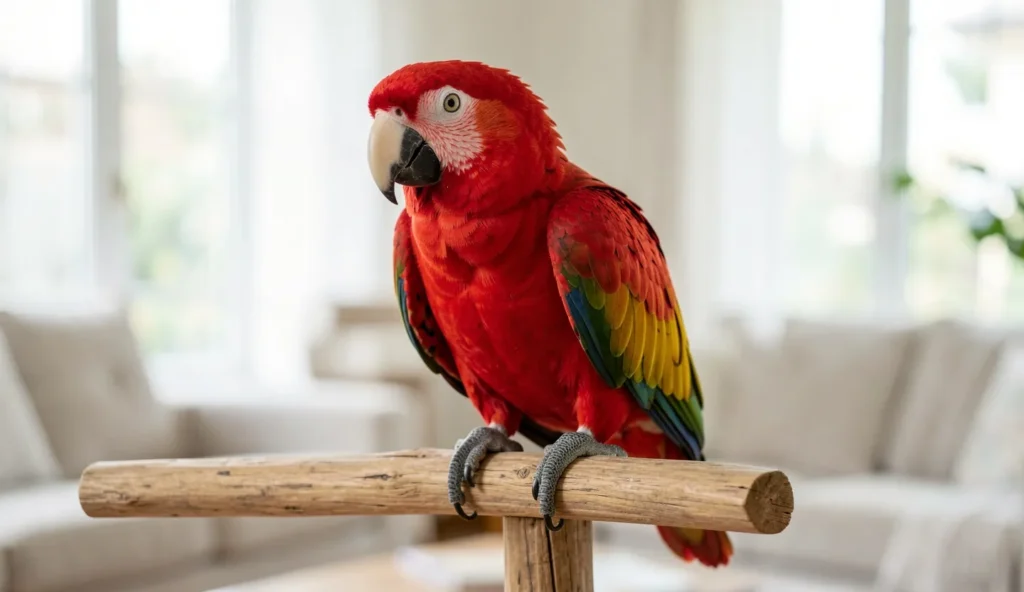
Growing up to 36 inches in length, this bird is one of the largest macaw species. Bright red plumage covers most of the body, while the wings display vibrant blue and green feathers. The bare white facial patch with distinct red feather lines sets it apart from other large parrots.
Unlike the more energetic Blue and Gold Macaw, the Green Winged Macaw tends to be quieter and more even-tempered. This trait has earned it the nickname gentle giant. Many owners describe it as a sweet and patient bird that thrives in single-bird homes.
Temperament and Personality Traits
Gentle Giant Nature
The Green Winged Macaw is less aggressive than many other large macaws. It is known for being even-tempered and patient, even during handling. However, its powerful beak demands respect, and proper training remains essential.
Affectionate behavior is common once trust is established. The bird may seek out physical contact and enjoy being scratched on the head. This gentle nature makes it an excellent choice for owners who want a calm yet interactive companion.
Intelligence and Playfulness
Green Winged Macaws are highly intelligent and curious animals. They require ample mental stimulation to prevent boredom and destructive habits. Puzzle toys, foraging activities, and trick training keep their minds engaged.
Playfulness often includes hanging upside down, chewing on wood, and exploring new objects. Owners should provide a variety of safe toys to satisfy this natural curiosity. Without enrichment, the bird may develop feather plucking or excessive screaming.
Vocalizations
Like most macaw parrots, the Green Winged Macaw can be loud. Vocal outbursts typically occur at dawn and dusk, mimicking wild flock calls. Some individuals are quieter than other macaws, but a noisy home environment is expected.
Speech mimicry is possible, though not as clear as African grey parrots. Owners can teach words and phrases with consistent repetition. Screaming should be addressed early through positive reinforcement and adequate attention.
Bonding With a Green Winged Macaw
Building Trust
Building trust with a Green Winged Macaw requires patience and consistency. Start by sitting quietly near the cage, allowing the bird to observe. Offer favorite treats through the bars, letting the bird approach at its own pace.
Avoid sudden movements or loud noises during initial interactions. Respect the bird’s body language; a relaxed posture indicates comfort. Rushing the process can lead to fear and biting.
Importance of Daily Interaction
Bonding deepens through daily, out-of-cage time. A Green Winged Macaw needs several hours of supervised freedom each day. One-on-one attention is critical, especially in single-bird homes.
Neglecting interaction can trigger behavioral problems like feather plucking or aggression. Consistent handling reinforces the bond and maintains tameness. Owners should schedule dedicated play sessions every day.
Signs of a Strong Bond
A bonded Green Winged Macaw willingly steps up and seeks physical contact. It may regurgitate food as a sign of affection, a natural courtship behavior. Relaxed body language, such as preening near the owner, indicates trust.
The bird will vocalize less when the owner leaves the room, showing confidence in the relationship. These signs confirm that the macaw feels secure and connected.
Socialization and Training
Early Socialization
Expose the Green Winged Macaw to various people, sounds, and environments from a young age. Hand-raised chicks typically adapt better to human handling. Supervisor introductions to other pets, as some large parrots may see small animals as threats.
Positive experiences during socialization reduce fear and aggression. A well-socialized bird is less likely to become territorial or bite. Rare parrots breeds often require extra care in this aspect due to their specific temperaments.
Positive Reinforcement Training
Use treats like almonds or fruit pieces as rewards during training. Target training is an effective first step, teaching the bird to touch a stick for a treat. Keep sessions short, around 5 to 10 minutes, to maintain focus.
Never use punishment; it damages trust and escalates fear. Consistent positive reinforcement builds a cooperative and happy bird. Training also provides mental stimulation that prevents boredom.
Handling and Taming
Use a firm but gentle hand when asking the bird to step up. Respect its body language; pinned eyes or raised feathers signal discomfort. For emergency or vet visits, wrapping the bird in a towel is a safe technique.
Regular handling maintains tameness. Even a gentle giant can bite if startled or mishandled. Consistent, calm interactions keep the bird comfortable with human contact.
Environmental Needs for a Happy Macaw
Cage and Space
A minimum cage size of 36 x 48 x 60 inches is required for a Green Winged Macaw. Bar spacing should not exceed 1.5 inches to prevent injury. Place the cage in a busy family room, not an isolated corner, so the bird feels included.
Provide perches of varying diameters to promote foot health. Natural wood perches are preferable. The cage should be filled with safe, engaging toys.
Enrichment and Toys
Offer destructible toys made of wood, leather, and cardboard. Rotate toys weekly to keep the bird interested. Foraging toys encourage natural food-searching behaviors and provide mental challenges.
Large parrot swings and boings offer exercise and entertainment. A variety of textures and shapes prevents boredom. Without enrichment, the bird may develop stereotypic behaviors.
Safe Out-of-Cage Time
Secure windows, doors, and electrical cords before letting the bird out. Remove toxic plants from the area. Supervise interactions with other pets, especially small mammals.
A designated play stand or tree gym gives the bird a familiar spot to perch. This setup helps manage behavior and prevents destructive chewing on furniture.
Diet and Nutrition for Bonding
Importance of Hand-Feeding Treats
Hand-feeding small pieces of fruit or nut builds trust and positive associations. Use treats only during training or bonding sessions to maintain their value. Avoid sugary or fatty human foods that can harm the bird’s health.
Offering a favorite treat from the hand encourages the bird to approach. This simple act strengthens the bond and reinforces good behavior.
Foods That Promote Interaction
Offer chop, a mix of finely chopped vegetables, from the hand. Nuts like almonds or walnuts serve as high-value rewards during training. Foraging for pellets in a puzzle feeder engages the bird and makes mealtime fun.
A balanced diet supports overall health, which directly affects temperament. A well-fed bird is more likely to be calm and receptive to bonding.
Common Behavioral Challenges
Biting and Nipping
Biting often results from fear, overstimulation, or misunderstanding. Learn to read warning signs such as pinned eyes, raised feathers, or tail fanning. Never react with anger; calmly redirect the bird to a perch or toy.
Consistent training and respect for body language reduce biting incidents. A bite from a large parrot can be severe, so prevention is key.
Screaming
Excessive screaming may indicate boredom, loneliness, or insufficient attention. Increase enrichment and out-of-cage time to address the cause. Ignore attention-seeking screams and reward quiet behavior with treats.
Ensure the bird receives 12 hours of darkness for proper rest. Sleep deprivation can lead to irritability and increased vocalization.
Territoriality
Some Green Winged Macaws become protective of their cage or favorite person. Teach a step-up command to move the bird away from trigger areas. Socialize the bird with all household members regularly to reduce possessiveness.
Avoid reinforcing possessive behavior by not allowing the bird to guard its cage. Establish clear boundaries through training.
Health and Wellness Affecting Temperament
Signs of Illness
Lethargy, ruffled feathers, or decreased appetite can signal health problems. Sudden changes in vocalization or aggression also warrant a vet visit. Attentive owners can catch issues early before they affect bonding.
Illness often makes a bird irritable or withdrawn. Maintaining regular checkups ensures long-term well-being.
Regular Vet Checkups
Annual wellness exams with an avian vet are essential. Blood work can detect hidden conditions like infections or nutritional deficiencies. Proper diet and hygiene prevent many common illnesses.
A healthy Green Winged Macaw is more likely to display its gentle temperament. Preventive care supports a strong bond between bird and owner.
Is a Green Winged Macaw Right for You
Commitment Requirements
The Green Winged Macaw lives 50 to 80 years, a lifelong commitment. Its size and strength demand a spacious home and a willing owner. Experienced bird owners are best suited to meet its complex needs.
This species thrives with consistent social interaction and mental stimulation. Single-bird homes often produce the strongest bonds because the bird focuses its affection on one person. Researching rare parrots breeds like the kakapo parrot can help owners appreciate the unique care of large parrots.
Frequently Asked Questions
How long does it take to bond with a green winged macaw?
Bonding can take weeks to months depending on the bird’s history and the owner’s consistency. Daily gentle interaction and positive reinforcement speed up the process.
Are green winged macaws good for first-time bird owners?
They are not recommended for beginners due to their size, strength, and long lifespan. Experienced bird owners are better equipped to handle their needs.
Do green winged macaws get along with other pets?
They can coexist with other pets if introduced slowly and supervised. Large macaws may see small animals as threats and should never be left alone together.
What causes a green winged macaw to become aggressive?
Common triggers include fear, hormonal changes, pain, or lack of socialization. Aggression often stems from misunderstanding the bird’s body language.
How much out-of-cage time does a green winged macaw need daily?
At least 3 to 4 hours of supervised out-of-cage time is essential for bonding and exercise. Less time can lead to behavioral issues like screaming or feather plucking.
Final Note
The Green Winged Macaw’s gentle nature and intelligence make it a rewarding companion for dedicated owners. With proper bonding, training, and care, this large parrot can become a beloved family member for decades.