What Is a Polish Lynx Pigeon
The Polish Lynx is a show-quality pigeon breed developed in Poland through careful selection for unique wing markings and an elegant body shape. This breed belongs to the larger group of fancy pigeons prized for ornamental traits rather than utility. Show handlers value the Polish Lynx for its calm demeanor and striking appearance, making it a standout choice among polish pigeon breeds. The breed was formally recognized by European pigeon standards and remains popular in competitive exhibitions.
Origin and History
The Polish Lynx pigeon originated in Poland as a specialized show and utility breed during the late 19th century. Breeders focused on creating a pigeon with distinct lace-like patterns on the wings and a balanced, medium-sized frame. The breed gained recognition across European fancy pigeon clubs for its unique color arrangement and docile temperament. Today, the Polish Lynx is still bred primarily for exhibition purposes in Poland and neighboring countries.
Key Breed Traits
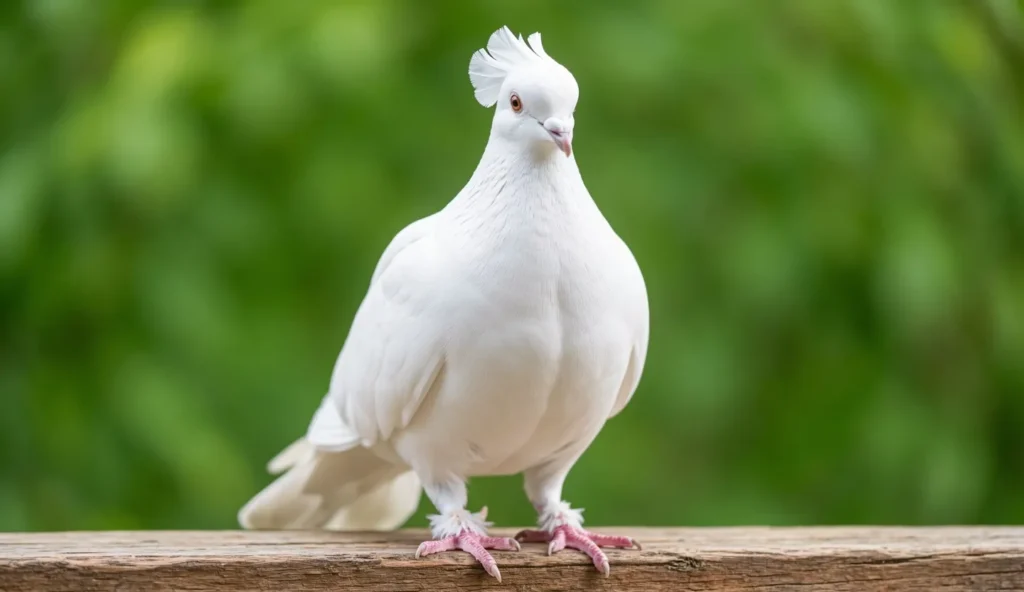
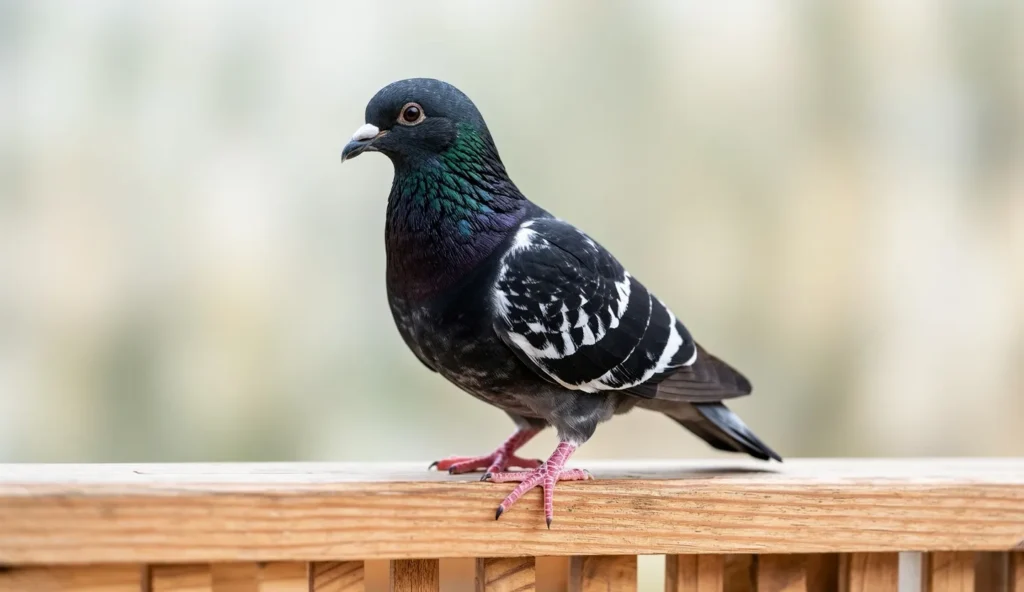
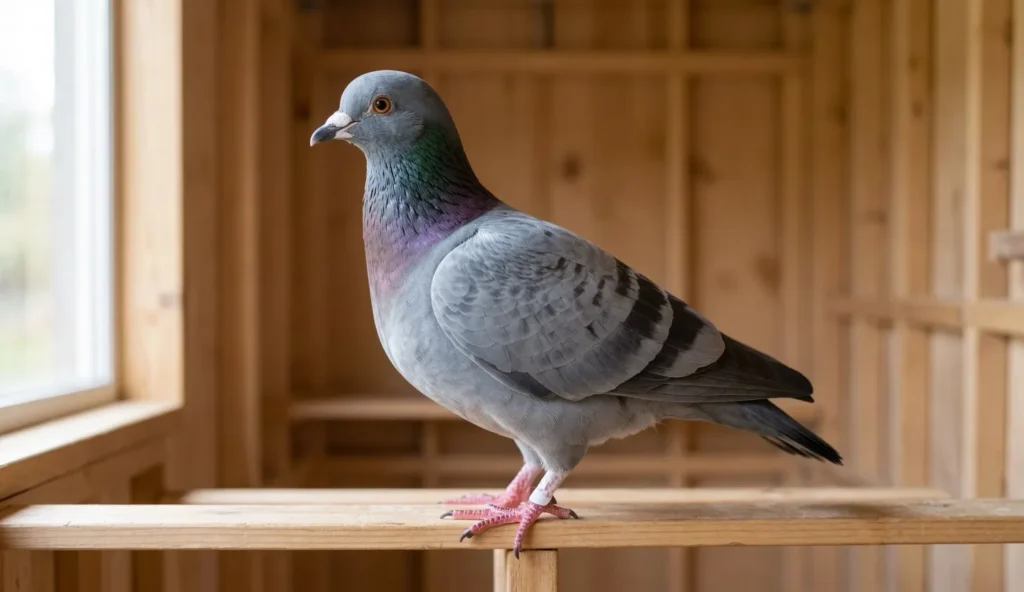
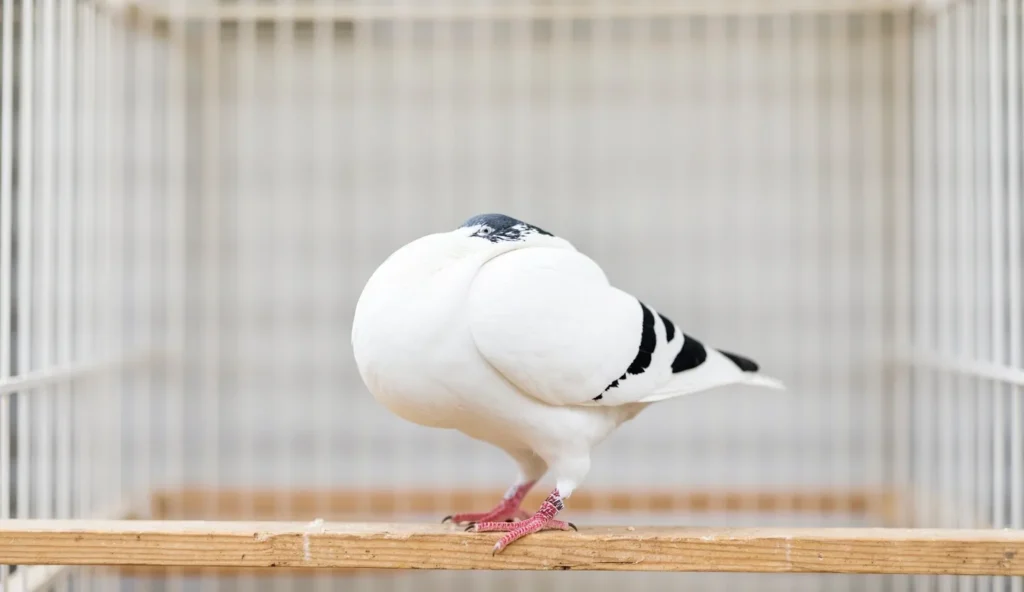
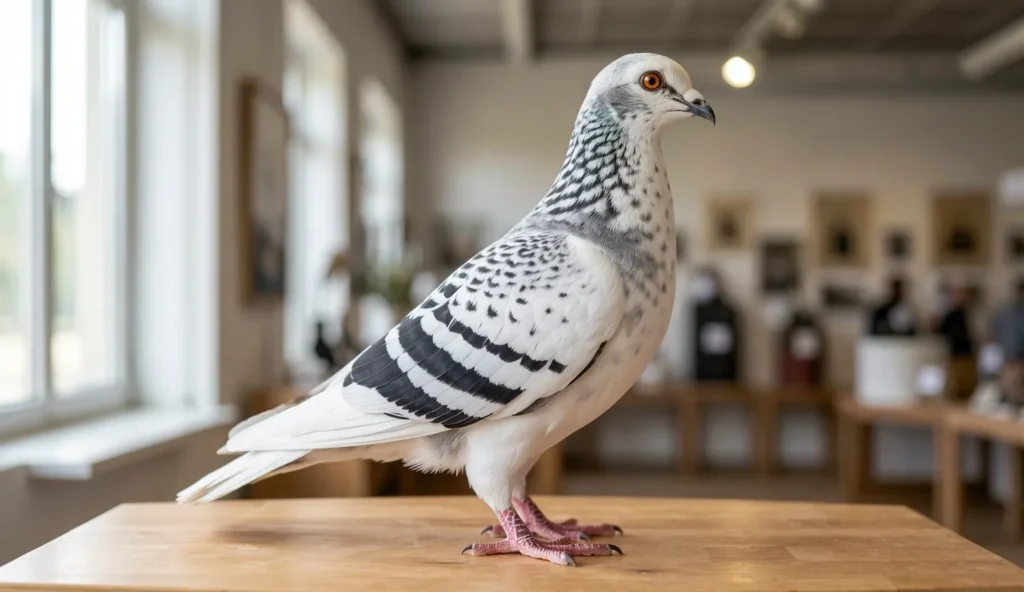
The Polish Lynx has a medium-sized frame with a proud, upright stance that signals confidence. Its most recognizable feature is the symmetrical, dark chevron or ladder-like bars on otherwise white or light grey wings. These birds display a calm and non-aggressive temperament, which makes them easy to handle during shows. The breed also maintains quiet vocalizations and forms strong bonds with its handler when socialized early.
Appearance and Physical Features
The Polish Lynx pigeon presents a refined silhouette that meets strict show standards. Judges examine every detail from body proportions to feather condition when scoring this polish pigeon breed. Understanding these physical traits helps handlers prepare birds that compete successfully in exhibitions.
Body Structure and Size
The breed has a medium build with a strong chest and a gently rounded back. Length from beak to tail is balanced, creating a harmonious outline when viewed from the side. Legs are short and feathered, adding to the compact appearance. The overall impression is one of sturdy elegance without bulkiness.
Wing Markings and Color Patterns
Base color on a Polish Lynx is white or light grey, with dark chevron bars running across the folded wings. These bars must be unbroken and evenly spaced to meet exhibition standards. Symmetry is critical — any smudging or missing feathers on the pattern lowers the score. The contrast between the light base and dark markings creates a sharp visual effect that judges favor.
Head and Beak Details
The head is small and rounded, featuring a short, well-proportioned beak. Bright orange eyes with a clear cere give the bird an alert expression. Feathering on the head is clean and smooth, without any crests or tufts. This simplicity highlights the purity of the polish lynx pigeon appearance.
Temperament and Personality
The Polish Lynx pigeon is known for its calm and composed personality, which suits the show environment well. Handlers find this breed easy to work with because it tolerates close inspection without distress. Early socialization reinforces these positive traits.
General Disposition
This breed remains calm and non-aggressive toward other pigeons in a mixed loft. It tolerates handling during shows without flapping or struggling. The Polish Lynx is not highly territorial, so it adapts well to shared aviaries. Stress responses are minimal, which helps maintain feather condition before competitions.
Social Behavior and Bonding
These birds form strong pair bonds with their mates and coo quietly throughout the day. They enjoy human interaction when handled gently from a young age. The breed is not known for noisy calls, making it suitable for residential areas. For handlers who appreciate a peaceful loft, the Polish Lynx fits perfectly alongside other show breeds like the Lahore Pigeon.
Show Qualities and Judging Standards
Show judges evaluate Polish Lynx pigeons on several criteria, including body proportions, wing pattern precision, feather quality, and movement. Meeting these standards requires careful breeding and conditioning. Handlers aiming for top placements must understand each judging element inside out.
Ideal Body Proportions
The ideal Polish Lynx has a broad chest with a slight keel curve that does not protrude excessively. The back forms a gentle slope from the neck to the base of the tail. The tail itself is held at a 45-degree angle, giving the bird a poised silhouette. Any deviation from these proportions reduces the overall score.
Wing Pattern Precision
Wing bars must be unbroken, evenly spaced, and symmetrical on both sides. Smudging, missing feathers, or irregular gaps in the pattern disqualify the bird from high ranks. Contrast between the light base color and dark bars must be sharp and clean. Breeders often cull birds with blurred markings to preserve pattern fidelity.
Feather Quality and Condition
Feathers on a Polish Lynx must be tight, clean, and free from splits or fraying. Iridescence is minimal except on neck hackles, where a slight sheen is acceptable. No signs of stress bars, discoloration, or feather damage should be visible. Judges inspect the underside of wings to ensure full feather coverage.
Movement and Pose
The breed walks with a confident, upright carriage that showcases its proud stance. When placed on a judging table, the bird stands still without excessive shifting. Wings should fold neatly against the body without drooping or gaping. A Polish Lynx that moves smoothly and holds its pose scores higher than one that fidgets.
Grooming and Conditioning for Show Birds
Proper grooming transforms a healthy Polish Lynx into a show-ready bird. Handlers follow a structured routine in the days leading up to a competition. Consistency in grooming builds the bird’s confidence and enhances its natural shine.
Bathing and Feather Care
Bathe Polish Lynx pigeons two to three days before a show using lukewarm water and a mild pigeon shampoo. Rinse thoroughly to remove all soap residue, then dry the bird in a warm, draft-free area. A clean bird presents better and avoids dust particles that can dull the feather surface. Avoid bathing on the day of the show to prevent damp feathers.
Feather Trimming and Shaping
Trim stray feather tips around the vent and any odd feathers that disrupt the smooth body line. Never cut the wing pattern feathers, as this permanently alters the markings. Use blunt scissors for safety and work in good lighting. Trimming should be minimal — only to neaten the bird’s outline.
Leg and Foot Care
Clean legs with a damp cloth to remove dried droppings or dirt. Apply a tiny amount of coconut oil to the scales to keep them supple and shiny. Inspect the feet for signs of bumblefoot, scabs, or swelling. Healthy feet are essential for a bird that stands securely on the judging table.
Conditioning for Show Day
Reduce handling stress at least 24 hours before the competition. Offer extra protein-rich treats such as boiled egg or mealworms to maintain feather shine. Provide a clean travel crate with adequate ventilation and a soft floor to prevent feather abrasion. A calm bird performs better in the ring.
Diet and Nutrition for Show Birds
A balanced diet supports feather quality, energy levels, and overall health in Polish Lynx pigeons. Show handlers adjust feeding regimens during competition season to optimize condition. The right mix of grains, supplements, and hydration keeps birds at their peak.
Base Grain Mix
The base mix includes wheat, corn, barley, and peas for balanced carbohydrates and protein. Add safflower and hemp seeds to provide essential fatty acids that improve feather luster. Avoid excessive sunflower seeds because they are high in fat and can cause weight gain. Feed twice daily in controlled portions.
Supplements for Feather Shine
Add a small amount of flaxseed or fish oil to the diet two weeks before a show. Crushed eggshell provides calcium for strong bones and egg production in breeding pairs. Use a vitamin-mineral powder twice per week to fill any nutritional gaps. These supplements create visible shine on the feathers.
Hydration and Grit
Provide fresh water daily and change it twice during hot weather to prevent bacterial growth. Offer insoluble grit in a separate dish to aid digestion of whole grains. Clean water dishes prevent droppings contamination and reduce disease risk. Hydration directly affects feather pliability and overall vitality.
Common Health Issues in Polish Lynx Pigeons
Like all pigeon breeds, the Polish Lynx is susceptible to certain health problems. Recognizing symptoms early helps handlers treat issues before they affect show performance. Preventive care minimizes outbreaks in the loft.
Respiratory Infections
Symptoms include sneezing, nasal discharge, and wet eyes. These infections often arise from drafts or poor ventilation in the loft. Treat with vet-prescribed antibiotics and improve airflow. Isolate affected birds to prevent spreading to the flock.
Feather Lice and Mites
Small crawling insects visible at the base of feathers cause feather damage and restlessness. Birds may scratch excessively or show broken shafts. Prevent infestations with regular dust baths and loctite powder. Inspect the flock weekly during show season to catch problems early.
Bumblefoot
Swollen foot pads with scabs or abscesses characterize this bacterial infection. Rough perches or obesity often trigger the condition. Clean the foot with antiseptic and apply a protective bandage. Severe cases require veterinary intervention to drain abscesses and prescribe antibiotics.
Is the Polish Lynx Pigeon Right for You
This breed suits show handlers who value calm birds with striking appearance. Owners should have time for regular grooming and conditioning routines. Space requirements are moderate, making the Polish Lynx accessible for hobbyists and serious competitors alike.
Ideal Owner Profile
Handlers who enjoy working with docile breeds and competing for top placements will appreciate the Polish Lynx. Breeders focused on preserving sharp wing patterns find this breed rewarding. Those new to show pigeons can start with the Polish Lynx because its temperament tolerates handling errors. For a similar calm option, consider the Old German Owl breed.
Space and Time Requirements
Each pair requires a clean, dry loft with three to four square feet of space. Daily feeding, watering, and observation take about 20 minutes. Weekly grooming sessions during show season last one to two hours. Handlers must commit to consistent care, especially before competitions.
Frequently Asked Questions
What makes the Polish Lynx pigeon unique in show competitions?
Its symmetrical wing markings and calm demeanor are highly valued by judges, and the clean white base combined with precise bar pattern creates a standout appearance.
How do I prepare a Polish Lynx pigeon for a show?
Bathe the bird two to three days before, trim stray feathers, and provide a stress-free environment with protein-rich feed to maintain feather shine.
What is the typical lifespan of a Polish Lynx pigeon?
With proper care, they live between 10 and 15 years, and regular health checks along with a clean loft extend longevity.
Are Polish Lynx pigeons easy to handle for beginners?
Yes, their calm temperament makes them suitable for new show handlers, and they respond well to consistent gentle handling from a young age.
What common health problems should I watch for in Polish Lynx pigeons?
Respiratory infections, feather lice, and bumblefoot are the most frequent issues, and early signs include sneezing, feather damage, or foot swelling.
What diet is best for maintaining show condition in Polish Lynx pigeons?
A balanced grain mix with added flaxseed or fish oil for feather shine, plus calcium and vitamin supplements, supports peak condition during show season.
Final Note
Polish Lynx pigeons offer show handlers a unique combination of striking appearance and gentle personality. With dedicated grooming and proper care, this breed can achieve top placements in competitions and bring lasting satisfaction to its owner.