What Is a Belted Galloway
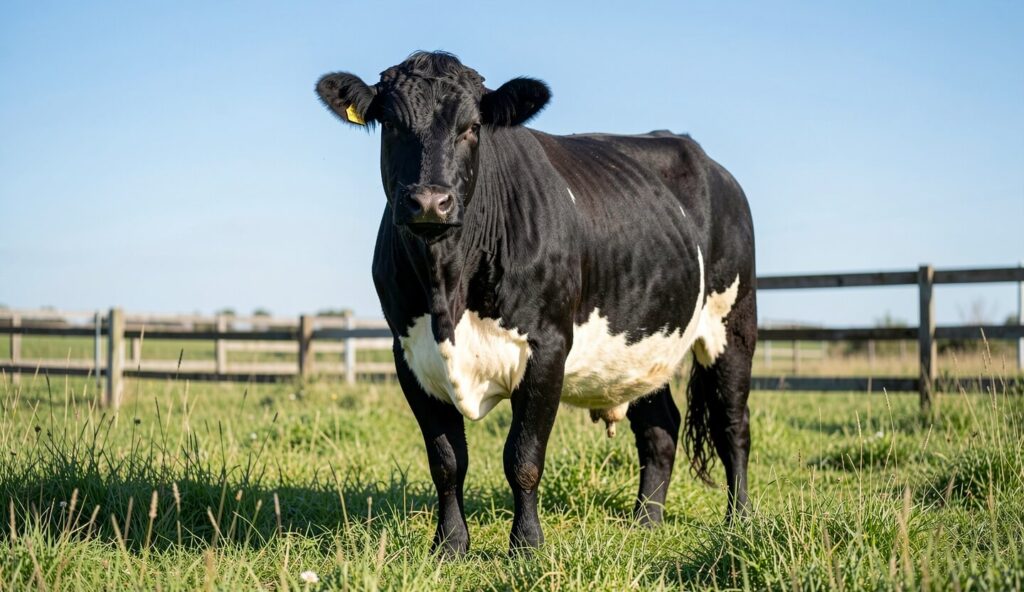
The Belted Galloway is a distinctive cattle breed known for its striking black body and wide white band around the midsection. This hardy beef breed originates from southwestern Scotland and is derived from the ancient Galloway cattle. The pattern that gives these animals their nickname, the Oreo cow, makes them one of the most visually recognizable breeds in the world.
Origins of the Breed
The Belted Galloway was developed in the rugged hill country of southwestern Scotland. The original Galloway cattle were already known for their hardiness and ability to thrive in harsh climates. The belted pattern emerged naturally centuries ago, and breeders preserved it as a consistent trait.
These cattle are considered a rare breed today, with conservation efforts protecting their genetic diversity. Unlike some other rare breeds, the Belted Galloway has a dedicated following among hobby farmers and agritourism operators.
Why They Are Called Oreo Cows
The nickname “Oreo cow” comes from the breed’s visual similarity to the classic sandwich cookie. A solid black body with a white belt around the midsection creates a striking contrast. Children and adults alike recognize the resemblance, making this breed a favorite for petting zoos and educational farms.
The term “beloved cow” often appears in marketing materials for farms that keep these animals. The white band is usually 8 to 12 inches wide and encircles the torso completely. This pattern is dominant in inheritance, so calves almost always inherit the belt if one parent carries the gene.
Appearance and Physical Features
The Belted Galloway is a medium-sized beef breed with a thick, double coat that provides excellent cold tolerance. Their conformation is sturdy and well-muscled, suited for both meat production and ornamental purposes. The most recognizable feature is the white belt, but other physical traits also deserve attention.
The Iconic White Belt
The white band encircles the body between the shoulders and the hips. On most animals, the belt is sharply defined against the black or dun body color. Occasionally, the belt may have slightly irregular edges, but overall it remains one of the breed’s most consistent characteristics.
The belted pattern is not unique to this breed, but it is highly concentrated in Belted Galloway genetics. Breeders select for a clean, uninterrupted band. The pattern is considered a dominant trait, so crossing a Belted Galloway with another breed often produces offspring with some degree of belting.
Size and Build
Mature cows typically weigh 900 to 1,200 pounds, while bulls reach 1,500 to 1,800 pounds. They have a broad back, deep chest, and strong legs. Their thick double coat consists of a coarse outer layer and a soft, insulating undercoat.
This coat makes them exceptionally cold-hardy, which is a major advantage for farmers in northern climates. The breed also has a docile expression, with a wide forehead and calm eyes. Their moderate size makes them easier to handle than larger beef breeds like the Hereford Cattle or the Brown Swiss Cow.
Temperament and Personality
The Belted Galloway is widely praised for its gentle nature. These cattle are calm, easy to handle, and rarely aggressive toward humans or other animals. For hobby farmers and petting zoo operators, this temperament is a major selling point.
Docile and Gentle Nature
Belted Galloways are among the most docile cattle breeds available. They tolerate close interaction with people, including children, without showing signs of stress. Many owners describe them as friendly and curious, especially when raised with regular handling from calfhood.
This breed works well in mixed-species settings. They share pasture peacefully with goats, sheep, and even horses. The calm demeanor reduces the risk of injury during veterinary procedures or routine hoof trimming.
Intelligence and Curiosity
These cattle are alert and responsive to their handlers. They learn feeding routines quickly and often approach the gate when they see the farmer coming. They enjoy enrichment activities such as scratching posts or hay bales placed in the pasture.
Positive reinforcement during handling builds trust and makes training easier. They are not as demanding as the Beefalo breed in terms of space, but they still appreciate a routine and predictable environment.
Exercise Requirements
Belted Galloways are naturally active grazers. They do not require intense exercise programs, but they do need adequate pasture to roam and forage. A well-managed grazing system keeps them healthy and occupied.
Grazing and Pasture Space
Each cow needs at least 1 to 2 acres of pasture for grazing. They thrive on grass as their primary forage, though they will also accept hay during winter months. Rotational grazing helps maintain pasture quality and reduces parasite loads.
Shelter from extreme sun or wind is necessary, especially in hot climates where the white belt can be prone to sunburn. A simple three-sided shed or a grove of trees provides adequate protection.
Activity and Enrichment
These cattle spend most of their day walking and grazing. No special exercise beyond free-range pasture is needed. Enrichment items such as sturdy logs, scratching brushes, or large boulders encourage natural behaviors and prevent boredom.
Jersey Cow owners often note similar low exercise requirements, but the Belted Galloway’s hardiness makes it more adaptable to rugged terrain.
Training and Handling
Basic training helps make daily management safer and more pleasant. Belted Galloways respond well to calm, consistent handling. Training should start when animals are young to build a foundation of trust.
Halter Training
Begin halter training with young calves around 2 to 4 months of age. Use small amounts of grain or other treats as positive reinforcement. Keep sessions short, lasting 5 to 10 minutes, and repeat daily until the animal leads willingly.
Older cattle can also be trained but require more patience. A well-halter-trained Belted Galloway is easy to move for vet checks, hoof trimming, or transport.
Public Interaction for Petting Farms
If the animals will be used in petting zoos or educational programs, they need desensitization to crowds, noise, and handling. Start by exposing them to calm visitors and gradually increase group size. Teach them to stand still for petting and avoid sudden movements.
Always supervise children around any livestock. The breed’s docile nature makes it a safe choice, but accidents can happen with any large animal.
Grooming and Care Tips
Routine grooming keeps the coat healthy and allows early detection of skin issues. Hoof care and vaccinations are also essential components of responsible ownership.
Coat Maintenance
The double coat sheds in spring. Brush weekly during shedding season to remove loose hair and reduce the amount of hair left in the pasture. Bathing is rarely necessary, but if needed, use a mild livestock shampoo.
The white belt can show dirt more easily than the dark body. Spot cleaning with a damp cloth is sufficient for show animals or petting zoo displays. Fly control sprays help reduce irritation during summer months.
Hoof Care
Trim hooves every 3 to 4 months to prevent overgrowth and cracking. Check feet when the animal is standing still. If the hooves curl upward or show uneven wear, schedule a trim sooner.
Pasture kept on firm ground helps wear hooves naturally. Rocky terrain and concrete feed pads also assist with hoof maintenance. Regular inspection prevents lameness and infection.
Vaccinations and Health Checks
Follow a vaccination schedule recommended by a local veterinarian. Core vaccines for clostridial diseases such as blackleg and tetanus are standard. Annual fecal testing for internal parasites guides deworming decisions.
Keep detailed health records for each animal. This helps track vaccinations, deworming dates, and any health problems over the animal’s lifetime.
Diet and Nutrition
Belted Galloways are efficient grazers that thrive on forage-based diets. Proper nutrition supports their growth, reproduction, and overall health. Adjust feeding according to the season and the animal’s body condition.
Forage Recommendations
High-quality pasture or grass hay forms the foundation of the diet. During winter or drought, supplement with grain at a rate of about 0.5% of body weight per day. Provide a free-choice salt and mineral block formulated for beef cattle.
Good forage reduces the risk of digestive upset. The Galloway breed is known for its ability to utilize poor-quality pasture better than many other breeds, making it a cost-effective choice for marginal land.
Water and Seasonal Adjustments
Clean, fresh water must be available at all times. In winter, heated waterers or frequent breaking of ice may be necessary. Increase hay rations during cold months to help maintain body heat and body condition.
Monitor body condition score monthly. A score of 5 to 6 out of 9 is ideal for most adult cows. Adjust feed accordingly to prevent obesity or weight loss.
Common Health Issues
While generally hardy, Belted Galloways can face some health problems. Most are manageable with good husbandry practices and regular veterinary care.
Parasites and Skin Conditions
Internal parasites require routine deworming based on fecal egg counts. External parasites such as flies, lice, and mites can cause skin irritation and hair loss. Fly tags, sprays, and good sanitation reduce infestations.
The white belt area is prone to sunburn in hot climates because the skin underneath lacks pigmentation. Provide shade and consider applying livestock-safe sunscreen to exposed skin during peak sun hours.
Bloat and Digestive Upsets
Sudden diet changes, especially from dry hay to lush spring grass, can cause bloat. Offer roughage such as hay before turning animals onto lush pasture. Watch for signs of bloat including a distended left flank and labored breathing.
Maintain a consistent feeding schedule and avoid overfeeding grain. If bloat occurs, contact a veterinarian immediately. Most cases can be treated if caught early.
Is a Belted Galloway Right for You
This breed suits a wide variety of farm situations, from small hobby farms to agritourism operations. Understanding both the benefits and the commitments helps potential owners make an informed decision.
Suitable for Small Hobby Farms
Belted Galloways are low-maintenance, hardy, and thrive on grass-based systems. Their docile nature makes them ideal for families and beginners. They also serve as excellent conversation starters for farm stays or educational tours, drawing visitors who want to see the Oreo cow in person.
Considerations Before Buying
Adequate fencing is essential, as any cattle breed can test boundaries. Barbed wire or woven wire fencing with at least two strands works well. Provide a sturdy shelter for protection from extreme weather.
Because the breed is rare, finding registered stock may require patience and travel. Prices tend to be higher than for common beef breeds. Also consider the long lifespan of 15 to 20 years — ownership is a long-term commitment.
Frequently Asked Questions
What is a Belted Galloway cow?
A Belted Galloway cow is a breed of beef cattle with a distinctive white band around its middle, originating from Scotland and known for its hardiness and docile temperament.
Are Belted Galloway cows rare?
Yes, they are considered a rare breed, and conservation efforts exist to preserve the breed’s genetic diversity.
How much land does a Belted Galloway need?
At least 1 to 2 acres per cow for grazing, with additional pasture needed if keeping multiple animals.
Do Belted Galloway cows make good pets?
Yes, they are calm and friendly, and often used in petting zoos and for educational programs.
What is the lifespan of a Belted Galloway?
Typically 15 to 20 years; proper care and nutrition can extend longevity.
Can Belted Galloway cows live in cold climates?
Yes, they have a thick double coat that provides excellent cold tolerance, and they thrive in cool, wet conditions.
Final Note
The Belted Galloway is a beautiful, practical breed that brings both visual appeal and reliable temperament to any farm. With proper care, these cattle will reward their owners with years of enjoyable, low-stress companionship.