What Is a Dexter
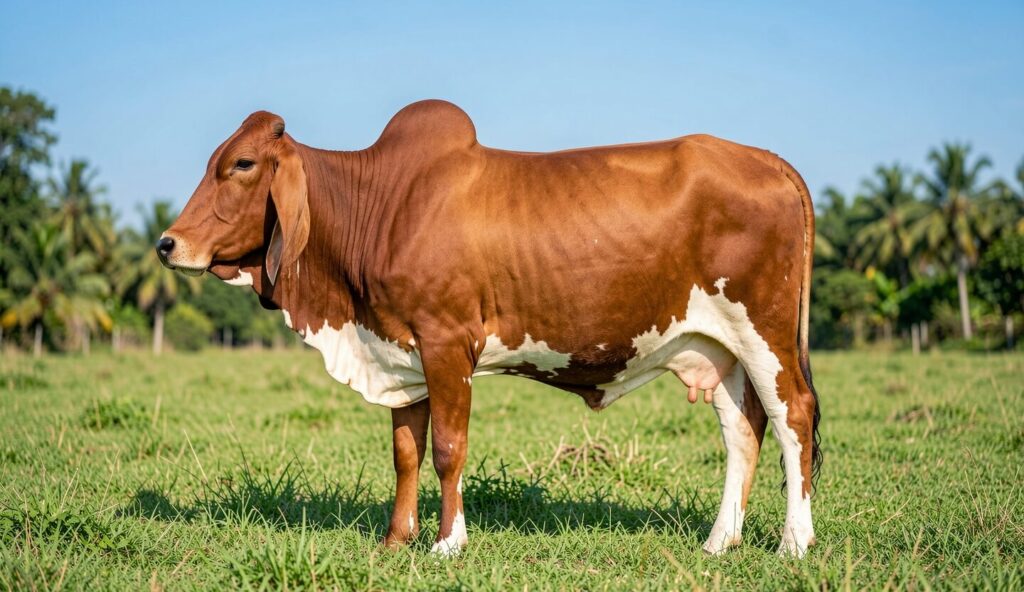
Dexter cattle are one of the smallest cattle breeds in the world, originating from the rugged hills of southwestern Ireland. This Irish breed was developed as a dual-purpose animal, valued for both milk and beef production on small farms. Their compact size makes them an excellent choice for homesteaders and pet owners seeking a manageable bovine companion.
The breed’s history traces back to the early 1800s, where they were prized by Irish farmers for their hardiness and efficiency. Today, Dexter cattle remain a favorite among those who want a productive yet gentle pet cow. They stand out as a true miniature cattle breed, requiring less space and feed than standard cows.
Appearance and Physical Features
Size and Weight
Dexter cattle typically stand 36 to 44 inches at the shoulder. Mature cows weigh between 600 and 700 pounds, while bulls can reach 800 to 900 pounds. This places them firmly among the most compact cattle breeds available for small farm settings.
Their small stature reduces pasture damage and makes handling easier for people of any experience level. Despite their size, Dexters are sturdy and well-muscled, with a deep chest and short legs.
Coat Colors and Patterns
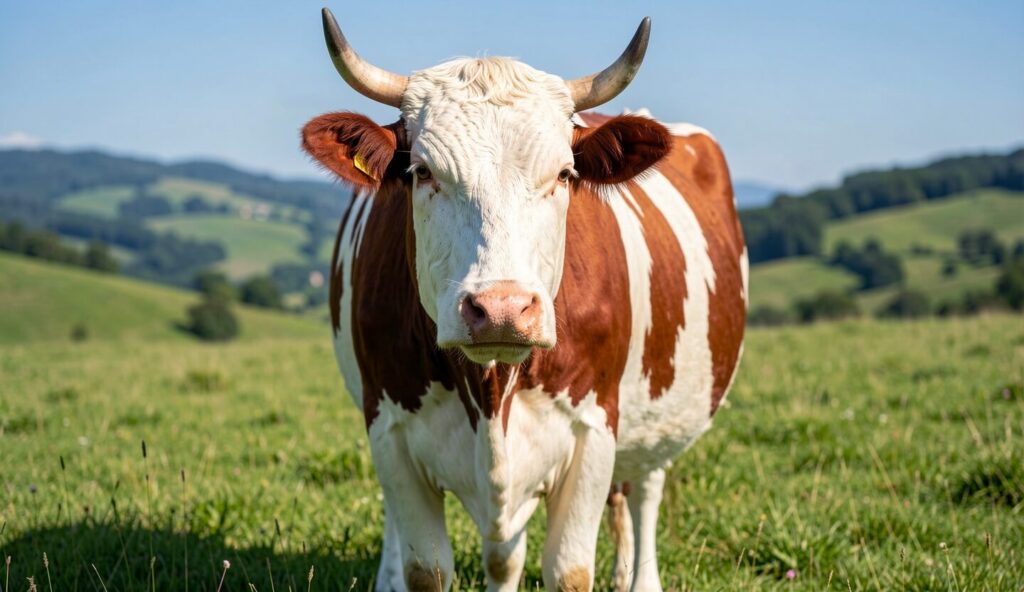
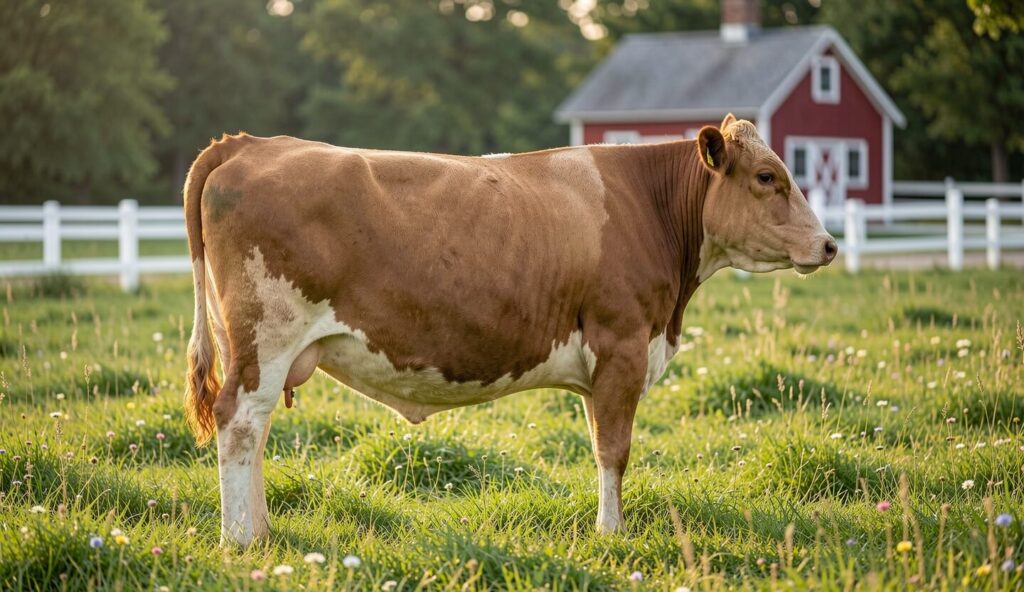
The breed comes in three recognized colors: solid black, red, and dun. Black is the most common, but red and dun are equally accepted in breed standards. Some individuals display small white markings on the udder or belly, though excessive white is discouraged.
Coat quality is dense and thick, providing insulation during cold winters. This adaptation reflects their Irish heritage, where harsh weather is common.
Temperament and Personality
Behavior Around Humans
Dexter cattle are known for their docile and calm disposition. With proper handling from a young age, they become gentle companions that form strong bonds with owners. This makes them an ideal pet cow for families with children.
Their intelligence and curiosity add to their charm. Many owners report that Dexters learn routines quickly and enjoy human interaction without becoming pushy or aggressive.
Interaction with Other Animals
These cattle get along well with other livestock, including horses, sheep, and goats. Their non-aggressive temperament reduces the risk of conflict in mixed-species pastures. For example, a Dexter can share a field with a Pygmy Goat without trouble.
This sociable nature makes them a good fit for small farms where multiple animal species co-exist. As with any animal, proper introductions and adequate space are still necessary.
Housing and Space Requirements
Pasture Needs
A single Dexter requires at least one acre of good-quality pasture for grazing. Rotational grazing is recommended to maintain grass health and prevent overgrazing. Their smaller size means they need less forage than standard cattle, but quality matters.
Good forage availability throughout the growing season reduces the need for supplemental hay. In winter or drought, plan to provide high-quality grass hay.
Shelter and Fencing
Provide a three-sided shelter with dry bedding to protect from rain, snow, and wind. Sturdy fencing is essential; 4 to 5 feet high using woven wire or electric tape works well. Dexters are not known for jumping, but they can push through weak fences.
Regular fence checks prevent escapes and keep the animals safe. A secure pen near the barn also helps during veterinary checks or breeding management.
Diet and Nutrition
Forage and Hay
The primary diet for Dexter cattle should be high-quality grass hay or pasture. They thrive on a forage-based diet, which supports their dual-purpose milk and meat production. Avoid excessive legumes like alfalfa for non-lactating cows, as it can cause bloat.
During peak lactation, a cow may need additional energy, but for dry cows, good pasture alone often suffices. Monitor body condition to adjust feed accordingly.
Supplements
Provide a free-choice mineral block formulated for cattle, along with salt and trace minerals. Grain supplements are generally not needed except for lactating or pregnant cows. Overfeeding grain can lead to obesity and metabolic issues.
Fresh, clean water must always be available. A single adult cow drinks 10 to 20 gallons per day, depending on temperature and activity.
Health and Common Issues
Preventive Care
Routine vaccinations against clostridial diseases are essential. Regular deworming every 6 to 8 weeks, following fecal testing, helps control internal parasites. Hoof trimming every 6 to 8 weeks prevents overgrowth and lameness.
Annual veterinary check-ups ensure overall health. Dental exams are also important, as older cows may develop worn teeth that interfere with grazing.
Common Ailments
Bloat can occur when cattle consume too much rich legume forage. Mastitis is a concern for dairy cows; watch for swollen or hot udders. Joint issues and arthritis sometimes affect older animals, especially if they are overweight.
With good care, Dexter cattle enjoy a lifespan of 15 to 20 years. Some individuals live into their mid-20s, outliving many other cattle breeds.
Is a Dexter Right for You
Owner Considerations
Before acquiring Dexter cattle, assess your available space, time, and budget. They need daily care, including feeding, watering, and health monitoring. Even though they are miniature cattle, they still require commitment.
If you have a small farm or homestead and want a gentle, productive animal, the Dexter fits well. Their dual-purpose nature means you get both milk and meat from a single breed. For those new to cattle, this Irish breed is forgiving and easy to handle.
Compare similar compact animals: the Jersey Cow is another dairy option but larger, while the Mini Lab Dog Breed is a companion animal with far different care. If your goal is a pet cow, the Dexter stands out.
Final Note
Closing Thoughts
Dexter cattle bring many rewards to small farms and families. Their manageable size, friendly personality, and productive capabilities make them a top choice for anyone seeking a miniature cattle breed. With proper care, they will provide years of companionship and utility.
Enjoy the journey of raising these remarkable animals. They will likely become a treasured part of your homestead.
Frequently Asked Questions
How big do Dexter cattle get?
They stand 36 to 44 inches at the shoulder and weigh between 600 and 800 pounds, making them one of the smallest cattle breeds.
What is the lifespan of a Dexter cow?
The average lifespan is 15 to 20 years, with some living into their mid-20s when given good care.
Are Dexter cattle good for beginners?
Yes, their docile temperament and manageable size make them suitable for beginners who have standard livestock knowledge.
How much milk does a Dexter cow produce?
A Dexter cow produces 2 to 4 gallons of milk per day during peak lactation, with a butterfat content around 4 to 5 percent.
What colors do Dexter cattle come in?
The breed comes in black, red, and dun. White markings on the udder or belly are possible but not preferred in show animals.
Can Dexter cattle be kept as pets?
Yes, they are gentle, affectionate, and form strong bonds with owners, making them excellent pet cows for small properties.