What Is Dwarf Lulu Cattle
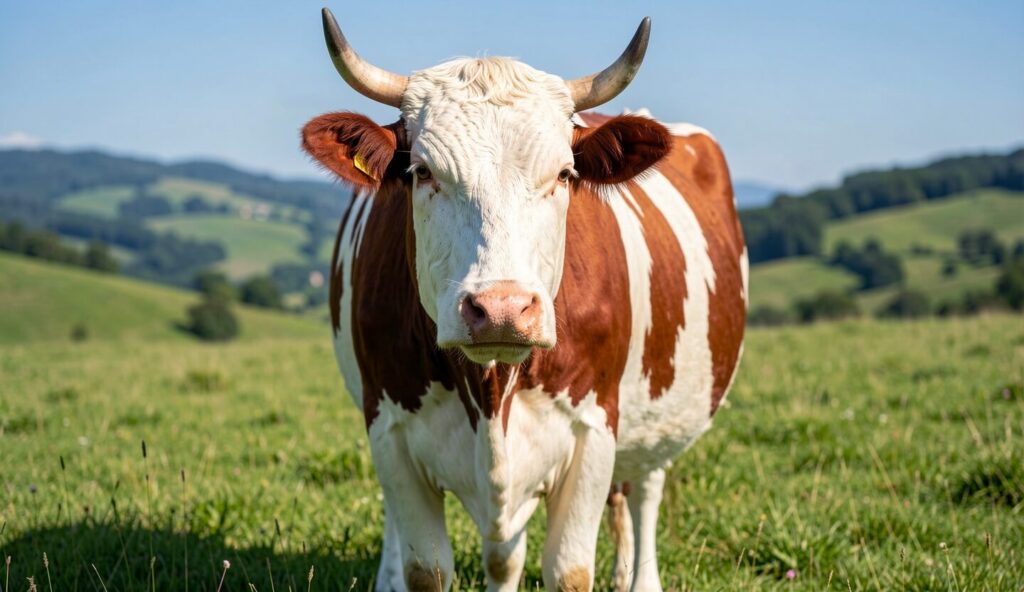
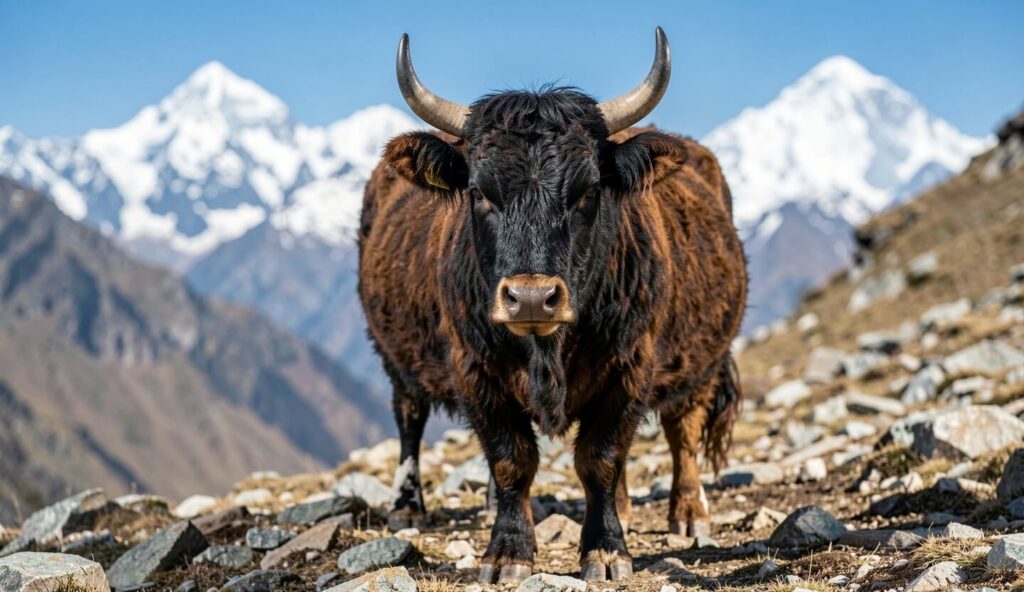
Dwarf Lulu cattle are a rare and hardy breed native to the high-altitude regions of Nepal. These miniature cattle carry yak bloodlines, giving them exceptional cold tolerance and a compact build. Their small size and gentle nature make them an ideal choice for smallholdings and rare breed enthusiasts.
Origin and History of Dwarf Lulu Cattle
This breed originates from the Lulu village area in the Himalayan foothills of Nepal. Farmers developed it through centuries of natural crossbreeding between domestic cattle and the wild yak. The result is a resilient animal that thrives where conventional cattle struggle.
Dwarf Lulu cattle have been a vital resource for local communities, providing milk, meat, and draft power in harsh environments. Their genetic heritage places them among the most fascinating rare cattle breeds in the world. The breed is now recognized as a living genetic resource for high-altitude agriculture.
Dwarf Lulu Cattle Yak Heritage
Genetic studies confirm a significant yak contribution to the Dwarf Lulu gene pool. This hybridisation endows them with remarkable cold tolerance, a thick double coat, and a sturdy frame. These traits make them perfectly adapted to the extreme conditions of the Nepalese mountains.
The yak ancestry also influences their behavior and dietary preferences. They are efficient foragers on sparse mountain vegetation and require less supplemental feed than standard cattle. Such adaptations place them alongside other resilient breeds like the Brahman Cow, which is known for heat tolerance in contrasting climates.
Appearance and Physical Features
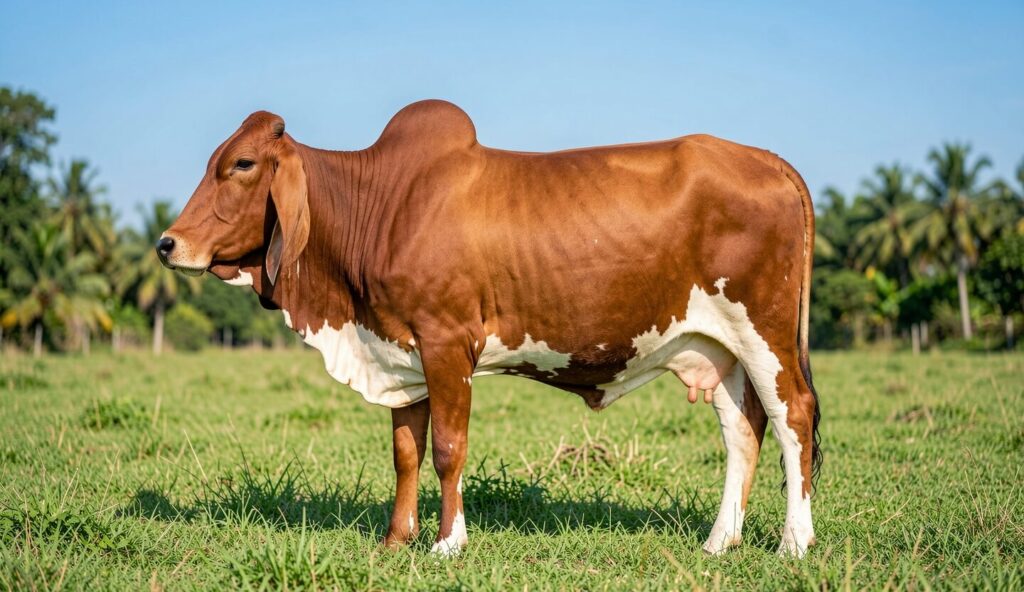
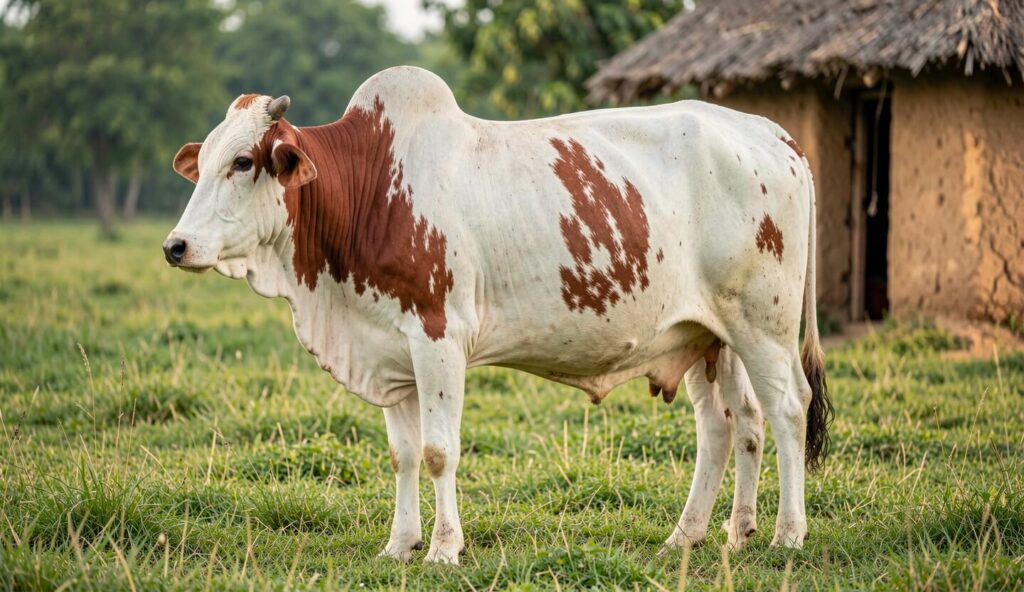
Dwarf Lulu cattle are true miniature cattle, standing only 90–110 cm at the shoulder. Their compact, muscular body rests on short legs with a broad chest. Adults typically weigh between 150 and 250 kg, making them easy to handle and feed.
Size and Build of Dwarf Lulu Cattle
The small stature of these cattle reduces grazing pressure on fragile high-altitude pastures. Their deep chest and strong bones support efficient breathing at high elevations. This build is a direct result of their yak hybrid origins.
Coat Colors and Patterns
Common coat colors include black, brown, and grey, often with a lighter underbelly. They possess a thick double coat that insulates against bitter cold and snow. Some individuals display a dorsal stripe or facial markings reminiscent of their yak ancestors.
- Black or dark brown base color
- Lighter shading on the belly and inner legs
- Occasional white patches on the face or tail switch
Distinctive Physical Traits
Both sexes carry short, curved horns that point outward and upward. Large, expressive eyes sit above a relatively short muzzle. A thick tail with a bushy switch, similar to yaks, helps them swat insects and keep warm.
Temperament and Personality
Dwarf Lulu cattle are generally calm and gentle creatures. When raised with regular human contact from calfhood, they become trusting and cooperative. Males may show protective instincts, but overall temperament remains manageable.
Are Dwarf Lulu Cattle Docile
Yes, they are docile by nature, though some individuals can be shy around strangers initially. Patience and consistent handling build confidence. Their calm demeanor makes them suitable for novice owners and families.
Social Behavior and Herd Dynamics
These cattle form strong bonds with herd members and prefer to live in small groups. They are compatible with other livestock, such as goats or sheep. Isolation causes stress, so at least two animals should be kept together.
Exercise Requirements
Dwarf Lulu cattle need access to pasture or a large paddock for daily movement. They are natural foragers and will browse on rough vegetation and shrubs. Moderate exercise helps maintain muscle tone and digestive health.
Daily Activity Needs for Dwarf Lulu Cattle
A minimum of one acre per pair is recommended for grazing. They will roam several kilometers daily if given the opportunity. Fencing should be sturdy, as they are agile climbers in mountainous terrain.
Training and Handling Tips
Training young calves with positive reinforcement yields the best results. Use treats and gentle encouragement to build trust. Halter training is possible for routine handling and veterinary care.
How to Train Dwarf Lulu Cattle
Start training at two to three months of age. Keep sessions short, no more than ten minutes, and repeat daily. Avoid forceful methods, as these cattle remember negative experiences.
- Use food rewards such as apple slices or grain
- Practice leading in a quiet, enclosed area first
- Gradually introduce a halter and lead rope
Grooming and Care Tips
The thick coat of Dwarf Lulu cattle requires weekly brushing during shedding seasons. This removes loose hair and prevents matting. Check for parasites such as ticks, especially in warmer months.
Coat Grooming for Dwarf Lulu Cattle
Use a stiff brush or curry comb to work through the dense fur. Pay extra attention behind the ears and along the belly. Bathing is rarely needed; the coat stays clean in dry conditions.
Hoof Care and Health Checks
Trim hooves every six to eight weeks to prevent overgrowth and lameness. Inspect ears, eyes, and udder regularly for signs of infection. Keep living areas dry and clean to avoid skin issues.
Diet and Nutrition
Dwarf Lulu cattle are primarily grazers, thriving on grass and hay. Supplement with high-quality hay or silage in winter when pasture is scarce. Provide a mineral lick formulated for cattle to avoid deficiencies.
What Do Dwarf Lulu Cattle Eat
Their diet mimics that of yaks, including coarse grasses, browse, and forbs. They can digest low-quality forage better than standard cattle. Fresh water must be available at all times, even in freezing conditions.
Feeding Schedule and Portions
Adult cattle need 2–3% of body weight in dry matter daily. Divide feed into two meals if pasture is limited. Overfeeding can lead to obesity, so monitor body condition scores.
| Feed Type | Daily Amount per Adult (150–250 kg) | Notes |
|---|---|---|
| Pasture grass | 4–6 kg dry matter | Adjust based on quality |
| Hay or silage | 2–4 kg | Offer in winter only |
| Mineral lick | Free choice | Ensure constant access |
Common Health Issues
Dwarf Lulu cattle are generally hardy, but they can suffer from internal parasites without regular deworming. Respiratory infections may occur in damp, poorly ventilated shelters. Joint issues, like arthritis, can develop in older animals due to their compact build.
Health Concerns for Dwarf Lulu Cattle
Watch for signs of lameness, coughing, or weight loss. Keep a regular deworming schedule based on local vet recommendations. Provide dry bedding to prevent hoof rot and pneumonia.
Vaccination and Veterinary Care
Follow local vaccination schedules for clostridial diseases, blackleg, and anthrax. Annual vet check-ups help catch problems early. Keep detailed records of all treatments and vaccinations.
Breeders often compare the hardiness of Dwarf Lulu cattle to other resilient livestock, such as the Dajal Cow, which also thrives in challenging environments. Similarly, the Sahiwal Cow is known for heat tolerance, while Dwarf Lulu cattle excel in cold.
Is Dwarf Lulu Cattle Right for You
This breed suits smallholders, rare breed collectors, and conservation-minded farmers. Their small size lowers feed costs and simplifies handling. They are especially valuable for high-altitude regions where standard cattle fail.
Pros of Keeping Dwarf Lulu Cattle
- Excellent cold tolerance, ideal for northern climates
- Low feed requirements due to small size
- Rare breed status appeals to conservationists
- Rich, fatty milk similar to yak milk
Challenges to Consider
- Limited availability outside Nepal; sourcing can be difficult
- Require pasture or large paddock; not for confinement
- May need special veterinary knowledge for yak hybrids
Those interested in unique livestock should also explore other Himalayan-adapted breeds like the Toda Buffalo, which shares a similar cultural and genetic significance. Additionally, smallholders may appreciate the rarest goat breeds in the world for their compact size and utility.
Frequently Asked Questions
Are Dwarf Lulu cattle good for small farms?
Yes, their small size and low feed requirements make them ideal for smallholdings. They thrive on rough pasture and need less space than standard cattle.
How long do Dwarf Lulu cattle live?
With proper care, they typically live 15 to 20 years. Good nutrition and regular veterinary care can extend lifespan.
Can Dwarf Lulu cattle be milked?
Yes, cows produce a rich, fatty milk similar to yak milk. Milk yield is modest, suitable for household use rather than commercial production.
What is the difference between Dwarf Lulu cattle and yaks?
Dwarf Lulu cattle are a hybrid with domestic cattle, smaller and more docile than wild yaks. They have a thicker coat than cattle but less extreme than pure yaks.
Where can I buy Dwarf Lulu cattle?
They are primarily found in Nepal, but some conservation farms export. Contact local rare breed associations or high-altitude livestock networks.
Do Dwarf Lulu cattle need special shelter in winter?
They are extremely cold-hardy but benefit from a three-sided shelter for wind protection. Avoid overcrowding and ensure dry bedding to prevent frostbite.
Final Note
Dwarf Lulu cattle offer a unique opportunity to own a piece of Himalayan livestock heritage. With proper care, these rare animals can thrive on small farms and contribute to breed conservation efforts.