What Is a Murciana Goat
What Is a Murciana Goat
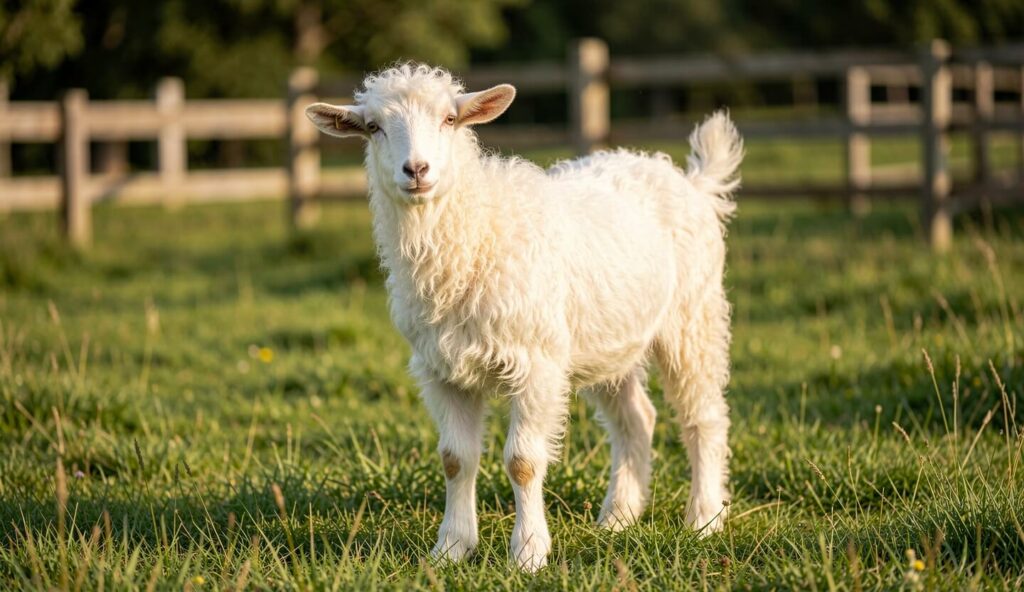
The Murciana Goat is a Spanish dairy breed that originated in the Murcia region of southeastern Spain. This breed developed from local Mediterranean goats and was formally recognized in the early 20th century. It stands out for its high milk production and calm temperament.
Farmers across Europe and other Mediterranean climates value the Murciana Goat for its adaptability and solid milk yield. This Spanish dairy goat thrives in warm, dry conditions and produces rich milk ideal for cheese making. Many dairy goat keepers choose this breed for its low-maintenance nature.
Murciana Goat Appearance and Physical Features
Size and Weight
Does typically weigh between 45 and 55 kilograms. Bucks are larger, reaching 65 to 80 kilograms. Height at the withers ranges from 70 to 80 centimeters for both sexes.
Coat Color and Texture
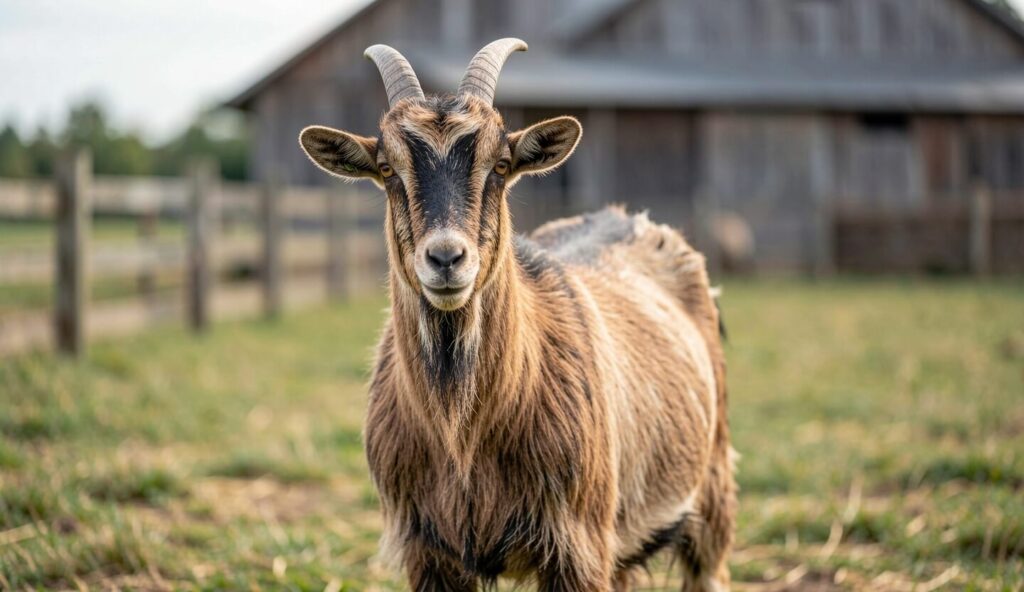
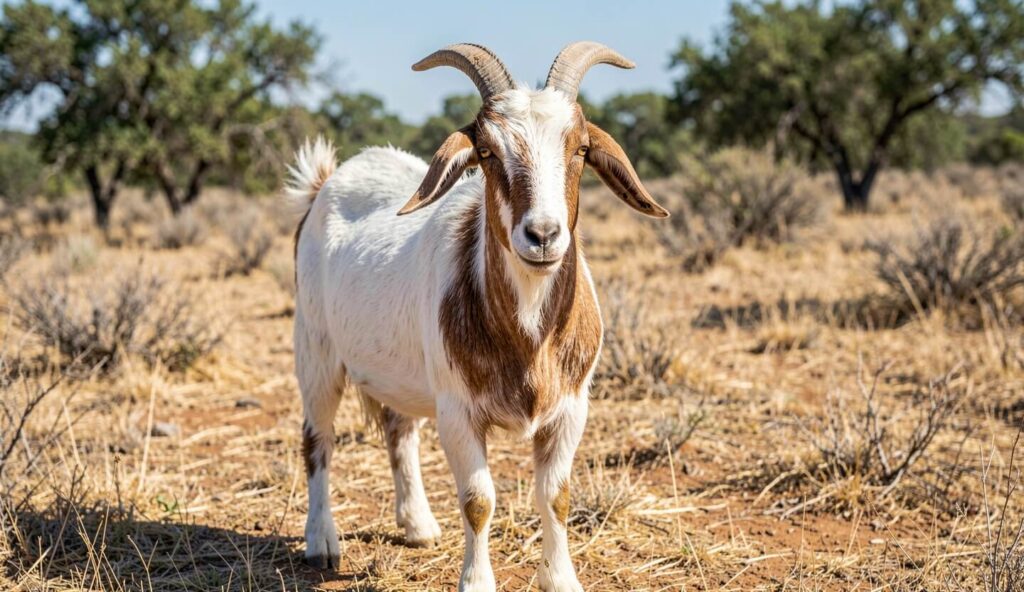
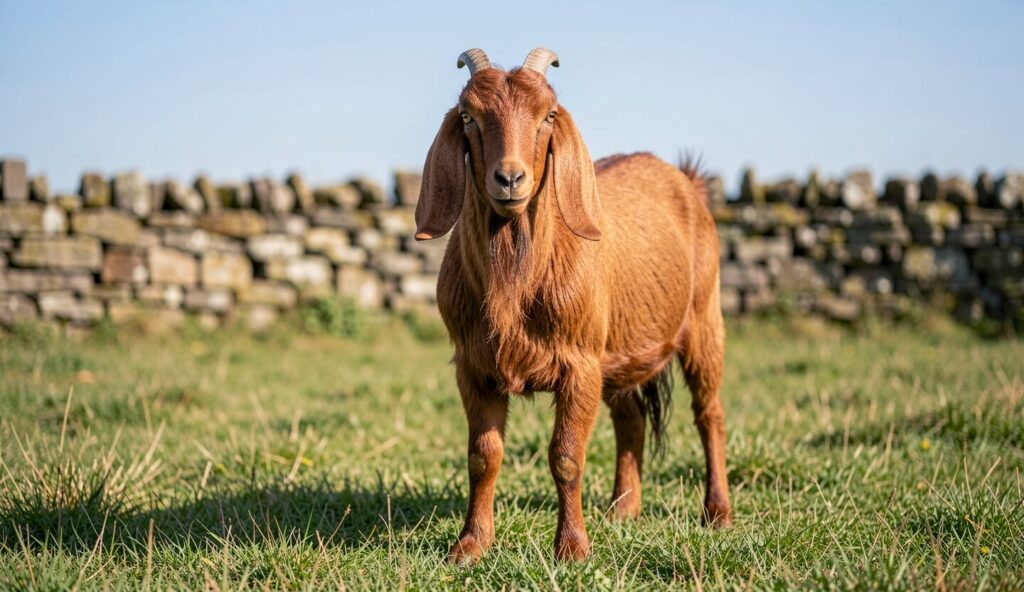
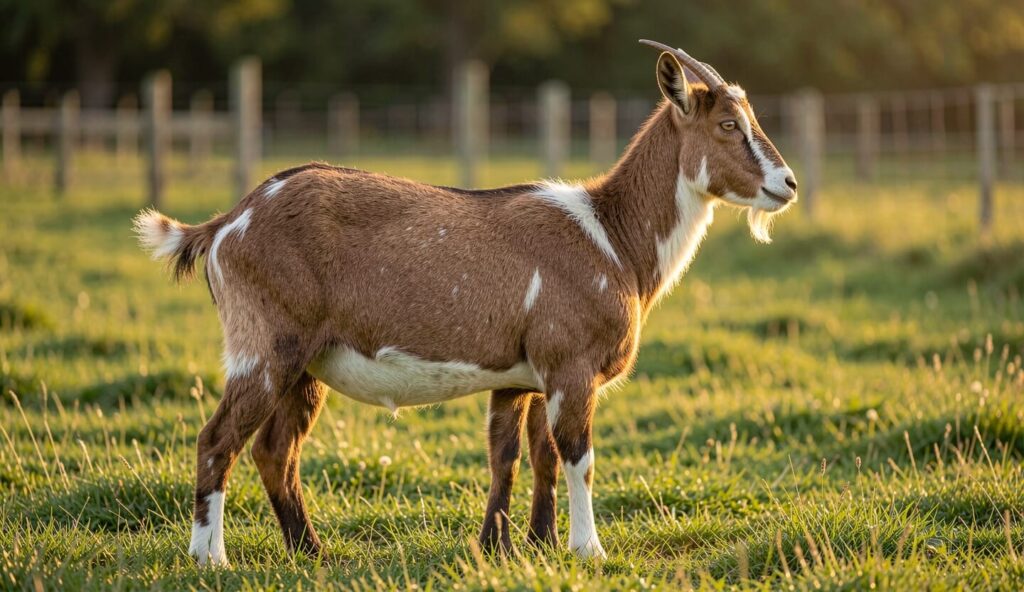
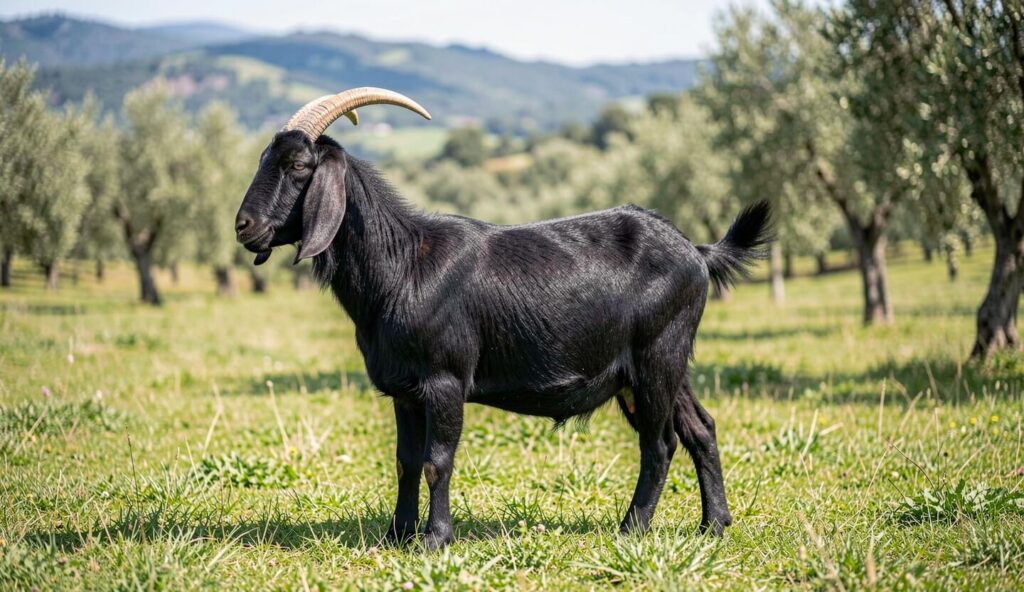
The coat is solid black or dark mahogany with short, glossy hair. White markings are absent except for small ear spots that are allowed in the breed standard. This sleek coat helps the goat handle heat.
Ears and Horns
Large drooping ears are a hallmark of the Murciana Goat. Most animals have pollen horns that curve backward. Selective breeding can produce polled individuals, but horned goats remain common.
Murciana Goat Temperament and Personality
Docile and Calm Nature
The Murciana Goat is gentle and easy to handle, making it suitable for families with children. This breed adapts well to both barn and pasture systems. Its calm nature reduces stress during milking and handling.
Social Behavior
Murciana goats are herd animals that thrive in groups. They can become stressed if isolated for long periods. While vocal, they are not aggressive toward other livestock or humans.
Milk Production of Murciana Goats
Average Milk Yield
A Murciana Goat produces 600 to 800 liters per lactation, which lasts 210 to 240 days. Peak milk output occurs in the second lactation. Daily average reaches 2.5 to 3.5 liters depending on diet and management.
Milk Composition
The milk contains 3.5 to 4.5 percent butterfat and 3.0 to 3.5 percent protein. This composition makes it excellent for cheese making. Many artisan cheesemakers prefer this milk breed for consistent quality.
Housing and Fencing for Murciana Goats
Shelter Requirements
A well-ventilated barn with dry bedding protects goats from extreme heat and cold. Provide at least 3 to 4 square meters per goat indoors. Good airflow prevents respiratory issues common in humid enclosures.
Fencing Needs
Fence height should be at least 4 feet to prevent jumping. Woven wire or electric netting works well for containing this breed. Secure the bottom edge to stop digging, as goats are curious climbers.
Diet and Nutrition for Murciana Goats
Forage and Pasture
Good quality hay or pasture forms the base of their diet. Alfalfa is suitable for lactating does to support milk production. Avoid feeding lush legumes alone, as they can cause bloat.
Grain and Supplements
During lactation, offer a grain mix at 0.5 to 1 kg per day. Provide a mineral block containing copper and selenium. Fresh water must always be available, especially in hot weather.
Common Health Issues in Murciana Goats
Parasite Management
Regular fecal exams help monitor internal parasite loads. Rotate pastures to break parasite life cycles. Deworm only when necessary to avoid resistance.
Hoof Care and Vaccinations
Trim hooves every 6 to 8 weeks to prevent lameness. Vaccinate for Clostridium and CDT annually. Watch for mastitis in lactating does, particularly during peak production.
Is a Murciana Goat Right for You
Ideal Climate and Space
This breed thrives in warm, dry climates similar to its native Mediterranean region. It needs at least 0.2 hectares of pasture for two to three goats. Heavy rainfall areas can cause hoof problems and increased parasite pressure.
Best for Dairy Production
The Murciana Goat is an excellent choice for milk and cheese production on small to medium farms. It requires less intensive care compared to some other dairy breeds like the LaMancha Goat. With proper management, it delivers consistent output for years.
Frequently Asked Questions
How much milk does a Murciana goat produce per day?
An average Murciana goat produces 2.5 to 3.5 liters daily, with peak output in the first three months of lactation.
Are Murciana goats good for beginners?
Yes, their calm temperament and adaptability make them suitable for beginners who follow standard goat care practices.
What color are Murciana goats?
They are solid black or dark mahogany with a short, glossy coat; small white spots on ears are allowed.
How long do Murciana goats live?
With proper care, they live 10 to 15 years, with a productive lifespan of 6 to 8 years.
Do Murciana goats have horns?
Most Murciana goats have curved horns, though polled individuals can be produced through selective breeding.
What is the origin of the Murciana goat?
The breed originated in Murcia, southeastern Spain, from local Mediterranean goats and was formally recognized in the early 20th century.
Final Note
The Murciana Goat offers a reliable option for dairy keepers seeking a productive, easygoing Spanish dairy goat. Its solid milk composition and calm nature make it a valuable addition to any Mediterranean-style farm.