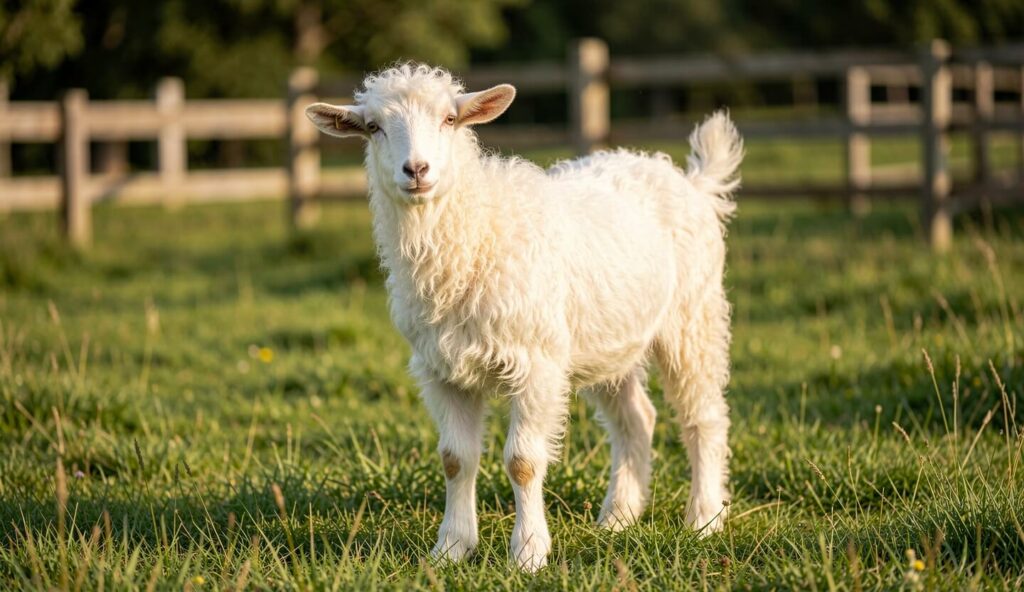
What Is a Sirohi Goat
The Sirohi Goat is a dual-purpose Indian goat breed from the Sirohi district of Rajasthan, India. This breed is known for its hardiness in semi-arid climates and its ability to produce both meat and milk. Livestock keepers across South Asia value the Sirohi goat for its low-maintenance nature and consistent productivity.
These goats have adapted to harsh conditions over centuries. They thrive on sparse vegetation and require minimal supplemental feeding. For farmers looking for a resilient indigenous breed, the Sirohi Goat offers a practical solution. Similar Indian breeds such as the Beetal Goat also demonstrate strong adaptability to local environments.
The Sirohi goat is primarily raised for meat and milk. Its lean meat is in high demand in local markets. The milk, though produced in moderate quantities, is rich in fat and protein.
Physical Characteristics of Sirohi Goats
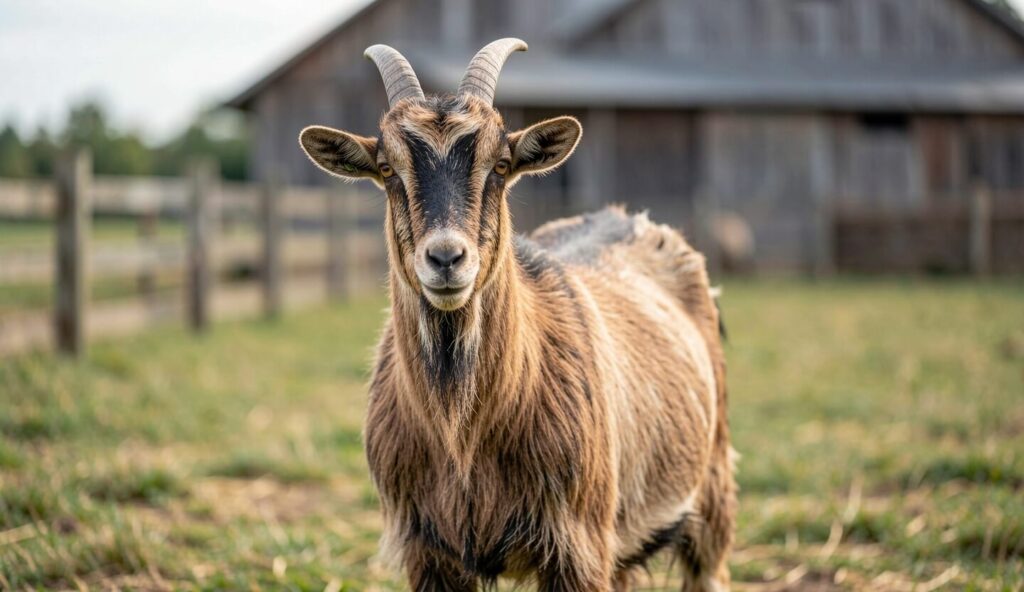
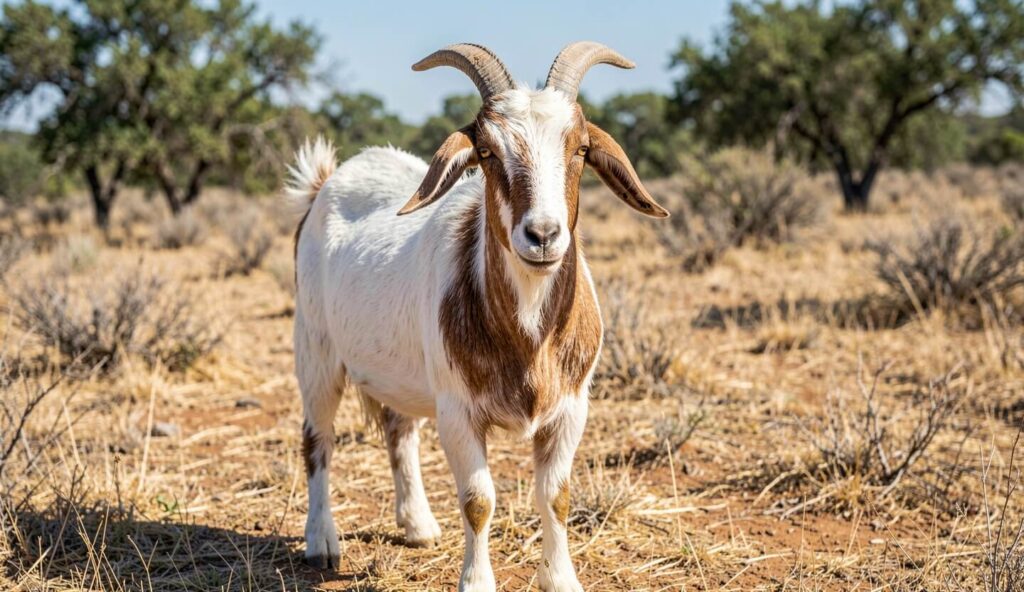
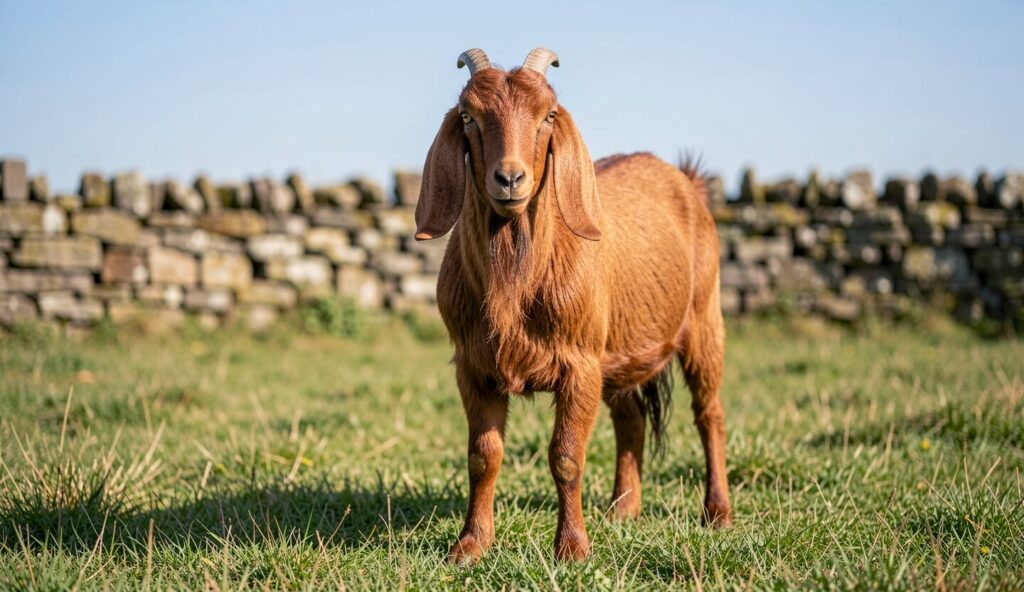
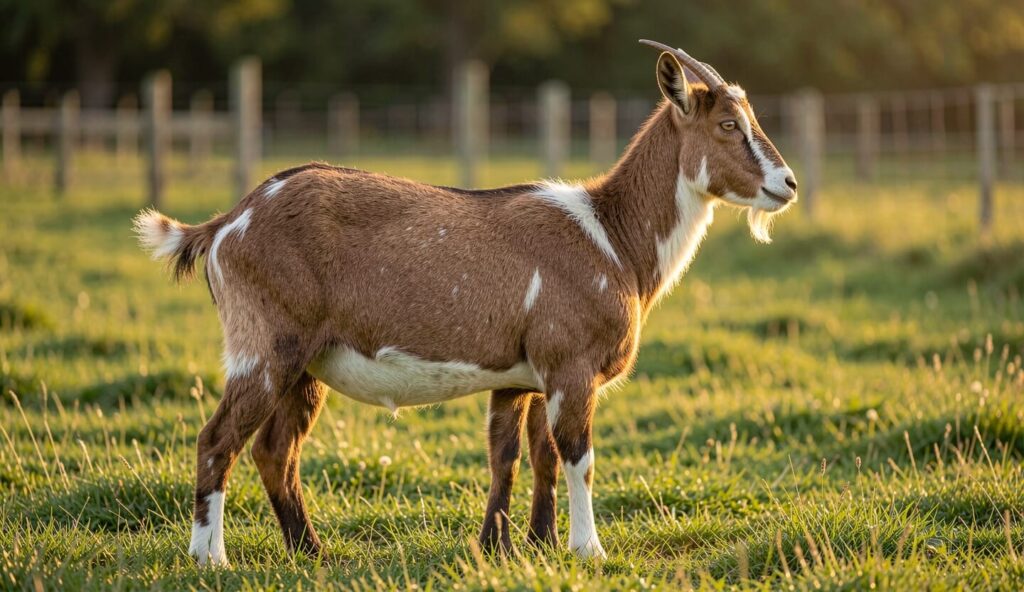
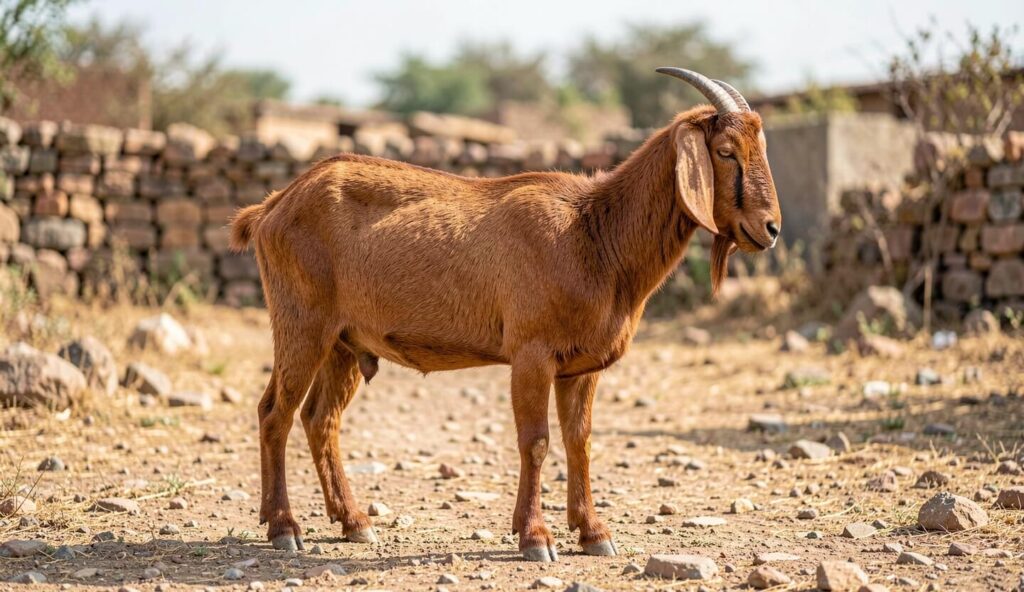
Sirohi goats are medium-sized animals with a compact, muscular body. They have a reddish-brown coat that can vary from light tan to deep chestnut. White patches sometimes appear on the ears, face, or legs.
Males grow short, backward-curving horns while females are often polled or have small horn buds. The ears are long and drooping, a distinctive trait of this breed. Their legs are sturdy and well-suited for rocky terrain.
Key physical traits of the Sirohi Goat include:
- Average height: 70-80 cm at the shoulder
- Adult male weight: 50-65 kg
- Adult female weight: 40-50 kg
- Short, sleek coat adapted to heat
- Dewlap present in many individuals
Compared to other South Asian breeds like the Bengal Goat, Sirohi goats have a more robust frame and slightly longer ears. These physical features make them easily identifiable.
Temperament and Behavior
Sirohi goats are generally calm and docile. They are not aggressive and can be handled easily by smallholders and women farmers. Their social nature allows them to integrate well into mixed herds.
They are active foragers and spend hours browsing on shrubs and weeds. This behavior reduces feeding costs. Sirohi goats are also alert and quick to respond to danger, which helps protect them from predators.
Like many Indian goat breeds, the Sirohi goat has a strong herd instinct. Individual goats dislike being isolated. Keepers should always maintain at least two or three together for optimal mental well-being.
Diet and Nutrition
Sirohi goats thrive on dry scrub and rough grazing. They are excellent foragers in semi-arid regions where other livestock struggle. Access to clean pasture or high-quality hay ensures steady weight gain.
During the dry season, they can subsist on tree leaves, crop residues, and roadside vegetation. This adaptability makes them a low-cost option for resource-limited farms.
Concentrates and Supplements
Supplement grains during lactation or growth periods. Provide mineral blocks for essential nutrients like calcium and phosphorus. Avoid sudden diet changes to prevent bloat and digestive upset.
A typical concentrate mix includes crushed maize, wheat bran, and oilseed cake. Pregnant and lactating does require extra protein for healthy kids and milk production.
Water Requirements
Fresh clean water must be available at all times. Daily intake increases in hot weather, especially for lactating does. Clean water troughs regularly to prevent disease transmission.
A mature Sirohi goat drinks 3-5 litres per day on average. In summer, this amount can double. Dehydration quickly leads to reduced feed intake and lower milk yields.
Housing and Shelter Needs
Sirohi goats require simple but sturdy housing. A well-ventilated shed with a dry floor protects them from rain, cold drafts, and direct sun. The recommended space per adult goat is 1.5-2 square metres.
Raised platforms or slatted floors keep the animals off damp ground. Good drainage prevents hoof rot and respiratory issues. Separate enclosures for pregnant does and young kids reduce stress and injury.
Fencing must be at least 1.5 metres high to prevent escapes. Sirohi goats are not strong jumpers but can push through weak barriers. Barbed wire or welded mesh works well.
Breeding and Reproduction
Sirohi goats reach sexual maturity at 8-10 months. However, breeders typically wait until 12-15 months for first mating. The oestrus cycle lasts 18-21 days, and does show clear signs of heat.
Kidding occurs after a gestation period of approximately 150 days. Litter size ranges from 1 to 3 kids, with twins being common. Proper nutrition during late pregnancy improves kid survival rates.
Compared to specialized meat breeds like the Boer Goat, Sirohi goats produce lighter carcasses but require less feed input. They are also more resistant to local parasites.
Common Health Issues
Sirohi goats are generally hardy but can suffer from internal parasites, especially in humid conditions. Regular deworming every 3-4 months is recommended. External parasites like ticks and lice also need control.
Common diseases include:
- Pneumonia in young kids during cold weather
- Enterotoxaemia from sudden feed changes
- Foot rot in wet, dirty enclosures
- Mastitis in lactating does
Vaccination against peste des petits ruminants (PPR) and goat pox is essential. Regular hoof trimming and clean living conditions prevent many ailments. The Kamori Goat, another Indian breed, shares similar health management needs.
Is a Sirohi Goat Right for Your Farm
Sirohi goats are ideal for smallholder farmers in hot, semi-arid regions. They require minimal inputs and adapt well to low-quality forage. Their dual-purpose nature provides both meat and milk for household consumption or sale.
For farmers focused on meat production, the Rajhanpuri Goat offers a larger body size. But the Sirohi goat excels in drought-prone areas where other breeds fail. Beginners find them easy to manage.
Consider the Sirohi goat if you have access to browsing land and want a low-cost, resilient herd. They are not suited for cold, wet climates or intensive zero-grazing systems.
Frequently Asked Questions
What is the average weight of a Sirohi goat?
Adult males weigh 50-65 kg, while females average 40-50 kg.
How much milk does a Sirohi goat produce daily?
Average production is 1-2 litres per day, with milk rich in fat and protein.
Are Sirohi goats good for meat production?
Yes, they are a dual-purpose breed that grows rapidly and produces lean meat.
What is the lifespan of a Sirohi goat?
They live 10 to 12 years on average; good care can extend this slightly.
What climate is best for Sirohi goats?
They thrive in hot semi-arid climates and are highly tolerant of drought conditions.
How many kids do Sirohi goats have per litter?
Usually 1-2 kids per birth, with twins being very common.
Final Note
The Sirohi goat is a valuable asset for South Asian livestock keepers seeking a hardy, dual-purpose breed. With proper management, these goats provide reliable meat and milk even in challenging environments.