Purple Peafowl – The Royal Jewel Among Peafowl Varieties
The Purple Peafowl is a rare and visually stunning variety of peafowl, admired for its shimmering purple sheen and elegant demeanor. Unlike wild species, the Purple Peafowl is a result of selective breeding and is cherished for its majestic appearance. Whether roaming in private estates or featured in avian collections, these birds captivate onlookers with their regal presence and unique coloring. Among the many peafowl color mutations, the purple variety stands out as one of the most sought-after by collectors and breeders alike.
Origin and Background
Purple Peafowls are not a naturally occurring wild species but rather a domesticated color mutation developed through thoughtful breeding. This variety originates from the Indian Blue Peafowl (Pavo cristatus)—one of the most common and genetically diverse peafowl species. While the Indian Peafowl is known for its classic blue and green iridescence, the purple mutation introduces a rich violet tone that is entirely unique.
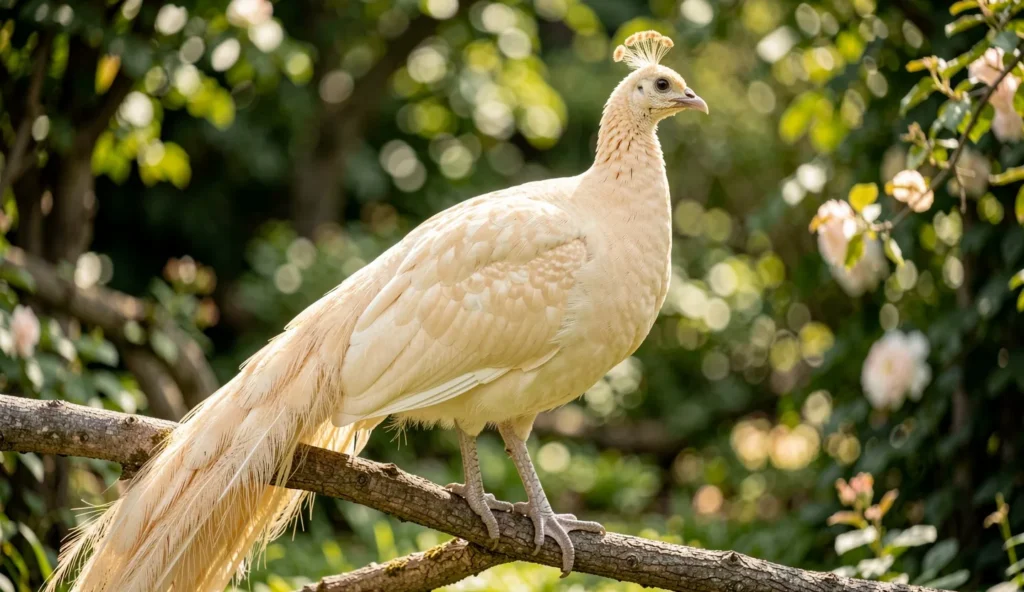
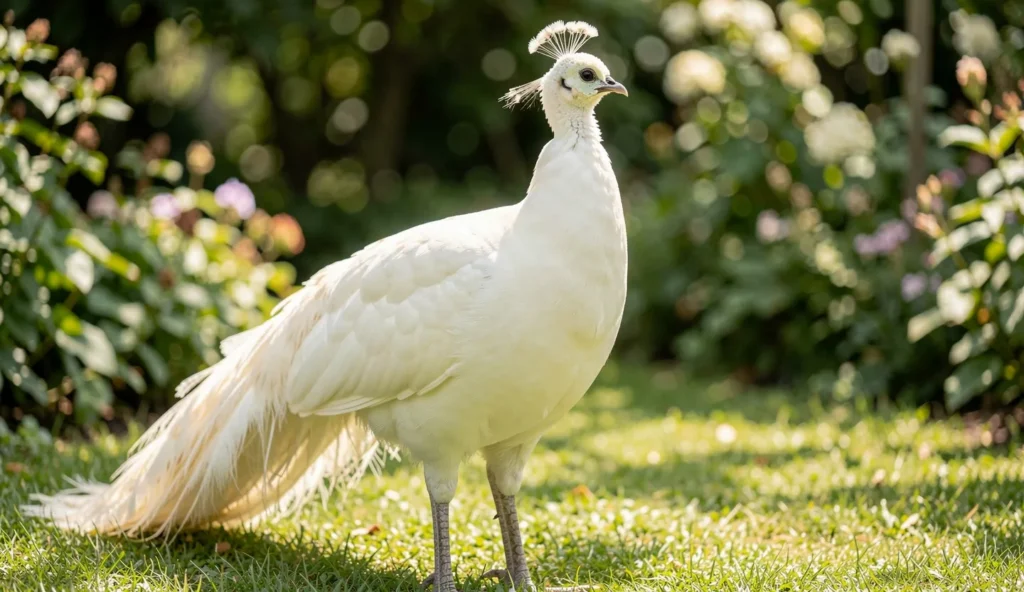
Through generations of breeding, the purple hue was enhanced and stabilized. Today, these birds are admired by aviculturists around the world for their exceptional coloration and graceful movement. For those interested in exploring other rare color varieties, the White Peafowl offers a completely different but equally stunning aesthetic.
Physical Appearance
The hallmark of the Purple Peafowl is, of course, its coloration. Males and females differ in appearance, though both are impressive:
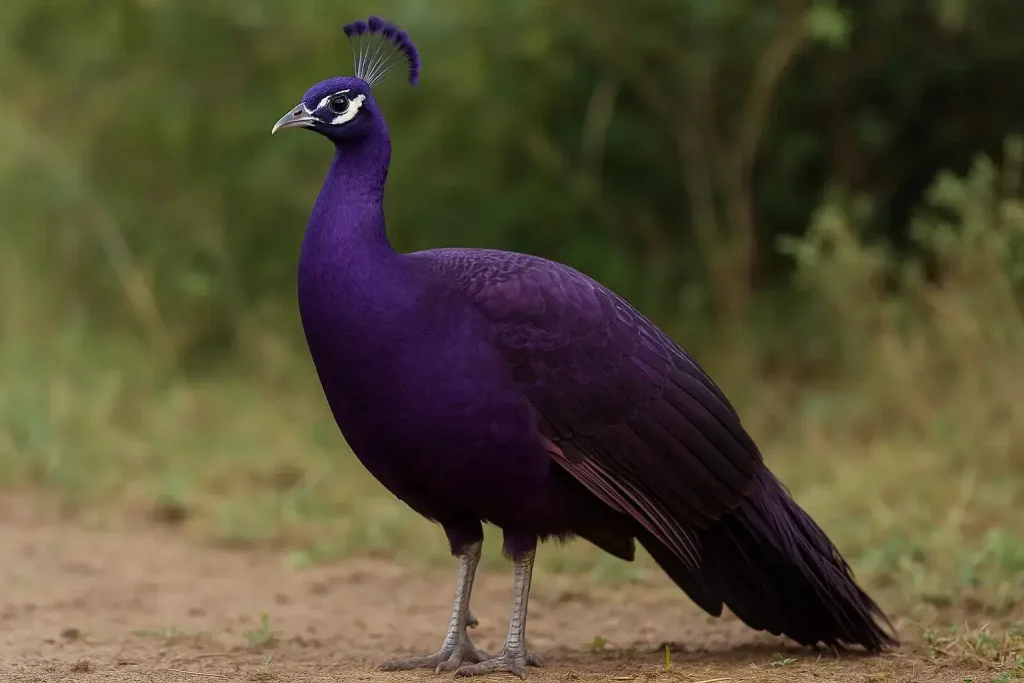
- Males: Deep violet or amethyst-colored neck and breast, iridescent purple train with subtle eyespots
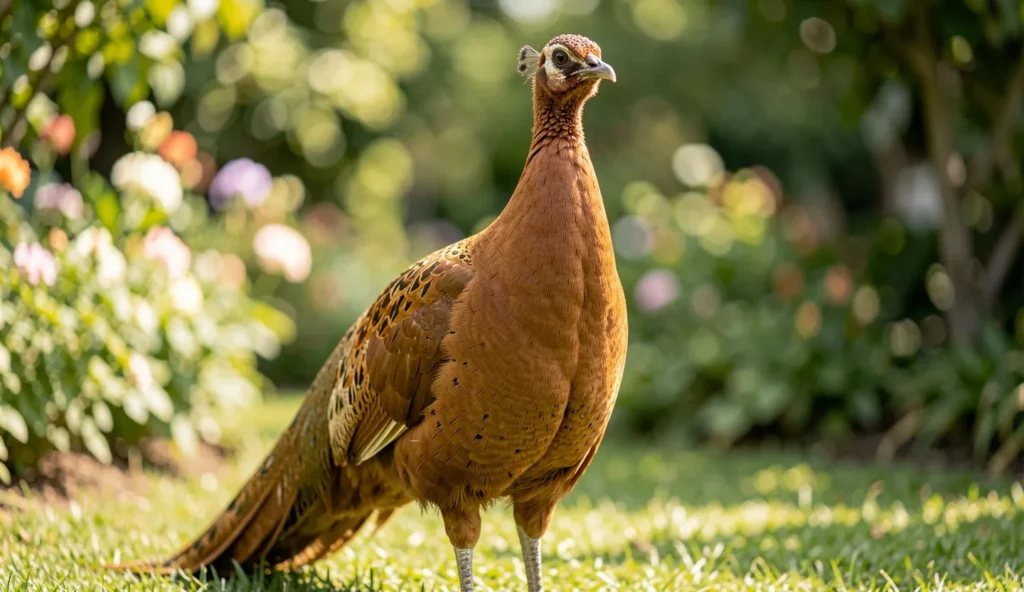
- Females: Lighter purplish-gray with understated patterns and shorter tail feathers
- Crest: Elegant feather crest on the head in both sexes
- Size: Similar to Indian Blue Peafowls—males can reach up to 7 feet in length, including the train
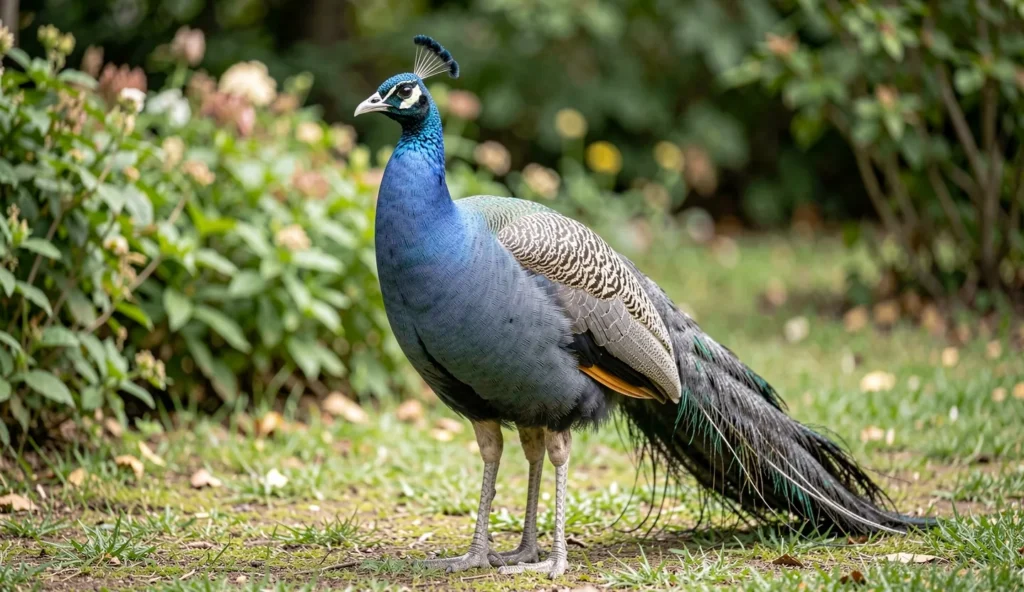
Their dazzling plumage truly glows under sunlight, giving off a metallic purple shine that makes them one of the most visually distinct peafowl varieties. In comparison, the Black-Shouldered Peafowl offers a striking contrast with its dark wing patterns and classic blue body.
Behavior and Temperament
Purple Peafowls are known for their intelligence, social behavior, and awareness of their surroundings. They are observant, curious, and, when handled kindly, can become comfortable with human interaction. Experienced keepers note that these birds often develop distinct personalities, with some being more outgoing and others more reserved.
- Intelligent and trainable with gentle guidance
- Vocal, especially during breeding season
- Can coexist peacefully with other peafowl and birds if provided enough space
Patience, routine, and a calm environment help build trust with these sensitive birds. They thrive best in flocks where they can establish natural social hierarchies.
Diet and Nutrition
A balanced and nutritious diet supports their vibrant feathering and overall health. High-quality protein is especially important during molting and breeding seasons to maintain feather condition.
- Whole grains such as wheat, corn, and millet
- Leafy greens and vegetables like kale, spinach, and peas
- Fruits in moderation (avoid citrus)
- Protein-rich options like mealworms, insects, or boiled eggs
- Constant access to fresh, clean water
Occasional vitamin supplements can aid feather quality and egg development in hens. Many breeders also recommend a specialized peafowl feed to ensure balanced nutrition year-round.
Housing and Environment
Purple Peafowls flourish in environments that offer space, security, and stimulation. A well-designed enclosure not only keeps them safe but also encourages natural behaviors like foraging and dust bathing.
- Spacious, predator-proof enclosures with soft ground and shade
- Elevated roosts for resting
- Shelters to shield from rain, wind, and extreme temperatures
- Regular room to roam freely in safe, open spaces
Their mental and physical health improves significantly in settings that mimic natural behaviors, like foraging and roosting. Providing enrichment items such as logs, perches, and scattered food can prevent boredom and reduce stress.
Breeding and Genetics
Breeding Purple Peafowls requires an understanding of genetics, as the purple trait is recessive and must be carefully managed. Unlike dominant color mutations, both parents must contribute the gene for purple offspring to appear.
- Both parents must carry the purple gene for it to appear in offspring
- Hens lay 4–8 eggs per clutch, usually in spring or early summer
- Incubation lasts 28–30 days
- Chicks require heat, protection, and special feeding for their first few weeks
Responsible breeding ensures genetic diversity and the long-term health of the lineage. For those interested in hybrid varieties, the Spalding Peafowl offers an interesting cross between Indian and Green peafowl species.
Health and Care
Purple Peafowls are generally hardy when properly cared for, but require preventive attention. Regular health checks and a clean environment are the foundation of good peafowl husbandry.
- Clean environments to prevent infections
- Protection from parasites such as mites and worms
- Regular veterinary checkups and vaccinations
- Daily sunlight exposure for vitamin D synthesis
As with all birds, early detection of illness is key to ensuring well-being. Watch for signs like lethargy, loss of appetite, or changes in feather condition, and consult an avian veterinarian promptly if concerns arise.
Cultural and Aesthetic Significance
Purple Peafowls are symbolic of royalty, mystique, and luxury. While they do not occur in the wild, their presence in aviaries and estate gardens adds a magical and serene ambiance. Their unique coloring makes them a favorite subject for photographers and artists.
- Featured in art and photography for their unique hues
- Showcased in exhibitions, bird fairs, and educational programs
- Often included in conservation-inspired aviaries for educational outreach
Their beauty inspires admiration and respect for avian diversity. For those seeking a truly exotic addition to their collection, the Green Peafowl offers a wild counterpart with equally striking plumage.
Fun Facts About Purple Peafowls
- Purple coloring is due to a rare recessive gene in Indian Blue Peafowls
- Their feathers look especially vibrant in natural sunlight and during display
- They can have violet, lavender, or royal purple tones based on genetics
- Every Purple Peafowl has slightly different patterning and shine
FAQs: Purple Peafowl
Q1: Is the Purple Peafowl a separate species?
A: No, it is a color variety of the Indian Blue Peafowl, created through selective breeding.
Q2: Are Purple Peafowls suitable for beginners?
A: They require space, protection, and attention, making them better suited for those with some bird-keeping experience.
Q3: Can Purple Peafowls breed with other peafowl varieties?
A: Yes, but to produce purple offspring, both parents must carry the purple gene.
Q4: Are Purple Peafowls rare?
A: Yes, they are rare and prized among collectors and breeders due to their unique coloration and limited availability.
Q5: Do Purple Peafowls make good companions?
A: They can be enriching to observe and care for, but they thrive best in outdoor, enriched environments rather than indoor spaces.
Conclusion
The Purple Peafowl is a rare gem in the avian world, offering a blend of beauty, grace, and personality. Their shimmering feathers, dignified stature, and gentle presence make them a prized addition to bird collections and peaceful gardens alike. With responsible care and thoughtful breeding, these majestic birds can continue to inspire awe and appreciation for generations to come. Whether you are a seasoned aviculturist or a newcomer to peafowl keeping, the Purple Peafowl represents one of the most rewarding and visually spectacular varieties available today.