Congo Peafowl – The Elusive Jewel of the African Rainforest
Introduction
The Congo Peafowl (Afropavo congensis) is a rare and captivating bird found only in the dense rainforests of the Democratic Republic of the Congo. Unlike its more flamboyant relatives, the Indian Peafowl and Green peafowls, the Congo Peafowl is modest in appearance but remarkable in uniqueness. As the only peafowl native to Africa, this species plays a vital ecological and cultural role in its homeland. Discovered by science as recently as 1936, this elusive bird remains one of the least-studied peafowl species in the world.
Origin and Habitat
The Congo Peafowl is endemic to the Congo Basin, particularly in the central and eastern parts of the Democratic Republic of the Congo. These birds inhabit:
- Dense lowland tropical rainforests
- Areas with thick undergrowth and minimal human interference
- Regions near rivers or swampy areas
Their secretive nature and preference for secluded habitats make them difficult to observe in the wild. Unlike the Green Peafowl, which favors open woodlands and savannas, the Congo Peafowl sticks to the deepest parts of the forest.
Physical Appearance
Though less colorful than other peafowls, the Congo Peafowl has distinct and beautiful features:
- Size: Medium-sized, about 25–28 inches long
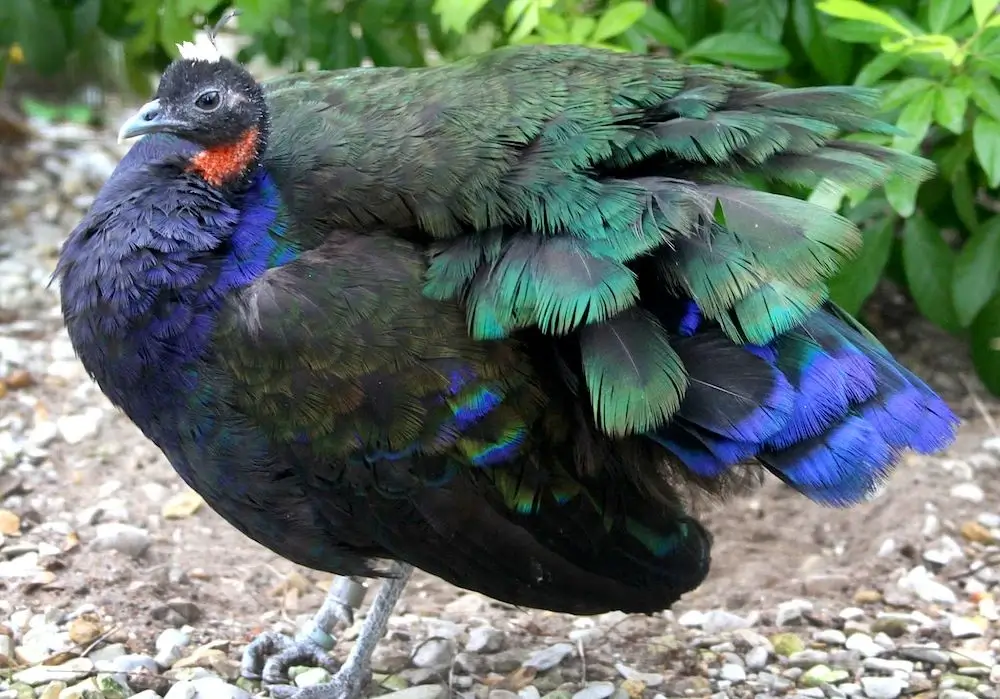
- Male: Deep blue body with metallic green highlights and a short crest
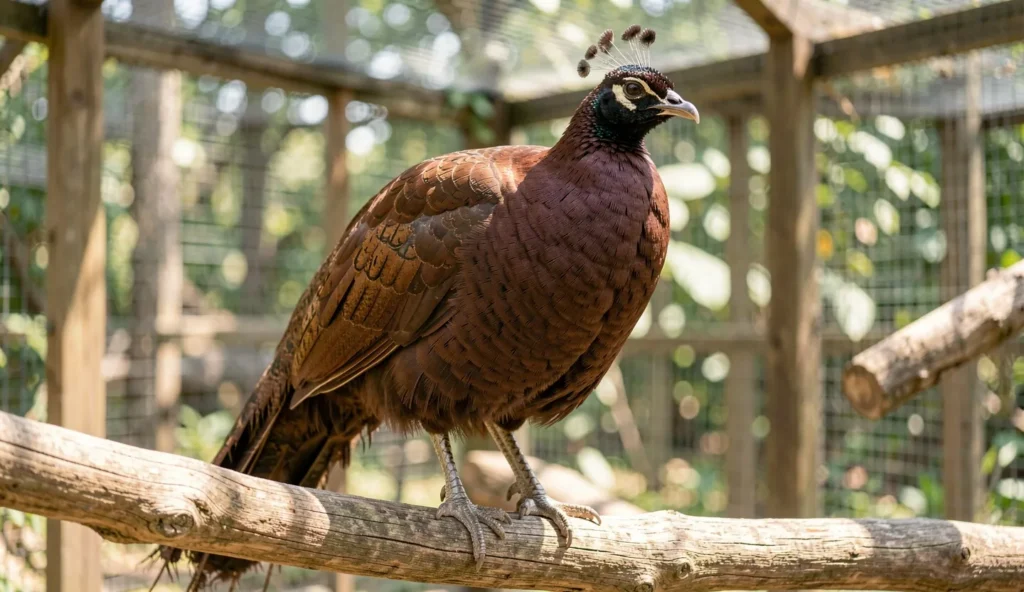
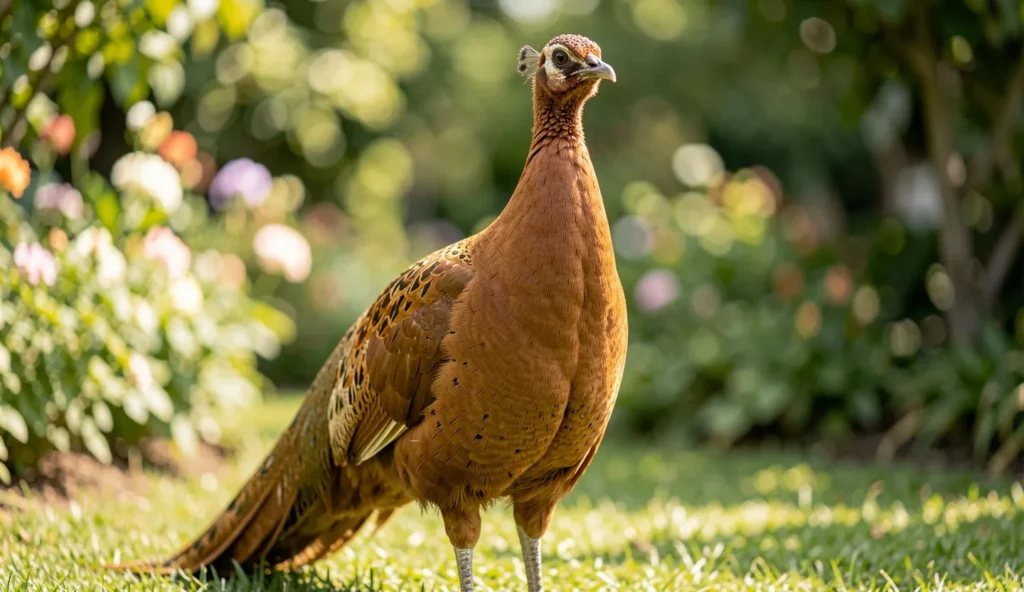
- Female: Brownish with a chestnut breast and white facial markings
- Tail: Short and rounded, unlike the long trains of other peafowl species
Their more subtle appearance helps them blend into dense forest vegetation. This camouflage is essential for survival in a habitat shared with predators like the Crowned Eagle.
Behavior and Social Life
Congo Peafowls are shy and solitary or may live in pairs. Key behavioral traits include:
- Quiet and elusive, with soft, low calls
- Most active during early mornings and late afternoons
- Forage on the ground but roost in trees at night for safety
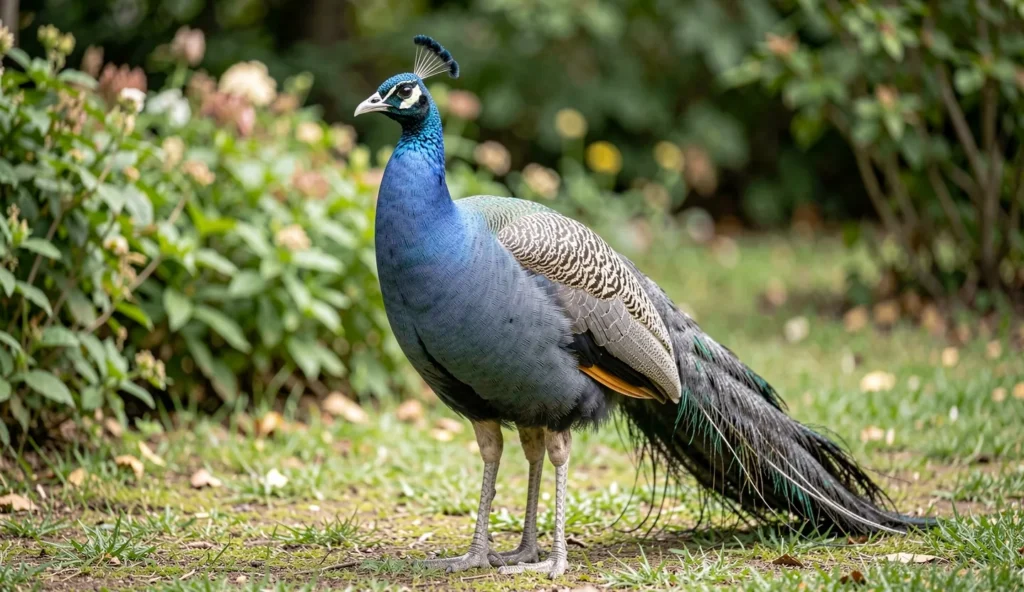
Their reserved lifestyle helps them avoid predators in the wild. Unlike the dramatic courtship displays of the Black-Shouldered Peafowl, Congo Peafowl males perform a more subdued dance to attract mates.
Diet and Feeding
The Congo Peafowl is an omnivore. It feeds on a variety of forest resources such as:
- Seeds and nuts
- Insects and small invertebrates
- Mushrooms
- Tender plant shoots and fruits
Their diverse diet supports forest regeneration and nutrient cycling. Foraging in pairs or small family groups, they scratch through leaf litter much like domestic chickens.
Habitat and Conservation Challenges
These birds require pristine forest conditions to survive. However, they face growing threats like:
- Deforestation for logging and agriculture
- Poaching and trapping
- Habitat fragmentation from infrastructure development
As their environment shrinks, so do their chances of survival in the wild. Conservationists estimate that less than 10,000 mature individuals remain in the wild, making protection efforts critical.
Breeding and Raising Chicks
Not much is known about the breeding habits of Congo Peafowls due to their elusive nature. However:
- They nest on the ground, usually in well-hidden forest spots
- Females lay 2–4 eggs per clutch
- The female handles most chick-rearing duties
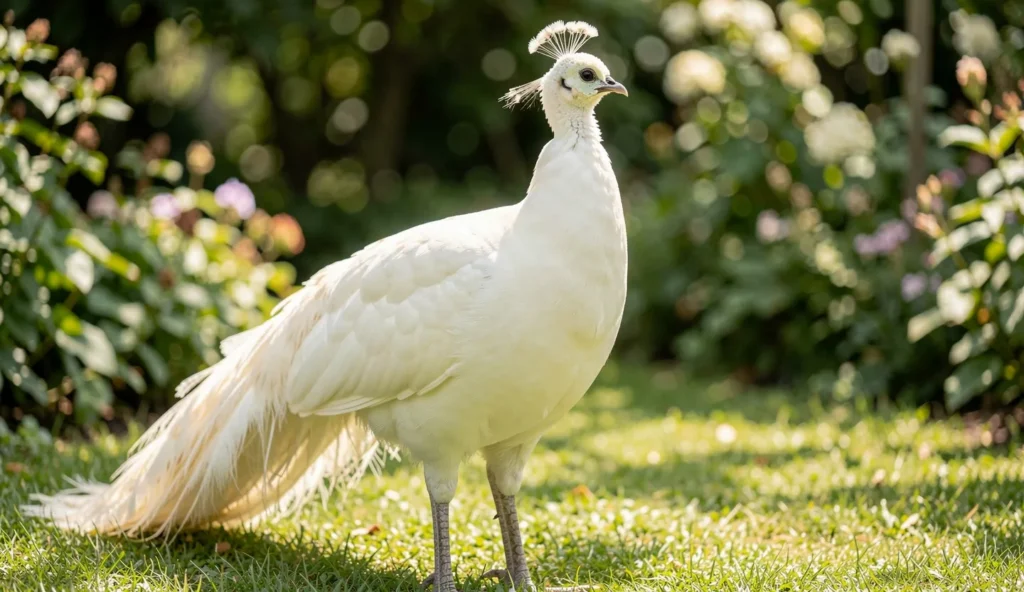
Captive breeding programs are helping researchers learn more about their reproductive behavior. Unlike the White Peafowl, which breeds readily in captivity, Congo Peafowls remain challenging to propagate outside their natural habitat.
Conservation Status
The Congo Peafowl is classified as Vulnerable on the IUCN Red List. Threats include:
- Habitat destruction from mining and agriculture
- Hunting for bushmeat
- Lack of awareness and conservation enforcement
Conservation organizations are working on forest protection, breeding efforts, and education programs to save the species. The Salonga National Park in the DRC serves as a key stronghold for wild populations.
Cultural Importance
Though not as widely recognized globally, the Congo Peafowl is deeply respected in local Congolese culture. It is:
- A national symbol of the Democratic Republic of the Congo
- Considered a guardian of the forest by some local communities
- Featured in national biodiversity and conservation initiatives
Protecting the Congo Peafowl helps preserve not just a species, but an important part of African heritage.
Fun Facts About Congo Peafowls
- The Congo Peafowl is the only peafowl species native to Africa
- It was discovered as recently as 1936
- It acts as an ecological bridge between peafowls and guinea fowl
- It remains one of the least-studied bird species due to its remote habitat
Frequently Asked Questions
Q1: Is the Congo Peafowl related to the Indian Peafowl?
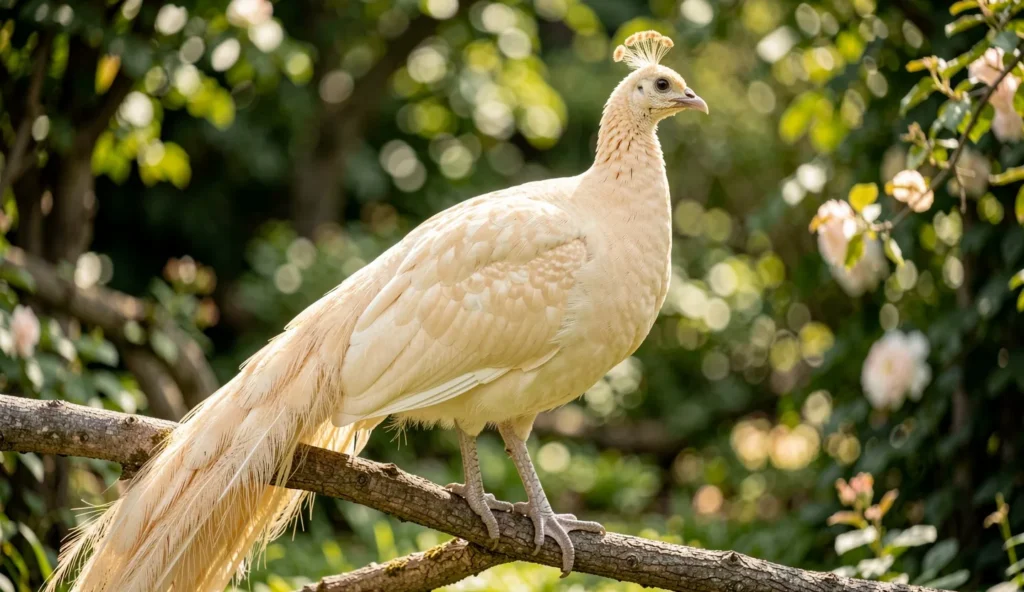
A: Yes, they are part of the same family but differ significantly in appearance, behavior, and habitat. The Purple Peafowl and other color mutations are all derived from the Indian Peafowl, while the Congo Peafowl represents a separate evolutionary branch.
Q2: Why is the Congo Peafowl so rare?
A: Its restricted range, shy nature, and habitat threats have all contributed to its low population.
Q3: Can Congo Peafowls be seen in zoos?
A: Yes, some zoos and conservation centers participate in captive breeding programs for the species.
Q4: What makes the Congo Peafowl special?
A: Its unique evolutionary position, quiet grace, and status as Africa’s only peafowl make it truly special.
Q5: How can we help conserve them?
A: Supporting rainforest protection, wildlife organizations, and education efforts can help safeguard their future.
Conclusion
The Congo Peafowl is a rare and meaningful symbol of Africa’s biodiversity. While not as flashy as its relatives, its quiet elegance and ecological significance are unmatched. By protecting its rainforest home and supporting conservation efforts, we can ensure that this beautiful bird continues to thrive in the heart of the Congo. Whether you are a bird enthusiast or a conservation advocate, the story of the Congo Peafowl reminds us that the most remarkable creatures are often the ones we rarely see.