Black-Shouldered Peafowl – A Rare and Regal Beauty in the Avian World
Introduction
While the classic Indian Peafowl is widely recognized for its iridescent plumage, the Black-Shouldered Peafowl offers a striking variation that captivates bird enthusiasts with its bold contrast of dark shoulders and shimmering blue-green body. This stunning color mutation, first documented in the 1800s, has become a prized addition to aviaries and estates worldwide. Known for its calm nature and graceful display, this bird is a favorite among aviculturists and bird lovers who appreciate elegance in both appearance and personality. While not a separate species, the Black-Shouldered Peafowl holds its place in the world of ornamental birds, combining beauty with a gentle temperament that is hard to ignore.
Origin and Background
The Black-Shouldered Peafowl originated as a natural color mutation of the Indian Peafowl (Pavo cristatus). First documented in the 1800s, this variation has since been bred selectively to preserve its unique appearance. It shares all major characteristics with its parent breed, except for the distinctive black or dark blue shoulder feathers in males and buff-toned plumage in females.
- Origin: Mutation of Indian Peafowl, India
- Scientific classification: Same species – Pavo cristatus
- Found: Aviaries, bird parks, estates, and hobby farms worldwide
Physical Appearance
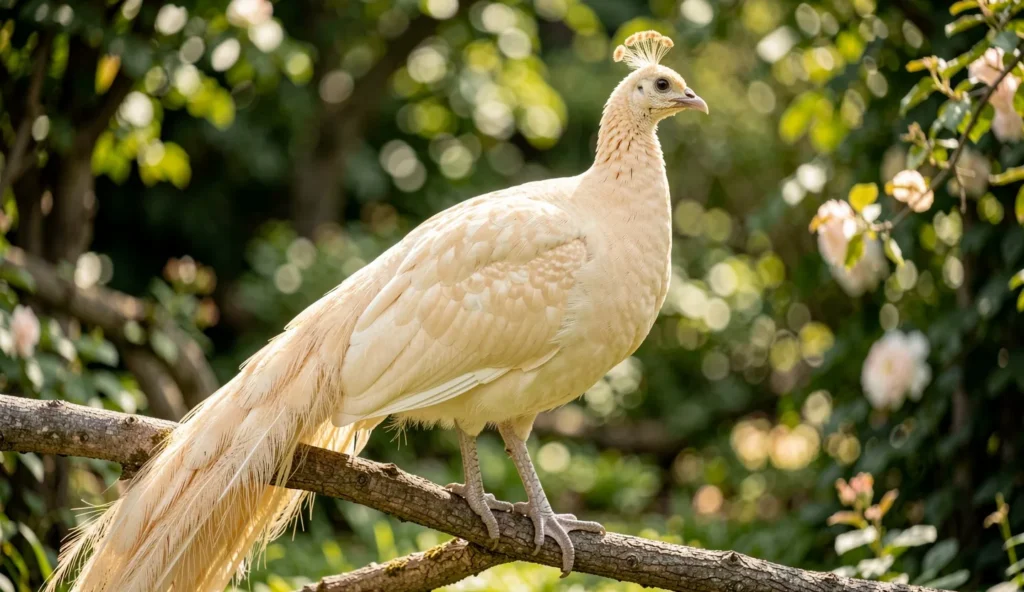
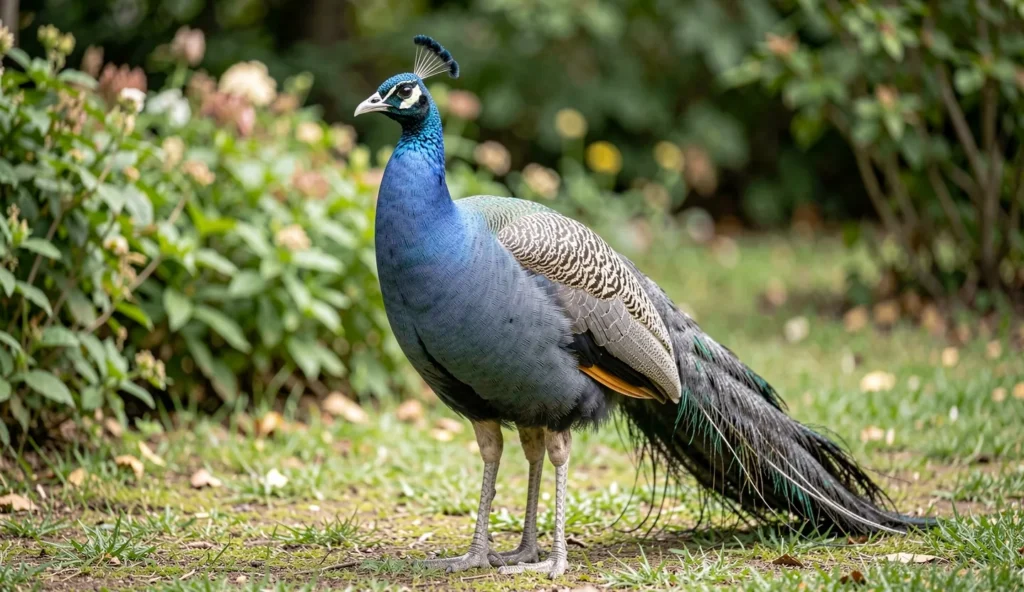
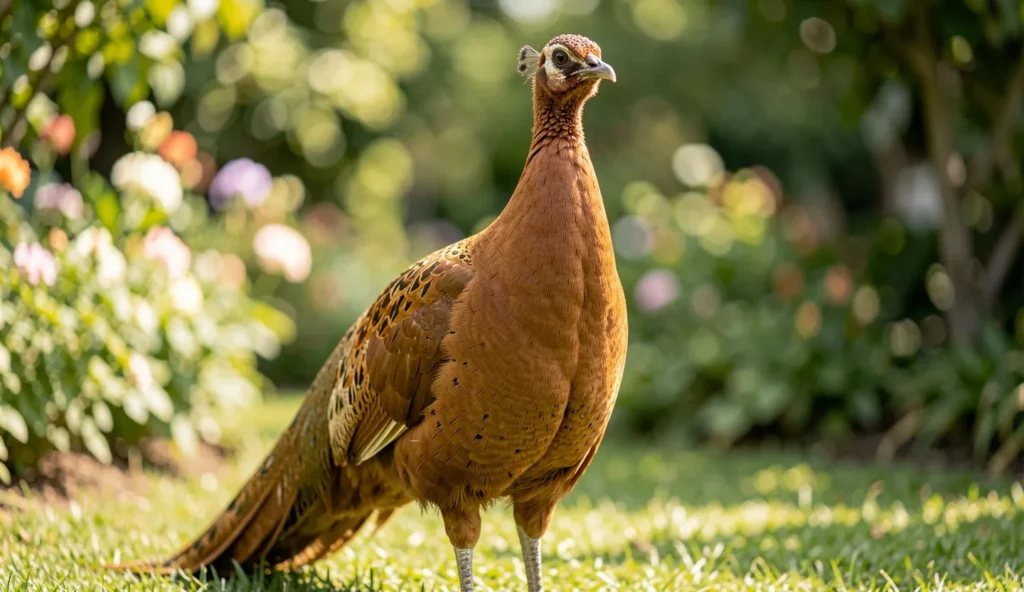
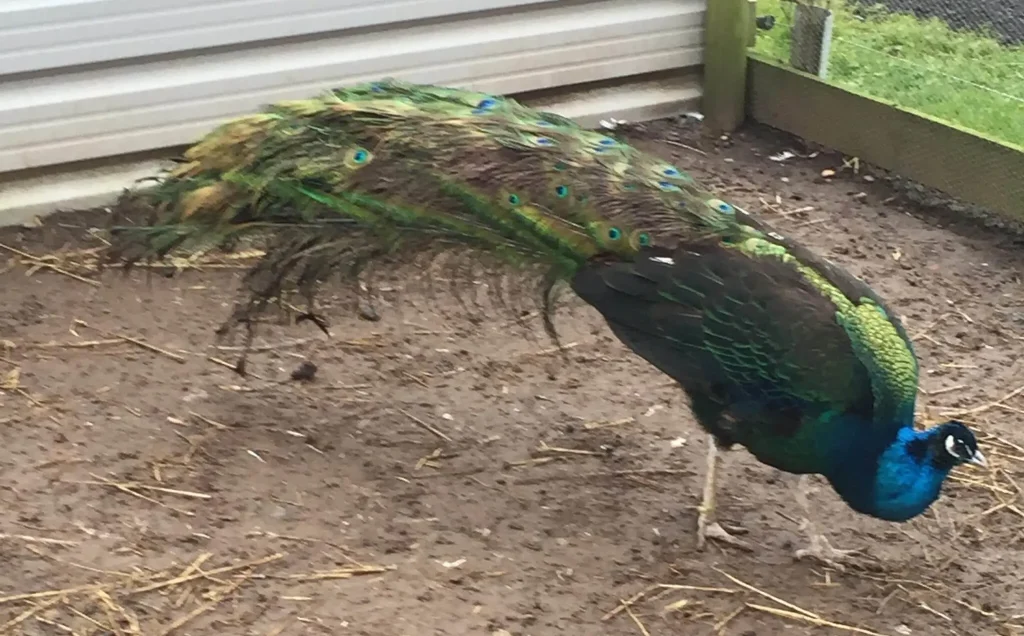
What truly sets the Black-Shouldered Peafowl apart is its unique coloration. Males exhibit rich metallic hues across the body with solid dark shoulders, while females show creamy to golden hues with darker wing markings.
- Male Plumage: Iridescent blue-green with dark black shoulders and upper wings
- Female Plumage: Buff-colored body with dark patches on the wings
- Train: Males grow a stunning tail train up to 5–6 feet with eye-spots
- Size: Up to 7 feet from beak to tail tip (including train)
- Crest: Feathered crest on both male and female heads
Personality and Behavior
Black-Shouldered Peafowls are known for their calm and friendly demeanor. They adapt well to human presence and enjoy spacious environments where they can roam freely.
- Calm, non-aggressive, and easygoing
- Males can be vocal, especially during the breeding season
- Known for their dramatic fan dance during courtship
- Social with humans and non-aggressive toward other birds
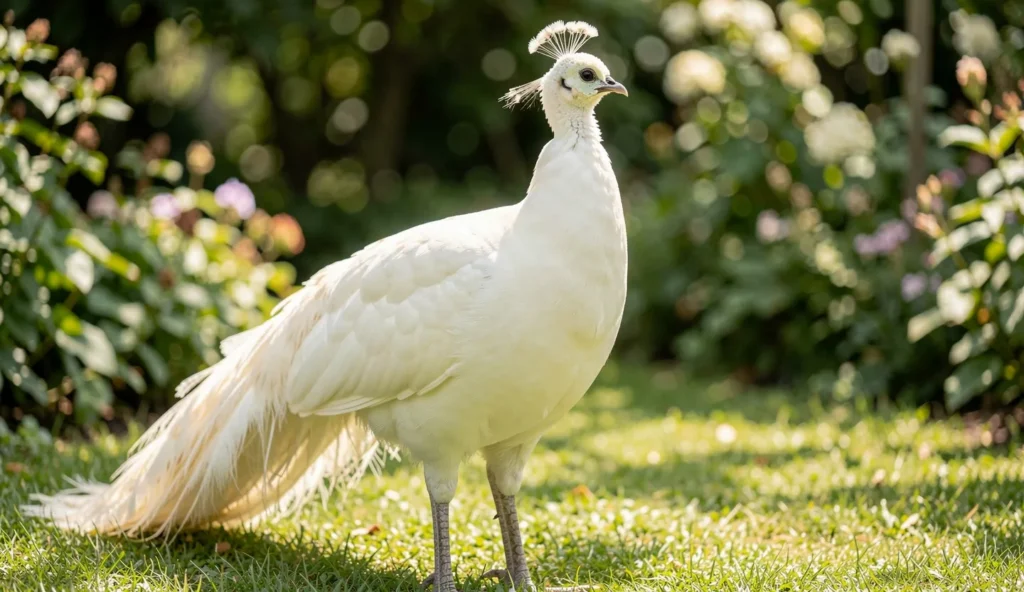
They are excellent for those looking for ornamental birds that are both visually striking and manageable. For keepers interested in other gentle varieties, the White Peafowl offers a similarly docile temperament with an entirely different aesthetic.
Diet and Nutrition
Black-Shouldered Peafowls thrive on a well-balanced diet. Their health and plumage are directly influenced by what they consume.
- Grains like millet, corn, wheat, and rice
- Leafy greens, including spinach, kale, and lettuce
- Fruits such as apples, berries, and melon (in moderation)
- Protein sources like insects, mealworms, and boiled eggs
- Constant access to clean water and mineral supplements
For optimal health, feed them a mix of natural foraging foods and formulated poultry feed.
Habitat and Living Needs
These peafowls are hardy and adaptable to various climates, but they prefer environments that mimic their natural surroundings.
- Open grassy areas with shrubs and trees for shade
- Secure enclosures to protect from predators
- Dry, well-ventilated shelters during rain and cold
- Elevated roosts for sleeping at night
Whether free-ranging on a farm or living in a large aviary, they require space to move, display, and forage.
Breeding and Reproduction
Breeding Black-Shouldered Peafowl is relatively straightforward, especially with good nutrition and space.
- Males perform vibrant displays to attract mates
- Females lay 4–8 eggs per clutch
- Incubation period: Approximately 28–30 days
- Chicks are precocial—able to walk and feed themselves shortly after hatching
To maintain the black-shouldered trait, breeders pair individuals showing this specific color mutation. For those interested in other rare color variants, the Purple Peafowl offers another stunning option with similar breeding requirements.
Health and Longevity
These birds are generally robust and can live long, fulfilling lives with proper care.
- Lifespan: 20–25 years or more in captivity
- Need regular deworming and parasite checks
- Vaccinations can prevent avian pox and other diseases
- Require adequate calcium for strong bones and eggshells
Routine veterinary care ensures your peafowl stays healthy and active throughout its life. A practical tip from experienced keepers: provide a shallow dust bath area in their enclosure to help them naturally control external parasites and maintain feather condition.
Cultural and Ornamental Value
Although not as globally recognized as the traditional Indian Peafowl, the Black-Shouldered variant enjoys a solid presence in private estates and bird collections.
- Symbol of beauty, refinement, and rarity
- Often depicted in modern bird photography
- Present in cultural exhibitions and ornamental gardens
Their quiet elegance makes them ideal for those who appreciate rare beauty and gentle personalities. For a more exotic option, the Green Peafowl offers a different color palette with equally impressive ornamental value.
Fun Facts About Black-Shouldered Peafowls
- This variant is not a hybrid but a mutation of pure Indian Peafowls
- Their unique coloring makes them popular in wildlife photography
- Males fan their tail feathers in a full circle during mating displays
- Though stunning, they retain all wild instincts, like foraging and roosting
Frequently Asked Questions
Q1: Is the Black-Shouldered Peafowl a separate species?
A: No. It is a color mutation of the Indian Peafowl (Pavo cristatus), not a separate species.
Q2: Can I raise them with other birds?
A: Yes! They are calm and can coexist with chickens, ducks, and other non-aggressive birds if introduced properly.
Q3: Are they suitable for beginners?
A: Absolutely. With a secure space and basic care, they are manageable and rewarding to keep.
Q4: Do they require a lot of space?
A: Yes. They enjoy large areas for roaming and displaying, although they adapt well to big aviaries too.
Q5: Are they legal to keep?
A: In most places, yes—but always check your local wildlife regulations before acquiring one.
Conclusion
The Black-Shouldered Peafowl is a mesmerizing blend of uniqueness and nobility. With its shimmering colors, friendly nature, and easy care requirements, it makes a delightful addition to any aviary, garden, or estate. Whether you are a seasoned aviculturist or just beginning your journey in birdkeeping, this peafowl offers an enriching experience. By providing a loving, natural environment and proper care, you will witness the full glory of this beautiful bird every day. For those looking to expand their collection, exploring other mutations like the Spalding Peafowl can open up even more possibilities for variety and beauty in your aviary.