Lilac Peafowl – Light Purple Delight & Complete Breed Guide
The Lilac Peafowl is a pastel color mutation within the Indian blue peafowl lineage. This soft lilac shade adds a delicate touch to any aviary, standing out with calm elegance.
What Is a Lilac Peafowl
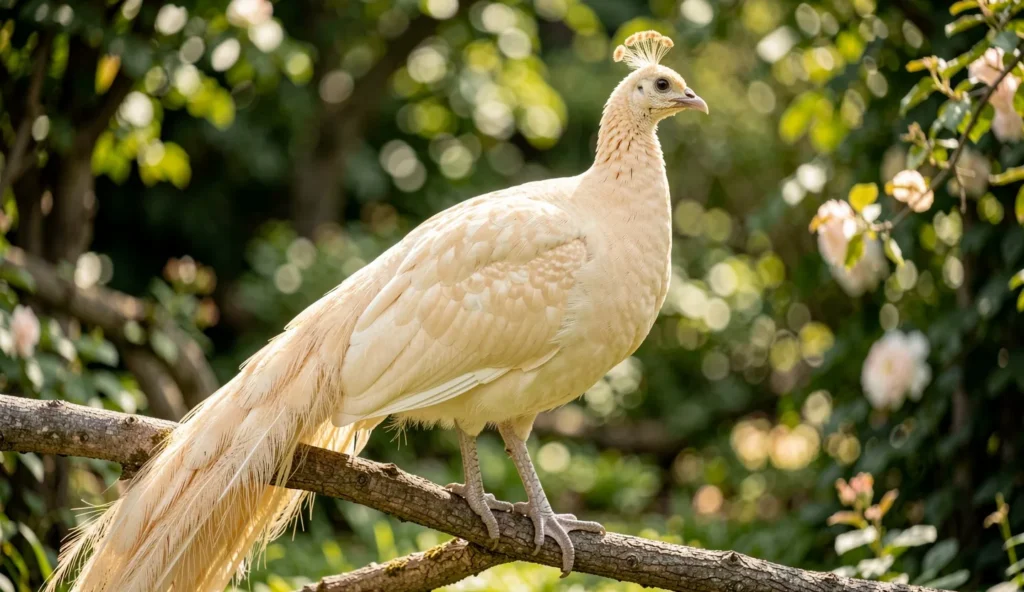
The Lilac Peafowl is a color mutation found within the Indian blue peafowl lineage. It expresses a pastel plumage that leans toward lavender tones, earning it the nickname pastel purple bird among enthusiasts.
Origins Of The Lilac Mutation
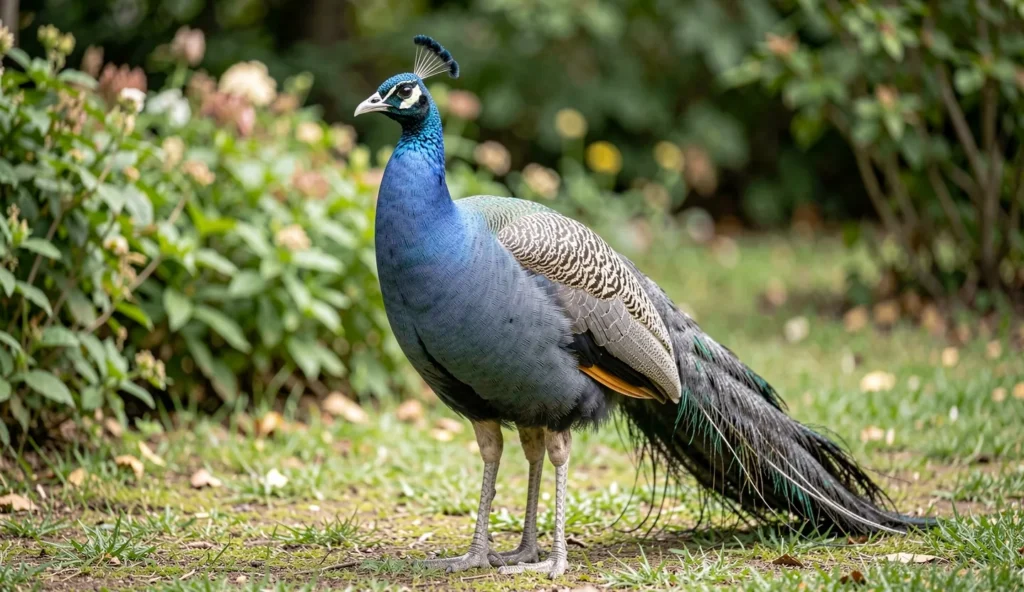
The lilac mutation arises from specific genetic alleles that influence pigment production in feathers. It appears within the Indian Peafowl family, reflecting the diversity of color in this species.
Appearance And Physical Features
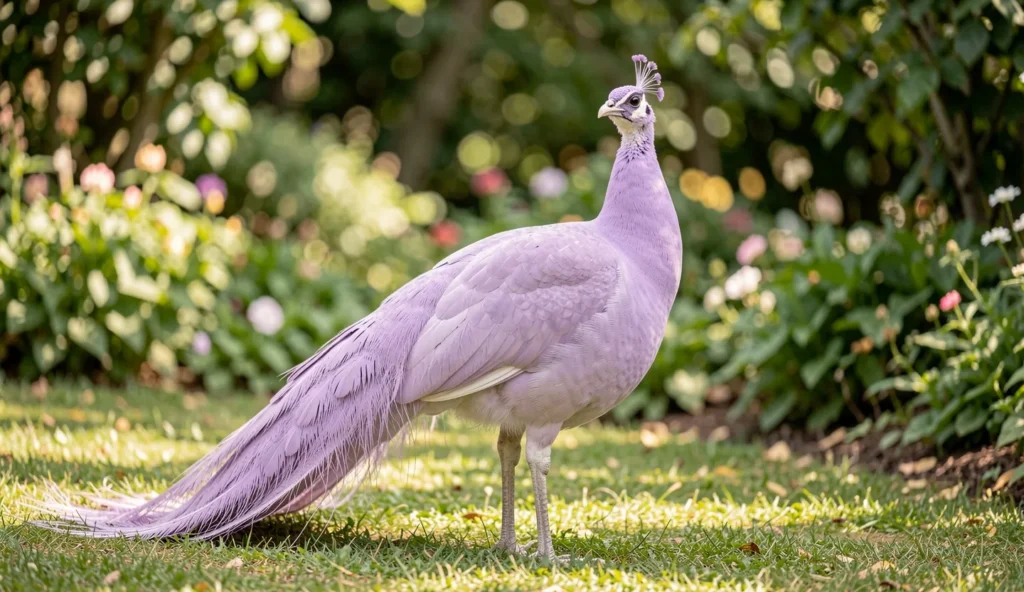
The Lilac Peafowl displays a soft lavender-dominated plumage with hints of blue, delivering a quiet, elegant presence. Body size and proportion are similar to standard peafowl, with a slender beak and dark eyes that contrast with pale feathers.
- Pastel lilac plumage dominates the wings and tail.
- Soft lavender undertones blend with blue highlights.
- Beak color is typically horn-brown with dark eyes.
- Tail train shows a more muted shimmer than wild types.
In balance with other color forms, the Lilac Peafowl fits well in mixed aviaries and showcases a unique pastel purple bird silhouette. Purple Peafowl varieties illustrate the broader spectrum of color among peafowl.
Temperament And Personality
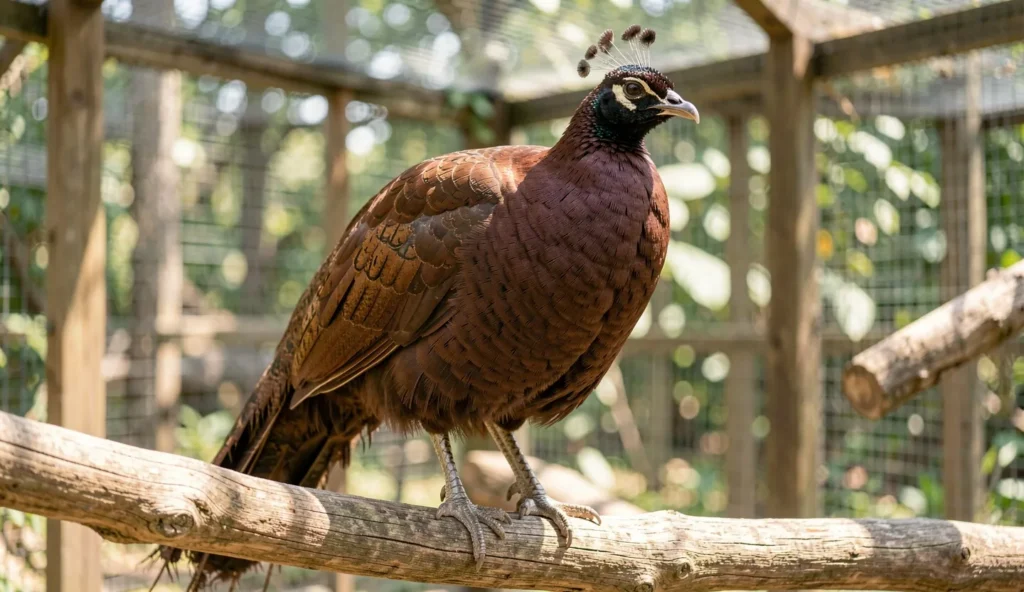
Typically calm and curious, the Lilac Peafowl remains approachable when socialization starts early. It tends to be confident in flocks and gentle with humans, making interactions predictable for responsible keepers. Black-Shouldered Peafowl heritage can influence a mild temperament in some lines.
Exercise And Activity Needs
Outdoor time should be secure, offering space to stretch wings and perform short flights. Enrichment includes perches, foraging puzzles, and seasonal activities to prevent boredom.
Keepers should avoid overcrowding, as overcrowding increases stress in any flock, including Lilac Peafowl. Green Peafowl articles provide context on flight-capable species kept in mixed habitats.
Grooming And Care Tips
Grooming Essentials
- Regular feather inspection during moults to spot parasites.
- Beak and nail checks at least quarterly.
- Bathing needs met with shallow water sources in secure areas.
Feeding And Nutrition
- Balanced pelleted diet appropriate for peafowl adults.
- Fresh greens and clean water daily.
- Occasional calcium sources such as crushed shells for adults.
Exercise And Enrichment
- Outdoor time with safe enclosure access.
- Perches and puzzle feeders to stimulate foraging.
- Avoid overcrowding to reduce stress in flocks.
Handling And Socialization
- Gentle handling routines from a young age build trust.
- Maintain a clear flock hierarchy to minimize tension.
- Observe for signs of fear or aggression and adjust interactions.
Health Concerns And Common Conditions
Regular health checks help identify parasites and nutritional issues early. Routine vaccinations and veterinary care support long-term wellbeing for this pastel heritage.
Is A Lilac Peafowl Right For You
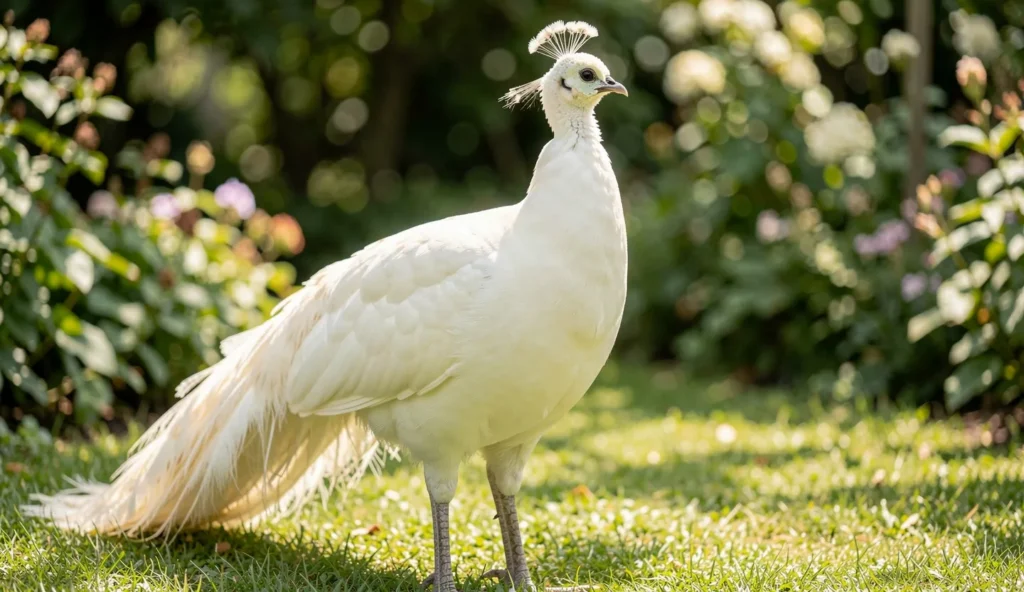
They suit collectors with secure outdoor space and experience managing flock dynamics. For those seeking a distinctive display bird, a Lilac Peafowl adds a refined pastel accent to any collection, such as a growing grouping with other diverse forms like White Peafowl.
Final Note
The Lilac Peafowl remains a graceful addition for responsible keepers, offering gentle beauty in a compact feathered package. Its pastel presence enhances garden displays without demanding excessive upkeep.
Frequently Asked Questions
What exactly is a Lilac Peafowl and how does it differ from other peafowl?
A Lilac Peafowl is a color mutation of the Indian blue peafowl with pastel lilac plumage resulting from specific genetic alleles.
How does the lilac mutation appear in peafowl and is it hereditary?
The lilac mutation is genetic and can be hereditary, typically carried by specific alleles that influence feather color.
Can Lilac Peafowl be kept as pets and what care do they require?
They can be kept as birds in appropriate enclosures with adequate space, security, and enrichment, along with a balanced diet and regular veterinary care.
What space and housing do Lilac Peafowl need in captivity?
They require large aviaries or secure outdoor enclosures with shade, predator protection, and perches; the size depends on flock size.