What Is a Mauve Peafowl
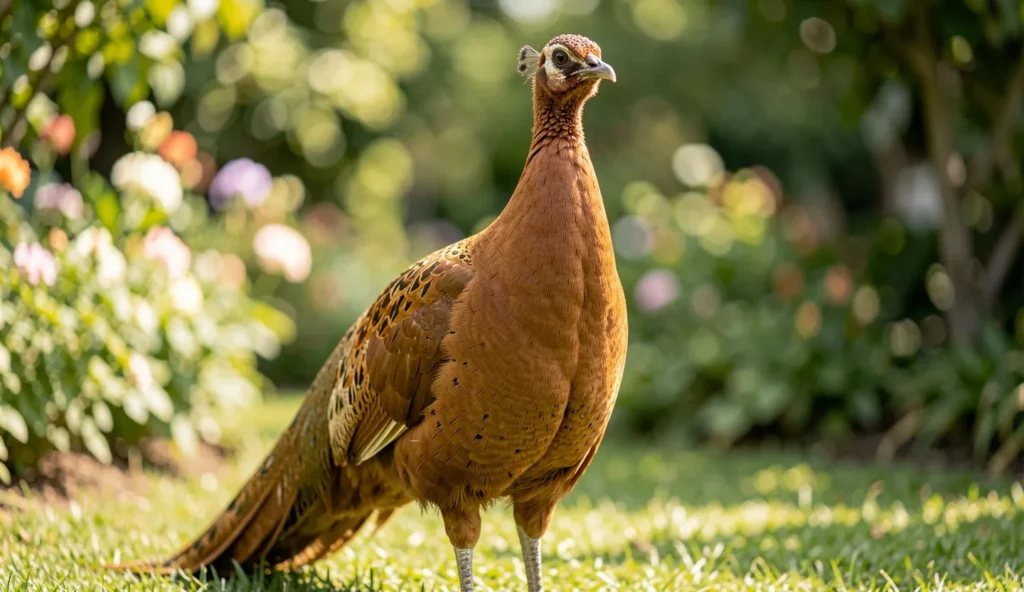
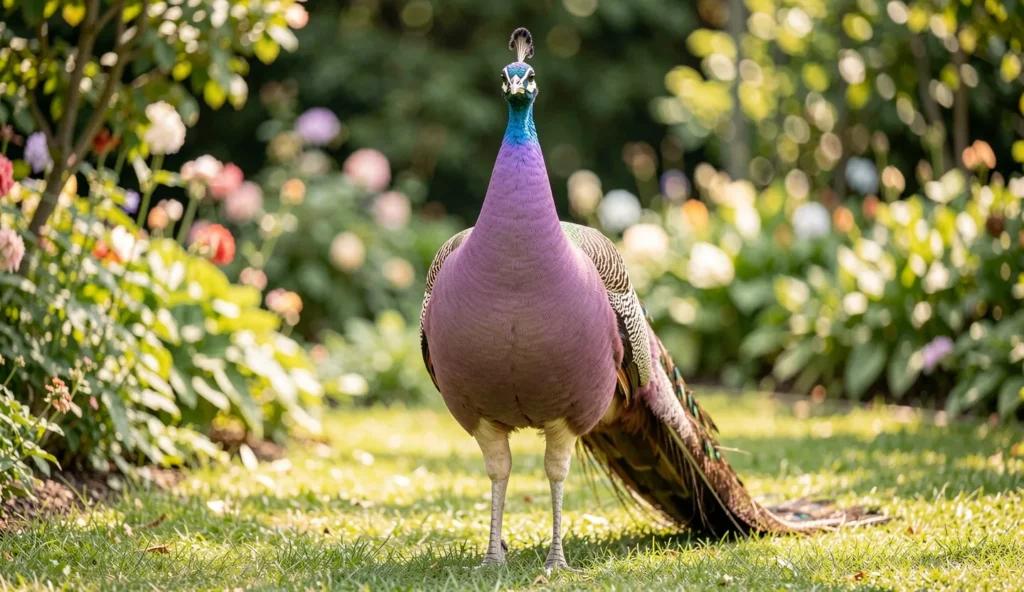
The Mauve Peafowl is a distinct mutation of the peafowl, notable for its soft purple grey plumage. This variation often appears in lines related to the Indian Peafowl and can become a prized addition for collectors and breeders. A breeder or collector would value it for color diversity and uniqueness in a display or breeding program.
Origin and Mutation
The Mauve Peafowl arises from a Mauve mutation, a lineage trait that produces muted purple grey plumage. This trait is often recessive and rare among lines, requiring careful lineage tracking to stabilize expression. Selective breeding enhances mauve expression and stabilizes color over generations. For context, Purple Peafowl illustrates how genetic background can influence plumage.
Color Variants and Genetics
The Mauve Peafowl color is a pastel shade distinct from teal or copper, and the exact hue depends on the genetic background and pairings. Expression varies with the overall genome, and inheritance patterns are complex in peafowl. In practice, breeders monitor mating lines such as those described in the Indian Peafowl and related stocks to predict outcomes.
Appearance and Physical Features
Plumage Color and Pattern
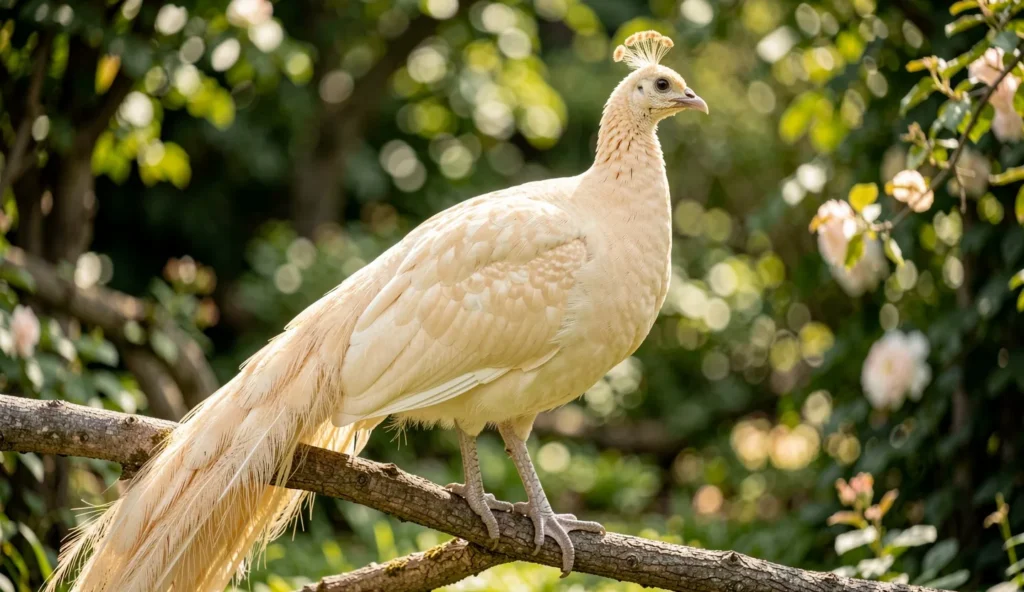
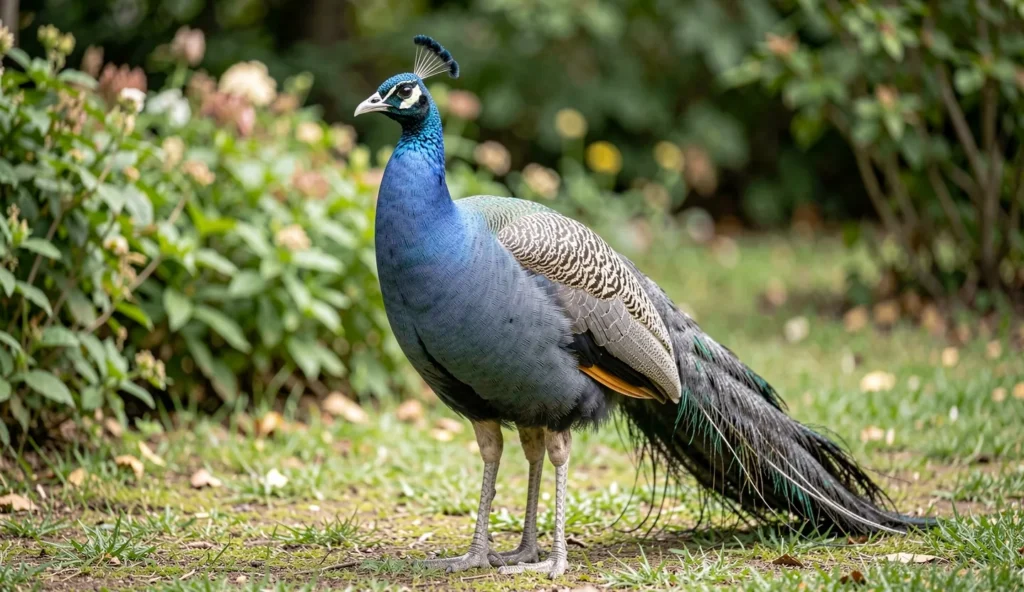
Soft mauve to purple grey feathers dominate the plumage, creating a subdued yet striking look. The grey base with lavender undertones is visible across the body, while the male train displays muted tones during courtship. Female plumage tends to lighter hues, maintaining the same soft palette.
- Soft mauve to purple grey feathers dominate
- Grey base with lavender undertones across plumage
- Male train shows muted tones during display
- Female plumage tends to lighter hues
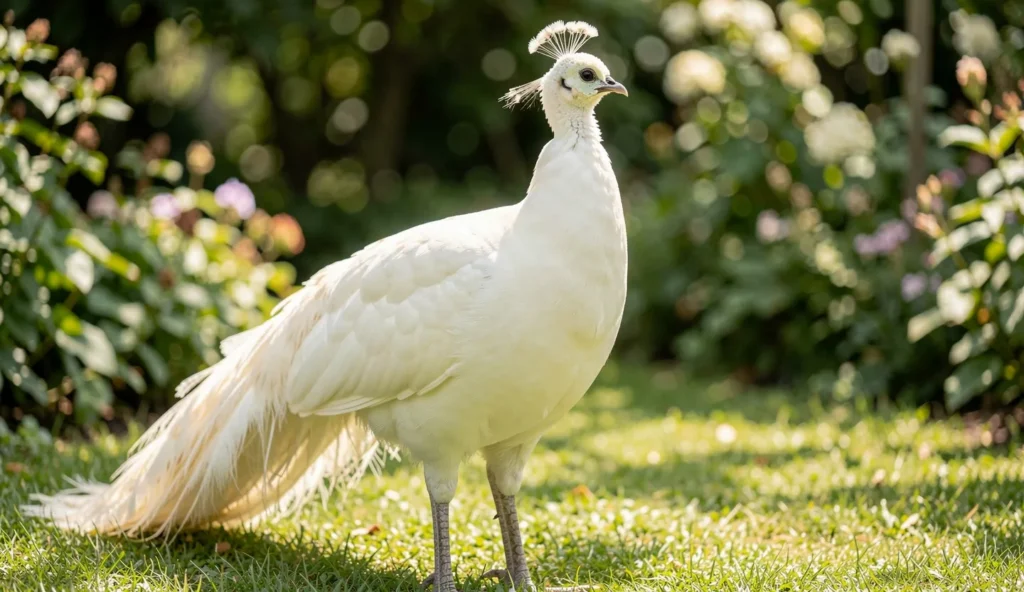
Overall, the Mauve Peafowl presents a calmer silhouette compared with brighter color variants like the White Peafowl in certain lighting conditions.
Size and Body Structure
These are large birds with strong legs, and body length varies by sex. The Mauve mutation does not significantly change overall size, so standard care requirements apply.
- Large birds with strong legs
- Body length varies by sex
- Mauve mutation does not change size significantly
Temperament and Social Behavior
General Temperament
Generally bold and alert around people, Mauve Peafowls can be wary in new environments. Males are often dominant during the breeding season, influencing flock dynamics.
- Generally bold and alert around people
- May be wary in new environments
- Males often dominant during breeding season
In mixed flocks, gradual introductions help reduce stress. This aligns with guidance from experienced breeders such as those familiar with Spalding Peafowl lineages.
Compatibility with Other Birds
A spacious aviary is essential to share space with other birds, and introductions should be gradual. Monitor for pecking or bullying during the first weeks after mixing new birds.
- Requires spacious aviary to share with others
- Introductions should be gradual
- Monitor for pecking or bullying in flocks
Care Tips and Housing
Housing and Enclosures
Outdoor enclosures must be large and secure, with elevated roosts to protect from predators. Provide shade and shelter from weather to maintain plumage health.
- Outdoor enclosure must be large and secure
- Elevated roosts protect from predators
- Provide shade and shelter from weather
Many keepers consider density and space similar to notes in Green Peafowl discussions to avoid crowding pressure.
Diet and Feeding
A balanced mix of grains, seeds, greens, and occasional insects supports plumage and health. Fresh water should be available at all times, and calcium supplements are beneficial for breeders.
- Balanced mix of grains, seeds, greens, and insects
- Fresh water available at all times
- Calcium supplements for breeders
Grooming and Hygiene
Regular feather and skin checks help detect problems early. Dust bathing supports plumage health, and parasite control along with a clean living area reduces disease risk.
- Regular feather and skin checks
- Dust bathing supports plumage health
- Parasite control and clean living area
Common Health Issues and Prevention
Preventive Health Measures
Regular vet visits and vaccines per local guidance support overall welfare. Parasite monitoring and control are essential parts of a monitoring program, along with clean coop and water sources.
- Regular vet visits and vaccines per local guidance
- Parasite monitoring and control
- Clean coop and water sources reduce disease risk
Common Diseases to Watch For
Respiratory infections can occur in crowded housing, so ventilation matters. Nutritional deficiencies affect plumage and fertility, and injuries require prompt care.
- Respiratory infections in crowded housing
- Nutritional deficiencies affect plumage and fertility
- Injuries require prompt care
Is Mauve Peafowl Right for You
Who Benefits From This Mutation
Experienced breeders seeking color diversity, collectors of unique plumage, and keepers with ample outdoor space benefit from this mutation. The Mauve Peafowl offers a niche option for serious collections.
- Experienced breeders seeking color diversity
- Collectors of unique plumage mutations
- Keepers with ample outdoor space
For breeders pursuing new lines, this mutation aligns with long term goals and careful record keeping. Many enthusiasts reference the Spalding Peafowl lineage as a model for managing color expression in hybrid programs.
Final Note
Maintenance and thoughtful breeding plans help stabilize mauve expression while preserving bird health. With proper care, the Mauve Peafowl remains a refined addition to a color focused collection.
Frequently Asked Questions
What exactly defines a Mauve Peafowl and how is the color mutation inherited?
The Mauve Peafowls display a muted purple grey plumage, and inheritance is genetic and often complex.
How should Mauve Peafowls be housed and cared for in captivity?
Provide a large outdoor enclosure with secure fencing, shelter, and elevated perches.
What is the typical temperament of Mauve Peafowls around people?
They are generally bold and curious but can be wary in new settings.
What does a Mauve Peafowl diet look like in captivity?
A varied diet of grains, seeds, greens, and insects with fresh water is essential.