Indian Peafowl – The Pride of India
Introduction
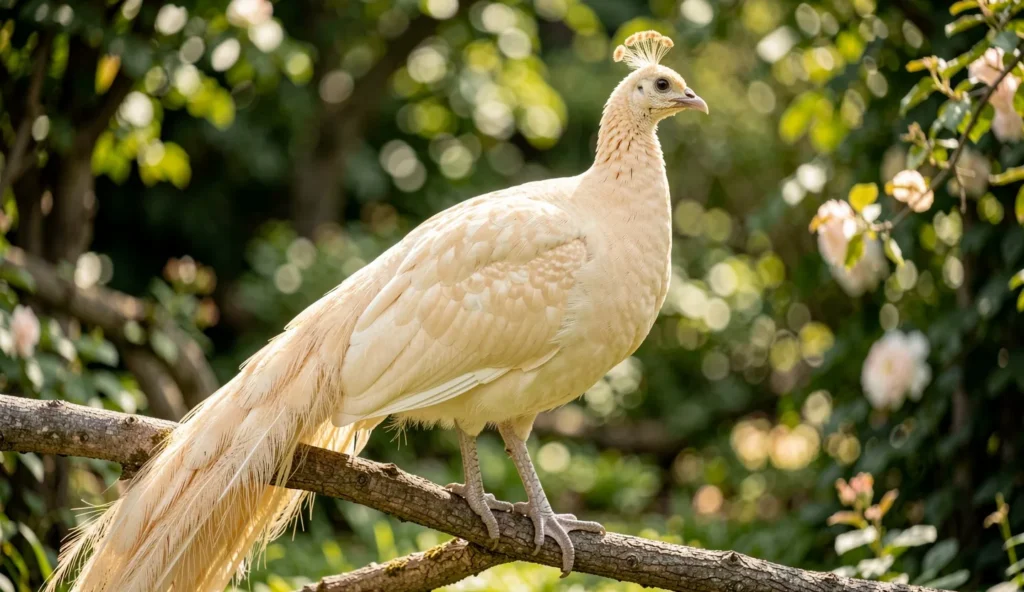
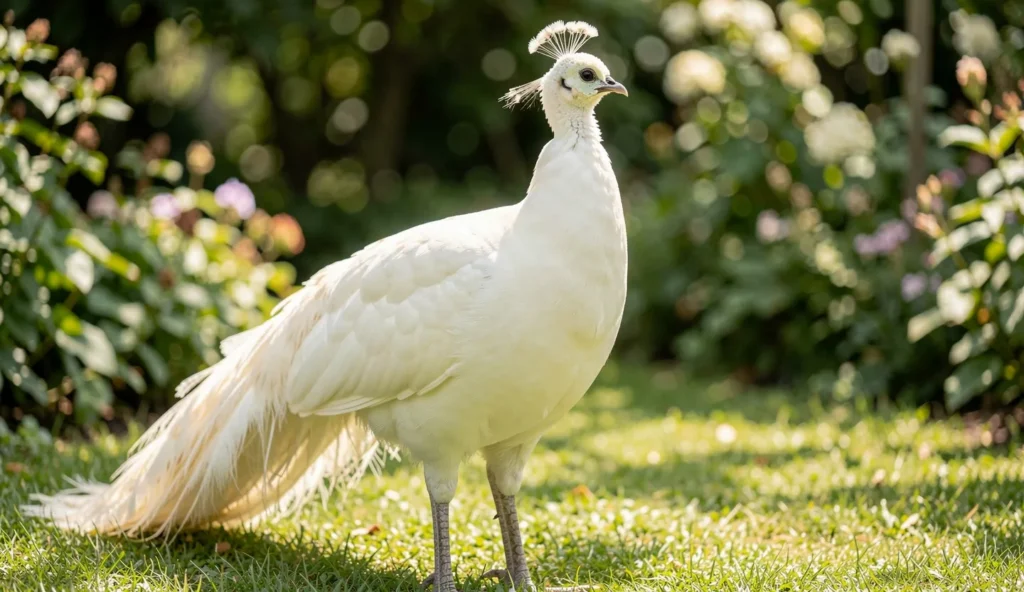
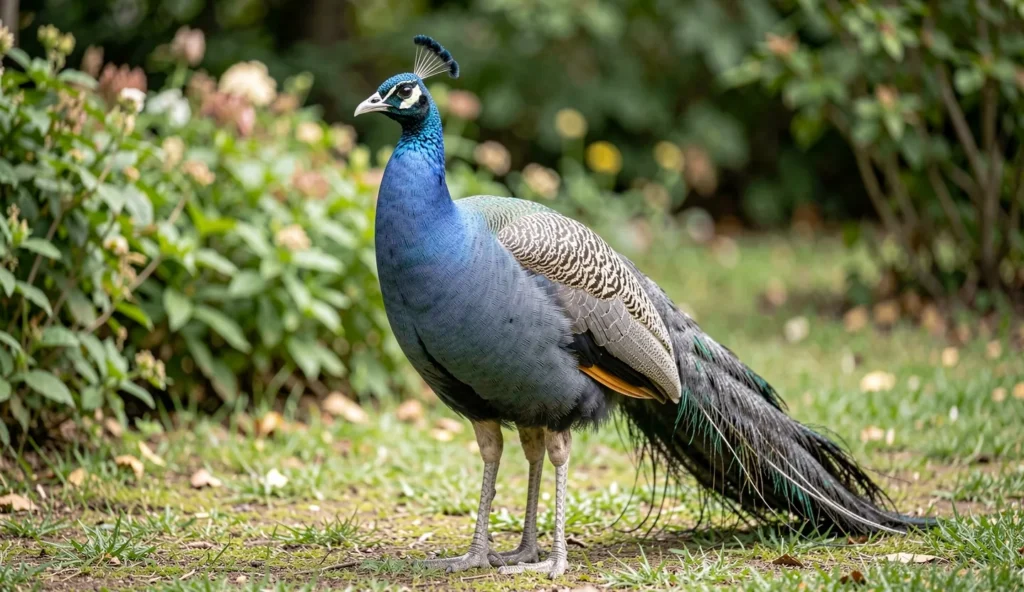
The Indian Peafowl (Pavo cristatus) is one of the world’s most admired birds, renowned for its iridescent plumage and spectacular courtship displays. As India’s national bird, the peafowl holds deep cultural, ecological, and historical significance. While the classic blue-and-green Indian Peafowl is the most recognized, it has also given rise to several stunning color mutations, including the white peafowl and the black shouldered peafowl, which are popular among breeders and collectors. Whether seen in gardens, forests, or temple grounds, the Indian Peafowl never fails to captivate.
Origin and Habitat
Indian Peafowls are native to the Indian subcontinent. They are commonly found in:
- India
- Sri Lanka
- Nepal
- Pakistan
They live in forests, farmlands, villages, and even near human settlements. Peafowls have also been introduced to countries like the USA and Australia, where they adapt well to new environments.
Appearance
Indian Peafowls are known for their unique looks:
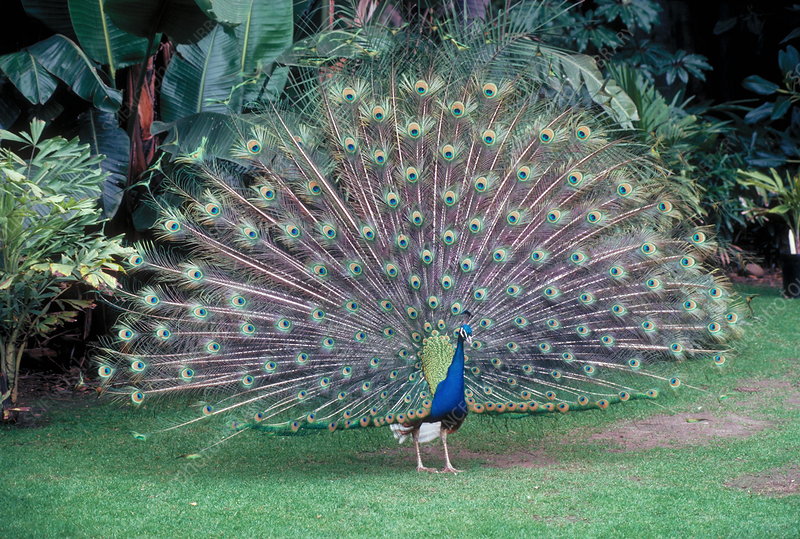
- Males: Bright blue body and a long, colorful tail with eye-like spots
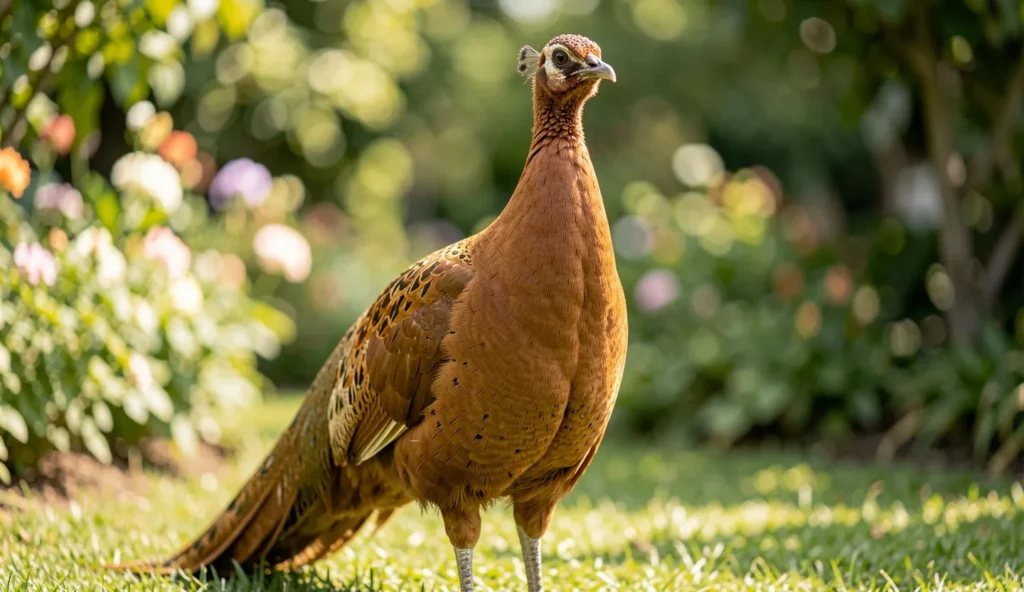
- Females: Brown or grey body for better camouflage
- Train Length: Can reach up to 5 feet
- Crest: Both males and females have a small crown of feathers
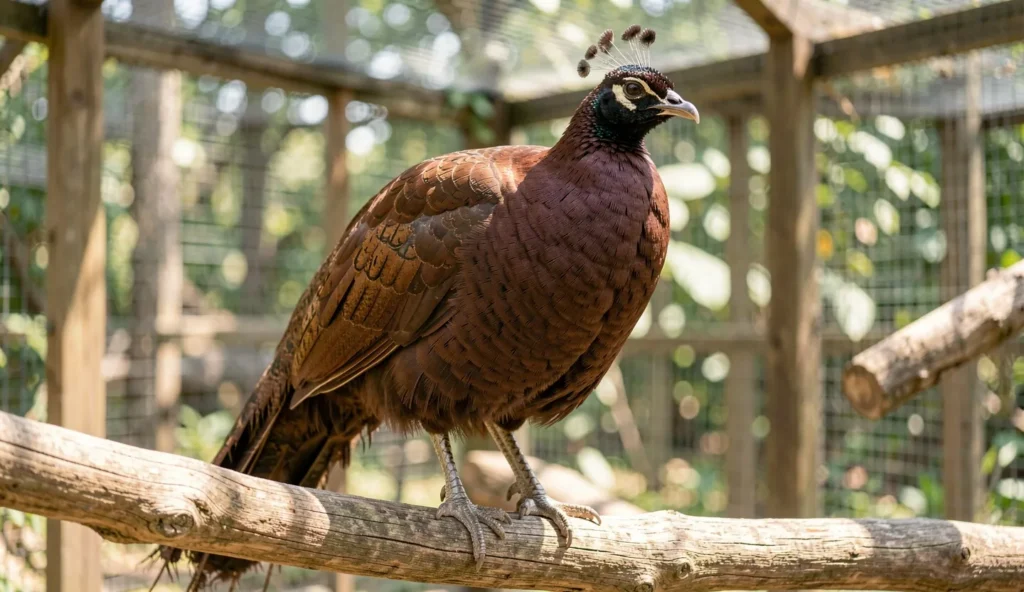
The male’s train is not used for flying. It’s mainly for attracting peahens during mating season. For those interested in other peafowl varieties, the green peafowl offers a striking contrast with its metallic green plumage and more upright crest.
Social Life and Behavior
Indian Peafowls are social birds and are often seen in small groups. Their behavior includes:
- Loud calls, especially before rain
- Males perform dances by fanning out their feathers
- Forage for food during the day
- Sleep in trees at night for safety
Despite their size, they can run quickly and fly short distances to escape danger.
What They Eat
Indian Peafowls are omnivores. Their diet includes:
- Seeds and grains
- Insects and small reptiles
- Fruits and berries
- Leaves and plants
They help control pests in farms and gardens, making them ecologically useful.
Where They Live
Peafowls are adaptable and live in many types of areas:
- Forests and woodlands
- Grasslands and scrublands
- Farms and open fields
- Temple grounds and rural villages
They need trees for roosting and places with water and food sources.
Breeding and Raising Chicks
The mating season starts with the monsoon rains. Here’s how they breed:
- Males show off their train to attract females
- Females lay 3–6 eggs in shallow ground nests
- Only the female incubates the eggs and cares for the chicks
- Chicks can walk and feed shortly after hatching
Chicks grow quickly and start learning survival skills from their mothers.
Conservation and Protection
Indian Peafowls are listed as Least Concern by the IUCN, but still face some threats:
- Habitat destruction due to farming and construction
- Illegal hunting for feathers or meat
- Attacks by stray dogs or other predators
In India, they are protected under the Wildlife Protection Act of 1972.
Cultural Importance
The Indian Peafowl has deep cultural value:
- Linked to Hindu deities like Lord Krishna and Kartikeya
- Seen in classical dance, music, and folk tales
- Declared India’s National Bird in 1963
- Featured in Indian art, embroidery, and sculpture
They are also seen as symbols of peace, purity, and prosperity.
Fun Facts
- Their feathers shine due to light reflection, not pigment
- Each train has more than 200 “eye” spots
- Their calls can travel up to a mile
- They help other animals by warning them of danger
FAQs
Q1: Can Indian Peafowls fly?
A: Yes, they can fly short distances—mainly to reach trees or escape danger.
Q2: Why do only male peafowls have long feathers?
A: Males use their train to attract mates. It’s a natural part of courtship.
Q3: Are they friendly toward people?
A: They usually avoid people but can become calm in peaceful surroundings.
Q4: How long do they live?
A: In the wild, they live 10–15 years. With care, they may live up to 20 years.
Q5: Are they endangered?
A: No, but local threats exist. Protecting their habitats helps keep their numbers stable.
Conclusion
The Indian Peafowl is a symbol of natural beauty and cultural pride. With its dazzling feathers and graceful presence, it continues to inspire awe and admiration. By protecting its habitat and raising awareness, we ensure that future generations can enjoy the charm of this magnificent bird. For those looking to explore more peafowl varieties, the purple peafowl and the congo peafowl offer unique alternatives with their own distinct beauty and care requirements.