Mini Lab Dog Breed – The Adorable Companion You Need to Know
The Mini Lab dog breed offers the friendly charm of the Labrador Retriever in a smaller, easier-to-manage package. With the same affectionate nature, intelligence, and eagerness to please, Mini Labs are a great match for families, first-time dog guardians, and apartment living—provided they get daily exercise and enrichment. Unlike some teacup dog varieties that can face severe health issues, well-bred Mini Labs maintain the robust constitution of their larger relatives in a more compact frame.
What Is a Mini Lab?
A Mini Lab (often called a Miniature Labrador) is not a separate registered breed. Most Mini Labs are created by responsibly pairing smaller Labs or by crossing a Labrador with a smaller breed—commonly a Cocker Spaniel—to reduce overall size while keeping that classic Lab personality. This approach is similar to how other designer dogs, like the Teddy Bear Dog, are developed to combine desirable traits from different parent breeds.
- Height: 15–20 inches
- Weight: 25–50 pounds
- Lifespan: 10–14 years
Because there is no single standard, sizes and traits can vary. Reputable breeders will share health tests and expected adult size ranges.
Appearance
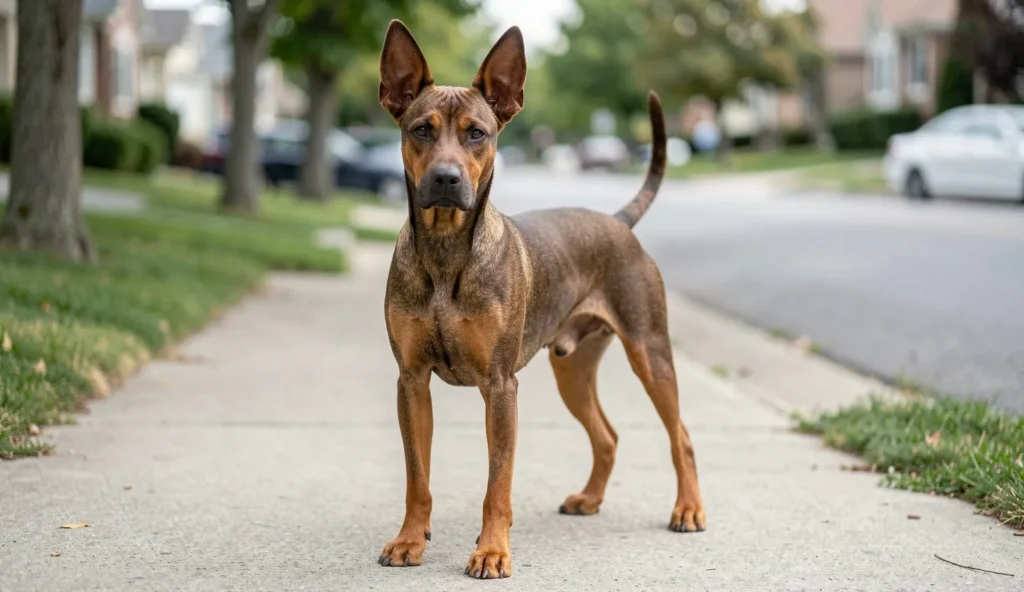
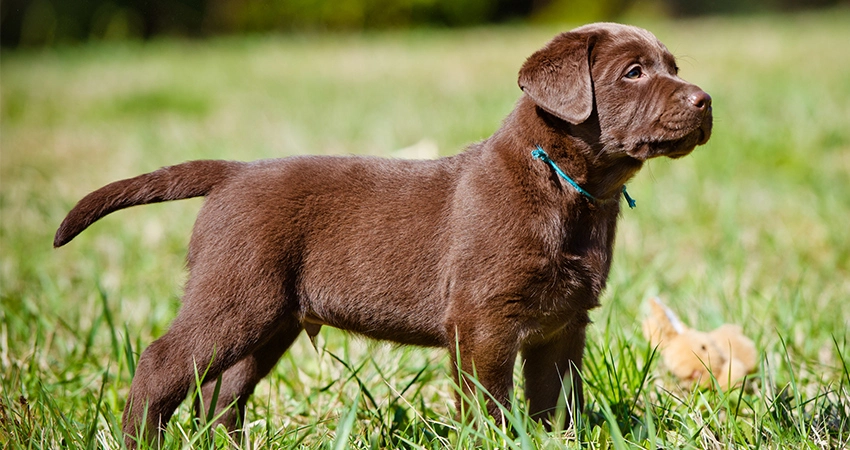
Mini Labs resemble standard Labradors with a sleek, water-resistant coat, expressive eyes, and a friendly face. Common colors include:
- Black
- Chocolate
- Yellow (from pale cream to deeper gold)
Expect a compact frame with good muscle tone and the classic “Lab smile.”
Temperament
Mini Labs are known for their gentle, social, and enthusiastic personalities. They typically:
-
- Bond closely with people of all ages
- Enjoy training and games that challenge the mind
- Get along with other dogs and household pets when properly introduced
- Thrive on positive reinforcement and consistent routines
Energy & Exercise Needs
Even in a smaller body, Mini Labs are active. Plan for 45–60 minutes of daily activity plus enrichment:
-
-
- Leashed walks and safe off-leash play
- Fetch, tug, and scent games
- Puzzle toys and training sessions
-
Regular activity supports good behavior and overall well-being.
Grooming & Shedding
The short, double coat is low maintenance but sheds seasonally. Keep things tidy with:
-
-
- Weekly brushing (more during shedding seasons)
- Occasional baths
- Nail trims, ear checks, and dental care
-
Diet & Nutrition
Feed a balanced, high-quality diet suited to age, size, and activity level. Many Mini Labs love food—watch portions to prevent weight gain.
-
-
-
- Protein-forward kibble or fresh diets (vet-guided)
- Measured meals and limited treats
- Regular weight checks and body-condition scoring
-
-
Health Considerations
Ask breeders for health testing relevant to Labradors and any cross used. Potential concerns can include:
-
-
-
-
- Hip and elbow dysplasia
- Allergies or sensitive skin
- Ear infections (manage with routine cleaning)
- Obesity (managed by diet and exercise)
-
-
-
Regular vet checkups, vaccinations, parasite prevention, and dental care help Mini Labs thrive. A practical tip from experienced owners: start ear cleaning early in puppyhood to make it a positive routine, as Mini Labs can be prone to ear issues just like their full-sized counterparts.
Mini Lab Price Guide
Costs vary by location, breeder reputation, and lineage:
-
-
-
-
- Pet-quality Mini Lab: $500–$1,500
- From health-tested, well-documented lines: $1,200–$2,500+
-
-
-
Additionally, budget for essentials such as food, veterinary care, training, and insurance.
Is a Mini Lab Right for You?
Choose a Mini Lab if you are looking for a loving, people-oriented companion, and you can provide:
-
-
-
-
-
- Daily exercise and play
- Regular training and mental enrichment
- Time, attention, and consistent routines
They fit well in apartments or houses—keep them active and engaged. For those who appreciate the Lab temperament but want a different look, the Golden Retriever offers a similarly friendly personality with a longer, golden coat.
Where to Find a Mini Lab
-
-
-
-
-
-
- Reputable breeders: Ask for health clearances, meet the parents when possible, and review contracts.
- Rescues & shelters: Wonderful dogs—including Lab mixes—often need new homes.
- Avoid impulse purchases: Prioritize ethics, transparency, and animal welfare.
FAQs About Mini Lab Dog Breed
Q1: Is a Mini Lab a purebred Labrador?
A: Not typically. Mini Labs are usually smaller Labs selectively bred for size or Lab crosses (e.g., Lab x Cocker Spaniel). They are not a separate registered breed.
Q2: How much exercise do Mini Labs need?
A: Plan for 45–60 minutes daily, plus training and puzzle toys for mental stimulation.
Q3: Are Mini Labs good with children and other pets?
A: Yes. With respectful handling and proper introductions, Mini Labs are generally friendly and patient companions.
Q4: What is the typical Mini Lab dog price?
A: Around $500–$1,500 for pet homes; $1,200–$2,500+ from health-tested, well-documented lines (varies by region).
Q5: Do Mini Labs shed?
A: Yes. Expect moderate shedding year-round and heavier seasonal sheds—weekly brushing helps.
-
-
-
-
-
-
-
-
-
Final Thoughts
The Mini Lab dog breed packs Labrador warmth and intelligence into a smaller frame. With consistent training, thoughtful exercise, and routine care, Mini Labs make cheerful, devoted companions for a wide range of households. Whether you live in an apartment or a house with a yard, this compact retriever can bring years of joy and loyalty to your family.