🦚 White Peafowl – Nature’s Ethereal Beauty in Pure White
🌍 Introduction
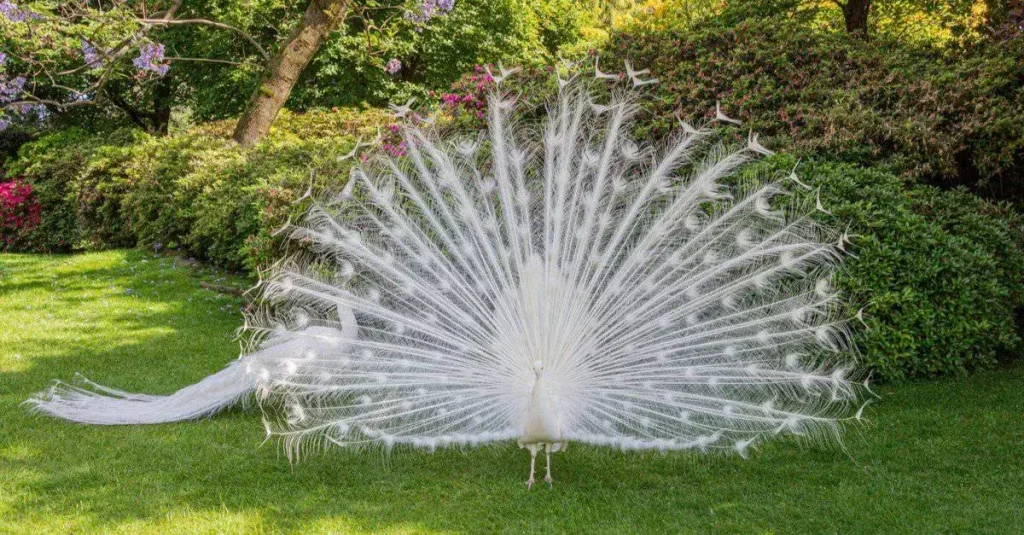
The White Peafowl is a mesmerizing bird known for its brilliant snow-white feathers and majestic display. Contrary to popular belief, this bird is not a separate species but a color variation—usually of the Indian Peafowl (Pavo cristatus)—caused by a genetic condition called leucism. Its breathtaking beauty and graceful demeanor make it a favorite in parks, estates, and cultural representations worldwide.
📜 Origin and Genetics
White Peafowls are native to the Indian subcontinent, just like their blue and green counterparts. Their unique color comes from:
- 🧬 Leucism: A genetic mutation that causes partial loss of pigment, resulting in all-white feathers
- ❌ Not Albinism: They still have blue eyes, unlike albino animals
- 🌍 Mostly bred in captivity: White peafowls are often selectively bred for their rare and ornamental appearance
Though uncommon in the wild, they are often found in palaces, temples, gardens, and sanctuaries around the world.
🧬 Physical Appearance
The White Peafowl’s pristine elegance makes it truly stand out:
- Color: Pure white plumage from head to tail
- Eyes: Pale blue or light gray
- Train: Long, flowing tail feathers with subtle iridescent “eye spots”
- Crest: A delicate white crown of feathers on the head
Their ethereal look has made them symbols of purity, beauty, and peace in many cultures.
👥 Behavior and Personality
Despite their striking color, White Peafowls behave similarly to other Indian Peafowls:
- 🗣️ Males are vocal and call out during mating season
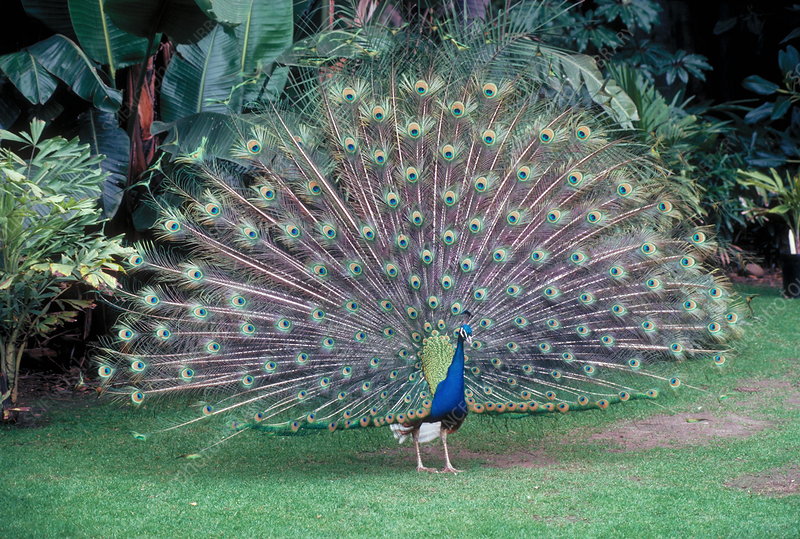
- 🦚 Males fan their tail feathers in a graceful courtship display
- 👨👩👧👦 Generally social and interact well in flocks
- 🪶 Roost in tall trees at night for protection
They are intelligent, alert, and can develop bonds with their human caregivers when raised in familiar environments.
🍽️ Diet and Nutrition
White Peafowl are omnivores and enjoy a diet rich in natural ingredients. Their food includes:
- 🌾 Grains and seeds
- 🥬 Fresh greens and vegetables
- 🦗 Insects like crickets and mealworms
- 🍓 Fruits and berries
Access to clean water and occasional supplements like calcium grit help keep them healthy and active.
🏞️ Environment and Housing
White Peafowls thrive in:
- 🌿 Spacious, open areas with shaded resting spots
- 🛖 Secure enclosures if kept in captivity
- 🌲 Trees or roosting bars for nighttime rest
- 🚫 Predator-free zones due to their visibility
Because of their bright color, they are more vulnerable in the wild and need added protection when in open environments.
👶 Breeding and Reproduction
Breeding habits are similar to those of standard Indian Peafowls. Key points include:
- 💃 Males perform dramatic courtship dances to attract females
- 🥚 Females lay 4–6 eggs per clutch
- 🪺 Eggs hatch in about 28 days
- 👩👧 Chicks are covered in soft yellow down and grow their first white feathers over time
Breeding programs often pair two white peafowls to maintain color purity in the offspring.
🩺 Health and Lifespan
White Peafowls are generally healthy and hardy birds with proper care. Common needs include:
- 🦶 Regular nail and beak checks
- 💉 Vaccinations in managed populations
- 🍽️ Balanced diet and clean environment
They can live up to 20–25 years or more in well-managed care.
🎨 Cultural Significance
White Peafowls have deep cultural, spiritual, and symbolic meanings:
- 🌸 Represent purity, peace, and divinity in many cultures
- 🕊️ Seen as sacred animals in Hindu and Buddhist traditions
- 👑 Historically bred in royal gardens and palaces
- 📸 Popular in weddings, parks, and photography due to their beauty
Their symbolism goes beyond appearance, often linked with grace, transformation, and spiritual awakening.
🎉 Fun Facts About White Peafowls
- 🧬 White peafowls are not albinos—they have normal eye color
- 🌤️ Their feathers shimmer subtly in sunlight, giving off a pearly glow
- 🎭 In many cultures, seeing a white peafowl is considered a sign of good luck
- 📜 Some royal families bred them to represent peace and prosperity
❓ Frequently Asked Questions
Q1: Are white peafowls a separate species?
A: No. White peafowls are a color variation of the Indian Peafowl, caused by a genetic condition called leucism.
Q2: Can white peafowls survive in the wild?
A: They can, but their bright color makes them more visible to predators, so they are better protected in managed environments.
Q3: Are white peafowls friendly?
A: Yes, they can be friendly and form bonds with humans when raised in a calm and caring environment.
Q4: How long do white peafowls live?
A: With good care, they can live 20 to 25 years or more in captivity.
Q5: Can a regular peafowl have white offspring?
A: Yes, if both parents carry the leucistic gene, they may produce white chicks.
✅ Conclusion
The White Peafowl is a graceful and rare vision of nature’s wonder. With its snowy feathers, dignified posture, and serene presence, this bird continues to enchant people around the world. Whether seen in a royal garden or a wildlife sanctuary, its presence reminds us of the diverse beauty and delicate balance of the natural world.