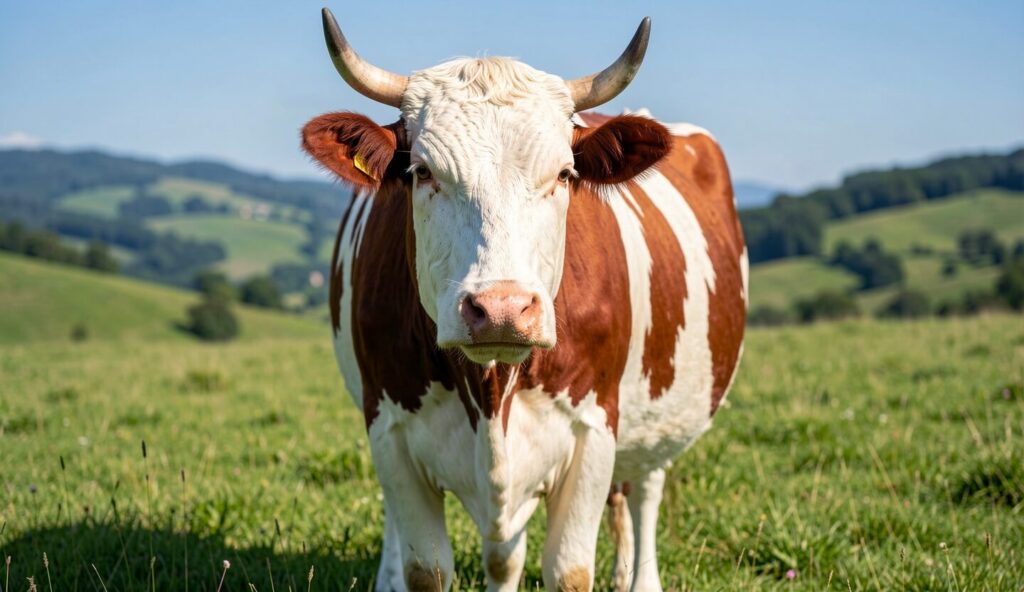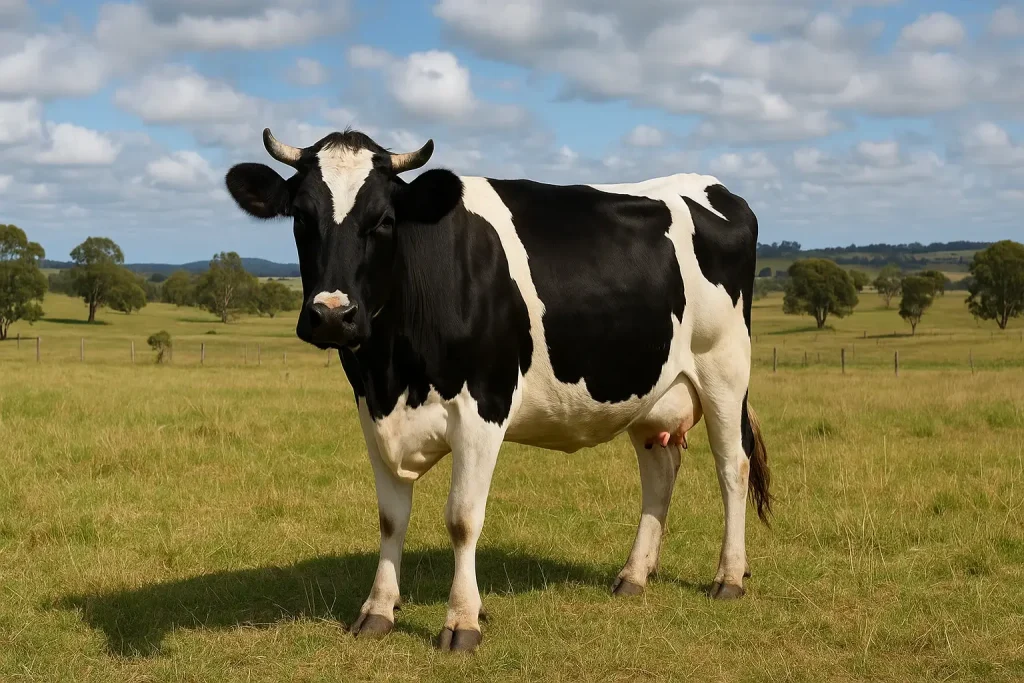
Australian Cow — A Modern Guide to Australia’s Cattle Industry
The term Australian cow covers a wide range of cattle used across Australia for beef, dairy and dual-purpose systems. Australia’s cattle sector is a global leader in pastoral production, export orientation and breed adaptation — from Angus and Hereford in temperate regions to Brahman and Droughtmaster in the north. With a national herd exceeding 30 million head and export values surpassing A$11 billion annually, understanding this industry is essential for anyone involved in cattle production, purchasing, or research. This article explains the latest data, key breeds, production systems, exports, sustainability trends and practical advice for farmers and buyers.
Current Herd Size & National Snapshot
Australia’s national herd is large and commercially important: recent government and statistical releases report roughly 30 million cattle on-holding (about 28.2 million beef cattle and 2.2 million dairy cattle) as of 30 June 2024, reflecting updated methodology and coverage. For the most current figures, the Australian Bureau of Statistics provides regular updates on Australia livestock statistics, including state-by-state breakdowns and trend data.
Key Sectors: Beef vs Dairy
Australia supports two major cattle sectors. The beef industry supplies domestic and export markets and generated roughly A$11.3 billion in export value in 2023; in 2023 Australian beef and veal exports were about 1.08 million tonnes swt. The dairy sector remains substantial: recent industry reports show national milk production continuing near historic highs, with regular monthly and annual updates provided by Dairy Australia and state departments. Detailed Australian beef export statistics for 2023 and beyond are available through Meat & Livestock Australia’s market intelligence reports.
Popular Breeds & Breed Uses in Australia
Australia’s climate diversity means many breeds are used strategically. For producers looking to match genetics to local conditions, understanding each breed’s strengths is critical:
- Angus & Hereford — dominant in temperate beef systems for carcass quality and maternal performance. These British breeds thrive in southern regions and are the foundation of Australia’s premium grass-fed and grain-fed beef programs.
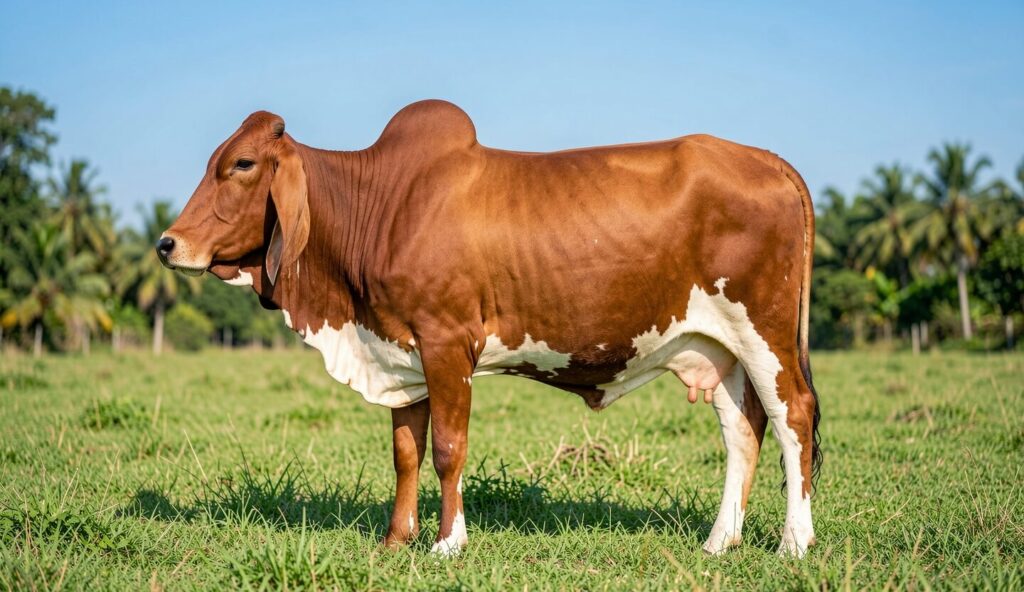
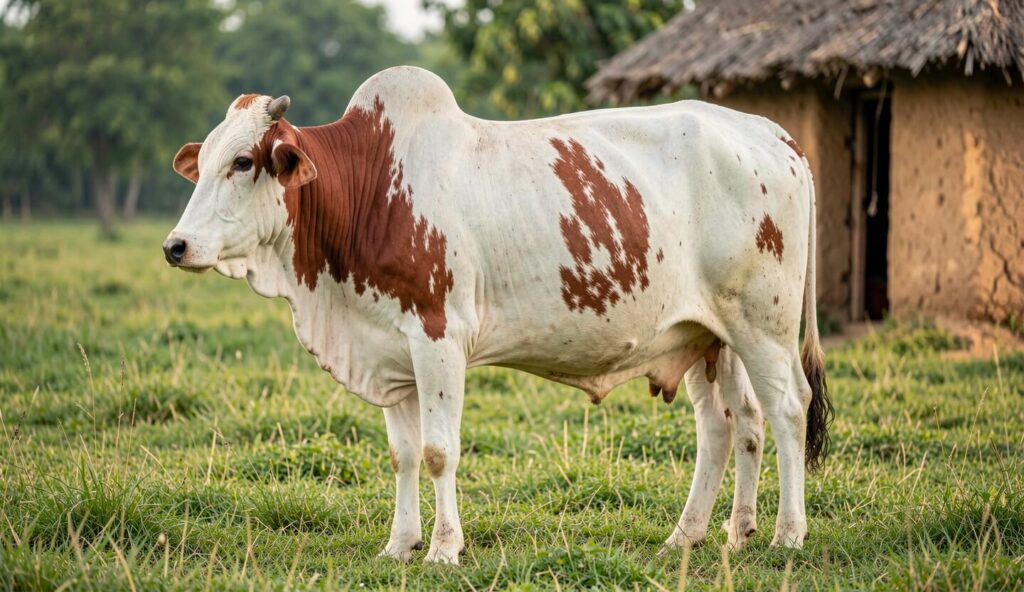
- Brahman, Droughtmaster, Santa Gertrudis — adapted to northern tropical and sub‐tropical regions for heat and parasite resistance. The Brahman cow in particular is valued for its hardiness and maternal instincts in challenging environments.
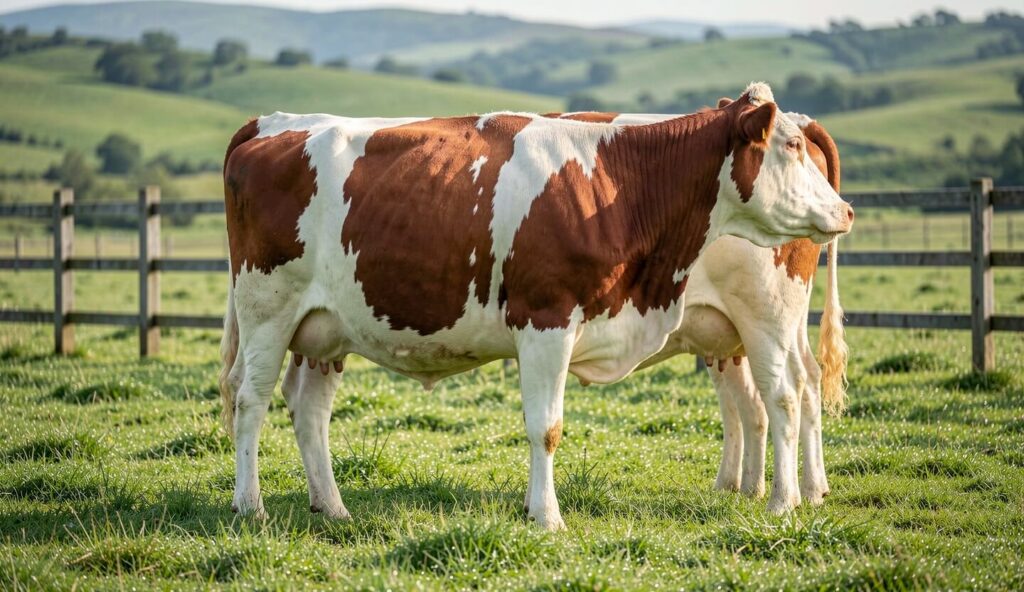
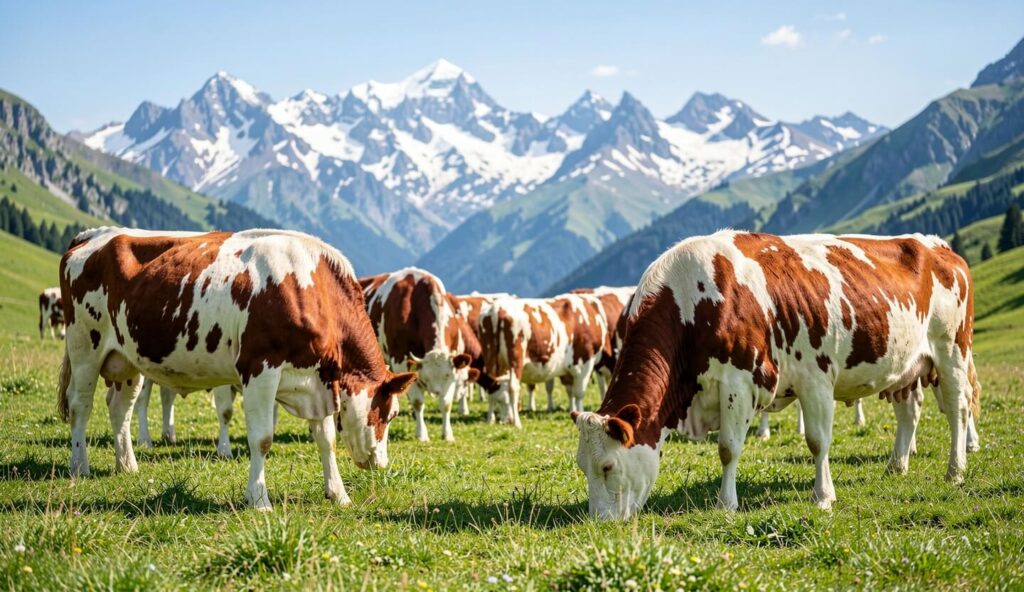
- Holstein Friesian, Jersey — main dairy breeds used in temperate dairy systems (Victoria, NSW). The Jersey cow is prized for its high butterfat content and efficient feed conversion.
For smaller properties or niche markets, Lowline cattle offer a compact, easy-handling alternative developed right here in Australia from Angus genetics.
Production Performance & Market Trends
In 2023 Australia produced around 2.2 million tonnes carcass weight of beef and veal; the industry is highly export-oriented (about two-thirds of production exported). Grainfed (feedlot) turnoff rose recently as feedlot capacity and demand recovered. These trends reflect stronger global demand and favourable prices in recent years. Producers should monitor Australia beef feedlot data and market reports from MLA to stay ahead of pricing cycles and feed availability.
Exports & International Links
Australia exports live cattle, boxed beef and genetics to many markets. Live cattle exports increased notably in 2023 (over 670,000 head), with Indonesia, Vietnam and other Asian markets among the largest destinations. The value of beef exports reached over A$11 billion in 2023 as global red meat demand rose. Export eligibility requires strict adherence to NLIS traceability and biosecurity protocols, which remain a competitive advantage for Australian producers in premium markets.
Sustainability, Emissions & Innovation
Sustainability is a major theme for Australian cattle. Industry reports show improvements in land management and productivity, and the sector is investing in methane-reduction research, feed additives (seaweed extracts), breeding for lower emissions, and regenerative grazing practices. At the same time, revised herd estimates and independent analyses have raised questions about previous emission estimates — prompting strong debates about herd size, methane intensity and accounting boundaries. The Australian Beef Sustainability Framework continues to track progress against environmental, social and economic indicators, providing transparency for consumers and supply chain partners.
Climate Change Risks & Adaptation
Climate change increases heat stress, alters pasture growth patterns and raises water risk for Australian cattle. Scientific reviews recommend adaptive strategies: diversified feed sources, rotational grazing, water infrastructure investment and targeted genetics (heat tolerant, resilient breeds). Policy and extension services emphasise on-farm resilience planning. Producers in northern regions increasingly turn to tropically adapted breeds like Brahman and Droughtmaster, while southern producers focus on drought-resistant forage species and improved water management.
Practical Management Tips for Australian Cattle Keepers
- Breed choice: match genetics to local climate and market objective (meat vs dairy vs dual-purpose). For smaller landholders, Lowline cattle offer a manageable option with excellent beef quality.
- Nutrition: prioritise quality forage, strategic supplementation in dry seasons, secure water supply.
- Animal health: maintain vaccination schedules, parasite control and monitor for mastitis/lameness in dairy herds.
- Pasture management: rotate stocking, manage weed pressure and measure carrying capacity to avoid overstocking.
- Market planning: understand export eligibility, traceability (NLIS), and seasonal price cycles to maximise returns.
Buying & Selling Australian Cattle
Australia’s cattle market includes saleyards, private treaty sales and online marketplaces. For buyers look for verified health records, NLIS tags (traceability), breed registration (if required) and recent weight/performance figures. For sellers prepare clear records (pregnancy status, vaccination, weight) and consider value-adding (weight gain, finishing) before sale. Understanding breed-specific market premiums — such as the demand for Angus or Wagyu genetics — can significantly improve sale outcomes.
Frequently Asked Questions (Short Answers)
What is the size of Australia’s cattle herd?
Recent ABS releases report around 30.4 million cattle on holding at 30 June 2024 (approximately 28.2 million beef and 2.2 million dairy cattle). The ABS Australian agriculture livestock data provides the most authoritative herd estimates.
How important are beef exports to Australia?
Extremely important — Australia exported over one million tonnes swt of beef in 2023 and generated more than A$11 billion in export value, making beef a key agricultural export.
Are Australian cattle systems reducing emissions?
The industry reports significant gains in efficiency and some emissions reductions, plus active research on methane mitigation. At the same time, revised herd estimates and independent analyses have prompted debate over the completeness of reported emission declines, so net outcomes depend on accounting boundaries and adopted technologies.
Which cattle breeds are best for Australian conditions?
For temperate southern regions: Angus, Hereford, Murray Grey and similar British breeds. For northern hotter climates: Brahman, Droughtmaster, Santa Gertrudis. Dairy producers commonly use Holstein Friesian and Jersey genetics depending on system goals. For small farms or hobby blocks, Lowline cattle provide an efficient, easy-care option.
Conclusion — The Australian Cow in 2025
The Australian cow underpins a vital, export-oriented and increasingly innovation-driven agricultural sector. Recent data shows a very large national herd and strong export performance, with beef exports exceeding A$11 billion and live cattle exports recovering strongly. The industry faces genuine sustainability and climate challenges — but is investing heavily in breeding, feed science, management and emissions mitigation to secure resilience and market access. Whether you are a producer, buyer or researcher, understanding breed choice, nutrition, market dynamics and sustainability options is essential for success in Australia’s cattle sector. From the hardy Brahman cow in the north to the productive Holstein Friesian in the south, Australia’s diverse cattle breeds continue to adapt and thrive in a changing global marketplace.
Selected Sources & Further Reading
- Australian Bureau of Statistics — Australian agriculture: livestock (2023–24) (abs.gov.au)
- Meat & Livestock Australia — Beef fast facts & industry insights (2024) (mla.com.au)
- Dairy Australia — Production & sales statistics (dairyaustralia.com.au)
- Australian Government Department of Agriculture — Live export statistics and market reports (agriculture.gov.au)
- Industry sustainability reports — Australian Beef Sustainability Framework & Annual Update (2024–25) (sustainableaustralianbeef.com.au)