Ethiopian Lion – The Regal Black-Maned Guardian of Ethiopia
Introduction
With one of the darkest manes of any lion population and a genetic lineage that sets them apart from other African lions, the Ethiopian Lion stands as a living symbol of East African heritage. Also known as the Abyssinian lion or Addis Ababa lion, this rare and distinctive lion population is native to Ethiopia. These majestic animals are admired for their unique appearance and hold deep cultural and historical significance in Ethiopian identity. Despite their low profile globally, Ethiopian lions symbolize resilience and represent an important piece of Africa’s rich biodiversity.
Natural Habitat and Range
Ethiopian lions primarily inhabit:
- The Bale Mountains and nearby highlands
- Wildlife sanctuaries and conservation centers, such as Bale National Park
- Historically, within royal enclosures in Addis Ababa
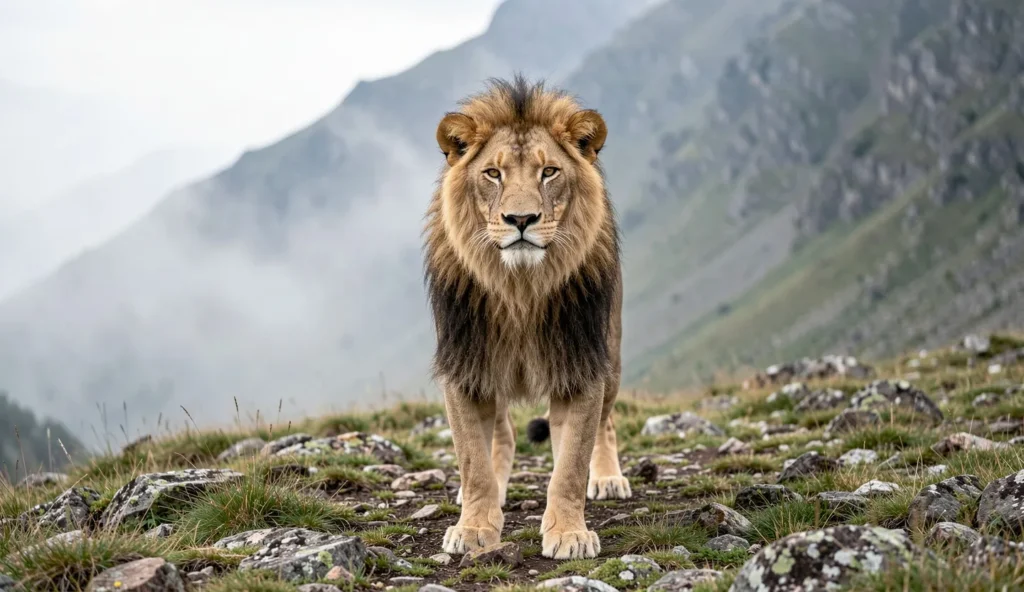
Adapted to cooler, high-altitude environments, they thrive in Ethiopia’s rugged landscapes. Unlike the Masai Lion of the savannah, Ethiopian lions are uniquely suited to montane ecosystems.
Unique Physical Features
Ethiopian lions are visually distinctive and genetically unique:
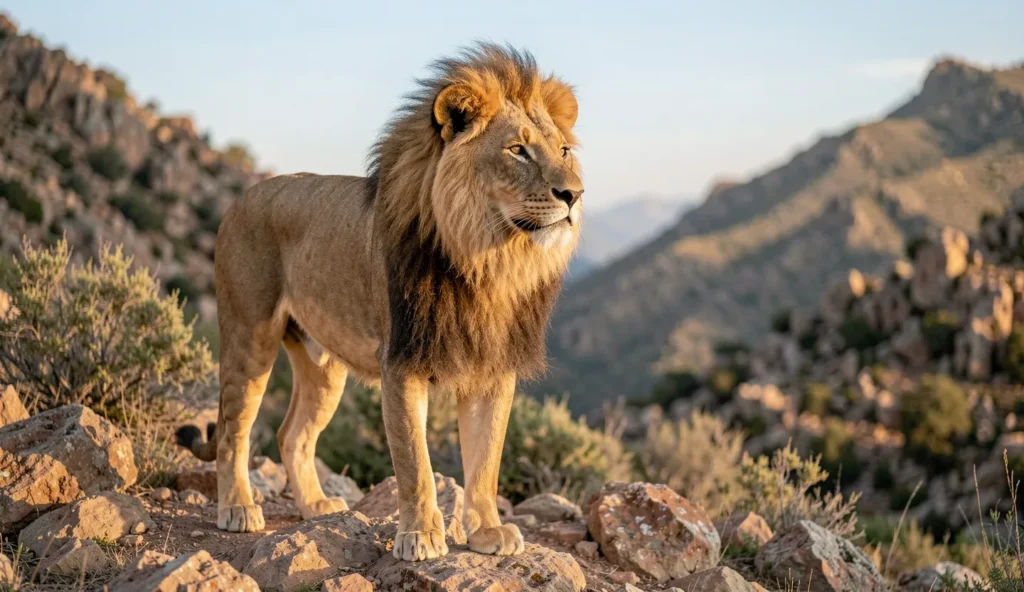
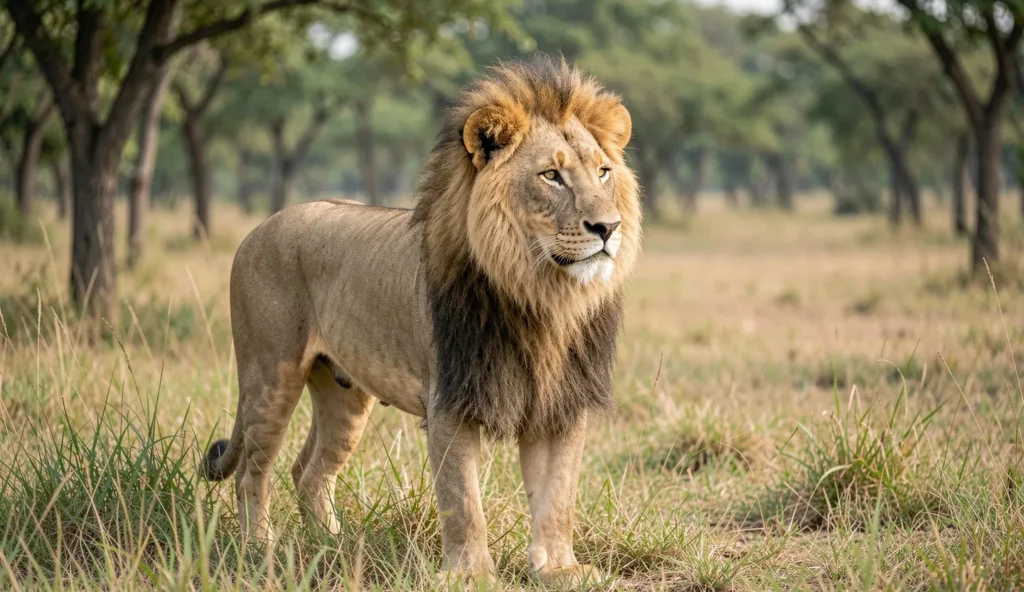
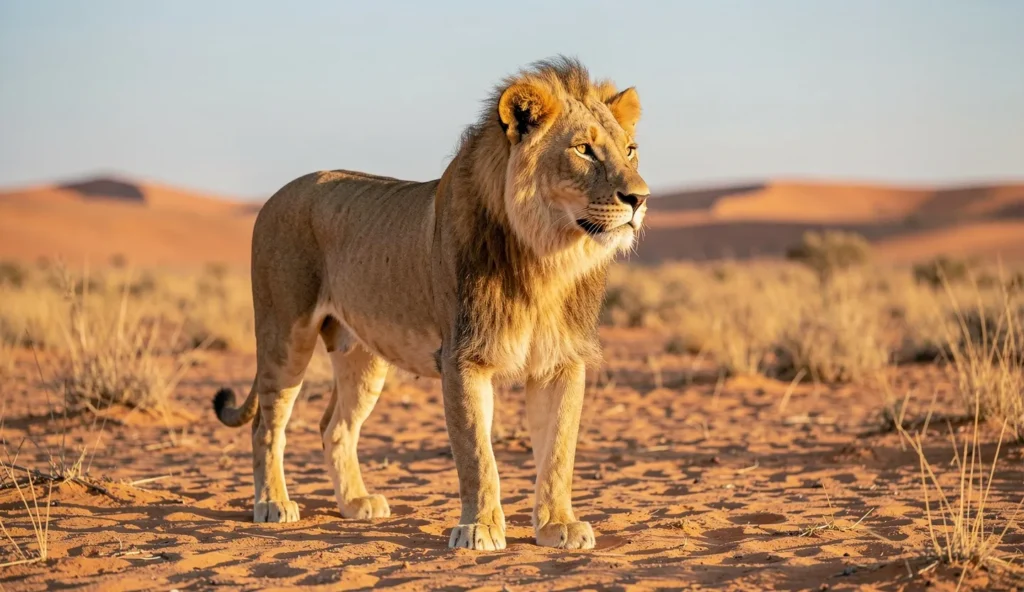
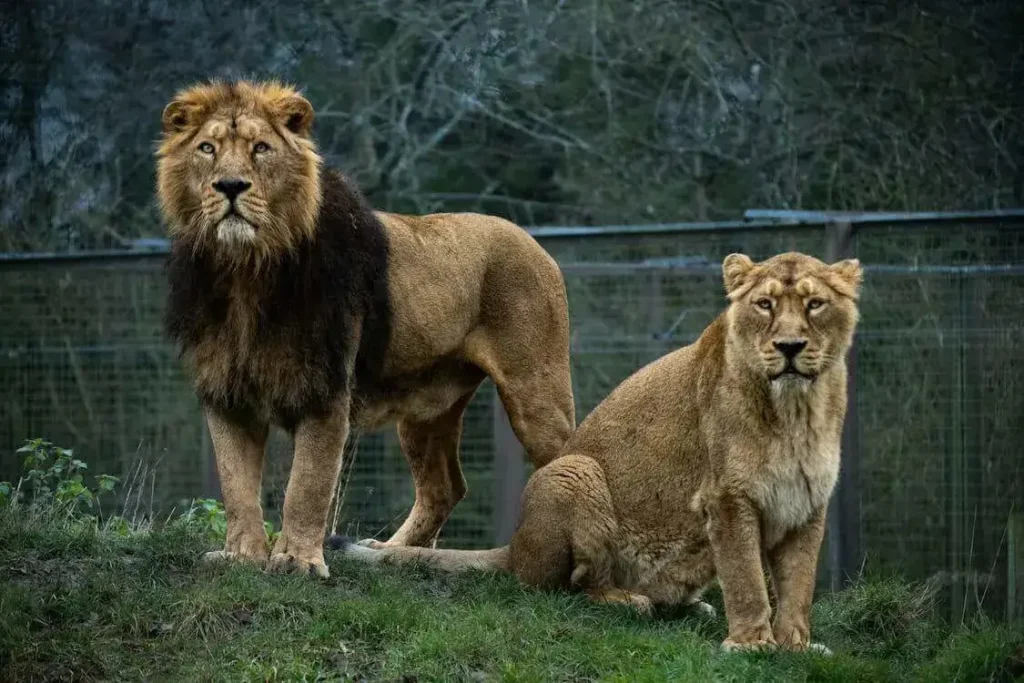
- Mane: Males sport a dark, compact mane often extending over the shoulders
- Size: Slightly smaller and leaner than other lion subspecies
- Facial Structure: More angular face and narrower skull
DNA studies confirm they differ genetically from other African lions, suggesting an ancient lineage that predates the divergence of other populations like the West African Lion.
Cultural Importance
Lions have played an important role in Ethiopian heritage:
- Emblem of strength and leadership in Ethiopian empires
- Associated with Emperor Haile Selassie and royal symbolism
- Featured in art, folklore, and national symbolism
Their legacy continues to inspire national pride and cultural reverence. The Lion of Judah remains one of the most enduring symbols in Ethiopian history, connecting modern conservation efforts to centuries of tradition.
Conservation Challenges
Ethiopian lions face several modern threats:
- Habitat loss due to farming, deforestation, and settlement
- Human-wildlife conflict, especially with livestock owners
- Low population numbers and limited gene pool
Their total population is small and primarily limited to select protected regions. Compared to the critically endangered Asiatic Lion, Ethiopian lions face similar pressures from habitat fragmentation but with even less international attention.
Conservation Efforts
Several steps are being taken to protect Ethiopian lions:
- Habitat protection in reserves and parks
- Breeding programs to maintain genetic diversity
- Awareness campaigns and local community involvement
Organizations and wildlife authorities are working to increase protection, monitoring, and public education. Recent genetic studies have helped clarify the distinctiveness of this population, strengthening the case for dedicated conservation funding. Unlike the extinct Cape Lion, Ethiopian lions still have a chance at recovery if conservation efforts continue to expand.
Human Interaction and Ethical Tourism
Ethical eco-tourism and conservation programs help generate support for Ethiopian lion protection. Visitors can:
- Observe lions responsibly in protected areas
- Support local guides and conservation centers
- Advocate for lion protection through education
Respectful engagement with local communities and wildlife contributes to long-term conservation success. Travelers interested in seeing these lions should prioritize operators who contribute directly to habitat preservation and anti-poaching efforts.
Fun Facts About Ethiopian Lions
- Their manes are among the darkest of any lion subspecies
- A small population was rediscovered in captivity at Addis Ababa Zoo
- Once considered mythical due to their rarity and unique look
- A lion named “Lion of Judah” remains a powerful national symbol
Frequently Asked Questions
Q1: Are Ethiopian lions a separate species?
A: No, they are a genetically distinct population of African lions, not a separate species.
Q2: Why are Ethiopian lions important?
A: They represent a unique genetic line, cultural heritage, and are crucial to biodiversity and conservation education.
Q3: How many Ethiopian lions are left?
A: Estimates vary, but their population is very small and mostly limited to protected areas and a few zoos.
Q4: Can Ethiopian lions be seen in the wild?
A: Sightings are rare, but possible in protected habitats like the Bale Mountains. Most are in conservation centers.
Q5: What can people do to help Ethiopian lions?
A: Support conservation groups, promote awareness, advocate for habitat protection, and avoid activities that exploit wildlife.
Conclusion
The Ethiopian Lion stands as a proud symbol of East African wildlife heritage. With its regal black mane, cultural significance, and vulnerable status, this lion reminds us of the importance of conserving Earth’s unique and rare species. Protecting the Ethiopian lion is not just about saving one population—it’s about preserving history, culture, and nature for future generations. As conservationists work alongside local communities, there is hope that this remarkable lion will continue to roam Ethiopia’s highlands for decades to come.