Masai Lion – The Wild Majesty of East Africa
Introduction
With a roar that can be heard up to five miles away and a social structure as complex as any in the animal kingdom, the Masai Lion stands as one of the most iconic predators on Earth. Also known as the East African lion, this subspecies is native to the savannahs of Kenya and Tanzania. These lions are known for their long legs, unique mane shapes, and their prominent presence in African wildlife tourism and cultural stories. As powerful apex predators, they play a crucial role in maintaining the balance of their ecosystems.
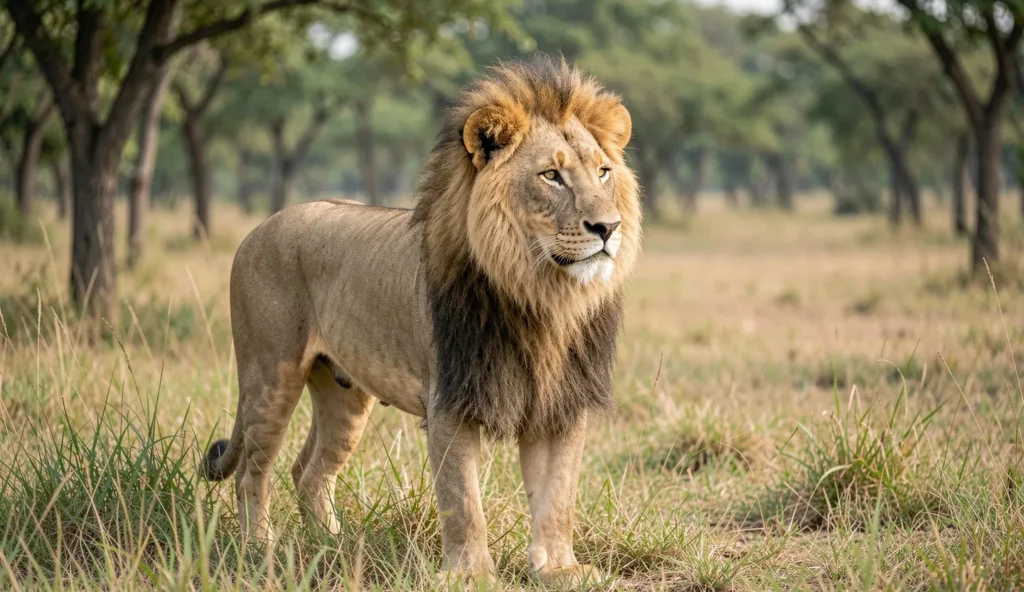
Habitat and Range
Masai lions (Panthera leo nubica) inhabit a range of environments across East Africa, including:
- Serengeti National Park in Tanzania
- Masai Mara National Reserve in Kenya
- Open savannahs, woodlands, and riverine forests
Their adaptability helps them thrive in diverse landscapes where prey is abundant. While they share some range with the Ethiopian lion, the Masai lion occupies a distinct ecological niche in the heart of East Africa.
Physical Characteristics
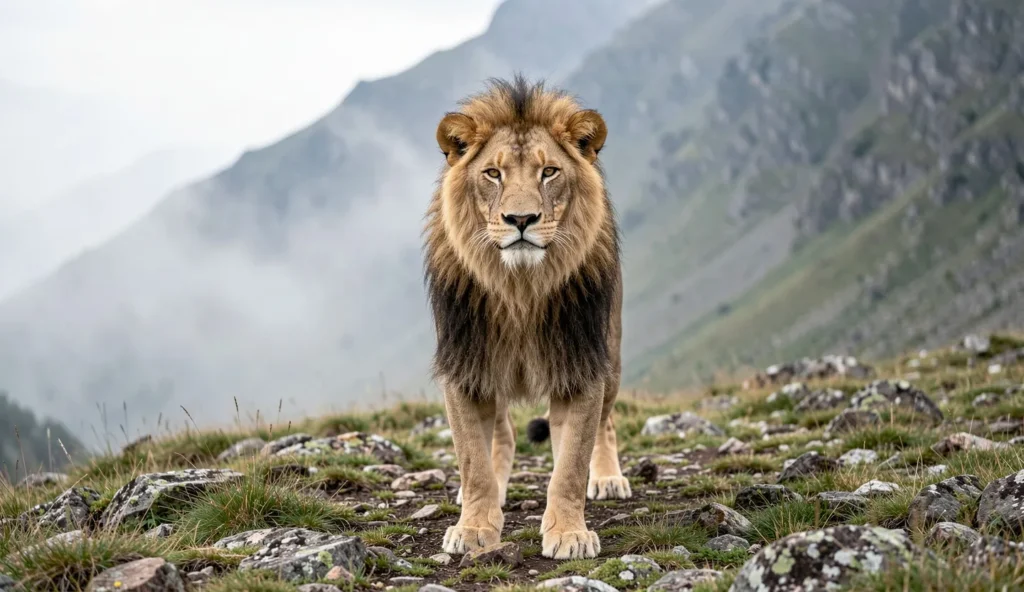
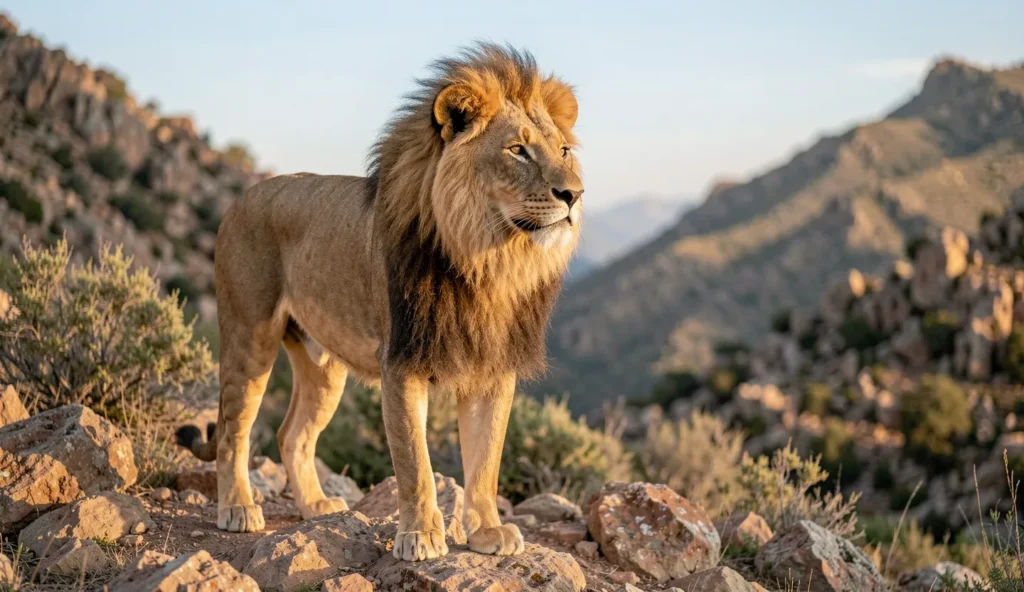
Masai lions are among the most visually striking of the lion subspecies:
- Size: Males up to 10 feet long (with tail), females smaller
- Weight: Males: 350–420 lbs, Females: 250–300 lbs
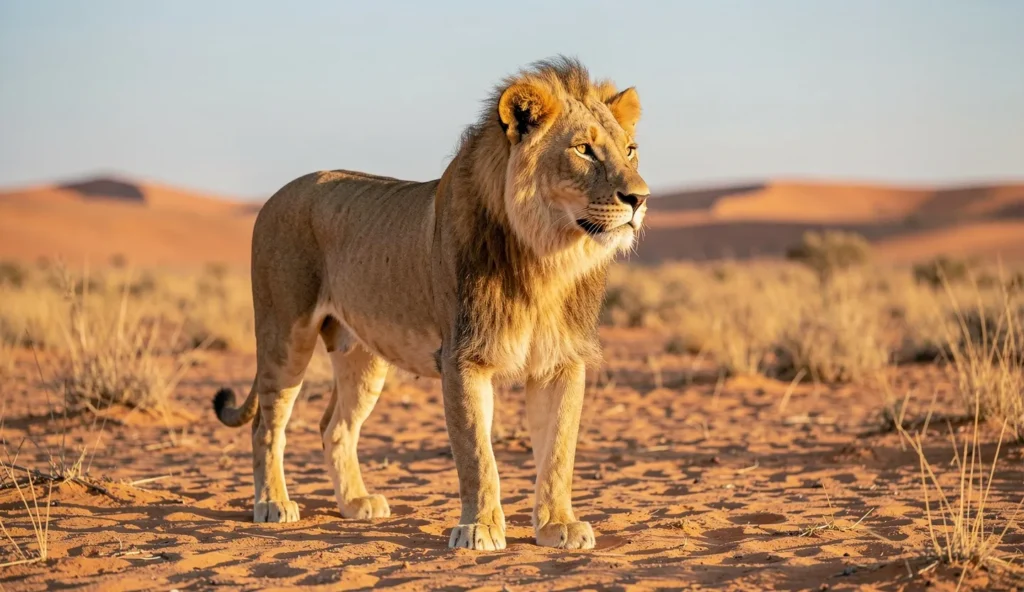
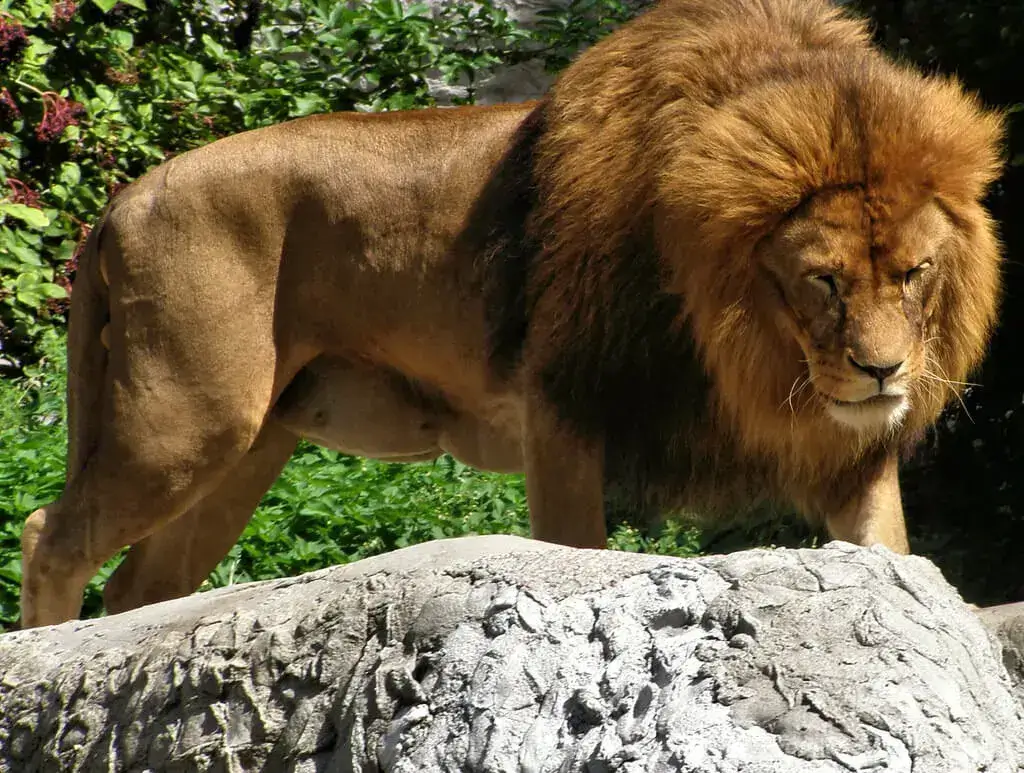
- Mane: Varies widely—can be full, sparse, or even absent
- Build: Long legs and leaner bodies for high-speed chases
Their mane shapes are influenced by genetics and climate, offering an impressive variety. These physical traits also distinguish them from the West African lion, which tends to have a smaller build and less prominent mane.
Social Behavior and Pride Dynamics
Masai lions form strong social groups called prides, which typically consist of:
- One to three adult males
- Several related females and their cubs
- Sub-adults learning hunting and pride roles
The pride system ensures cub protection, cooperative hunting, and territory defense. This social structure is similar to that of the broader African lion, though Masai lions often have slightly smaller pride sizes due to prey availability in their specific habitats.
Diet and Hunting Techniques
Masai lions are skilled hunters and feed on a range of prey:
- Wildebeest and zebras (especially during migration)
- Buffalo, gazelles, and warthogs
- Occasionally, hippopotamuses or elephants, in rare cases
Lions typically hunt in groups, using stealth and teamwork to ambush prey. Their hunting success rate is highest during the Great Migration when prey is abundant and concentrated.
Reproduction and Cubs
Breeding in Masai lions follows the general lion pattern:
- Gestation lasts around 110 days
- Litters of 2–4 cubs are born blind and vulnerable
- Mothers nurse cubs while the pride protects them
Cubs begin participating in hunts by about one year of age. Mortality rates for cubs remain high, with up to 80% not surviving their first year due to predation, starvation, or abandonment.
Threats and Conservation Efforts
Though iconic, Masai lions face numerous modern threats:
- Habitat loss due to human settlement and agriculture
- Human-wildlife conflict from livestock predation
- Declining prey populations and disease
Conservation initiatives include:
- Protected reserves like Serengeti and Masai Mara
- Community-based coexistence programs
- Research and monitoring by conservation groups
Education and sustainable tourism play a key role in protecting these majestic animals. Unlike the extinct Cape lion, which was lost to overhunting and habitat destruction, the Masai lion still has a fighting chance thanks to ongoing conservation efforts across East Africa.
Cultural Significance
Lions hold special meaning in East African cultures:
- Symbolizes strength, bravery, and protection
- Central to Masai traditions and oral history
- Featured in folklore, art, and spiritual beliefs
Respect for lions in traditional and modern communities supports conservation. The Masai people, in particular, have a deep cultural connection to these lions, with young warriors historically proving their bravery by hunting lions—a practice that has largely been replaced by conservation-focused rituals.
Fun Facts About Masai Lions
- The Masai Mara is named after the Masai people and their connection to lions
- One of the most photographed lions due to safari tourism
- Their roars can be heard up to 5 miles away
- Genetically distinct from southern African lions
Frequently Asked Questions
Q1: How is the Masai lion different from other lions?
A: Masai lions are genetically distinct and have longer legs and varied mane shapes. They also live in East African ecosystems, which sets them apart from the Asiatic lion found in India.
Q2: Are Masai lions endangered?
A: They are considered vulnerable due to habitat loss and conflict, though their population is relatively stable in protected areas. Current estimates suggest around 3,000 to 4,000 individuals remain in the wild.
Q3: Where can I see Masai lions?
A: Visit the Serengeti in Tanzania or the Masai Mara in Kenya for some of the best chances to see them in the wild.
Q4: Do Masai lions live in large prides?
A: Prides vary in size, but usually include multiple females and a few males, forming strong social groups.
Q5: What conservation efforts are in place?
A: Protected areas, community partnerships, anti-poaching efforts, and eco-tourism initiatives are all helping protect Masai lions.
Conclusion
The Masai Lion stands as a proud symbol of the East African wilderness. With their majestic appearance and complex social lives, these lions inspire admiration and respect. Continued conservation and community collaboration are essential to ensuring their future in the wild savannahs they call home. By supporting responsible tourism and local conservation programs, we can all play a part in preserving this magnificent subspecies for generations to come.