Charolais Cattle: The Powerhouse of Beef Production
Charolais cattle come from the Charolles region in France, where they have been bred for over 200 years. Originally used as draft animals for pulling heavy loads, they gradually gained worldwide fame for their exceptional beef quality. Today, Charolais are raised across the globe, including in the USA, Canada, Brazil, and Australia, and remain one of the most influential beef breeds in modern agriculture.
Known for High-Quality Beef
Charolais cattle are known for producing lean and tender meat. Their beef has less fat but still tastes great. They are ideal for people who want healthier red meat. Butchers love Charolais because they provide more usable meat per animal. In fact, their high dressing percentage — often exceeding 60% — means more saleable beef per carcass compared to many other breeds.
What Do Charolais Cattle Look Like?
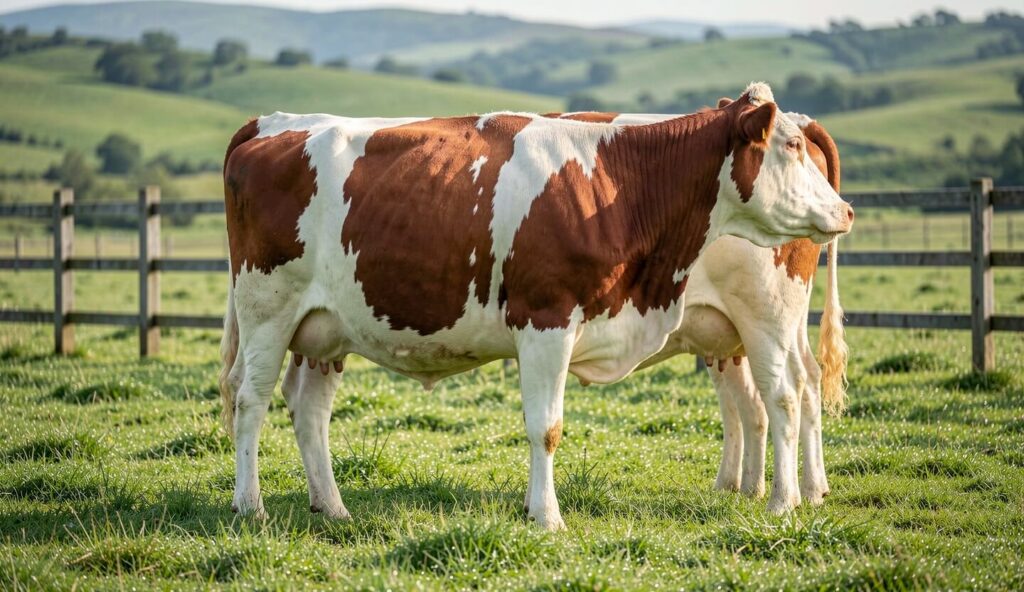
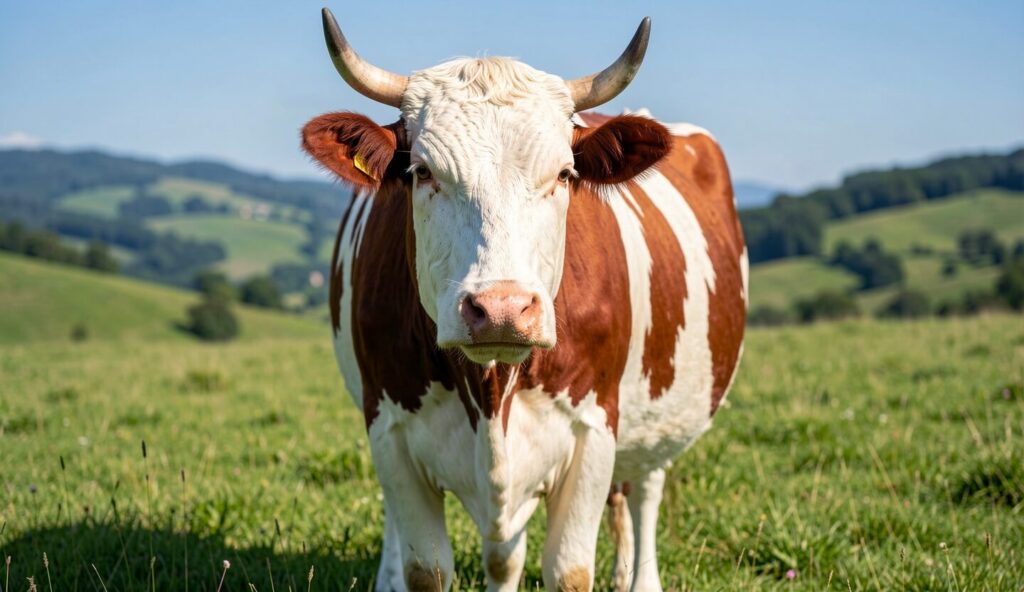
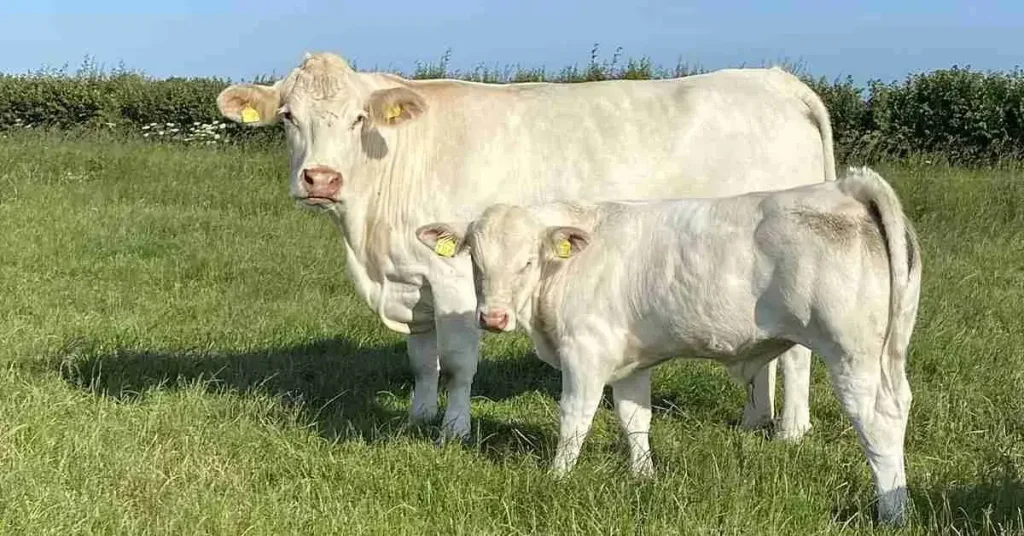
These cattle are easy to spot. They are usually white or light cream. They have a large, strong body with thick muscles. Bulls can weigh up to 1,200 kg, and cows can reach 900 kg. Their broad heads and pink skin make them stand out in a herd. Their muscular build is especially pronounced in the hindquarters, which is a key trait for high-yielding beef production.
Fast Growth and Feed Efficiency
One of the top traits of Charolais cattle is how quickly they grow. They also convert feed into weight very efficiently. This means farmers spend less on food and get better profits. They are perfect for both feedlots and pasture systems. Modern Charolais genetics have been refined to maximize average daily gain, often outperforming other Continental breeds in feed conversion ratios.
Can They Handle Different Climates?
Yes! Even though they prefer cooler weather, Charolais cattle can adapt to hot and humid climates. Their light-colored coats help them stay cool. Over time, breeders have made them more resistant to heat and disease. This adaptability makes them a versatile choice for farmers in diverse regions, from the plains of North America to the tropical pastures of South America.
Great for Crossbreeding
Charolais are often used in crossbreeding programs. When mixed with breeds like Angus or Brahman, the calves grow faster and build more muscle. These mixed calves are strong, healthy, and ideal for beef markets. For example, crossing Charolais with Brahman cows combines rapid growth with heat tolerance, producing hardy offspring suited for warmer climates. Similarly, Charolais-Angus crosses are prized for their marbling and carcass quality.
Maternal Traits and Calving
Charolais cows are good mothers. They produce strong calves and plenty of milk. In the past, large calves sometimes caused calving problems. But modern breeding has improved this. Now, many Charolais cows give birth with ease. Selecting for calving ease has become a priority, and many contemporary Charolais lines now rival British breeds in maternal performance.
Popular Around the World
Charolais cattle are now found in over 70 countries. They are especially popular in France, the USA, Canada, Australia, Brazil, and the UK. Their ability to grow quickly and produce quality beef makes them a favorite for farmers everywhere. In the UK, Charolais are the most widely used Continental beef breed, and they continue to gain traction in emerging markets across Asia and Africa.
Economic Benefits for Farmers
Farmers love Charolais cattle because they bring in good profits. They grow fast, eat efficiently, and provide lots of high-quality meat. Whether used pure or in crossbreeding, they are a smart business choice. When compared to other terminal sire breeds like Hereford cattle, Charolais often deliver superior growth rates and carcass weight, making them a top pick for commercial beef operations.
A Step Toward Sustainable Farming
Charolais cattle also support sustainable agriculture. Since they gain weight quickly, they need less feed over time. This reduces their impact on the environment and lowers farming costs. Their efficiency in converting feed to muscle means fewer resources are required per kilogram of beef produced, aligning with modern goals for eco-friendly livestock production.
Why Choose Charolais Cattle?
Charolais are strong, efficient, and reliable. They grow fast, handle different climates, and produce excellent beef. Whether you’re a new farmer or an experienced one, this breed can boost your cattle business. Their versatility also makes them a great complement to dairy operations, where Charolais crossbred calves can add value to surplus stock.
FAQs about Charolais Cattle
Are Charolais good for beef?
Yes, they are one of the best beef breeds. They produce lean, tender, and high-quality meat.
What are the best breeds to cross with Charolais?
Popular crossbreeds include Charolais with Angus or Brahman. These crosses grow faster and build more muscle.
Can Charolais live in hot climates?
Yes. They can handle heat well, especially in tropical or dry regions. Their light coats help reflect sunlight.
How are Charolais different from other cattle?
They grow faster, have more muscle, and give more meat per animal than many other breeds.
Final Thoughts
The Charolais cattle breed is a top choice for anyone in the beef business. They are strong, fast-growing, and profitable. Whether raised alone or in crossbreeding, they offer high returns and long-term value. For farmers looking to improve herd genetics, Charolais remain a benchmark breed that consistently delivers results in both purebred and commercial settings.
Charolais Cattle for Sale
The Charolais is a distinguished French beef cattle breed, originating from the Charolles region in Burgundy. These large, heavily muscled cattle are famed worldwide for their rapid growth, high-quality lean meat, and ease of handling — making them a top choice for both commercial herds and breeding programs. Charolais excel in crossbreeding, especially with Angus and Hereford, offering improved carcass yield and hybrid vigor. For those interested in similar hardy and productive breeds, the Australian cow is another excellent option for beef production in challenging environments.
- Charolais Cattle for Sale in Canada (Kijiji)
- Charolais Bulls for Sale in Australia (FarmTender)
- Charolais Cattle for Sale in the United Kingdom (British Charolais Cattle Society Private Sales)
- Charolais Cattle for Sale in Pakistan (OLX Pakistan)
Explore more cow breeds: