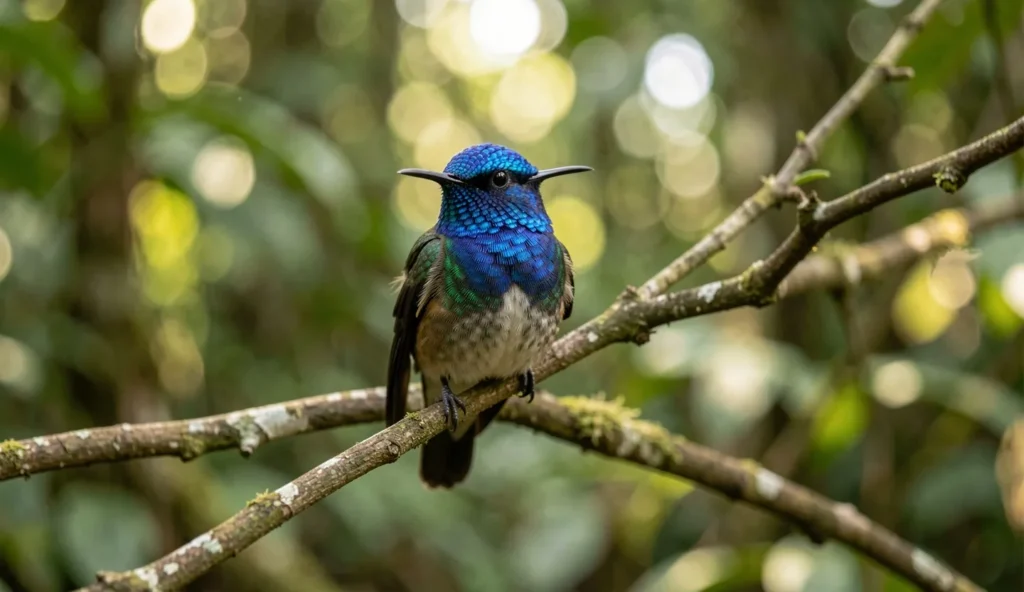
What Is A Glowing Puffleg
The Glowing Puffleg is a small hummingbird native to the high Andes, famous for its white leg puffs and shimmering green plumage. This rare species is part of the Trochilidae family and resides in the genus Eriocnemis, where it relates to other high altitude cousins.
Taxonomy And Classification
The Glowing Puffleg belongs to the hummingbird family Trochilidae. It sits in the genus Eriocnemis, and is related to vestita group species such as the Fiery-throated Hummingbird.
Observers sometimes compare its iridescent greens to the Green-crowned Brilliant for contrast in field guides.
Discovery And Name Origins
The name reflects its glowing green plumage and distinctive white leg puffs that appear during displays. Historical records place early sightings in Andean paramo regions, shaping its recognition among scientists and birders.
Appearance And Physical Features
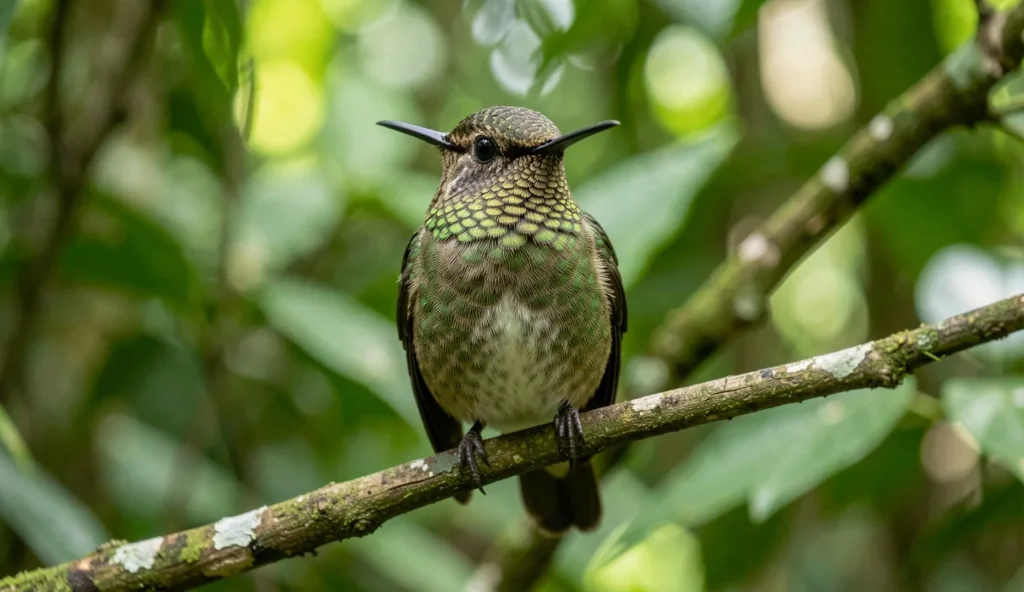
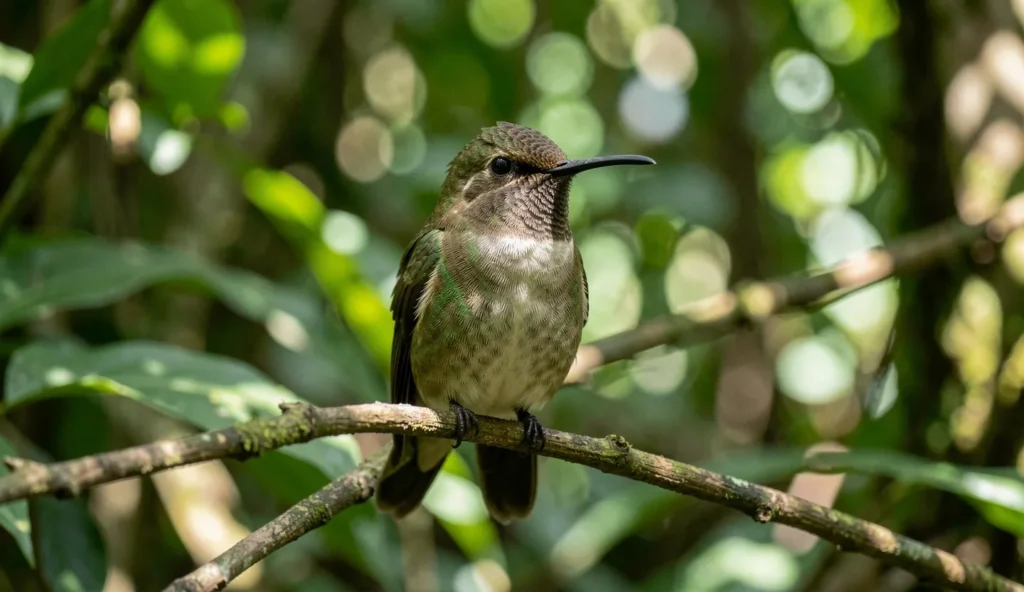
The Glowing Puffleg shows bright green on the back and head, with iridescent underparts that flash in changing light. White fluffy leg feathers extend from the tarsus and are clearly visible during perches and displays.
Plumage And Leg Puffs
Bright green on the back and head, with iridescent underparts that shift with the sun. White fluffy leg feathers extend from the tarsus and are visible during both perch and display.
Size And Weight
The Glowing Puffleg is a small bird, typically 8 to 10 cm in length and light in weight. Its wings are adapted for rapid, precise flight in cluttered high altitude environments.
Habitat And Range In The Andes
Paramo habitats provide a cool, misty high elevation stage with open shrubs and abundant flowering plants that sustain nectar feeders. The Glowing Puffleg is mainly found in the central and northern Andes, often between 3,000 and 4,500 meters, with occasional range fragmentation due to habitat loss.
Paramo Habitat Characteristics
Paramo is a high elevation grassland with peat soils and cool temperatures. It features open, shrubby areas that support nectar blossoms ideal for this hummingbird.
Geographic Distribution And Elevation Range
The species is endemic to select Andean paramos, typically at elevations of 3,000 to 4,500 meters. Its range is fragmented by land use changes and climate shifts, a pattern also observed in the Sword-billed Hummingbird.
Diet And Foraging Behavior
The Glowing Puffleg feeds mainly on nectar from tubular high altitude flowers and supplements with small insects for protein. Seasonal nectar availability shapes foraging patterns and energy budgets.
Natural Diet And Flower Preferences
- Nectar from high altitude tubular flowers
- Insects for protein supplementation
- Seasonal shifts in nectar sources
For context, similar high altitude nectar specialists include the Fiery-throated Hummingbird, which shares a comparable nectar niche and display timing.
Foraging Techniques And Flight Patterns
Hovering is common during nectar feeding, with short, precise bursts between flowers. Territorial defense around flowering patches is typical during peak foraging times.
Breeding And Reproduction
Nesting involves males performing display flights to attract females, while nests are crafted from plant fibers and spider silk. The breeding season varies with rainfall, influencing timing and clutch success.
Nesting Behavior And Breeding Season
Males perform display flights to attract females. Nests are built from plant fibers and spider silk, with timing sensitive to rainfall patterns.
Chick Rearing And Offspring
Typically two eggs per clutch are laid, and altricial chicks receive care from both parents. Nest location is usually high in shrubs to reduce predation risk.
Is A Glowing Puffleg Right For You
Birders at high elevations will likely appreciate the Glowing Puffleg for its striking leg puffs and shimmering greens. Observers should plan for cool mornings and high altitude exertion while respecting fragile habitats.
Viewing Tips For Birders
- Best at dawn and late afternoon
- Carry a lightweight field kit and binoculars
- Respect altitudinal birding ethics and habitats
- Move slowly to avoid startling birds
- Record observations with a field notebook
For practical planning, readers can compare notes with nearby high altitude specialists like the White-eared Hummingbird, which shares similar habitat niches.
Conservation Ethos And Ethical Observing
Avoid disturbing roosts and nesting sites to minimize stress on the birds. Support habitat protection and local guides, and practice Leave No Trace in paramo ecosystems.
FAQs: Glowing Puffleg
What makes the Glowing Puffleg unique among Andean hummingbirds?
The Glowing Puffleg features distinctive white leg puffs and shimmering green plumage that stand out in its high elevation paramo habitat.
Where is the Glowing Puffleg most commonly found in the Andes?
It inhabits high elevation paramo regions of the central and northern Andes, often at elevations between 3,000 and 4,500 meters.
What do the white leg puffs signify in this species?
The white leg puffs are a plumage feature used in courtship displays and territorial signaling.
How large is the Glowing Puffleg and what is its typical diet?
It is a small hummingbird, about 8 to 10 centimeters long, feeding mainly on nectar and small insects.
Is the Glowing Puffleg considered threatened or endangered?
Conservation status varies by region, but habitat loss in paramo ecosystems raises concerns for its long term survival.
Final Note
Maintaining respectful observation supports both science and the unique beauty of this Andean jewel.