Chestnut-Breasted Coronet – Colorful Andean Hummer & Complete Hummingbird Breed Guide
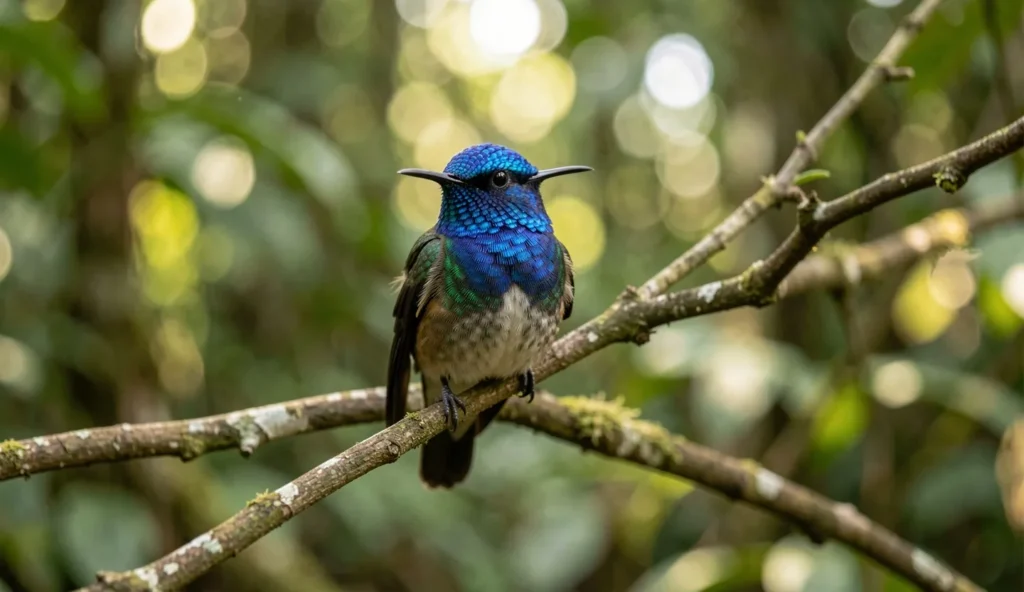
The Chestnut-Breasted Coronet is a striking hummingbird native to Andean cloud forests, where cool mists cloak the trees. This small beauty is noted for a chestnut breast set against a green back, a combination that instantly draws attention for Ecuadorian birders and mountain travelers alike.
Boissonneaua matthewsii is the scientific name of this species, placing it in the Trochilidae family, and highlighting its status as a distinct Andean hummingbird. The Chestnut-Breasted Coronet is relatively rare, which makes patient field observations especially rewarding.
What Is A Chestnut Breasted Coronet
Species Overview
The Chestnut-Breasted Coronet belongs to the hummingbird family Trochilidae and is endemic to Andean cloud forests. Its name reflects a defining feature that guides identifications during dawn and dusk sorties.
Appearance And Distinctive Features
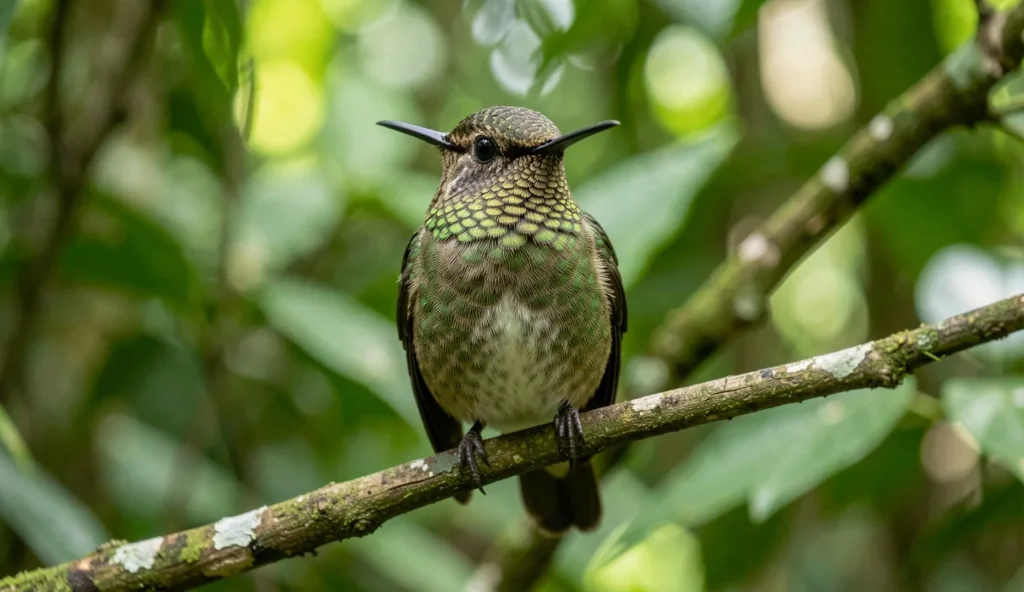
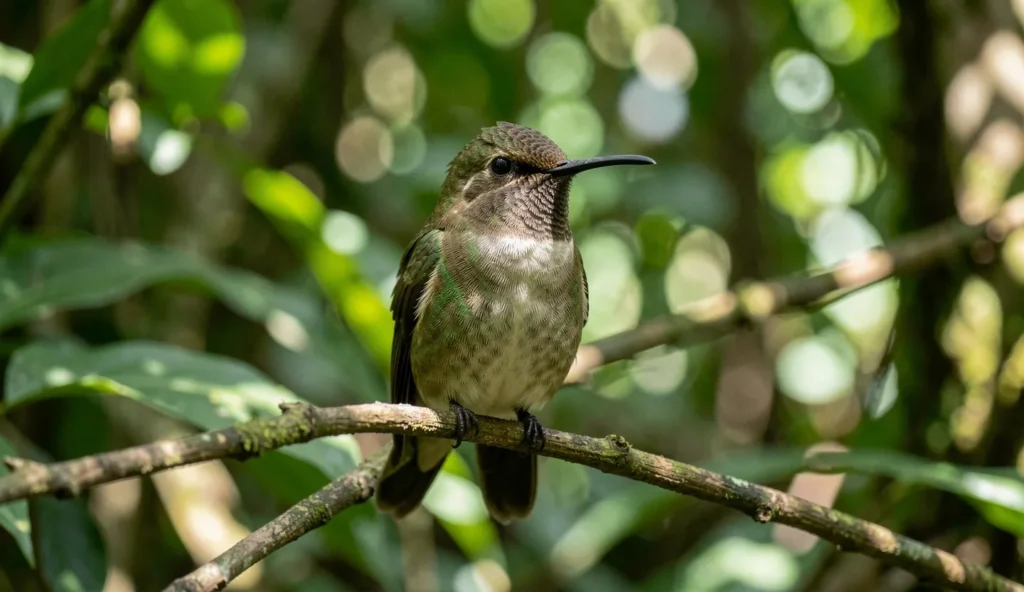
Chestnut Breast And Green Back
- Chestnut breast stands out against a vibrant green back
- Emerald hues extend to wing and tail feathers
- Compact body with a short straight bill
- Small dark eye gives a keen, alert expression
Size And Shape
- Small to mid sized hummingbird profile
- Slim body with rapid wingbeats typical of Nectar specialists
- Adaptive plumage helps camouflage in dense foliage
Diet And Foraging Habits
Nectar Sources
The Chestnut-Breasted Coronet feeds primarily on nectar from high altitude flowers, favoring flowers that bloom in cloud forest microhabitats. It is selective about plant species and often signals its presence with bright flashes of color while feeding.
For context, other Andean nectar specialists include the Green-crowned Brilliant, which shares a penchant for nectar-rich canopies. This highlights the vibrant diversity of highland hummingbirds in the region.
Insects And Feeding Techniques
Insects supplement the diet, especially during peak energy demands. The bird hovers precisely to glean prey from foliage and crevices, a hallmark of hummingbird foraging.
Habitat And Range In The Andes
Cloud Forest Habitat
The Chestnut-Breasted Coronet thrives in misty cloud forest canopies, where humidity sustains abundant nectar and arthropods. Dense understory provides both shelter and feeding opportunities for this species.
Observations emphasize elevations within classic cloud forest bands, often amid mossy branches and epiphytic growth. For researchers, nearby profiles such as the Plain-capped Starthroat provide regional context on nectar use in similar habitats.
Geographic Range Specifics
The range includes parts of the Andes in Ecuador and neighboring regions, where remote habitats keep sightings uncommon. Seasonal movements align with flowering cycles, making timing crucial for field work.
Behavior And Reproduction
Flight And Territoriality
The bird exhibits energetic, rapid flight and acrobatic displays, defending rich nectar sources from rivals. During breeding, it may occur in solitary or small paired groups, especially near preferred feeding stations.
Observers should note that other highland species, such as the Fiery-throated Hummingbird, share similar behavior patterns in forest canopies and can aid in comparative sightings.
Breeding And Nesting
Courtship includes swift aerial displays over small perches, while nests are tiny cups placed on branches. Females incubate eggs and feed chicks with a mix of nectar and small arthropods.
Common Health Issues And Conservation
Threats And Conservation Status
Habitat loss in Andean cloud forests poses a key threat to localized populations. Climate shifts also alter flowering patterns, challenging feeding reliability for this rare species.
Conservation efforts focus on protecting cloud forest habitats and maintaining ecological corridors that support feeding and breeding needs.
Health Considerations For Observers
Avoid disturbing nesting birds or feeding sites, and observe from a respectful distance to minimize stress. Do not attempt to keep wild hummingbirds as pets, which is illegal and harmful to wild populations.
Is Chestnut Breasted Coronet Right For You
Ideal For Birdwatchers
This species is best observed in highland cloud forests during calm mornings, offering striking visuals for photographers and nature lovers alike. Its rarity adds to the allure for dedicated Ecuadorian birders.
Practical Considerations For Observing In The Wild
Plan travel to elevated habitats at dawn or dusk when activity peaks, and bring gear suitable for damp, cool environments. Respect local regulations and protected areas to minimize ecological impact.
Care Tips For Hummingbird Enthusiasts
Garden Attractants And Nectar Plants
Plant native montane flowers that attract hummingbirds and provide a shallow water source nearby. Minimize pesticide use to protect nectar sources and invertebrate prey.
Nearby literature on other highland profiles such as the Green-breasted Mango offers tips on creating hospitable environments for nectar feeders.
Feeding Station Setup And Maintenance
Use feeders with easy cleaning access and sterilize them regularly to prevent mold. Replace sugar solutions promptly to avoid fermentation and discourage bacterial growth.
Final Note
Closing Thoughts
The Chestnut-Breasted Coronet continues to inspire with color and resilience in the Andean cloud forests, reminding observers of the region’s delicate balance.
Frequently Asked Questions
Where is the Chestnut-Breasted Coronet found in the wild?
It is native to the Andean cloud forests of parts of Ecuador and surrounding regions.
What makes the Chestnut-Breasted Coronet visually distinctive?
Its chestnut breast contrasts with a green back, typical of Boissonneaua matthewsii.
Is the Chestnut-Breasted Coronet considered rare?
Yes, it is relatively rare and is often observed only by dedicated birders in suitable habitats.
Can the Chestnut-Breasted Coronet be kept as a pet?
Keeping wild hummingbirds as pets is not recommended or legal in many areas; observe and photograph respectfully in the wild.