Berylline Hummingbird – Mexican Jewel In The US And Complete Hummingbird Breed Guide
The Berylline Hummingbird is a brilliant emerald hummingbird native to Mexico that occasionally reaches the southern United States. Its vivid emerald plumage and agile hovering make it a standout among regional hummingbirds, and Arizona residents may glimpse this rare vagrant during favorable monsoon movements.
What Is A Berylline Hummingbird
Scientific Name And Classification
- Amazilia beryllina
- Belongs To The Trochilidae Family
- Named For Brilliant Emerald Plumage
- Small Nectar Feeding Bird
Key Traits That Set It Apart
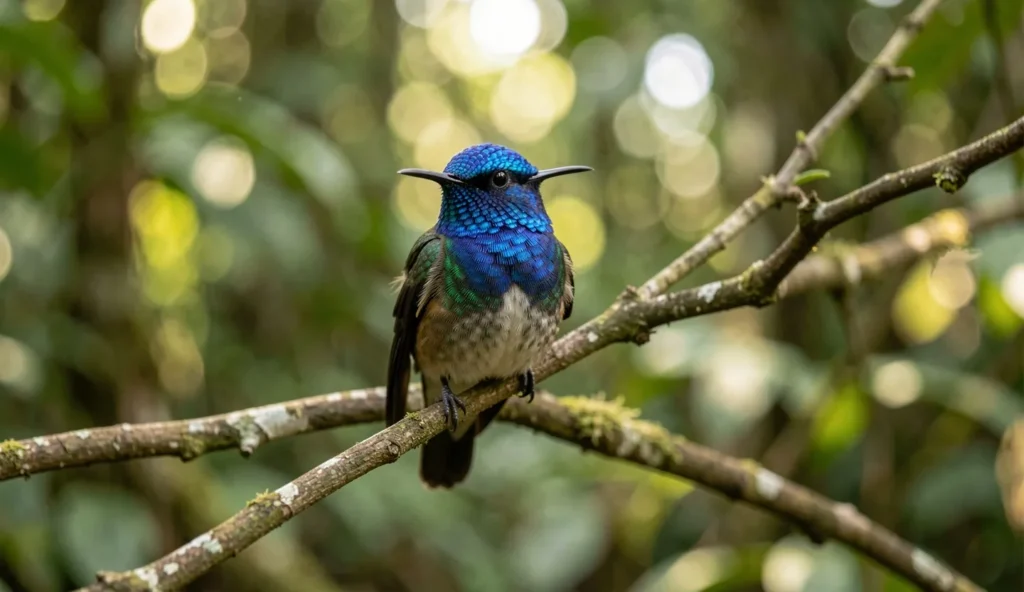
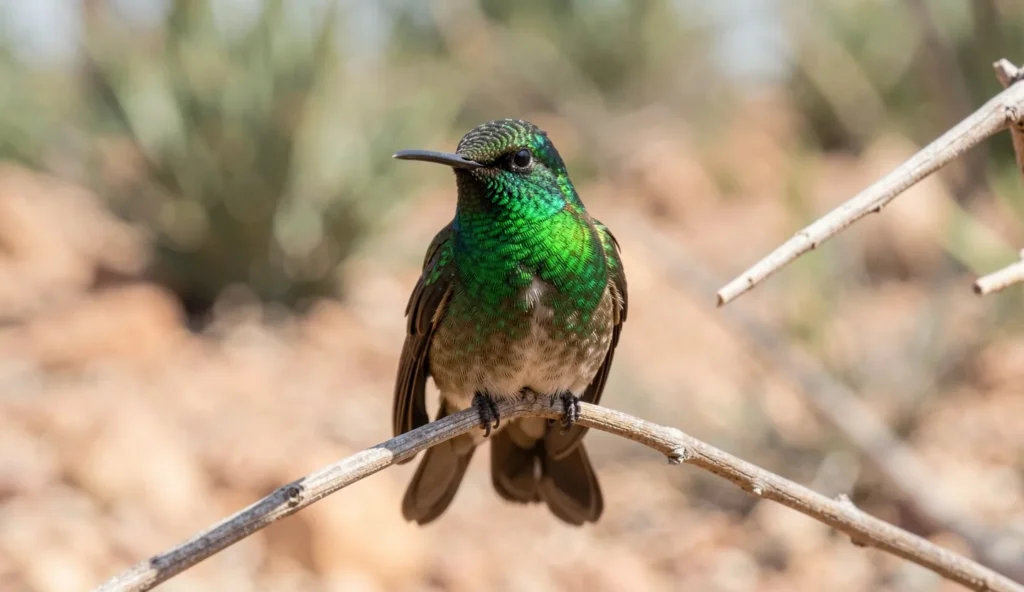
- Vivid Green Iridescence On The Body
- Medium Size Among Hummingbirds
- Occasional Visitor From Mexico To The US
In field guides, a comparison with Violet-crowned Hummingbird helps illustrate the range of emerald hues, though each species retains its own behavior.
Distinctive Appearance And Physical Features
Color And Plumage Details
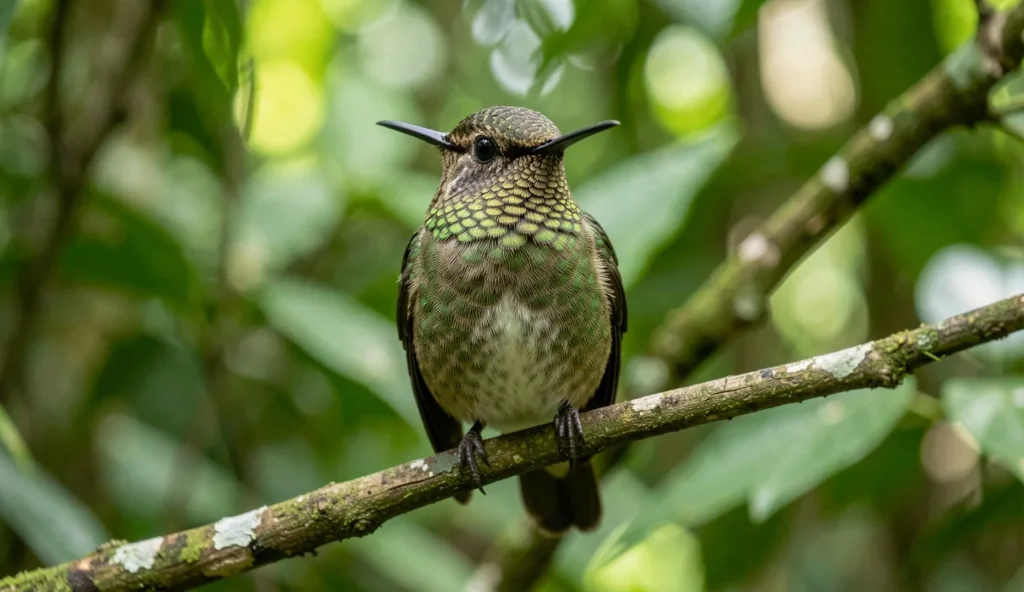
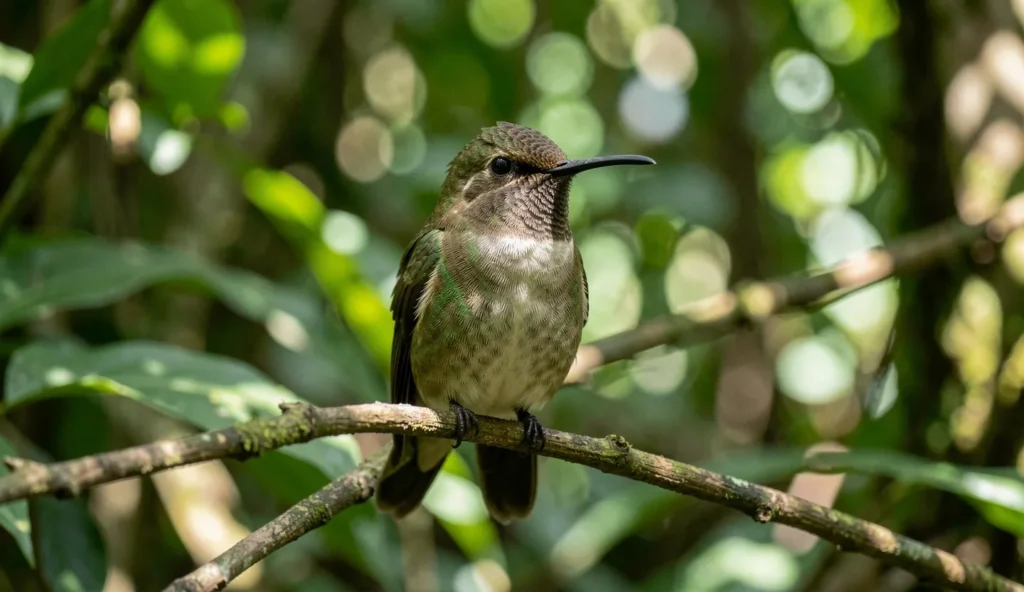
The bird bears a bright emerald throat and back, with iridescent underparts that shift with the light. This shimmering effect helps the Berylline Hummingbird stand out at a feeder or among blossoms.
For reference in the emerald family, the Magnificent Hummingbird displays a similar intensity of green in certain light conditions.
Size And Shape
- Small compact body around 9 cm
- Long slim bill adapted for nectar
Native Range And Arizona Visit Patterns
Native Habitat Across Mexico And Central America
Across Mexico and into parts of Central America, the Berylline Hummingbird inhabits forests and forest edges where flowering shrubs and cacti provide nourishment. The species favors tropical to subtropical habitats with reliable nectar sources.
In the field, observers compare its habits with a range of emeralds such as the Broad-tailed Hummingbird, which often shares similar edge habitats during migratory periods.
Arizona Vagrancy And Seasonal Occurrence
Arizona records the Berylline Hummingbird as a rare vagrant, usually during favorable migration winds and the monsoon bloom. Sightings cluster in southern Arizona along riparian corridors and desert washes before fading with seasonal shifts.
Nearby emerald species, like the Black-chinned Hummingbird, help observers gauge geographic range and habitat contrasts.
Diet And Foraging Habits
Wild Diet Composition
Nectar provides the primary energy source, while small insects supply essential protein. This combination supports a high metabolism during rapid hovering and sprints between flowers.
Nectar Sources And Insect Intake
The hummingbird favors tubular flowers that offer sustained nectar, and insect intake rises during breeding when protein needs increase.
For a smaller relative of emerald plumage, the Costa’s Hummingbird demonstrates how nectar strategies adapt to different environments.
Behavior And Vocalizations
Behavioral Traits In The Field
The Berylline Hummingbird is territorial during feeding and shows rapid wingbeats with precise hovering. Movement between perches is quick and deliberate, revealing a keen awareness of competitors.
Vocalizations And Courtship
Vocalizations are high pitched chipping calls, and courtship involves fast aerial maneuvers with leveled dives. The display is brief but distinctive, often seen against a bright sky.
Is A Berylline Hummingbird Right For You
Considerations For Arizona Birders
Though rare, these sightings are highly prized by Arizona birders, especially during early morning hours in suitable habitats. Observers should plan for quiet, respectful observation to minimize disturbance.
For color comparisons in the region, the Rufous Hummingbird represents a different palette that can still brighten desert days.
Ethical Birding And Conservation
Protect habitats by avoiding nest disturbance and supporting conservation programs that maintain flowering shrubs and water sources. Ethical birding practices ensure long-term opportunities to observe rare vagrants safely.
- Observe From A Distance Without Chasing Birds
- Avoid Feeding Wild Birds With Unsafe Foods Or Feeders
- Support Native Plantings To Sustain Nectar Sources
Final Note
Closing Thought
The Berylline Hummingbird can brighten desert skies during its visits, offering a glimpse of Mexico’s wildlife in American arid lands.
FAQs: Berylline Hummingbird
What Is The Scientific Name Of The Berylline Hummingbird?
Amazilia beryllina.
When Are Berylline Hummingbirds Seen In Arizona?
They are occasional visitors, usually during migration and monsoon periods in southern Arizona.
What Do Berylline Hummingbirds Eat In The Wild?
Nectar is the primary food source, supplemented by small insects.
How Can Backyard Observers Attract Berylline Hummingbirds Responsibly?
Plant native nectar plants and provide clean water while avoiding tempting wild birds with unsafe feeders.
Are Berylline Hummingbirds Endangered Or Threatened?
They are not currently listed as endangered, but habitat loss can impact local populations.
How Can I Differentiate A Berylline Hummingbird From Similar Emerald Species?
Geographic range and distinctive emerald plumage help; cross-check with field guides.