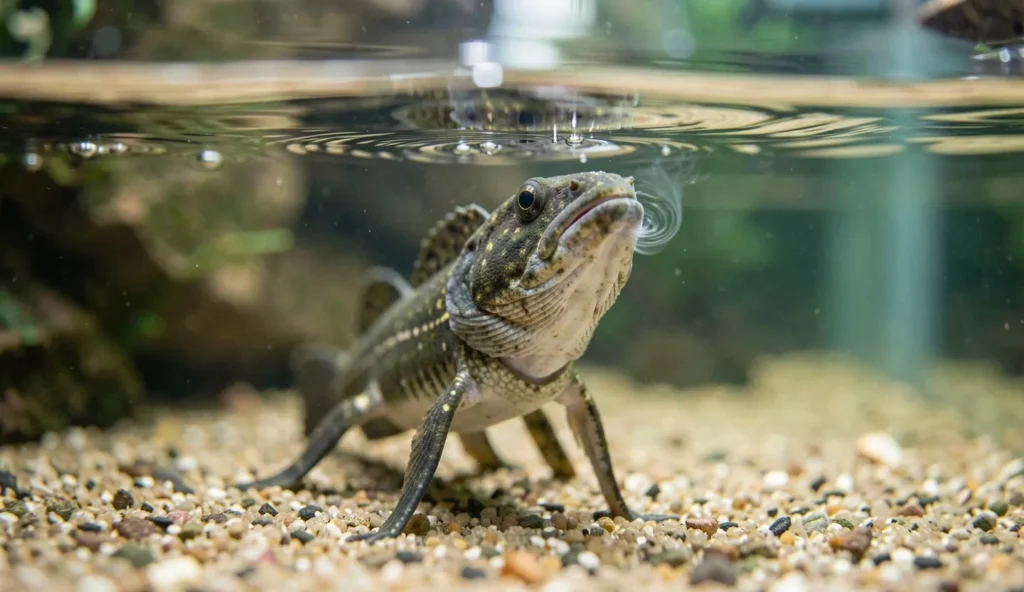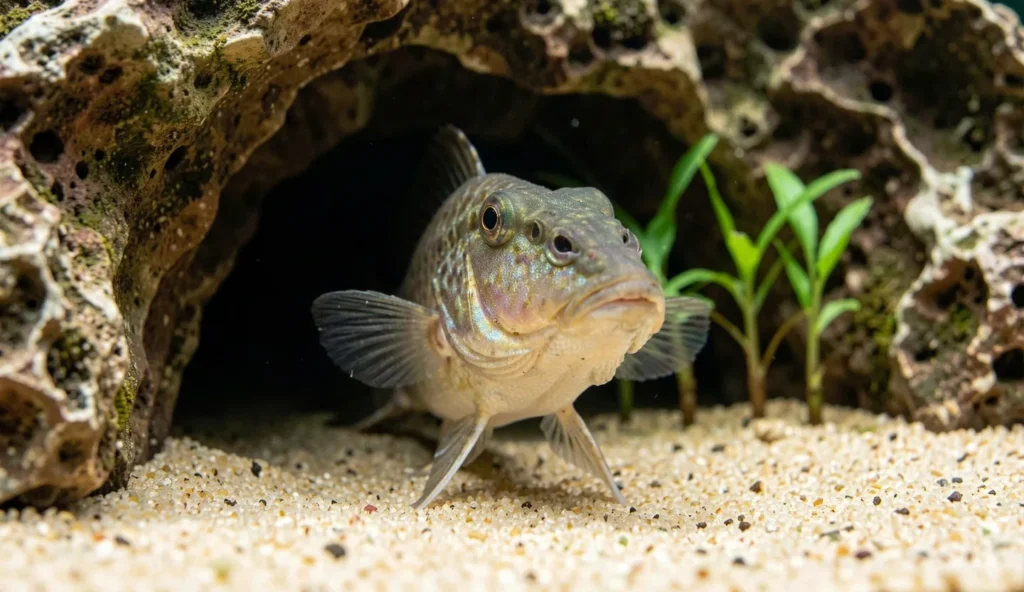
What Apistogramma Dwarf Cichlids Are and Why Species Matter
Apistogramma species are small, territorial dwarf cichlids from South America that many hobbyists keep in planted aquariums. Even within this group, the right apistogramma species choice shapes adult size, breeding behavior, and the type of tank setup required.
Because these fish defend sites near caves and favored substrate, species differences often matter more than body color alone. For beginners, this means research should focus on habitat needs and temperament first, not looks.
Apistogramma Basics for New Keepers
Many apistogramma keepers start with the general idea of a dwarf cichlid that can form pairs or harems. Still, specific species may prefer different cave shapes and different levels of water softness.
Temperament can vary by species and by locality lines within a species. Many fish show their strongest color during calm, stable conditions and during breeding readiness.
Most species perform best in soft, slightly acidic water and in tanks with gentle flow. A planted tank with open swimming space also helps reduce stress during feeding.
How to Use a Species List Safely
A good apistogramma species list helps match adult size and temperament to the tank. It also helps identify which species tends to be more demanding about water parameters and hiding structure.
Compatibility planning works best before any fish arrive. When tank setup and filtration match the most demanding fish, aggression becomes easier to manage.
Reputable sellers should label species clearly and, when possible, provide locality or stable strain information. Planning ahead usually prevents mismatches that disrupt Apistogramma care after purchase.
Finally, compatibility should include tankmate behavior, especially toward caves. Several dwarf cichlid keepers later expand into community tank planning by reading guides that focus on specific cichlid temperaments, such as “African Cichlid Tank Mates Compatibility.”
Tank Setup Essentials That Work for Many Apistogramma Species
A reliable tank setup supports most Apistogramma care routines, regardless of which apistogramma species gets chosen. The same core framework also works well for planted tank owners who want both hiding cover and visible plants.
Start with tank footprint, substrate type, and gentle flow before adding fish. Then refine water parameters using tests rather than guesswork.
Minimum Tank Size by Keeping Style
Pairs need enough space to split territory without constant contact. Small harems can work too, but more fish usually requires more floor area and multiple escape routes.
In larger tanks, territories split more naturally and stress drops. Even so, hiding places should exist in every section of the layout.
- Pairs do well with more open space around the cave zone
- Harems need multiple sight breaks and extra shelters
- Overcrowding increases chasing during breeding readiness
- More hiding reduces conflict when females establish hierarchy
Filtration and Water Movement
Gentle flow prevents fish from constantly moving away from defended sites. Strong currents can also make sand spawning areas less stable and harder to maintain.
Stable filtration matters because these fish react to swings more than many hardy community fish. Consistent maintenance helps protect water quality and supports long term health.
Tankmates also influence water movement needs. If a tank already includes midwater swimmers, the design should still protect cave areas from being blasted, especially when learning angelfish care for mixed cichlid setups.
Substrate and Hiding Spaces for Territorial Fish
Fine sand supports natural digging and provides a surface where spawning can occur. Sand also makes it easier to keep leaf litter and hides in a realistic way.
Caves or overturned pots anchor territories and reduce random searching. Leaf litter adds cover and helps mimic softer, darker waters that apistogramma species often experience.
Wood and plants can create sight breaks, which lowers the frequency of face to face confrontations. This approach works particularly well when multiple females are present during harem breeding.
- Use fine sand to support spawning and gentle cleaning
- Provide caves with an entrance and a sheltered interior
- Place hides near open sight breaks, not in full glare
- Add leaf litter for cover and natural chemistry
- Use wood and plants to interrupt line of sight
Planting That Supports Both Hiding and Water Quality
Low to medium light plants often establish more easily for planted tank owners. Sturdy plants reduce uprooting in sand habitats where digging and movement happen.
Open areas also help feeding because the fish can exit caves without obstruction. At the same time, dense cover near the substrate zone reduces stress for subordinate fish.
Water Parameters to Target
Aim for soft to moderately soft water and slightly acidic pH in most setups. Consistent temperature also matters because sudden changes can trigger stress behavior.
Use test kits for pH and hardness, and test ammonia and nitrite as part of routine water quality checks. When water parameters stay stable, Apistogramma care becomes much easier.
Many keepers also plan ahead for tankmate compatibility based on water needs. Research on how other cichlids share a tank can help, including “Corydoras Catfish Species Overview,” since bottom activity changes how sand should be maintained.
Popular Apistogramma Species List With Key ID Traits
The following apistogramma species list focuses on commonly kept dwarf cichlids and practical traits to watch. Each section includes behavior notes that help plan tank setup and compatibility for Apistogramma care.
Species identification can be tricky when vendors use loose descriptions, so adult behavior should also guide decisions. When possible, buy from sources that provide stable species labeling.
Apistogramma Cacatuoides Commonly Kept Traits
Apistogramma cacatuoides is often chosen for its strong facial patterning and bold male coloration. In many tanks, males defend caves or selected substrate zones.
Pairs usually do best when consistent hiding exists and when the layout stays unchanged during bonding. Fine sand helps support natural spawning behavior and makes the cave zone easier to manage.
Because this species can become territorial during breeding readiness, tankmate choices should avoid competing for the same shelter sites. A calm, bottom focused fish species often works better than another cave defender.
Apistogramma Agassizii Common Look and Behavior
Apistogramma agassizii is known for attractive striping and a classic dwarf cichlid look. It typically benefits from calm tank conditions and stable water parameters.
Territorial behavior often increases when females and males become ready to spawn. For this reason, open swimming space should still exist, but shelter should remain close enough to reduce long chases.
Some keepers prefer leaving more midwater room for other non territorial fish. If the tank is part of a mixed cichlid plan, “Angelfish Tank Mates Guide” can help frame space and defense behavior patterns that overlap with Apistogramma dynamics.
Apistogramma Borellii and Similar Locality Forms
Apistogramma borellii is often kept for compact body form and strong patterning. Males may guard preferred zones, especially when caves and sand become part of the territory map.
Cave structure plus sand usually encourages natural spawning behavior. Careful introduction timing also helps prevent early dominance conflicts.
When adding multiple fish, the layout should already include visual barriers and separate approach routes. This design reduces the chance that one fish blocks all access to preferred shelters.
Apistogramma Viejita and What to Expect
Apistogramma viejita can be smaller than some other favorites but still remains highly territorial around breeding sites. A planted layout should include multiple escape routes so subordinate fish can avoid constant harassment.
Stable filtration and low stress feeding routines help reduce aggression. In harem breeding plans, space management becomes the main factor that determines whether females get time to rest and forage.
When keeping other cichlids in the same tank, compatibility should focus on how territories overlap. Tankmate behavior research often improves outcomes, including checking “African Cichlid Tank Mates Compatibility” when larger cichlids share the system.
Apistogramma Macmasteri Basics
Apistogramma macmasteri is known for its distinctive appearance and it remains popular among planted tank owners. Many setups use sand and leaf cover to support natural behavior and spawning readiness.
Pairing tends to become more predictable when water conditions match the species preference. Pushy tankmates can still disrupt breeding, so selection should prioritize calm behavior.
For community tanks, the goal is usually to prevent cave occupation and reduce constant competition at the substrate level. Bottom focused fish that forage calmly can often fit the plan better than fin nippers.
Apistogramma Regani and Temperament Considerations
Apistogramma regani may show strong territorial defense near caves. Plant cover helps reduce constant chasing by limiting direct lines of sight.
Breeding behavior depends heavily on water stability and on keeping the environment quiet. Varied foods improve color and condition, which supports healthier spawning and fry development.
When tankmates share the lower zones, feeding timing should reduce aggression. Some keepers also reduce conflicts by adjusting feeding patterns during the first weeks of pairing.
Apistogramma Care Checklist for Healthy Color and Breeding Readiness
Apistogramma care works best when routine steps stay consistent across species. The checklist below supports stable color, reduces stress, and improves the odds of successful breeding.
These practices matter because dwarf cichlids rely on calm water and predictable feeding. They also benefit from a tank setup that stays intact during bonding periods.
Feeding Schedule and Food Types
Feed small portions several times each week and remove uneaten food promptly. Quality pellets often serve as a reliable base when chosen carefully and offered in measured amounts.
Frozen foods like bloodworms add protein and variety. Live or high quality frozen foods can also help condition fish, especially before breeding attempts.
- Use quality pellets as a daily or near daily staple
- Add frozen bloodworms for protein and conditioning
- Use brine shrimp or similar foods for variety
- Offer small portions several times per week
- Remove leftovers to protect water quality
Tank Maintenance Without Disrupting Territories
Perform regular water changes with matched temperature to avoid shock. Filters should be cleaned in a way that preserves beneficial bacteria so biological filtration stays stable.
Avoid rearranging caves during active pairing. During sand based setups, siphon waste carefully to protect the substrate surface and reduce disturbance.
If community tank maintenance is planned, bottom foragers should be considered during cleaning. For example, “dwarf gourami” routines differ from sand tank cleaning, so the approach should match the species list needs.
Stress Signs to Watch For
Persistent hiding or refusal to eat often signals stress or poor water quality. Scratching at substrate may indicate irritation from parameters that drift outside the expected range.
Fins clamping and sudden color loss can also appear after rapid changes in tank conditions. Excessive chasing that never settles often means territories overlap too much or shelters are missing.
- Persistent hiding or no interest in food
- Scratching at sand from irritation or unstable water
- Fins clamping and sudden dulling of color
- Constant chasing without any recovery period
Community Tank Compatibility With Dwarf Cichlids
Community tank compatibility depends on tankmate behavior, especially around caves. Choose calm tankmates that do not occupy the lower substrate zone or compete for shelter.
Avoid very aggressive species and species that fin nip. Plenty of space helps territories form, while feeding supervision during the first weeks reduces competition.
Bottom level companions can also influence how sand is cleaned. Research on calm community fish like “corydoras catfish” can help plan a balanced approach for planted sand aquariums.
Harem Breeding and Pairing Setups for Apistogramma Species
Breeding outcomes often improve when pairing starts carefully and the tank setup supports territory separation. For many keepers, starting with pairs provides the most predictable path, then moving to harem breeding later.
Harem breeding can work, but space and structure must prevent harassment. When conditions are stable, females can choose safer routes within the same overall territory system.
Pairing First Then Expanding to Harem Breeding
Pairs can provide more predictable breeding results because male and female bond faster. Once breeding behavior is confirmed, a harem setup can be added with caution and extra hiding.
Harem systems require separate territories to reduce harassment. Using compatible male and female condition and size also helps, since large imbalances can increase chasing.
- Start with a proven pair before attempting harems
- Provide multiple shelters so each fish can reset
- Reduce overlapping approach routes between females
- Condition both sexes with protein before breeding
Breeding Tank Setup and Spawning Sites
A breeding tank should include sand and a cave with a clear entrance. Leaf litter near the cave adds cover and supports natural comfort for spawning behavior.
Water parameters must stay within the species preferences and remain stable. Dim lighting can reduce stress while the pair forms and begins the spawning routine.
In some mixed community tanks, breeders separate fish to avoid interruptions from other cichlids. If other fish share caves, tankmate mismatch becomes the most common breeding blocker.
After Spawning and Caring for Fry
After spawning, fry may stay guarded inside and near cave areas. As fry become free swimming, appropriate fry foods should be offered based on their size and development stage.
Tank disruptions should be minimized during early stages. Gentle filtration and excellent water quality protect fry while the adults continue guarding.
When fry feeding starts, waste levels rise quickly in dwarf cichlid tanks. Clean water and gentle flow support survival without breaking the established fry zone.
Is the Right Apistogramma Species Suitable for a Planted Tank Owner
Many planted tank owners keep apistogramma species successfully when the tank layout supports hiding and sand safe maintenance. The best match depends on tank size, water testing effort, and comfort with frequent monitoring.
Planted systems also help with visual breaks. Still, plants must not create cleaning problems or remove needed open areas for feeding.
Match Temperament With Tankmates and Layout
More territorial species require more hiding space and visual breaks. A layout that provides sight breaks near caves reduces constant chasing and helps subordinate fish feed.
Choose tankmates that share upper or midwater zones when possible. Overcrowding should be avoided so territories can form and settle.
- Use caves and sight breaks for any territorial species
- Pick calm tankmates that avoid cave zones
- Plan open midwater for safer feeding routes
- Avoid overcrowding to prevent constant territorial pressure
Water Testing Effort and Compatibility Requirements
Soft water and stable temperature help most Apistogramma care routines succeed. Regular testing prevents ammonia and nitrite buildup and reduces pH swings that stress dwarf cichlids.
Sand safe cleaning should be planned so substrate waste does not accumulate. Many owners also prefer to start with one species to learn behavior patterns before expanding.
Quick Starter Checklist for Choosing a Species
A practical start focuses on tank size, substrate, shelter, and tankmate selection. Clear species labeling also reduces confusion about adult size and temperament.
Before purchase, ensure that the layout includes sand and caves before fish arrive. Budget time for maintenance and monitoring so water quality stays stable.
- Choose tank size for pair or small group keeping
- Use fine sand and multiple caves before adding fish
- Select tankmates that do not compete for caves
- Buy from sellers with clear species labeling
- Plan weekly monitoring and water change routines
Final Note On Picking the Best Apistogramma Species
Choosing the right apistogramma species starts with a setup built around sand, caves, and stable water. When conditions stay consistent, Apistogramma care becomes more predictable and breeding readiness becomes easier to support.
Frequently Asked Questions
Which Apistogramma Species Is Best for Beginners?
Choose a commonly available species with clear labeling and relatively forgiving tank needs.
What Tank Size Is Needed for Apistogramma Species Pairs?
Use a larger footprint to form territories and reduce aggression.
Do Apistogramma Species Need Soft Acidic Water?
Most do best with soft water and slightly acidic pH for stable health.
Can Apistogramma Species Live in Planted Tanks?
Yes, as long as sand safe maintenance and enough hiding spaces are included.
Frequently Asked Questions
How Do Harem Breeding Setups Differ From Pair Setups?
Harem systems require more space and structure to limit harassment.
What Foods Improve Color and Breeding Condition in Apistogramma Species?
Use quality staple foods plus protein like frozen or live foods.
Final Note On Picking the Best Apistogramma Species
Stable conditions and an appropriate tank setup support healthy behavior and the best chance of successful spawning.