What Is A Convict Cichlid
The convict cichlid is a freshwater cichlid widely kept by beginners because it tolerates common beginner mistakes. Amatitlania nigrofasciata comes from Central America and often breeds in home aquariums when conditions stay stable.
Many keepers start with this species because easy breeding typically happens without complicated triggers. At the same time, responsible management matters since community risk can reduce egg and fry survival.
Species Name And Basic Traits
The scientific name is Amatitlania nigrofasciata, and the body stays small to medium compared with larger cichlids. This species also adapts well to typical cichlid aquarium care, which helps it settle and spawn.
In many tanks, the convict cichlid forms pairs and selects a protected site for spawning. That pairing behavior supports repeat spawning across multiple cycles.
Why Easy Breeding Happens
Breeding often starts when stable pairs form and choose a clear spawning location. After that, parents usually guard the area and defend it from intruders.
Eggs are typically guarded until they hatch, and fry may be tolerated near the parents early. Because parent care often stays active, beginners frequently see decent results without intensive egg handling.
Appearance And What To Expect During Spawning
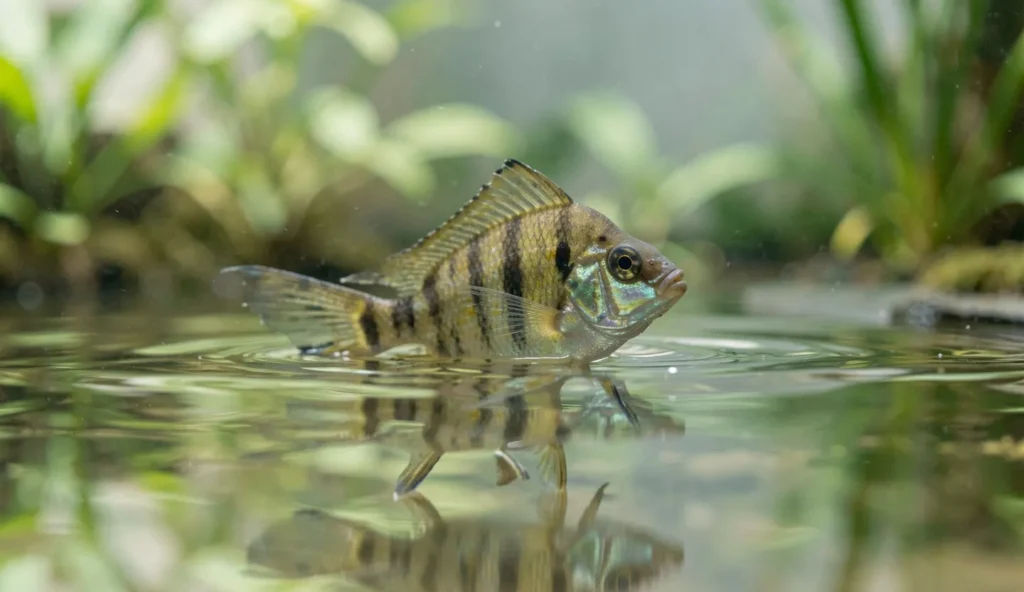
During courtship, the convict cichlid often shows clearer contrast between dark markings and lighter body color. That change helps beginners recognize mating progress in the tank.
As spawning nears, behavior shifts toward nest building and site defense. Once eggs appear, the guarding pattern becomes the main event for the next days.
Adult Color And Body Changes
Dark vertical striping becomes more noticeable during mating. At the same time, the posture often shifts toward hovering near the selected surface.
Both adults may appear more intense, with brighter contrast during courtship. Then one fish usually stays closer to the site while the other patrols nearby.
Common Spawning Site Choices
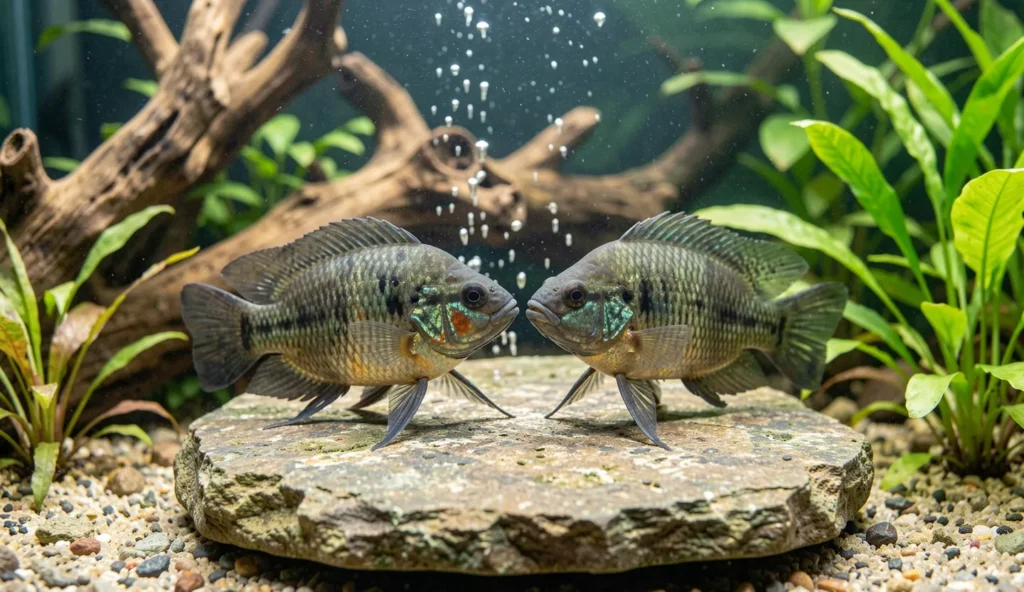
Spawning often happens on flat rocks or inside caves. Stable substrate matters because the pair spends more time cleaning and positioning eggs.
Water flow should remain gentle and steady, since strong currents can stress the pair. A clear site also reduces confusion, which speeds up egg laying and improves guarding focus.
Eggs Hatching Timeline Basics
Eggs are often laid in clusters and may look dull at first. After laying, parents may fan the eggs to support oxygenation and reduce fungus risk.
Hatching depends mostly on warm, clean water conditions. When temperature and water quality stay consistent, eggs typically develop on schedule.
If tank mates frequently disturb the area, egg development can suffer, so community risk should stay low. For similar concerns with other cichlids, reviewing compatibility for an african cichlid community can help explain why guarding fails when the tank holds the wrong neighbors.
Housing Essentials For Successful Breeding
Breeding success increases when the convict cichlid tank provides stable filtration and consistent water. Planning the breeding setup early also improves fry survival during the first week.
Even though this species breeds easily, poor water stability can still cause egg loss. For that reason, consistent routine care should come before chasing numbers.
Tank Size And Water Stability
Use a stable tank with reliable filtration and aeration. Enough space helps the pair establish territory without constant collisions from other fish.
Sudden temperature swings and large water changes can disrupt spawning behavior. Instead, gradual adjustments and steady daily conditions keep the pair confident.
Water Parameters That Support Spawning
Warm temperatures within a typical cichlid range support faster development. More important than chasing exact numbers is keeping pH and hardness consistent across days.
Low ammonia and low nitrite matter because they directly affect egg health. When waste stays controlled, parents often fan eggs more effectively.
For keepers expanding into other South American cichlids, reading about a stable tank setup like discus fish tank requirements can reinforce why oxygenation and consistency prevent breeding setbacks.
Substrate, Caves, And Spawning Surfaces
Flat rocks make eggs easier to see and easier for beginners to monitor. Caves can reduce stress, but they also hide eggs and may complicate observation.
Plants should be used carefully since excavation and digging may occur. When the pair rearranges decorations, the spawning surface should remain secure and not collapse.
Community Risk And Breeding Tank Choices
Many tank mates eat eggs or fry, so community risk is a major factor in survival. Smaller or slower fish often get targeted more during guarding.
Best results often come from a dedicated breeding or grow-out tank. If community housing continues, tank mates should be chosen to reduce interference and minimize harassment of the pair.
Since some cichlid species show strong territorial behaviors, understanding how other fish respond near breeders helps. Guides focused on angelfish care can also illustrate how nearby space and breeding zones change outcomes.
Diet And Feeding For Strong Parent Behavior
Feeding supports condition, which helps the convict cichlid spawn more reliably. It also helps parents continue guarding and fanning without weakening.
During easy breeding, food management still affects water quality. When waste increases, fungus pressure rises and egg survival can drop.
Feeding Schedule For Breeding Readiness
Feed small amounts frequently to keep fish in good condition. Portions should be adjusted so food finishes quickly, which reduces leftover waste.
Waste control supports stable water chemistry. That stability protects both egg development and fry growth after hatching.
Best Food Types
High-quality pellets work well as a stable base since they deliver steady nutrition. Add protein-rich foods like frozen options to strengthen breeding readiness.
Vegetable matter added occasionally supports balanced intake. A varied diet often helps adults maintain energy during the guarding period.
Avoiding Overfeeding During Spawning
Overfeeding increases ammonia pressure and can encourage egg fungus. It can also disturb guarding when fish become distracted by feeding behavior.
Water changes may disrupt the pair if performed too aggressively. Gentle maintenance that keeps conditions stable usually causes fewer breeding interruptions.
Feeding choices also affect fry because poor water quality hits the smallest fish first. If other community species are involved, compatibility can matter, including how bottom foragers interact, such as with corydoras catfish behavior.
Breeding Setup And Pairing Steps
Breeding setup should focus on letting the convict cichlid select a pair and a consistent spawning surface. Then the next steps focus on reducing stress and preventing early egg loss.
Beginners benefit from simple routines because this species often spawns naturally when conditions remain stable. Even then, timing and separation can still improve fry survival.
How To Form A Pair
Start with a small group and allow pair selection to happen naturally. This approach lets the strongest stable bond emerge without constant human interference.
Remove constant aggressors if bullying becomes severe. Stable pair bonding often shows up through repeated site choice and consistent guarding behavior.
Triggering Spawning Without Overcomplication
Spawning usually starts with consistent water quality and a stable temperature. Frequent parameter changes stress cichlids and can delay egg laying.
When the tank stays clean and the adults remain well fed, the pair often spawns on its own. For hybrids and hybrids-like behavior in other fish, learning what triggers breeding helps reduce mistakes.
As an example of why stable conditions matter across livebearing fish, review swordtail fish breeding behavior to see how environment affects reproduction. Similar logic applies even when the species and breeding method differ.
When To Separate A Pair From Tank Mates
Separate the pair at the first clear signs of egg laying, such as visible clusters on a chosen surface. Moving them early can protect eggs before tank mates learn the location.
Use similar water and temperature to reduce shock. Keeping the same spawning surface helps the pair resume guarding with minimal adjustment.
Parent Care And Egg Handling For Higher Fry Survival
Convict cichlids provide strong parent care compared with many aquarium fish. Parents usually guard the site, chase intruders, and fan eggs to keep them clean.
Handling eggs directly is usually unnecessary because parental care often supports healthy hatching. Still, beginners should reduce disruptions so parents can do their work.
What Parent Care Looks Like
Parents guard the spawning area and chase intruders that approach the eggs. They may position themselves over the eggs and adjust constantly to keep the surface clean.
Fanning behavior helps oxygenate the clutch and supports egg health. If the tank is disturbed often, that effort may decrease and fungus risk can rise.
Preventing Fungus And Egg Loss
Maintain strong filtration and stable oxygen levels to reduce fungus pressure. Debris removal should happen carefully so the spawning territory remains intact.
Avoid chemicals unless requirements are understood and necessary. When the water stays clean and the pair stays undisturbed, eggs typically develop without major issues.
Fry Survival Tips During The First Week
Keep tank mates away to reduce predation during early fry survival. Fry often need gentle water flow so they do not get exhausted or trapped in corners.
Use frequent small feedings once free swimming starts. Overfeeding can still harm fry through water quality, so portion control matters.
Tank design also matters for fry movement and oxygen access. The same idea shows up in other tank planning guides like guppy fish breeding tips, even though the young-stage needs differ.
When And How To Separate Fry From Parents
Separation can reduce accidents and lower predation if parents tolerate the fry inconsistently. It also allows easier feeding schedules and more reliable cleaning.
Use a divider or transfer method with similar water parameters to reduce shock. A plan for a grow-out schedule helps keep fry strong and improves survival rates.
Because convict cichlids can become protective and aggressive around eggs, separating when needed supports calmer feeding. This kind of planning also helps when controlling community risk with fast breeding fish like betta fish in some setups.
Common Problems During Breeding And How To Fix Them
Breeding failures often come from water quality, disturbance, or tank mate interference. When those issues are corrected early, the convict cichlid usually resumes normal spawning behavior.
Small changes usually fix the most common beginner problems. At the same time, keep expectations realistic, since not every clutch produces healthy fry.
No Spawning After Pairing
Check water quality first for ammonia and nitrite before changing anything else. Confirm that the pair has a stable spawning surface and enough space to claim it.
Improve diet condition and keep conditions consistent. Consistency often matters more than dramatic changes.
Eggs Disappearing Or Turning Bad
Tank mate feeding and interest in the site often cause egg loss. Fungus risk rises when water stays dirty or debris collects around the clutch.
Improve oxygenation and reduce disturbance to support parent care. If the clutch remains hidden inside a cave, reduce handling and let the parents work.
Compatibility planning for other cichlids can prevent similar losses. For example, reviewing how fish interact in community space such as in flowerhorn cichlid setups can clarify why aggression affects egg survival.
Fry Not Surviving Past Early Stages
Predation from tank mates or weak tank setup planning often reduces fry survival. Inconsistent feeding can also cause starvation during critical growth periods.
Overfiltration can physically harm very small fry by creating strong suction or current. When flow is gentler and food is frequent, survival rates usually improve.
Starter Checklist For New Convict Cichlid Breeders
This checklist helps prepare for easy breeding without skipping the essentials. Each item supports egg health, parent care, and fry survival.
- Test water quality before pairing and keep it stable
- Provide a flat rock or a stable cave spawning surface
- Use gentle filtration with stable oxygenation
- Keep community risk low by separating the pair if needed
- Plan a grow-out area for tank separation and feeding
- Have fry food ready before free swimming begins
Frequently Asked Questions
How Long Does It Take For Convict Cichlid Eggs To Hatch?
Hatching time depends mostly on temperature and how stable the water stays.
Do Convict Cichlids Care For Their Fry?
Pairs usually guard the eggs and often stay near the fry during early days.
Should Convict Cichlid Fry Be Separated From The Parents?
Separation can improve survival if aggression, accidents, or predation occur.
What Tank Mates Are Safest During Breeding?
Tank mates often increase community risk for eggs and fry, so separation is usually safer.
Why Do Convict Cichlid Eggs Turn White?
White eggs usually indicate fungus, dead eggs, or unfertilized eggs.
A Practical Path To Easy Breeding
With stable water, a protected spawning site, and careful separation planning, convict cichlid breeding often stays simple for beginners. When parent care remains undisturbed, fry survival improves and the cycle becomes easier to repeat.