What Is an Electric Blue Acara
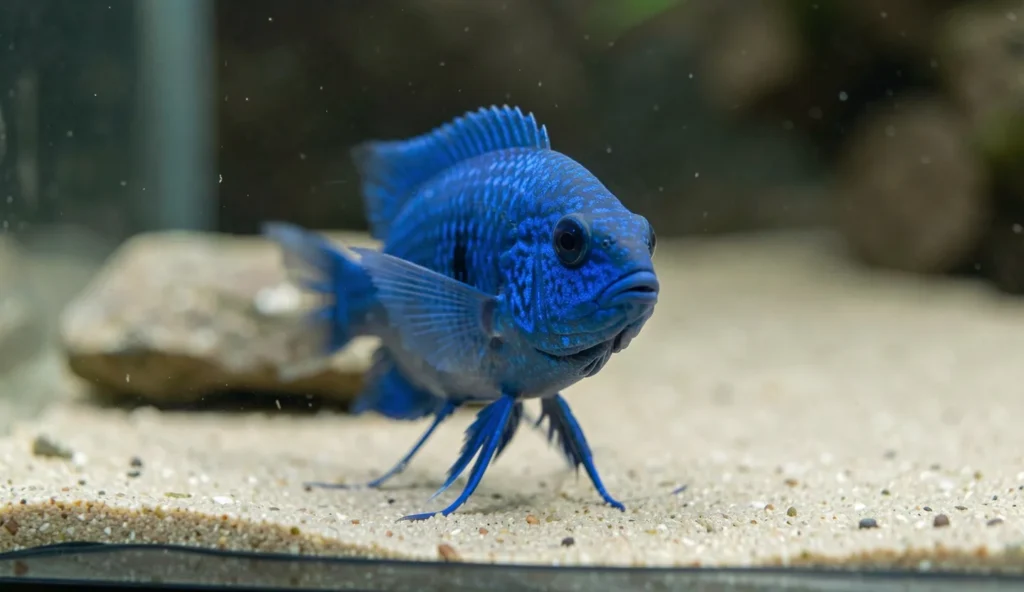
The electric blue acara is a striking color morph within Andinoacara pulcher, the species commonly sold as acara. This cichlid keeps the familiar acara body plan but expresses stronger blue pigmentation that many hobbyists actively breed for.
Because this fish stays within the Andinoacara pulcher framework, care requirements closely match standard acara care. That similarity helps cichlid enthusiasts plan housing, water quality, feeding, and stress control without needing a separate care system for the color morph.
Species Background Andinoacara Pulcher
Electric blue acara is a color morph of Andinoacara pulcher. The base species originates from South America, where the natural fish show different coloration that depends on habitat and individual variation.
A color morph usually keeps the overall shape and typical acara behavior patterns. Genetic variation then shows up mainly through pigmentation and subtle pattern differences rather than a completely new species.
What Makes the Color Look Electric Blue
Electric blue expression depends on pigment density and how color sits across the body. Light also matters because an iridescent look can shift with the angle of viewing and the way scales reflect.
Strain quality varies between breeding lines, so some fish show brighter blue while others look more muted. Blue can also fade when water quality slips, when the fish experiences stress, or when feeding quality does not support overall health.
How Color Genetics Work in Cichlid Color Morphs
Color genetics in cichlid color morphs rarely follow a single simple rule that guarantees identical results every time. Instead, inheritance can involve more than one genetic factor, plus environmental conditions that change how well color shows.
That practical reality matters for electric blue acara breeding because breeders typically evaluate offspring across multiple growth stages. Color intensity may shift from juvenile to adult, even when the parents look consistent.
Pigmentation Basics in Aquarium Fish
Color comes from different pigments, and the way scales reflect light can amplify a blue effect. Stress and illness often reduce visible color quickly, which makes health monitoring a key part of cichlid color genetics.
Nutrition also supports pigment expression through overall growth and metabolic stability. Water parameters influence both fish health and how colors appear under aquarium lighting.
Why Strain Matters More Than a Single Fish
A cichlid color morph often acts like a line-based product rather than one fixed trait from one fish. Different breeders may use different parent lines, so two “electric blue” groups can still produce different outcomes.
Breeding results can vary even within the same electric blue acara label. Reliable progress improves when pairing choices stay consistent and when record keeping tracks which parent lines created which results.
Common Inheritance Patterns Breeders Watch For
Some traits can behave like dominant features in certain lines, which means a strong blue parent often produces more consistently blue offspring. Other traits show incomplete expression, so offspring can look blue but not equally bright.
Hidden traits can appear when lines are crossed, and multiple factors can affect final blue intensity. Rearing conditions can change expression during growth, so breeders often standardize feeding and water to reduce random variation.
How the Electric Blue Strain Was Developed
The electric blue strain typically emerges through selective breeding that favors the most intensely blue individuals over many generations. Rather than a single breeding event, development usually depends on repeated selection and careful pairing decisions.
This process resembles other aquarium line-development efforts, where stability and repeatable outcomes matter more than one bright batch. When the electric blue acara strain was developed, breeders likely focused on both visible color and overall health to keep the line viable.
Selective Breeding From Naturally More Blue Individuals
Breeders start by choosing the most blue offspring from a parent group. Parents with strong blue expression receive priority for the next spawn, so the gene pool shifts toward the desired look.
Selection then continues across multiple generations, which helps stabilize electric blue expression. The goal focuses on consistent results rather than a one-time burst of bright pigmentation.
Color-development timelines also reflect how quickly juveniles show usable blue. Some hobbyists compare growth at set ages, which can prevent early selection mistakes.
Line Breeding and Avoiding Unwanted Traits
Line breeding can concentrate the desired coloration within a smaller genetic base. Pair selection often reduces variation in pattern and intensity by selecting parents that match each other visually and behaviorally.
Tracking blue across the fins, body, and head helps breeders cull fish that do not meet the target. Some traits can be linked in practice, so careful pairing stays important for minimizing unwanted features that may travel with strong blue.
What to Expect When Two Electric Blue Lines Are Crossed
Crosses between two electric blue lines can sometimes increase blue intensity in one generation. Offspring quality depends on the parent lines used and on how well those lines complement each other genetically.
Color outcomes can look different in juveniles versus adults, so it helps to plan selection later rather than immediately after hatching. Rearing conditions can also influence how blue expresses during growth, which is why standard care routines often accompany breeding plans.
If tankmates and water stability are inconsistent, color comparisons become unreliable. A similar logic appears in fish breeding communities, where consistent rearing supports clearer evaluation of traits.
Electric Blue Acara Care That Matches Standard Acara
Electric blue acara care follows the same core rules as standard acara care. A stable environment protects health, and healthy fish show blue more reliably.
Many “color problems” turn out to be stress or water quality issues rather than genetics. That is why care and breeding planning should use the same strong baseline approach.
Tank Size and Water Parameters
Use a spacious tank to reduce stress and support natural territorial behavior. Maintain stable temperature with a reliable heater and avoid swings that can suppress appetite and color expression.
Filtration should run consistently, and partial water changes should keep ammonia and nitrite at zero. A test kit makes this measurable, especially when growth and feeding increase waste output.
Substrate, Plants, and Hiding Spots
Provide smooth substrate for digging behavior and keep rockwork stable to prevent collisions. Rock and driftwood also create sight breaks, which can lower direct aggression.
Caves or flat spawning surfaces help the fish feel secure and can support breeding readiness. Avoid sharp decor that can damage the body, because injuries lead to stress and reduced blue expression.
When introductions happen, rearrange some decor to reset territories. This approach often reduces chasing and helps both fish settle faster.
Feeding for Strong Color and Growth
Feed a varied diet to support both color and overall growth. High-quality pellets can form a reliable base, and frozen meaty foods add protein that supports condition.
Some fish accept vegetables or spirulina-based foods, which can round out nutrition. Overfeeding creates water quality problems that often dull blue, so feeding amounts should match the tank’s filtration and stocking density.
For color breeders, feeding consistency matters as much as food variety. The best results usually come from routines that do not fluctuate week to week.
Tank Mates That Reduce Stress
Choose tank mates with similar size and temperament to reduce fin-nipping and persistent harassment. Very small fish can trigger predation, so compatibility depends on both behavior and adult size.
Some cichlid enthusiasts also keep other midwater or bottom fish, but the choice must support the acara’s territory. Rearranging decor during introductions can reduce aggression by breaking established lines of sight.
Because each species has different feeding behavior, tank mates should not compete directly for the same food area. If tank mates fail, electric blue acara stress can rise quickly, and color fades can follow.
When pairing ideas overlap with other cichlids, it helps to review pairing logic for an african cichlid community, since aggression management principles often rhyme across systems.
Health Signs That Affect Blue Intensity
Poor appetite often starts the process that ends with duller color. Skin stress, abnormal breathing, and cloudiness can all reduce blue over time.
Quarantine new arrivals to prevent disease entry and to avoid introducing pathogens that can take weeks to show. When a fish looks slightly off, treating early can protect both health and visual coloration.
For color lines, health monitoring protects the breeding investment. Even minor stress can affect feeding and pigment expression in ways that complicate selection.
Breeding Electric Blue Acara for Better Color
Breeding electric blue acara focuses on stable pair bonding and clean, oxygenated egg care. Color outcomes depend on both the breeding genetics and the rearing conditions used after spawning.
For color breeders, selection choices should connect directly to the electric blue strain goals. That means planning the pairing workflow before the first spawn attempt.
How to Set Up a Breeding Pair
Use a mated pair when available or allow compatible fish to pair naturally. Provide flat surfaces or caves for egg laying, and keep water parameters stable and clean for spawning success.
Reduce tankmate pressure so the pair can condition properly. If aggression rises, stress can disrupt courtship and lead to poor egg guarding or failed fertilization.
Conditioning the Breeders
Condition breeders with higher quality foods before spawning attempts. Keep schedules consistent and avoid sudden changes in temperature or feeding volume.
Observe courtship and territorial behaviors, since these show whether the pair is ready. Frequent handling should be minimized, because stress can interrupt spawning cycles.
Spawning and Egg Care Basics
Let the pair guard eggs unless eggs are repeatedly eaten. Keep the water oxygenated to support egg development and reduce the chance of fungal growth.
Remove unfertilized eggs if they turn cloudy, since fungus can spread. Planning fry care before the first free-swimming stage helps prevent delays that can affect growth and later color expression.
Even when fry feeding happens smoothly, rearing routines must remain consistent to fairly evaluate the electric blue traits. That same consistency often supports clearer comparisons in other livebearing lines like platy fish color development.
Selecting Offspring With the Best Electric Blue Expression
Select juveniles based on blue intensity and pattern consistency rather than on early shine alone. Keep rearing conditions as uniform as possible so comparisons reflect line potential rather than random tank differences.
Cull weak color individuals when they consistently underperform the line target. Track parent line details so each pairing becomes a learning step toward more reliable electric blue acara results.
Starter Checklist for Electric Blue Acara Color Breeding
Electric blue acara color breeding succeeds when care fundamentals remain steady. The checklist below supports both standard acara health and cichlid genetics work by reducing avoidable stress.
Essential Gear and Setup Points
- Heater with reliable temperature control
- Test kit for ammonia, nitrite, nitrate, and pH
- Filter capacity sized to the tank and bioload
- Smooth substrate for natural digging behavior
- Flat spawning surface or stable cave options
- Hiding spots and rockwork for territorial breaks
- Quarantine tank for new fish and disease prevention
- Separate rearing space for fry when needed
Breeding and Record Keeping Items
- Pair selection notes including lineage labels
- Daily observations of aggression and appetite
- Photos of blue development at set ages
- Feeding schedule plan before the first spawn
- Tank mate list and any changes to routine
- Fry transfer timing notes if parents fail to guard
Frequently Asked Questions
Is an Electric Blue Acara the Same as Andinoacara Pulcher?
Yes, electric blue acara is a color morph of Andinoacara pulcher.
Do Electric Blue Acara Genetics Guarantee Blue Color in Every Offspring?
No, results can vary by parent line and rearing conditions.
What Water Conditions Matter Most for Keeping Electric Blue Color Strong?
Stable temperature, clean water with zero ammonia and nitrite, and regular water changes.
What Tank Mates Work Best for Electric Blue Acara?
Choose similar sized, non nipping fish and provide enough territory breaks.
How Should Breeding Pairs Be Conditioned for Better Fry Color Outcomes?
Use a consistent high quality diet and stable tank conditions before spawning.
A Reliable Foundation Supports Electric Blue Acara Results
Electric blue acara color genetics perform best when care stays consistent across setup, feeding, and breeding. Strong husbandry helps the electric blue strain express more clearly while reducing stress related color loss.