What Is a Paradise Fish?
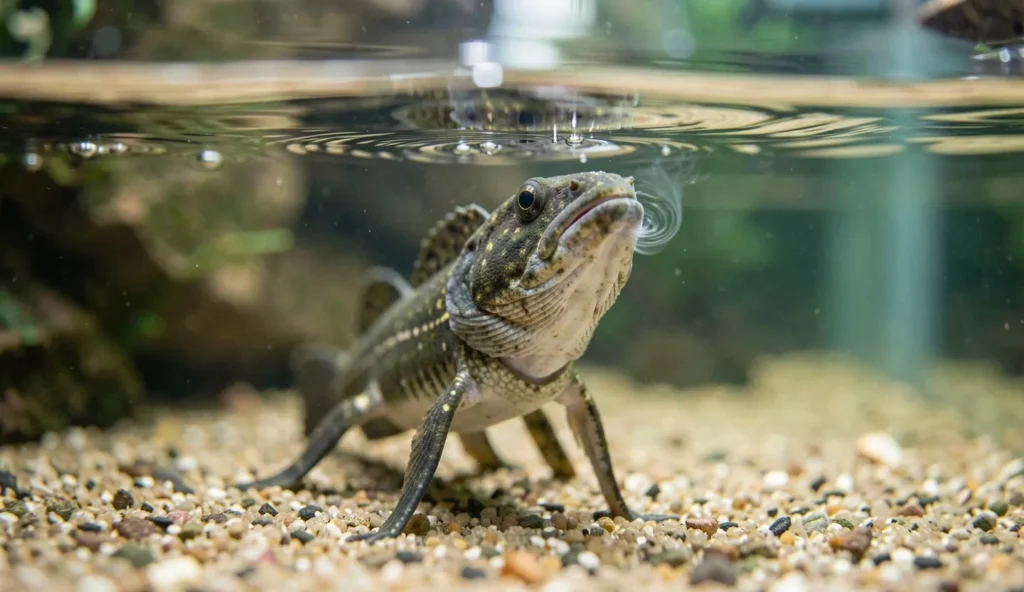
The paradise fish is a freshwater labyrinth fish known for air breathing and a territorial temperament. This paradise fish care guide focuses on Macropodus opercularis needs, especially the labyrinth organ that supports breathing at the surface.
Species Name And Common Names
The scientific name is Macropodus opercularis, and the fish is commonly called paradise fish. It also gets grouped with labyrinth fish and described as a gourami relative due to shared behavior traits.
Where Paradise Fish Come From
Paradise fish come from parts of Asia where slow moving freshwater habitats are common. In those waters, water conditions can change and the fish still needs surface access to breathe.
Why The Labyrinth Organ Changes Care
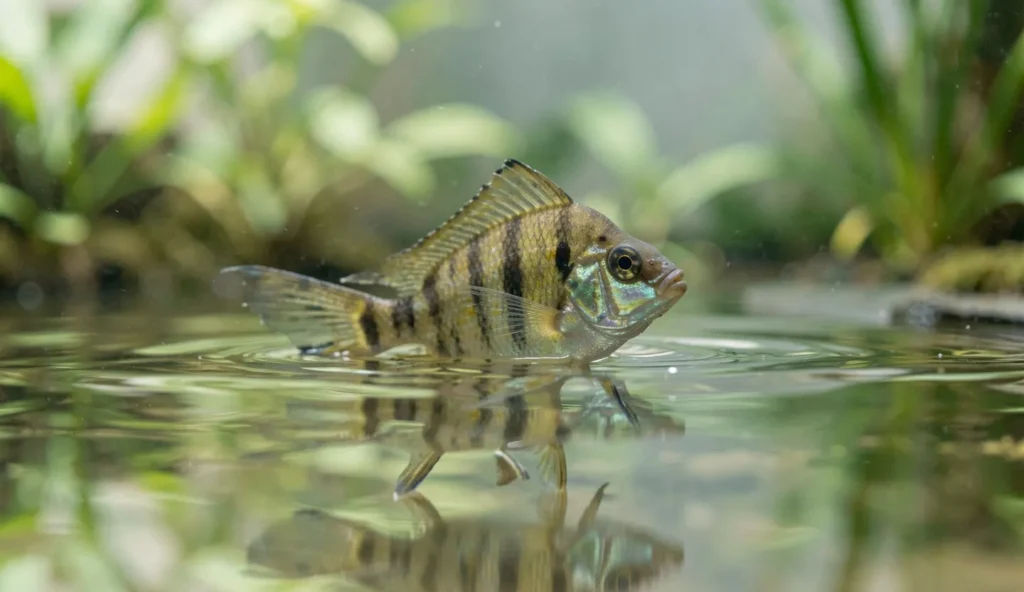
The labyrinth organ lets paradise fish breathe air directly, which supports survival in lower oxygen environments. Even so, normal care still requires easy access to the water surface for dependable surface gas exchange.
Typical Lifespan And Size
Size depends on sex and how stable the aquarium conditions remain, with mature fish often showing stronger body and fin presence. Lifespan varies with diet quality and water stability, and growth typically slows when conditions stay consistent.
Appearance And Physical Features
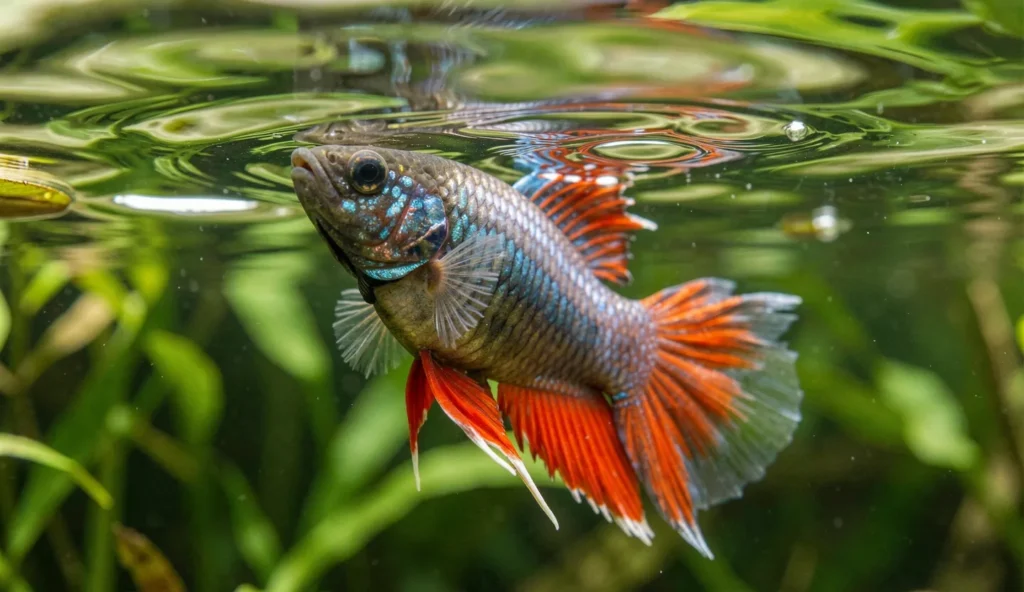
Paradise fish often show vivid coloration that helps keepers recognize health and stress patterns. Strong coloring can align with proper feeding and calm territory management.
Color Patterns And Markings
Many individuals display vivid body and fin coloration that becomes more pronounced with good condition. Stress can dull colors, so changes often appear before bigger symptoms.
Fin Shape And How It Affects Swimming
Longer fins are common in mature fish and they influence how the fish maneuvers. Swimming is usually steady rather than fast, and heavy flow can lead to fatigue and rising stress.
Sex Differences And Courtship Cues
Males often show more intense coloration and more obvious display behavior. Courtship can include chasing and surface related behavior, and sexing is easier once fish mature.
Stress Signs To Watch For
Hiding more than usual, gasping at the surface when not otherwise stressed, and clamped or torn fins can all point to problems. If these signs appear together, action should follow quickly to protect long term breathing and fighting outcomes.
Temperament And Why Paradise Fish Can Be Aggressive
Paradise fish show territorial tendencies that increase as they mature, which can make aggressive encounters likely in shared tanks. Because they behave like a labyrinth fish and also a gourami relative, stocking decisions should prioritize temperament over appearance.
Territorial Nature In The Aquarium
In the aquarium, paradise fish defend a favored area or corner and treat nearby fish as intruders. Fighting risk rises when space is limited, since constant face to face time prevents calm boundaries.
How To Reduce Aggression
Aggression drops when sight breaks and hiding places interrupt line of sight. Tank layout matters as much as tank size, and introducing compatible fish should follow an established plan.
Best Tank Mates For A Paradise Fish
Tank mates work best when they do not resemble paradise fish in body shape and when they occupy different areas. In practice, compatible choices often include fish that tolerate distance well, while fish with similar territorial styles can increase conflict.
When To Separate Fish Immediately
Immediate separation is needed when chasing continues without pauses or when fins show visible torn tissue. Separation also becomes necessary when one fish cannot access the breathing surface comfortably, since blocked or stressed surface access can quickly worsen condition.
Housing Essentials And Tank Setup
Safe paradise fish housing protects the labyrinth organ function by keeping the surface reachable. With stable conditions and deliberate layout, aggression pressure usually declines.
Tank Size And Layout For Territory
Larger tanks dilute aggression and help establish clearer zones, which reduces repeated confrontations. Multiple zones also reduce constant encounters by giving each fish a workable space.
Water Parameters That Support Health
Stable parameters matter more than chasing a single perfect number, especially for intermediate keepers managing routine changes. Clean water from reliable filtration helps prevent stress, and sudden temperature swings should be avoided.
Surface Access For Labyrinth Breathing
Labyrinth fish care depends on surface gas exchange, so the water surface must stay reachable. Keep the water surface clear of films and avoid setup choices that block easy access.
Plants And Hiding Spots
Dense plants lower conflict by providing shelter and breaking direct sightlines. Floating plants can also change surface access, so placement should maintain clear breathing space for paradise fish.
Filter Flow And Heating Choices
Gentle flow prevents fatigue, while oxygenation can still be supported without constant turbulence. Heating should stay consistent, and thermometer placement should not interfere with the surface breathing zone.
Diet And Feeding For Paradise Fish
Feeding drives both health and behavior, which means paradise fish diet planning helps control aggression. A balanced routine supports calmer resting periods and reduces waste that can harm water quality.
What Paradise Fish Eat In Captivity
Paradise fish typically accept a mix of quality pellets and live foods that provide protein. Because they rely on active muscle and consistent energy, protein supports normal feeding behavior and helps limit hunger based chasing.
Recommended Feeding Frequency And Portions
Feed small amounts several times weekly and adjust portions based on body condition and how fast food disappears. Uneaten food should be removed after feeding windows to reduce waste buildup.
Protein Based Options And Live Foods
Bloodworms are a common protein option, while brine shrimp can add variety without overly heavy feeding. When live foods are unavailable, quality frozen foods can work well, and some keepers pair rotation practices with guidance from reliable care references like goldfish breeds for broader feeding structure and portion thinking.
How Diet Affects Aggression
Hungry paradise fish often show more chasing, while well fed fish spend more time resting in their chosen territory. A stable diet also supports brighter coloration and more consistent fin condition.
Grooming And Care Tips For Labyrinth Breathing
Grooming for a paradise fish focuses on maintaining surface breathing access and long term stability rather than external coat care. Routine maintenance also limits stress that can trigger fin damage and parasite problems.
Routine Water Changes Without Stress
Water changes should use temperature matched water to avoid sudden shifts that can raise stress. Consistent schedules and light substrate vacuuming help reduce detritus without disrupting the overall biological balance.
Surface Care To Prevent Breathing Problems
If surface scum forms, remove it promptly because a film can reduce breathing efficiency. Additives that create persistent surface films should be avoided, and the goal remains a clear path for air breathing.
Quarantine Practices For New Fish
Quarantine new arrivals before mixing tanks to prevent parasite introduction and early outbreaks. During quarantine, monitor for flashing, spots, and fin damage, since fast treatment often limits spread.
Tank Cleaning Priorities
Filter media should be maintained without overwashing, since established biological filtration protects water stability. Rinse media using removed tank water and avoid disruptions that can cause harmful parameter swings.
Common Health Issues And What To Do
Health problems in paradise fish often connect to surface access, fighting injuries, or water quality stability. Early response improves recovery odds and reduces the time fish remain stressed.
Breathing Difficulty From Surface Problems
When surface access fails, paradise fish breathing efficiency drops quickly because labyrinth fish still need air at the surface. Surface films lower gas exchange, and strong turbulence can also stress the fish during every breathing cycle.
Fin Damage From Fighting
Territorial chasing can create torn fins and scale loss, especially when sight breaks are insufficient. Injured fish may need separation, and tank structure should then be adjusted to prevent repeat encounters.
Common Parasites And Bacterial Issues
Ich like spots can appear under stress, and bacterial infections often follow wounds from aggression. Quarantine new fish reduces spread, and reliable parasite prevention practices also align with habits used for other aquarium species, such as guppy fish breeding tips that emphasize early observation and isolation for newcomers.
Water Quality Related Problems
High waste can lower appetite and reduce immune resilience, which makes secondary issues more likely. Sudden parameter changes can trigger additional stress, so reliable filtration and controlled feeding routines matter daily.
Breeding Basics And Spawning Conditions
Breeding paradise fish requires controlled conditions because adult aggression can increase during the spawning period. With a separate setup, the breeding process stays practical for intermediate keepers.
Pair Setup For Successful Spawning
A separate breeding tank helps control space and reduces damage from chasing. Provide plenty of cover and gentle flow, and remove or manage the pair after spawning to limit post spawn aggression.
Eggs And Fry Care Considerations
Fry require frequent small feedings to keep growth steady while water stays clean. Stable water parameters support developing fry, and early disturbances should be minimized during the first growth stages.
Labyrinth Development In Juveniles
Juveniles still depend on safe water surface access as the labyrinth system develops. As they mature, breathing opportunities need to remain easy, and coverings that block surface contact should be avoided.
Starter Checklist For New Paradise Fish Owners
A solid setup helps paradise fish manage breathing and reduces aggression pressure from day one. The items below support stable surface conditions and a predictable daily routine.
Essential Equipment And Setup Items
- Choose a tank sized for territorial zones
- Use gentle filtration with controlled surface conditions
- Add plants for hiding and sight breaks
- Ensure clear surface access without films
- Set a heater for stable temperature
Feeding And Care Routine
- Prepare quality pellets plus protein rich frozen foods
- Feed small portions on a consistent schedule
- Remove uneaten food after each feeding window
- Quarantine new fish before the display tank
Is Paradise Fish Right For You?
Paradise fish fit best when aggression management stays realistic and surface breathing access remains consistent. Because they are labyrinth fish and can be aggressive, keeping priorities must include territorial control.
Paradise Fish Fit When These Conditions Are Met
A good fit often includes a tank that allows territory building and sight breaks. It also helps when separation is possible for injuries and when surface conditions stay clean and reachable.
Consider Skipping When These Challenges Apply
Skipping paradise fish can be wise when there is no plan for separating an injured or overly aggressive fish. It also becomes harder when tank mates include other highly territorial labyrinth fish or when surface access is routinely blocked by film or floating mats.
Final Care Steps That Keep Paradise Fish Stable
Stable routines protect the paradise fish labyrinth organ and reduce triggers for aggression. Keep surface access clean, feed with control, and respond early when behavior changes appear.
Frequently Asked Questions
How Does The Labyrinth Organ Affect Paradise Fish Care?
It lets paradise fish breathe air, but they still need easy surface access for normal respiration.
Why Is My Paradise Fish Acting Aggressive Toward Tank Mates?
Aggression rises with maturity, limited space, and poor hiding options.
Can Paradise Fish Live With Other Labyrinth Fish Like Gouramis?
They can, but aggression risk increases when territories overlap or the tank is too small.
What Should Be Done If Paradise Fish Are Not Reaching The Surface?
Check for surface films, blocked access, and stress from temperature or excessive flow changes.
What Is A Good Feeding Schedule For Paradise Fish?
Feed small portions multiple times weekly and remove uneaten food after the feeding window.
Final Note On Paradise Fish Stability
With steady water, clean surface access, and controlled feeding, paradise fish usually maintain a healthier routine. Caring for labyrinth fish becomes easier once territory and breathing needs stay predictable.