What Is A Telescope Goldfish
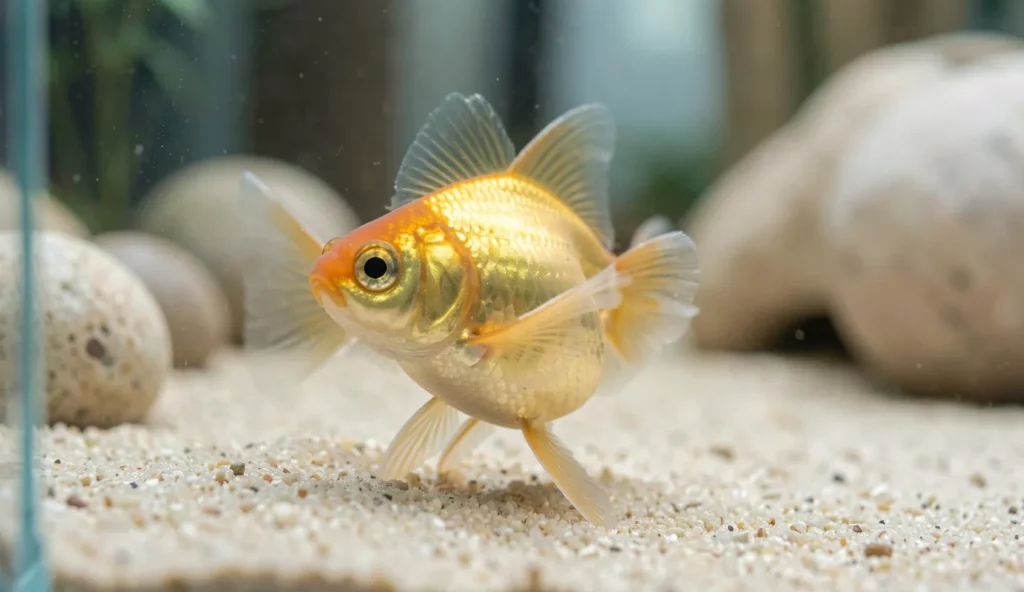
Telescope goldfish are fancy goldfish bred for prominent, protruding eyes that sit outside the usual eye shape. This telescope goldfish trait changes how daily movement, feeding, and navigation work in a home aquarium.
Most lines fall under the fancy goldfish group, but the eye size, angle, and spacing can vary. Because of that variation, owners often notice different vision limits across individual fish.
Breed Overview And Origin
Telescope goldfish are a type of fancy goldfish bred for large, outward-facing eyes. The telescope eye goldfish look comes from altered eye growth during breeding, not from age.
Different lines can show differences in eye length and direction. Some fish face their eyes more forward, while others have more sideways flare.
Why Eye Shape Affects Daily Behavior
Large protruding eyes can reduce the range of comfortable focus. As a result, the fish may rely more on movement and contrast than fine detail.
Also, the eye angle can limit side viewing. When food or objects sit too close or too cluttered, the fish may miss it and bump into surfaces.
How Telescope Goldfish See
Telescope goldfish vision uses the same basic eye functions as other goldfish, but the eye structure affects comfort and targeting. Even when the fish has usable vision, poor vision risk rises if the tank layout creates obstacles.
Owners can reduce problems by aligning feeding, décor, and flow with how the fish likely tracks space. Tank safety becomes more than a convenience because eye injuries can happen quickly.
What Protruding Eyes Do To Focus
Protruding eyes can reduce the range of comfortable focus. The fish often struggles more with small, distant details and may hesitate before committing to a bite.
In addition, the eyes can be more sensitive to glare and debris. If water is not clear, fine particles can make it harder to track food.
Depth Perception And Targeting Challenges
Depth judgment can be less precise than in flat-eyed goldfish. When food drops into clutter, the telescope eye goldfish may fail to locate it in time.
Slow feeding helps, especially when paired with calm water. This approach can reduce stress and lower the chance of sudden darting into obstacles.
Does Poor Vision Always Mean Blindness
Poor vision does not automatically mean blindness. Most telescope goldfish still see well enough to navigate when the tank stays consistent.
Over time, many fish adapt to tank layout. However, severe eye damage or disease can cause partial or full blindness.
Signs Of Vision Struggles Owners Can Spot
Bumping glass, décor, or tank corners more often can signal vision limits. Difficulty finding stationary food can also appear during normal feeding routines.
Some fish spend more time near open water zones to avoid objects. If that pattern becomes constant, tank safety changes can make a measurable difference.
Common Vision Problems And Eye Injuries
Eye injuries in telescope goldfish often start with a simple cause, like impact with décor or abrasion during chasing. Because the eyes protrude, rough contact can lead to fast swelling or infection.
Understanding risk factors helps caretakers prevent problems before they escalate. Then, the focus shifts to prompt care if something looks off.
Eye Pop And Trauma Risk Factors
Large eyes remain vulnerable to impact and rough contact. Chasing fish during tank maintenance or snagging décor can also cause serious injury.
Water flow can add stress by pushing fish into objects. When that happens, tank safety planning around intakes and décor spacing becomes critical.
Swelling, Cloudiness, And Redness Causes
Irritation can come from debris, abrasive surfaces, or poor water quality. When water parameters drift, inflammation can reduce vision and increase bumping.
Bacterial or fungal involvement may contribute to cloudy eyes. For context on how water quality drives eye and fin health in other fish, review goldfish breeds care guidance and consistency habits from similar setups.
How Urgent Eye Issues Should Be Handled
Immediate isolation can reduce stress and prevent further injury. If an eye protrusion injury occurs, the damage may worsen quickly without correct treatment.
An aquatic specialist or fish vet should guide medication decisions. Medication used for other fish species may not fit telescope goldfish needs, so professional direction matters.
Tank Safety Steps That Prevent Eye Damage
Tank safety should focus on removing hard contact points and reducing strong suction. When telescope goldfish eye anatomy sits outside normal protection, small design choices can prevent major harm.
These changes also reduce stress during feeding and routine care. In many tanks, a few adjustments cut the most common injury paths.
Choose Safe Substrate And Avoid Sharp Materials
Use smooth, rounded gravel or soft sand to reduce abrasions. Avoid sharp stones, broken décor, and rough ceramic surfaces that can scrape eyes.
Decor with exposed edges can catch or rub protruding eyes. When possible, remove anything that looks like it could snag the telescope eye goldfish during turns.
Decor And Plant Choices That Reduce Bumping
Low, rounded décor shapes help fish travel without striking corners. Clear open swimming space also makes navigation easier when depth perception feels less precise.
Silk plants or very smooth live plants can reduce scrape risk. Dense layouts often hide food and force fast searches, which can increase collision chances.
Filter Intake And Water Flow Safety
Cover filter intakes with a safe pre-filter to prevent sucking injury. Strong flow can push the fish into objects, so gentler circulation often improves stability.
Secure hoses and equipment so they cannot shift. For owners also keeping other aquarium fish, betta fish care notes on gentle flow can help reinforce the value of low-stress water movement, even though each species needs its own setup.
Tank Geometry That Supports Limited Depth Perception
Avoid placing rocks in tight corners and dead ends. Keep feeding areas visible and free of clutter so the fish can track food without obstacles.
Consistent layout supports learning. If the décor changes often, telescope goldfish must re-map space and bumping becomes more likely.
Feeding Tips For Telescope Goldfish With Vision Limits
Feeding should match telescope goldfish tracking abilities and reduce frantic movement. This helps prevent missed bites and supports stable water quality.
Small routine changes also lower aggression that can arise when a fish cannot find food quickly. Many owners also find that a consistent schedule prevents the fish from rushing at random times.
How To Place Food For Better Finds
Feed slowly so the fish can approach without sudden bursts. Place food in open areas where the eyes can track it more reliably.
Sinking foods can work, but only if the bottom stays smooth and uncluttered. If pellets land on gravel lines or under décor edges, missed food increases fast.
Food Types That Support Health And Recovery
Offer a balanced base diet made for fancy goldfish. Add high-quality protein and fiber in measured amounts, not in large jumps.
Soften dry foods to reduce stress during eating. When owners already keep other fish, it can help to compare how neon tetra behavior benefits from stable group feeding routines, since calmer conditions can improve feeding success.
Watch For Overeating And Waste
Vision limits can delay feeding success, which sometimes triggers chasing. Smaller portions more often reduce competition and reduce the chance of overeating.
Remove uneaten food promptly to protect water quality. Poor water conditions can worsen inflammation and make cloudy eyes more likely.
Health Care And Best Practices For Telescope Goldfish
Vision care depends on the same fundamentals as overall goldfish health. Stable water reduces irritation, supports immune function, and limits inflammation that can blur sight.
Routine monitoring also helps catch early problems before they become injuries. In a tank with compatible tank mates and careful handling, telescope goldfish often thrive.
Water Quality Targets For Eye Health
Maintain stable temperature to reduce stress and inflammation. Keep ammonia and nitrite at zero with reliable filtration and consistent testing.
Perform regular partial water changes and test consistently to avoid swings. When owners compare fish care strategies, guppy fish breeding tips highlight how stable water underpins reproductive and health outcomes, which reflects the same stability principle for eye comfort.
Daily Handling And Stress Reduction
Avoid netting when possible since eyes can scrape during capture. Use gentle moves and minimize chasing or sudden changes during maintenance.
Also keep tank mates calm and compatible to prevent collisions. If a tank includes fast or aggressive feeders, the risk of bumping rises.
Common Health Issues That Affect Vision
Cloudy or swollen eyes can connect to water quality issues and inflammation. Bacterial infections may follow trauma or irritation that started with rough contact.
Parasites can affect comfort and feeding, which then reduces condition. If symptoms appear after a decoration change or substrate switch, inspect tank safety factors first.
Is Telescope Goldfish Right For You
Choose telescope goldfish if tank safety can be carefully managed. They require smooth setup, consistent monitoring, and a feeding routine that accounts for missed bites.
Best fit comes from owners willing to adjust decor and protect eye contact points. For keepers seeking a different style of fancy goldfish, comparing tank needs across fancy goldfish types can clarify expectations.
Starter Checklist For Owners Setting Up A Telescope Goldfish Tank
A practical checklist helps prevent common setup mistakes before the fish arrive. Using the list below can reduce the chance of eye scraping, snagging, and sudden trauma.
Tank Safety Checklist
- Use smooth substrate with no sharp stones.
- Remove sharp decor and replace with rounded, low-profile items.
- Create open swimming areas for easier navigation.
- Cover filter and intake areas with safe guards.
- Secure all equipment so it cannot shift during movement.
Daily And Weekly Care Checklist
- Feed in open areas and watch for missed bites.
- Remove uneaten food to prevent water quality decline.
- Test ammonia, nitrite, and nitrate on schedule.
- Perform partial water changes using dechlorinated water.
With these steps in place, telescope goldfish vision struggles often become easier to manage. Consistency keeps tank safety predictable for the fish and for caretakers.
Final Note On Keeping Telescope Goldfish Safe
Telescope goldfish do best when the aquarium reduces impact risk and supports steady water quality. When precautions come first, owners can lower injury chances linked to protruding eyes.
Frequently Asked Questions
How Do Telescope Goldfish Eyes Work?
Their protruding eyes can limit comfortable focus and depth perception.
Do Telescope Goldfish Have Poor Vision Compared To Other Goldfish?
They usually see, but may miss food more often and bump objects.
What Tank Decorations Are Unsafe For Telescope Goldfish?
Avoid sharp edges, rough rocks, and any decor that can scrape or snag eyes.
Can Water Flow Cause Eye Injuries In Telescope Goldfish?
Strong flow can push fish into objects, increasing the chance of trauma.
How Can Owners Help Telescope Goldfish Find Food More Easily?
Feed slowly in open areas and keep the bottom smooth and uncluttered.
What Should Be Done If a Telescope Goldfish Eye Looks Cloudy?
Treat it as potentially urgent and seek aquatic vet guidance quickly.