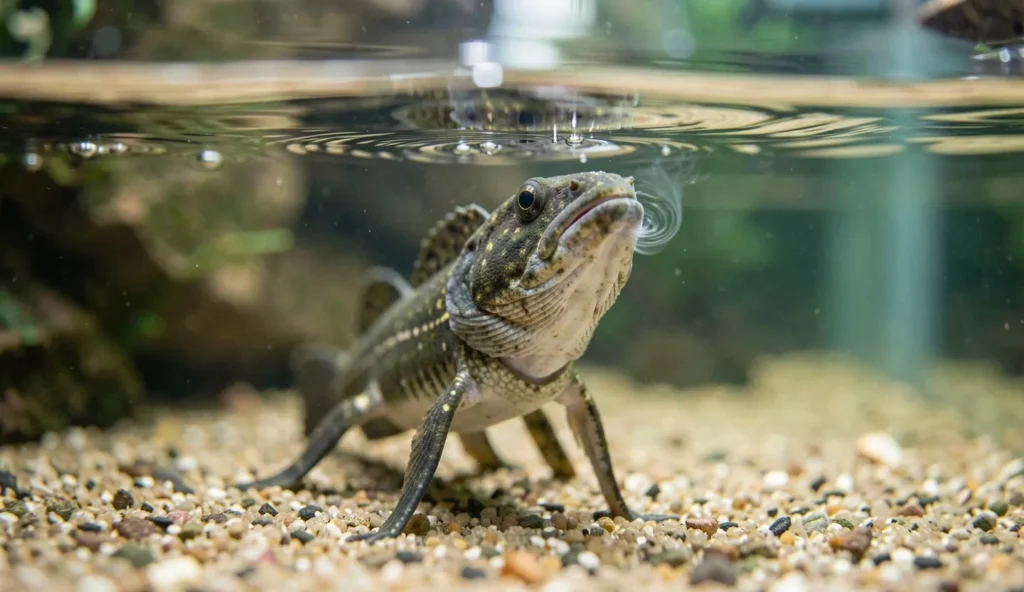
What Is A Ranchu Goldfish?
Ranchu goldfish is a type of fancy goldfish known for its rounded body and domed head, which makes head growth care a central part of keeping them. This fish originated in China and later developed into a popular ornamental breed across East Asia and beyond. The key feature for breeders is the wen, a fleshy growth on the head that changes with age.
Ranchu Origins And What Sets Them Apart
Ranchu is a fancy goldfish with a compact, round body and a distinct head profile. The wen is the fleshy growth on the head that develops as the fish matures, so genetics and consistency shape outcomes.
Head growth depends on more than feeding alone, since age and stable care help the tissue remain healthy. For additional context on how fancy varieties differ in care needs, compare approaches used for other fancy goldfish in species guides.
How Wen Growth Changes Over Time
In early stages, the priority shifts to steady body development and overall health. Over time, wen growth typically increases as the fish matures and the body gains condition.
Because rapid growth speed cannot be forced safely, care must focus on support rather than shortcuts. Stable water, gentle handling, and a consistent ranchu wen maintenance routine help the head area develop evenly.
What Appearance And Body Type Signals Healthy Head Growth?
A strong round body often supports the visual balance expected in ranchu goldfish. When body shape and posture stay stable, wen tissue usually develops in a cleaner, more even way.
Round Body And Balanced Proportions
Ranchu typically shows a compact, rounded silhouette with a smooth back line. Balanced proportions help the fish carry the head and support the overall structure around the wen.
Body condition affects how the wen forms because a healthier body usually translates into better skin condition. When feeding and water quality remain consistent, the round body shape tends to stay tight, which supports head growth care decisions.
Healthy Wen Characteristics
Healthy wen often looks firm and evenly developed across the head area. The surface usually appears natural, without patchy irritation or persistent redness.
Good development also shows up in behavior, since a healthy fish eats reliably and swims normally. If wen growth comes with stable appetite and steady movement, care routines usually match the fish’s current growth stage.
Common Wen Problems During Growth
Uneven wen appearance can happen when water quality and feeding stay inconsistent. Skin damage and irritation may distort wen texture, which then impacts how it looks during maturation.
Rapid changes also signal stress, poor filtration, or an unsuitable diet. In many cases, correcting water quality and switching to better head-safe handling helps the wen recover over time.
How Housing Supports Ranchu Wen Maintenance?
Housing affects the wen more than many owners expect, because constant rubbing or poor water stability can cause abrasion. Ranchu goldfish typically does best in a calm, clean environment built around gentler circulation and strong filtration.
Tank Size And Stocking Density
Ranchu should have enough room for swimming without frequent wall contact. Lower stocking reduces waste load, which helps maintain safer water for head growth.
Juveniles may need separation when competition or aggression happens, since rubbing and stress can stall development. When growth slows, reducing density often improves conditions faster than changing food alone.
Filtration And Flow That Does Not Stress The Head
Biological filtration must handle goldfish waste efficiently, since ammonia and nitrite risk rises quickly. Gentle circulation also matters because constant head rubbing can worsen wen abrasions.
Oxygen can drop during warm periods, so adding an air stone may help support stable respiration. This kind of setup aligns with many best practices used in aquarium water quality guidance, even when the species differs.
Substrate, Decor, And Avoiding Head Scrapes
Smooth, inert surfaces reduce the chance of wen injuries from abrasions. Sharp rocks, rough ornaments, and tight gaps can lead to head scrapes or wedging that damages tissue.
Open swimming space helps the fish maintain stable posture, which reduces collisions. Even small changes to layout can improve ranchu wen maintenance by limiting rubbing points.
Water Parameters That Support Growth
Stable temperature supports appetite and consistent metabolism, which helps digestion and tissue health. Ammonia and nitrite must stay at zero for wen development to proceed without stress.
Nitrate should remain controlled through frequent water changes, especially in goldfish-heavy systems. When water stays stable, the wen usually develops with fewer disruptions.
What To Feed For Strong Wen Growth In Ranchu Goldfish?
Diet supports ranchu goldfish head growth by improving body condition and skin resilience. At the same time, food choices also shape water quality, which indirectly affects wen texture.
Core Diet Choices For Fancy Goldfish
Choose high quality sinking foods designed for fancy goldfish. Include protein sources, but avoid excessive fatty feeds that can disturb digestion and body balance.
Using variety helps prevent nutrient gaps that can slow growth. Many breeders also compare how different aquarium fish respond to diet quality, which can be useful when reviewing care approaches like betta fish feeding stability for stress reduction.
Feeding Frequency And Portion Control
Small meals served multiple times usually reduce uneaten food and limit waste buildup. Portion control should match the fish’s body condition and growth phase.
If water fouls quickly after meals, portions are likely too large. Adjusting portions often improves water clarity within days, which then supports wen maintenance.
Treats And High Protein Options Without Overfeeding
Occasional treats can support appetite and conditioning when used sparingly. Treats should not replace the core diet, because excess solids raise waste load and can irritate skin conditions.
Uneaten food needs to be removed promptly to protect goldfish water quality. When owners want a simple mindset for consistent feeding, reviewing how other breeders plan routines in guppy fish breeding care can clarify why stable schedules matter.
Feeding Adjustments By Age And Growth Stage
Juveniles usually need steady growth foods and frequent small meals to support development. Maturing fish often benefit from controlled portions that prevent water issues while maintaining healthy macros.
During peak wen growth, prioritizing digestion and water stability usually works better than pushing food volume. This approach also supports a clean round body, since the fish carries nutrients without stress signals.
How Does Water Quality Affect Wen Growth And Head Growth Care?
Clean water protects skin and reduces stress, which helps wen tissue remain even during development. In goldfish systems, water quality control also determines whether feeding stays practical.
Testing Schedule And What To Track
Test ammonia, nitrite, nitrate, and pH regularly, then adjust care based on results. Temperature trends also deserve attention because sudden shifts can affect appetite and metabolism.
When results change, immediate feeding and water change adjustments help prevent swings that can show up as poor wen development. For broader context on managing waste and quality in aquatic tanks, some owners review goldfish breeds care differences when setting routine expectations.
Water Change Frequency And Best Practices
Regular water changes keep nitrate in check and reduce accumulated waste byproducts. Use dechlorinated water so the head and skin avoid avoidable stress.
Temperature matching reduces shock during changes, which also supports calmer behavior. When water remains steady, wen tissue often looks firmer and more consistent.
Managing Waste Load With Goldfish Filtration
Goldfish produce high waste, so filtration needs extra capacity to maintain safe conditions. Mechanical and biological stages should work together so solids do not overload the system.
Clean mechanical media gently so beneficial bacteria remain active. Debris removal from the bottom with careful siphoning also reduces buildup that can harm water clarity.
Reducing Scratches And Stress From Water Conditions
Poor water can irritate skin and worsen wen appearance over time. High waste can increase risk of cloudy water and bacterial irritation that may appear as redness or uneven texture.
Stable, clean water supports calmer swimming patterns and reduces accidental head contact. Even small improvements to filtration and water change rhythm can reduce stress signals that disrupt head growth.
What Health Problems Can Stall Ranchu Wen Development?
Health issues can distort wen texture and slow development, even when feeding seems correct. Ranchu goldfish often show problems through skin changes, behavior changes, or buoyancy issues.
Parasites And Skin Irritation Risks
Skin irritation can distort wen texture and slow development. Quarantine new fish when possible to reduce the chance of disease entering the main tank.
Strong water quality also reduces stress-related susceptibility. When a fish remains calm and clean, wen tissue usually develops with fewer disruptions.
Bacterial Problems From Dirty Water
Dirty conditions can lead to skin inflammation and visible irritation on the head area. Corrective action should follow test results, rather than guessing, so treatment targets the actual cause.
Avoid harsh changes in treatment frequency, since repeated stress can worsen symptoms and prolong recovery. For sensitive fish, gentle stabilization tends to protect long-term head growth.
Swim Bladder Issues And Their Connection To Diet
Overfeeding and poor digestion can contribute to buoyancy problems, which then affects swimming habits. When swimming changes, the head may rub more often and wen tissue may suffer.
Feeding small portions and monitoring stool and eating behavior can reveal early digestion issues. Diet corrections should happen alongside water parameter fixes to reduce overall stress.
When To Consider Professional Vet Advice
Professional aquatic vet help matters for worsening lesions or repeated illness. Ranchu can be sensitive when treatments happen too frequently or without stable baseline water.
Early intervention helps protect long-term head growth and reduces the chance of permanent texture changes. This step becomes especially relevant when symptoms return after diet and water changes.
How Do Breeding Choices Influence Wen Growth In Offspring?
Breeding practices shape wen potential in future generations, because genetics drive baseline head growth ability. Care during early rearing also determines whether that genetic potential shows up cleanly.
Selecting Breeding Stock For Head Growth Potential
Genetics strongly influence wen development potential, so breeders should choose healthy, well-conditioned fish. Focus on breeders with stable body shape and good overall skin health.
Avoid breeding fish with chronic skin issues or repeated illness, since stress history can pass into care needs for offspring. If breeders want a checklist approach for selecting hardy stock, similar planning appears in other breed guides like Rajhanpuri Goat selection principles focused on stable condition.
Raising Fry For Stable Growth And Future Wen Development
Fry water should stay exceptionally clean to support skin health and reduce stress. Use gentle filtration and prevent waste buildup that can quickly affect small fish.
Feed appropriately sized foods so digestion remains efficient. Stable growth helps establish a body framework that supports later wen development.
Planning For Goldfish Breeding Without Causing Stress
Breeding and early rearing need reduced crowding so fish do not collide and injure heads. Careful transfers also prevent head injury during moves that can disrupt wen tissue.
Growth should be tracked so feeding and water changes match changing waste load. As fry develop, adjusting routine supports steady progress toward a fuller round body and future wen formation.
Starter Checklist For New Ranchu Owners Focused On Wen
Ranchu owners can reduce head growth problems by following a simple daily and weekly routine. When the routine stays consistent, wen texture and body posture usually remain more stable.
Daily Weekly And Monthly Actions
Daily steps help protect the head area and keep waste under control. Weekly and monthly actions support long-term stability.
- Feed small portions and remove uneaten food quickly
- Check appetite and swimming after each feeding
- Test ammonia and nitrite regularly, especially after changes
- Keep nitrate controlled with consistent water changes
- Inspect wen for abrasions, redness, or patchy texture
- Keep filtration running and avoid sudden equipment swaps
What To Aim For In Tank Setup
The tank setup should reduce head rubbing risk while supporting strong biological filtration. Gentle circulation improves calm swimming and lowers collision chances.
- Use smooth surfaces and rounded decor edges
- Provide open swimming space to reduce wall contact
- Maintain strong oxygen using an air source if needed
- Keep ammonia and nitrite at zero through filtration
With these fundamentals in place, wen development has a better chance to stay even as growth continues. When owners also review how other aquarium systems handle stability, such as goldfish breeds care comparisons, setups become easier to fine-tune.
FAQs: Ranchu Goldfish Head Growth Care
How Long Does It Take For Wen Growth To Develop In Ranchu Goldfish?
Wen development generally increases as the fish matures over months to years.
What Water Parameters Matter Most For Ranchu Wen Maintenance?
Ammonia and nitrite must remain zero and nitrate should be kept low.
Should Ranchu Goldfish Be Fed More To Speed Up Wen Growth?
Overfeeding usually harms water quality and can stall healthy development.
Why Does Wen Look Uneven Or Patchy In Ranchu Goldfish?
Uneven development often follows stress, poor water stability, or skin irritation.
Final Note On Ranchu Wen Support
Ranchu goldfish wen growth becomes more predictable when water quality, diet, and tank design stay consistent. With careful head growth care, healthier development supports the breed’s signature round body look.