What Is An Angelfish And Why Tank Mates Matter
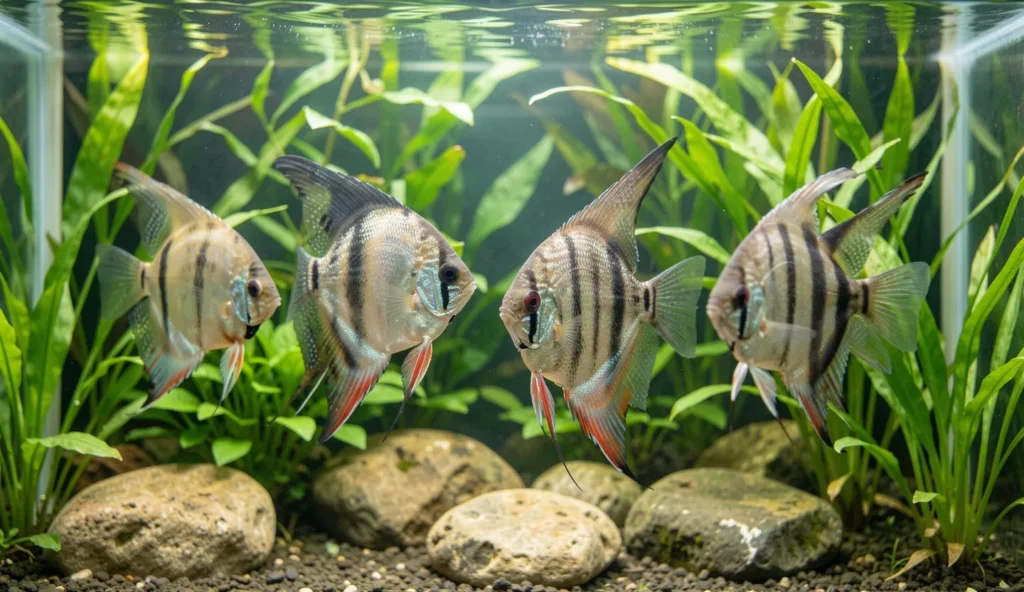
Angelfish care starts with understanding how freshwater angelfish defend space and respond to nearby fish. Their South American cichlid instincts can turn a peaceful aquarium into a fin-nipping fish problem when tank mates overlap the same swimming routes.
For intermediate fish keepers, aquarium compatibility often depends less on labels and more on behavior during the first weeks after introduction. When aggression starts, it usually targets predictable movement patterns and visible body parts like long fins.
Natural Behavior That Drives Compatibility Issues
Freshwater angelfish are territorial cichlids, even in community tank for angelfish setups. Pair bonding can increase aggression around chosen spawning sites and the area directly in front of them.
Fin nipping risk rises when tank mates look slow, hover in the same zone, or have long trailing fins. Established groups often manage each other better than mixed newcomers arriving at the same time.
Water And Temperature Targets That Affect Who Can Coexist
Stable warm tropical conditions help both angelfish and tank mates behave normally. Matching hardness and pH reduces stress responses that can look like aggression under aquarium lighting.
Filtration and flow also matter for aquarium compatibility, because constant blasting can make fish hide more and collide. When fish stay under cover, chasing can increase once they finally leave it.
How To Choose Safe Angelfish Tank Mates
Safe cichlid tank mates need the right temperament, space, and introduction timing. Angelfish care works best when tank mates avoid direct contact and do not compete for the same center zone.
Instead of picking fish by appearance, selection should focus on how they swim, how they feed, and whether they guard hardscape. Those details predict fin nipping fish issues more reliably than species charts.
Tank Size And Layout To Reduce Territory Conflicts
More space reduces crowding stress and helps each fish define a routine. A larger tank also spreads sight lines so rivals can break eye contact.
Vertical cover matters, so tall plants, driftwood, and hardscape create visual interruptions. Multiple sight breaks reduce direct confrontation and support a smoother community aquarium compatibility plan.
Match Temperament And Activity Level
Avoid hyperactive fish that rush angelfish fins repeatedly. Avoid timid fish that cannot hold a feeding space when angelfish move forward to inspect food.
Calm midwater or bottom-secure tank mates usually fit best. That balance helps community fish for angelfish avoid constant jostling and reduces chase cycles.
Avoid Shapes That Trigger Fin Nipping
Long flowing fins often get caught or targeted, even when neither fish intends to harm. Bright trailing fins can also draw repeated attention to the same fin edges.
Skip combinations where a tank mate swims alongside angelfish at the same height. Persistent chases during the first two weeks signal a pattern that often worsens later.
Use Stocking Order And Acclimation To Lower Risk
Adding angelfish after the main community is established can reduce immediate territorial disruption. Quarantine all new fish first to prevent stress and disease-driven aggression that looks similar to fin nipping.
Rearrange decor before adding new fish so existing territories shift. This strategy disrupts established boundaries and supports more aquarium compatibility across groups.
Best Tank Mates For Angelfish That Usually Stay Peaceful
Peaceful tank mates for cichlids should share temperature needs and avoid chasing behaviors. When stocking supports different lanes of movement, angelfish care becomes simpler and conflict stays lower.
Most commonly compatible choices tend to be schooling fish, calm bottom feeders, and hardy neighbors that handle warm stable tropical water. Still, every aquarium shows variation based on tank size and individual personality.
Community Fish That Generally Work With Angelfish
Choose schooling fish that stay midwater and avoid harassing slower fin edges. Select species with similar temperature needs and non-aggressive behavior so they do not escalate when space tightens.
Keep schooling fish in groups so individuals do not chase each other into angelfish territory. For example, if a school thins, the remaining fish may start roaming and collide with angelfish routes.
Bottom Dwellers That Reduce Competition Without Triggering Attacks
Prefer peaceful algae-eaters and non-territorial bottom fish that focus on feeding. Ensure enough feeding access so bottom dwellers do not rush into the same areas during feeding.
Avoid aggressive armored fish that guard tight caves. Cave guarding conflicts with angelfish hardscape preferences and can cause repeated boundary battles.
Hardy Neighbors That Handle Cichlid Conditions
Pick fish known for tolerating warm stable tropical water and moderate water movement. These neighbors can handle occasional angelfish activity and the normal inspection behavior around front-of-tank zones.
It also helps when species do not require very different water parameters. When requirements match, stress stays lower and aquarium compatibility becomes more predictable.
For an example of how species tolerance matters when pairing temperaments, see the care guidance in Fischer Lovebird which demonstrates how stable conditions support long-term behavior consistency. Fish aquariums differ, but the core idea of matching conditions still improves success.
Freshwater Cichlid Tank Mates For Angelfish
Freshwater cichlid tank mates can work, but the bar for aquarium compatibility stays higher than with community fish. Angelfish care becomes more complex because cichlid pairings can shift territory usage quickly.
In many tanks, the main risk comes from overlapping hardscape claims and feeding zones. Planning spacing and choosing the right cichlid tank mates reduces conflict without relying on luck.
When Cichlid Tank Mates Can Work
Choose cichlids with calm, non-fin-nipping tendencies and stable temperaments in mixed setups. Select species that occupy different water levels or feeding zones so anglers and neighbors do not compete for the same line of sight.
Use larger tanks to spread out cichlid territories. In tighter aquariums, even peaceful cichlids may react when angelfish hover near their chosen area.
Pair Bonding And Territory Effects
Spawning pairs can displace tank mates from the center zone and force fish into less comfortable routes. Expect periodic chasing even in otherwise compatible setups because territorial behavior increases during pair bonding.
If injuries occur, remove or separate tank mates quickly. Waiting too long can turn fin damage into permanent stress and repeat attacks.
Fish To Avoid With Angelfish To Prevent Aggression And Fin Nipping
Some fish types consistently increase the odds of aggressive encounters. For angelfish care, avoiding categories that trigger chasing or fin targeting can prevent long-term damage.
These issues often show up as repetitive tail contact, fin edge bites, or cornering behavior. Once those patterns start, tank size alone usually cannot fix them.
Fin Nippers And Long-Finned Fish That Get Targeted
Avoid species known for nipping fins or chasing slow fish. Do not combine with fish that require constant high-speed swimming that forces constant passes near angelfish.
Watch for repeated tail or trailing fin contact, especially along the same fin edges each day. If the behavior repeats within two weeks, stop the plan and adjust the stock list.
Aggressive Bottom Guards And Overly Territorial Species
Aggressive bottom guards often defend caves, rocks, or tight crevices. That behavior conflicts with angelfish territory selection and can escalate quickly after both fish establish routines.
Skip fish that claim the same hardscape angelfish use for territory. If fights start around a shared zone, removing competing guards can restore balance.
Very Small Fish At Risk Of Being Eaten
Very small fish can fit in an angelfish mouth, especially in the first rush during feeding. Even if they survive initially, frequent hunting can still stress both parties.
Feeding should be frequent enough to reduce hunting behavior. Do not rely on tank size to make tiny fish safe when angelfish already show strong inspection instincts.
Starter Plan For A Compatible Angelfish Community Tank
A structured stocking plan improves outcomes for aquarium compatibility and keeps aggression under control. This approach supports angelfish care by reducing sudden territory overlap and by monitoring early warning signs.
Tank mates should be added gradually, with daily observation during the first adjustment period. That pace also supports water quality control because more fish means more waste.
Tank Setup And Maintenance Priorities For Peace
Use stable filtration and consistent temperature control to keep stress low. Perform regular water changes so water chemistry does not swing during introductions.
Provide multiple hides and sight breaks to reduce direct confrontations. When fish can retreat without crossing into another territory, fin damage risks often drop.
Stocking And Monitoring Steps That Catch Problems Early
Add tank mates gradually instead of all at once. Observe feeding competition and chase behavior daily at first so early aggression can be corrected before injuries occur.
If persistent fin damage appears, separate fish immediately. Early intervention prevents small issues from turning into chronic fin-nipping fish cycles.
Feeding Strategies That Reduce Chasing
Feed multiple portions across the tank to spread attention and reduce crowding near one feeding point. Balance sinking and floating foods so different feeding zones stay active.
Remove uneaten food quickly to protect water quality. Stable water supports calmer behavior, which improves community tank for angelfish stability over time.
For additional context on pairing stable conditions with compatible species behavior, the feeding and husbandry approach described in Fischer Lovebird can be a useful reminder that stress often follows inconsistent environments. The animals differ, but consistency still improves animal welfare across aquarium care tasks.
Frequently Asked Questions
What Fish Can Live Safely With Angelfish?
Choose peaceful, similar-temperature community fish and avoid fin-nippers and very small fish that angelfish may eat.
Do Angelfish Bully Other Cichlids In A Community Tank?
Angelfish can defend territory, especially during pairing, and larger tanks with better spacing help reduce conflict.
Can Livebearers Work As Angelfish Tank Mates?
It depends on mature size and temperament, and slow or trailing-finned individuals should be avoided.
How Can Fin Nipping Between Angelfish And Tank Mates Be Prevented?
Avoid long-finned species and overly active chasers, and rearrange decor while introducing fish gradually.
What Tank Size Is Best For Angelfish Community Tanks?
More space reduces territory pressure, and stocking should still stay cautious even when the tank is larger.
Final Note On Planning Aquarium Compatibility
Thoughtful aquascaping, matching water needs, and careful selection of cichlid tank mates reduce aggression and support long-term aquarium compatibility. When angelfish care stays consistent, the tank usually becomes calmer and easier to manage.