What Is a Betta Fish
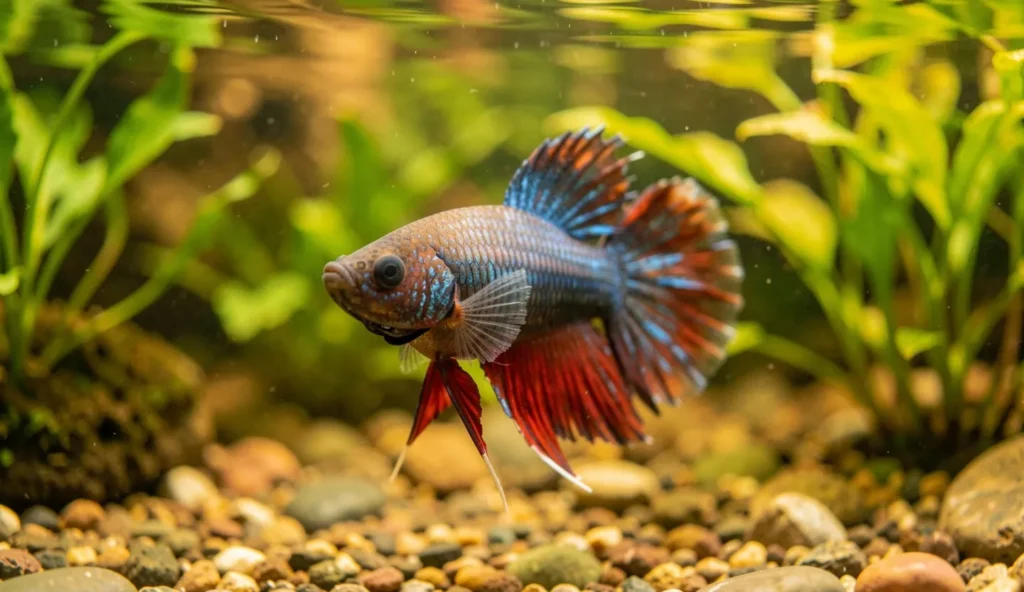
Betta fish, also known as Siamese fighting fish, belong to Betta splendens and need aquarium care focused on stable warmth, clean water, and gentle flow. Their biology changes how they breathe, rest, and react to stress.
Where Betta Fish Come From
Betta splendens comes from warm freshwater habitats in Southeast Asia. Natural waters are often slow-moving and provide shelter, so a betta tank setup should include resting places.
Key Traits That Affect Care
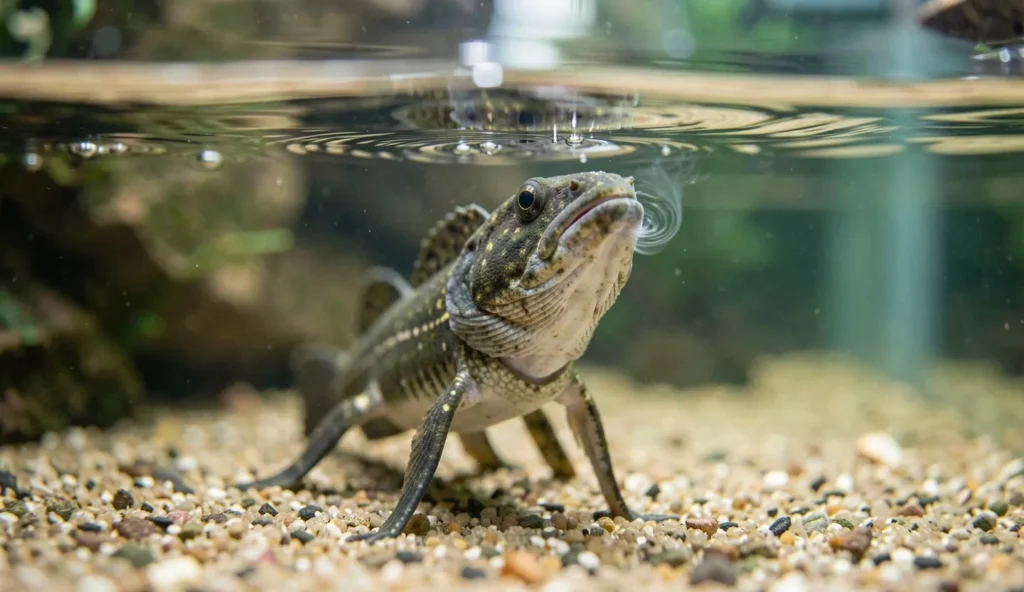
Betta fish use a labyrinth organ, which lets them breathe air at the surface. Even so, the tank still must stay clean because wastes and toxins build up quickly.
Another key trait is territorial behavior, especially toward adult males. Because of that, aquarium care for a betta fish usually starts with solo housing.
Lifespan and Growth Expectations
With consistent aquarium care, many betta fish live several years. Growth depends on protein quality, feeding consistency, and stable water quality.
Appearance And Physical Features You Should Recognize
Betta fish are easy to identify once common body signals are understood. Appearance changes with strain and age, but health signals stay similar across betta tank care.
Common Colors And Fin Types
Betta fish appear in solid colors and many patterns, including marbling and butterfly forms. Fin types also vary, such as veil tail and plakat lines.
Because fins differ in length and structure, swimming style and care sensitivity can also differ. Longer fins often need gentler flow and careful décor placement.
What Healthy Looks Like
A healthy betta fish swims steadily and holds fins without constant drooping. Bright color and an alert posture often show that water parameters and temperature stay in a good range.
Watch for no clamped fins, no rapid gasping, and no visible sores. These signs usually point to stable betta water parameters and low stress.
Stress Signals To Watch For
Hiding for long periods can indicate poor water quality or bullying from tank mates. Erratic hovering may also signal unsuitable temperature or flow.
Fading color often follows inconsistent conditions, like swings in temperature or a failed filter. When stress signals appear, betta tank setup changes should happen fast.
Temperament and Compatibility With Other Tank Inhabitants
Betta fish often behave more aggressively in confined spaces. This does not mean every tank fails, but aquarium care must reduce triggers.
Are Betta Fish Aggressive
Betta fish can be territorial, especially toward other adult males. Individual temperament matters, and the tank conditions can raise or reduce conflict.
Clear water flow and hiding spaces can reduce constant confrontations. However, aggression risk stays higher in small setups.
Tank Mate Rules For Beginner Keepers
Single male betta fish housing is the simplest and safest approach for beginners. Avoid housing two adult males together in the same aquarium.
When adding other species, choose calm fish and confirm temperament slowly. Even then, keeping a betta tank setup simpler often prevents repeated stress.
How to Set Up Space For Reduced Stress
Provide multiple resting areas and visual breaks using plants or décor. A gentle filter helps prevent forcing the betta into a strong current.
Overcrowding increases competition and stress. For stable aquarium care, ensure enough space for each animal and avoid squeezing the tank.
Betta Tank Setup Essentials for Stable Aquarium Care
Betta tank size and equipment selection decide how stable betta fish living conditions stay over time. A reliable betta tank setup also makes water testing easier and reduces sudden changes.
What Tank Size Works Best
A minimum of 5 gallons is often recommended for better stability and easier maintenance. Larger tanks buffer temperature and waste fluctuations more effectively.
More space also supports stronger biological filtration and calmer behavior. This matters for aquarium care because betta waste loads still build up daily.
Filter, Heater, And Flow Settings That Work
Use a gentle filter with adjustable flow or a sponge-style option. Strong flow can tire long-finned betta fish and increase resting stress near the surface.
Maintain warmth with an aquarium heater designed for small tanks. Heater stability supports consistent betta water parameters, which reduces immune stress.
Also confirm that the intake does not suck up fins. For safety, fine mesh guards or appropriately sized intakes help protect delicate fins.
Water Parameters and Temperature Targets
Aim for water temperature around 76 to 82 F for most Betta splendens care. Keep pH comfortable and close to neutral to slightly acidic based on test results.
Test regularly for ammonia, nitrite, and nitrate so the cycle stays stable. When these betta water parameters stay consistent, disease risk drops.
Betta Tank Cycling and When It Is Safe to Add Fish
Cycle the aquarium before adding the betta fish. During cycling, beneficial bacteria establish the biological pathway that turns harmful compounds into less toxic forms.
Ammonia and nitrite must read zero after cycling. Nitrate should appear in low amounts so aquarium care can continue with predictable water changes.
After cycling, add the betta using a slow drip method if the water chemistry differs. This reduces stress from sudden changes.
Substrate And Décor That Support Swimming And Rest
Use smooth substrate and secure décor to reduce injury risk and torn fins. Add plants and resting spots near the surface where the labyrinth organ supports air breathing.
Ensure décor has no sharp edges and avoid items that snag fins. If long-finned strains are used, prioritize rounded surfaces.
Because betta fish rest often, stable resting zones support calmer behavior. A well-planned layout also makes daily feeding easier and cleaner.
Water Changes and Ongoing Aquarium Care
Perform regular partial water changes to remove nitrates and accumulated wastes. Use a dechlorinator for replacement water and match temperature closely.
Temperature mismatch can cause stress even when tests look fine. For that reason, temperature matching should happen before any water addition.
During maintenance, avoid turning off filtration for long periods. Biological filtration supports safe aquarium care and helps keep betta tank cycling benefits intact.
If a similar approach helps organize routine care, many keepers also compare needs across species in guides like Siamese Cat care articles, even though pets differ by species. The key idea remains routine stability and clean conditions.
Feeding Betta Fish the Right Way
Feeding drives growth, color, and digestion in betta fish care. A correct feeding schedule also prevents the water quality problems that overfeeding causes.
Best Food Types for Betta Fish
Betta fish are carnivorous, so protein-rich foods work best. Quality pellets or flakes formulated for bettas provide a solid daily base for many setups.
Frozen or live foods can add variety and enrichment. Use these foods carefully and ensure they are properly prepared and portioned.
How Often to Feed and How Much to Offer
Feed small meals once or twice daily based on appetite and tank temperature. Offer an amount the fish can finish quickly to limit waste buildup.
Uneaten food breaks down and can spike ammonia or nitrates. Because of that, a short feeding window improves aquarium care.
Safe Treats and Feeding Balance
Use treats in moderation to prevent digestive problems and bloating. Alternate staple pellets with appropriate frozen foods to keep the diet balanced.
If leftovers appear after feeding, remove them with a small net or siphon. This small step helps protect betta water parameters over the next day.
Common Feeding Problems and Fixes
Bloating often points to overfeeding or an unbalanced diet. Clamped fins after feeding can also mean stress from water instability.
Refusal to eat often links to temperature changes or water quality issues. When appetite drops, test ammonia and nitrite first, then review the feeding amount.
For people comparing care routines across pets, lists like Best Pet Breeds in the World can help highlight how daily routines matter. Betta fish care still depends on consistent maintenance, not one-time changes.
Common Health Issues in a Betta Tank
Health problems usually start with unstable conditions. Stable betta water parameters, gentle flow, and good feeding habits reduce most risks.
Top Causes of Illness in Betta Tanks
Most illness starts with poor water quality or temperature swings. Stress from bullying or strong flow can also reduce immune response.
Overfeeding increases waste and worsens digestive issues. When waste rises, the tank becomes harder to stabilize.
Watery Symptoms and Skin or Fin Changes
Watch for torn fins, redness, and unusual spots as early signals. Fungus can appear as fuzzy growth, often after minor injury or irritation.
Once symptoms appear, treat the environment and consider isolation when needed. Isolation helps control medication exposure and keeps tank mates safe.
Parasites and Ich Like White Spots
Ich often looks like small white dots on fins and body. Rapid breathing and lethargy can occur in heavier infestations.
Quarantine helps stop spread and supports recovery. During recovery, keep water chemistry stable and follow dosing instructions precisely.
Swim Bladder and Constipation Signs
Swim bladder issues can show up as bent posture or trouble staying upright. Constipation often follows overfeeding or foods that do not match the betta diet.
A short fasting period can help in some cases while water quality stays steady. If symptoms persist, review temperature, filtration, and food types.
Preventing Problems With Routine Care
Test water regularly and keep filtration running consistently. Perform partial water changes on a predictable schedule so toxins do not accumulate.
Keep décor smooth and remove sharp edges that cause injuries. Clean rest areas and gentle flow reduce fin damage and stress.
For broader comparisons on rare pets and temperament, it can help to read similar profiles like Bengal Cat breed guides, but care principles still stay species-specific. For betta fish, the core remains water stability and low stress.
Is a Betta Fish Right for You
Betta fish suit keepers who can maintain stable temperatures and do routine water checks. They also fit people who want a single centerpiece fish with manageable daily care.
Good Fit for These Situations
Betta fish fit when a stable home temperature and consistent aquarium maintenance exist. Interest in learning water testing and cycling basics also improves long-term success.
Many keepers prefer a focused setup with fewer compatibility variables. A calmer environment supports betta fish health and reduces stress.
Not a Good Fit for These Situations
Betta fish are a poor fit if time for water checks and partial water changes is limited. A lack of heater access also makes stable warmth difficult.
Strong filtration or high water flow that cannot be reduced can stress long-finned betta strains. When flow cannot be adjusted, it becomes harder to meet basic aquarium care needs.
If help choosing companion species is needed, temperament notes in guides like Japanese Bobtail breed profiles can model how behavior research matters. For betta tank planning, matching temperament and reducing conflict drives better outcomes.
Starter Checklist for Betta Fish Setup
A complete betta tank setup checklist helps avoid rushed purchases that cause early losses. Use this list before buying any equipment or adding fish.
Betta Tank Setup Checklist
- Tank size of at least 5 gallons
- A heater to keep temperature steady near the target range
- Gentle filter with adjustable flow or sponge filtration
- Water testing kit for ammonia, nitrite, nitrate, and pH
- Dechlorinator for all replacement water
- Aquarium-safe plants and smooth décor with no sharp edges
- Resting spots near the surface for easy air breathing
- Water cycling plan before adding the betta fish
When the tank is ready, matching water temperature during changes reduces shock and supports stable betta water parameters. From there, a consistent betta feeding schedule helps keep waste low.
FAQs: Betta Fish Care and Betta Tank Setup
How Many Gallons Does a Betta Fish Need?
A minimum of 5 gallons supports better stability and easier maintenance.
What Water Parameters Are Best for Betta Fish?
Keep ammonia and nitrite at zero and maintain a stable pH while temperature stays around 76 to 82 F.
How Often Should Betta Fish Be Fed?
Feed once or twice daily with small portions the fish can finish quickly.
Can Betta Fish Live With Other Fish?
Some tank mates can work, but single housing is safest for new keepers.
Why Is a Betta Fish Gasps At the Surface?
Surface gasping often links to poor water quality, low oxygen, or unsuitable temperature.
How Long Should a Betta Tank Be Cycled Before Adding a Fish?
Cycle until ammonia and nitrite read zero and filtration is biologically stable.
Final Note on Reliable Betta Fish Care
Strong betta fish care comes from stable water, gentle equipment, and portion control. When aquarium care stays consistent, Betta splendens health improves and stress declines.