What Is a Guiana Dolphin?
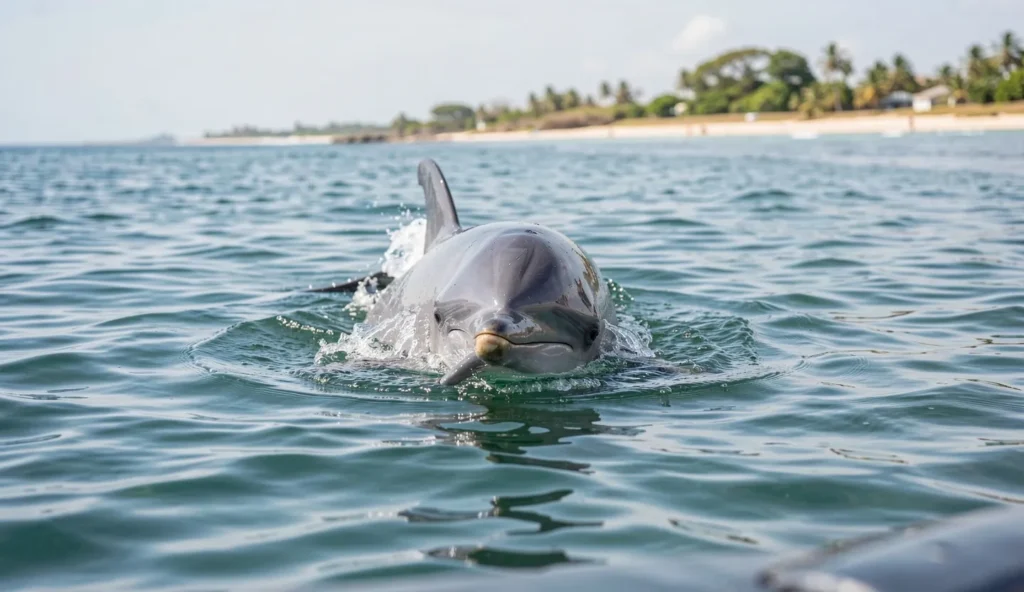
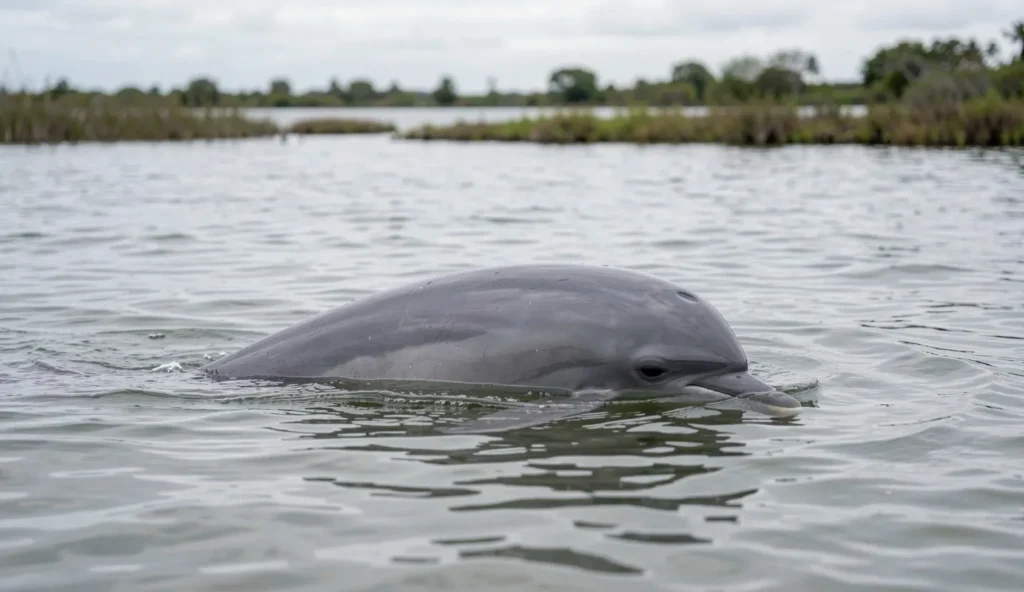
The Guiana Dolphin is a small marine dolphin found along the Atlantic coast of South America, often in inshore and estuarine waters. It is described as a coastal relative of the Tucuxi, and it fits into the genus Sotalia.
Because its range overlaps with many coastal waterways, the Guiana Dolphin becomes a frequent subject for dolphin researchers and wildlife enthusiasts. For broad comparison of the genus, readers can also review information on Hector’s Dolphin when comparing small coastal dolphin lifestyles.
Scientific Classification and Species Basics
The species name for the Guiana Dolphin is Sotalia guianensis. It lives in coastal waters rather than the open ocean, which shapes how the animal forages and how it appears during field surveys.
In many guides, the Guiana dolphin facts section highlights its role as a coastal Sotalia relative of the Tucuxi. This relationship matters because researchers often compare behavior and habitat use within the same lineage.
Where the Species Lives Along South America
The Atlantic coastal dolphin range runs along parts of South America, tied to nearshore environments. Sightings often cluster near river mouths, estuaries, and calm coastal stretches where prey becomes easier to catch.
Movement can vary as seasons change water conditions and prey distribution. When tracking in coastal dolphin species research, habitat choice often proves more predictive than a fixed migration route.
Key Identification Clues From Real Field Traits
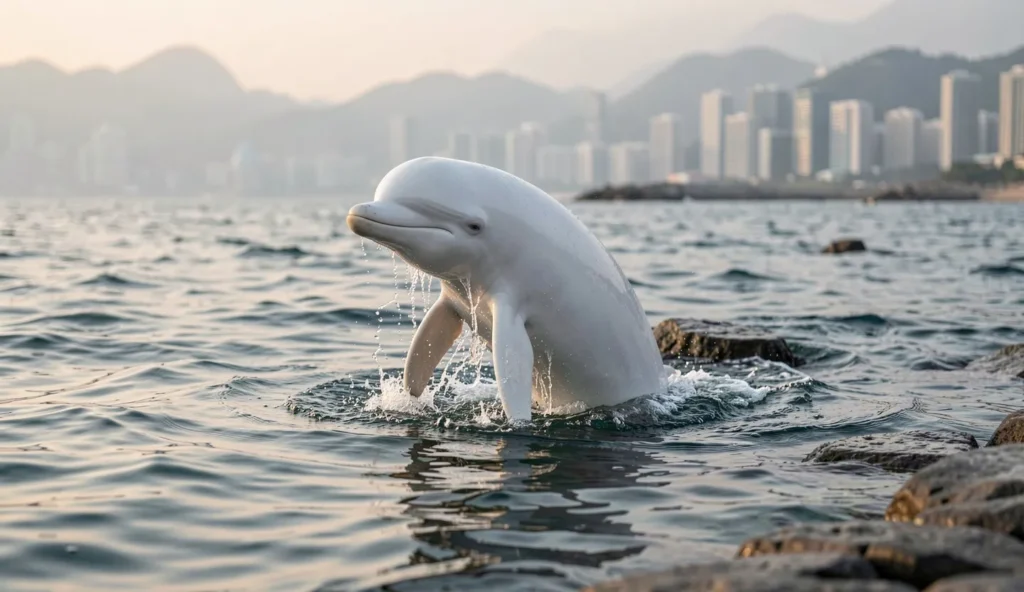
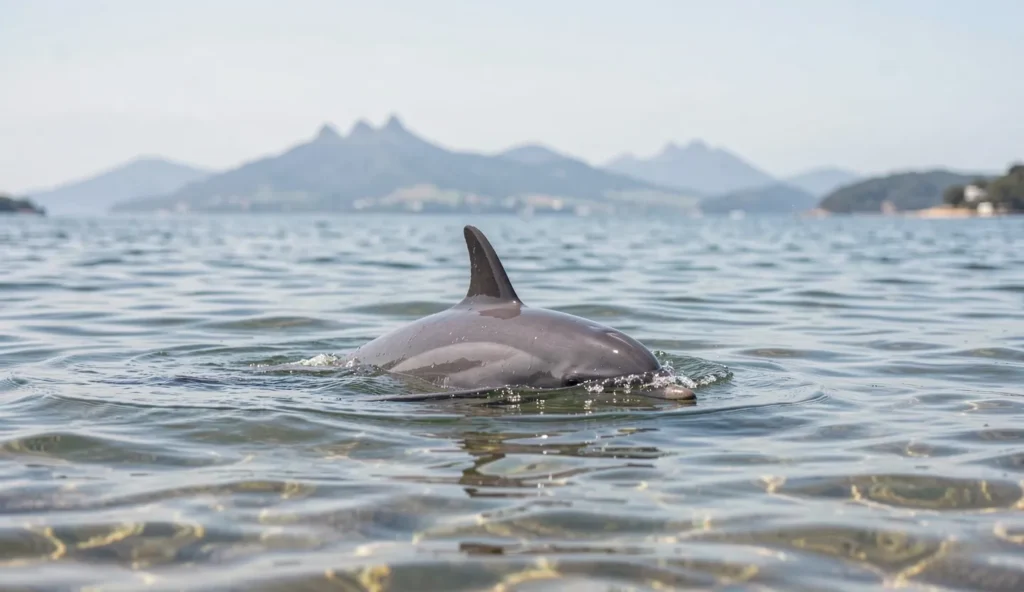
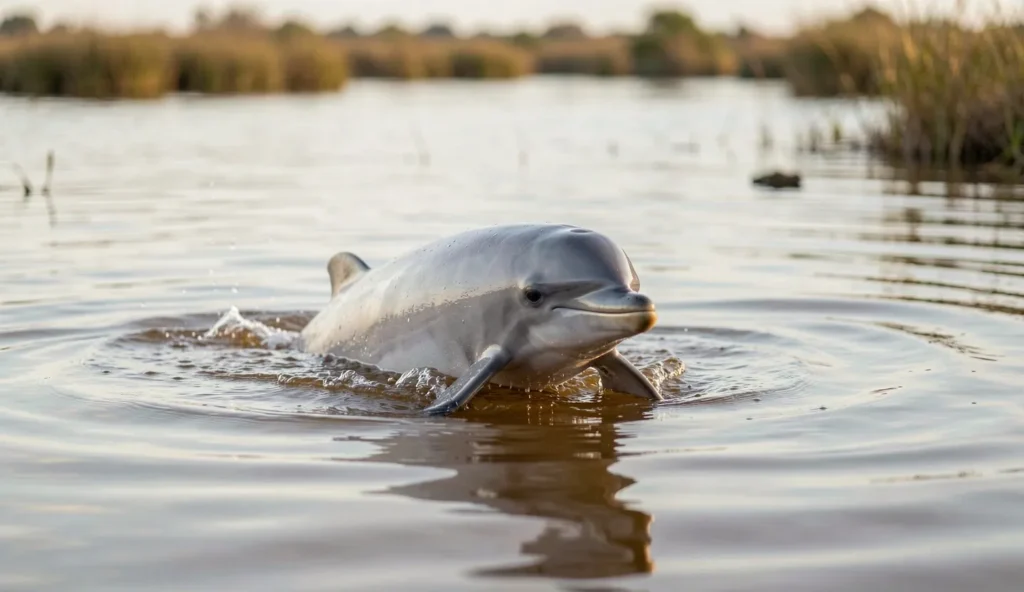
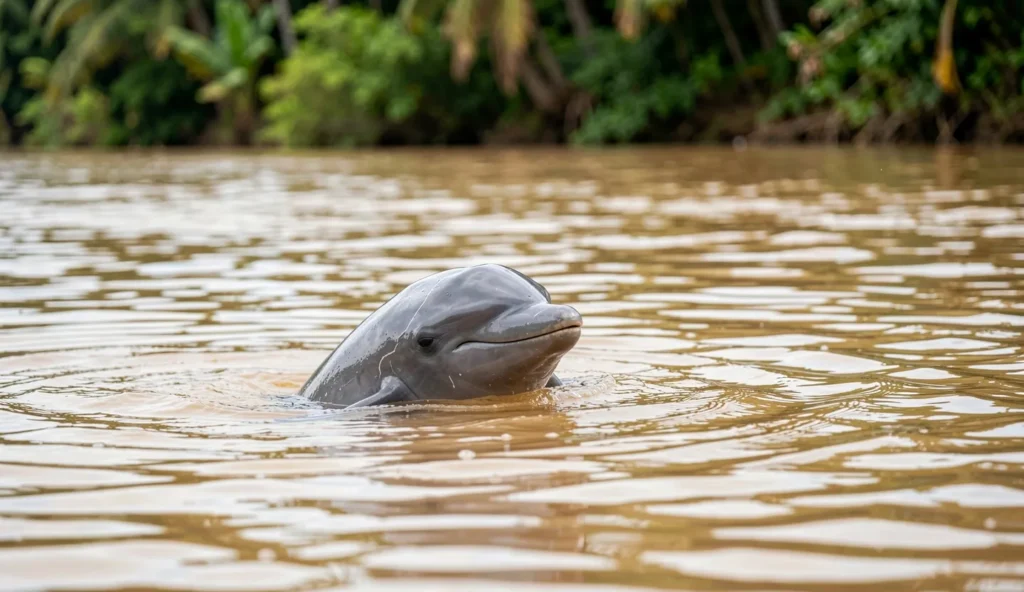
Field observers often describe a compact, stockier body built for shallow-water movement. Color usually ranges from darker tones to grayish shades, with lighter highlights on the underside.
Another useful clue involves the short beak, which looks different from many pelagic dolphin forms. For close look-alike checks, it also helps to understand how Common Dolphin may look at a distance, even when it occupies different ocean regions.
How Does the Guiana Dolphin Look and Move?
Appearance in the Guiana Dolphin often stays consistent enough for coastal identification, especially during calm water conditions. Even so, regional variation can change how dark the back appears and how defined the highlights look.
With practice, observers can read body form, head shape, and surfacing patterns during a shoreline scan. This matters because correct identification supports better Guiana dolphin facts tracking by local groups and research teams.
Size, Body Shape, and Color Variation
As a coastal dolphin species, it typically has a compact body that supports quick turns in shallow water. Dorsal coloration often appears darker than the belly, and some individuals show mottled or faded shading.
Color can differ across regions and even among animals in the same area. When photo documentation exists, consistent lighting improves the reliability of comparisons between days.
Head and Mouth Traits
The head and mouth show a shorter rostrum, with a jaw that supports a tooth-bearing bite. This short beak fits well with coastal feeding where prey may rise near the surface.
In addition, the melon shape helps navigation and communication in the nearshore environment. Researchers also treat melon-focused echolocation use as a key part of marine mammal behavior in shallow waters.
How to Tell It Apart From Similar Coastal Dolphins
Similar species sometimes overlap in coastal regions, so range and body form both help. A careful look at rostrum length and body thickness usually clarifies which Atlantic coastal dolphin is most likely.
Still, expert verification remains needed when multiple species share a shoreline. For readers who want another coastal dolphin profile for comparison, Rough-toothed Dolphin offers helpful background on how tooth and beak traits affect identification.
What Behavior Patterns Does the Guiana Dolphin Show?
Guiana dolphin behavior centers on inshore and estuarine movement that fits waves, currents, and prey availability. The animal often appears alone or in small groups, and group size can change through the day.
To interpret sightings, researchers combine direct observation with notes on water state and sound conditions. That approach improves marine mammal behavior records for Sotalia guianensis in Atlantic coastal settings.
Social Structure and Group Size
Guiana Dolphins may travel alone or form small groups when resources concentrate. Group composition often shifts as animals move between feeding zones and resting areas.
Coastal resources can drive those local changes, especially around estuaries. When local tracking works, the same shoreline area may show different group patterns on different survey days.
Movement, Surfacing, and Breathing
Inshore wave and current conditions shape how the animal surfaces. Breathing usually occurs at the surface in brief intervals between active underwater phases.
Spray levels and visibility can change with wind and water depth. As a result, researchers document sea state so the Guiana dolphin field notes stay comparable across trips.
Feeding Behavior in Coastal Waters
Feeding often includes search and capture behaviors close to shorelines. Animals tend to associate with places where prey gathers, including areas influenced by tides.
Coordinated movement can occur in productive zones, though group size can vary. Feeding timing may also shift with tides and local prey movements.
Communication and Sensory Use
The Guiana Dolphin uses echolocation to find prey, especially in shallow environments with variable visibility. Acoustic signals often travel differently in nearshore waters, which affects how far calls can carry.
Visual contact can also rise in calmer conditions when surfaces stay steady. Researchers can track calls during coastal studies to estimate presence and behavior.
What Does the Guiana Dolphin Eat in the Wild?
Diet in the Guiana Dolphin relies mainly on fish and other small marine prey. Because coastal habitats concentrate prey, the animal typically feeds where local abundance supports repeated hunting attempts.
When Guiana dolphin facts focus on diet, they usually describe a flexible strategy tied to where prey becomes available. That flexibility supports survival in estuaries where conditions can change fast.
What a Guiana Dolphin Eats
The diet consists mainly of fish and small marine organisms that appear in coastal waters. Prey choice reflects what stays abundant in each river mouth or estuary.
Estuary conditions can increase prey availability and feeding opportunities. As a result, diet composition may vary by region and even by season.
How Feeding Changes With Habitat and Season
Water clarity and depth influence hunting opportunities and how often the dolphin must surface. Tides can shift prey distribution, which then changes the dolphin’s local movement patterns.
Seasonal productivity also affects food density and feeding zones. When surveys overlap with human activity, researchers record those factors so food access interpretations remain grounded.
Why Prey Availability Matters for Conservation
Lower prey density can reduce reproductive success by limiting energy intake. Habitat degradation can also shrink feeding areas and increase the time animals must spend searching.
Fishing pressure can indirectly reduce prey, even when no direct interaction occurs. Monitoring prey patterns helps researchers interpret long-term health trends in Sotalia guianensis.
To broaden understanding of how coastal dolphin diet varies, readers may also compare behavior notes from other species profiles like Commerson’s Dolphin. That comparison can clarify how environment and prey shape feeding styles across dolphins.
How Do Researchers Study the Guiana Dolphin Without Harm?
Observation of the Guiana Dolphin must stay focused on wild animal welfare and safety. Since this species lives in coastal and estuarine waters, the study approach needs to account for tides, currents, and vessel noise.
For wildlife enthusiasts who want to help responsibly, understanding housing essentials for research means learning how animals require habitat conditions they cannot get at home. Ethical observation supports accurate data and protects normal behavior.
Natural Habitat Requirements
The Guiana Dolphin needs coastal and estuarine waters for both feeding and shelter. Salinity in estuaries can vary, so the animal remains adapted to changing water chemistry.
Assessment should not rely on a single location because habitat quality can differ within short distances. In practical terms, habitat quality drives dolphin presence more than observers might expect.
Ethical Viewing and Field Safety
Non-intrusive observation requires safe distance and careful tracking of surfacing routes. Vessel speed and noise matter because loud engines can interfere with communication.
Blocking travel paths can disrupt feeding and movement, so field teams plan routes around known behavior. Researchers also follow local regulations for wildlife viewing and research permits.
Common Research Methods Used in Coastal Studies
Coastal monitoring often uses boat surveys and shore-based observation to document sightings. Photo identification can support individual recognition when dorsal fin marks remain visible.
Acoustic monitoring also plays a major role by recording calls and estimating activity patterns. Environmental data such as water conditions helps link presence to habitat features.
In many projects, acoustic and visual data work together to reduce misidentification. For readers comparing how different dolphin habitats affect research methods, Pantropical Spotted Dolphin provides a useful contrast in study focus.
What Health Issues and Conservation Risks Affect the Guiana Dolphin?
Health monitoring for the Guiana Dolphin often includes disease risk, parasites, and patterns seen during strandings. Because it lives close to shore, human-related risks also require attention in Atlantic coastal dolphin regions.
When researchers interpret mortality signals, multiple stressors often contribute. That careful reading supports clearer conservation guidance for Sotalia guianensis.
Disease and Parasite Considerations
Marine mammals can carry parasites and pathogens that vary by location and exposure. Stress and reduced food availability can worsen health outcomes in already vulnerable animals.
Strandings and necropsies help establish health baselines for coastal populations. Monitoring then detects unusual mortality patterns that could indicate emerging threats.
Human-Related Threats in Atlantic Coastal Areas
Bycatch risk can occur when coastal fisheries overlap with dolphin movement. Noise pollution can also interfere with communication, making it harder to detect prey.
Pollution and habitat contamination affect prey and may influence dolphin health indirectly. Coastal development can reduce usable habitat, which can force the dolphin into less suitable feeding areas.
How to Interpret Stranding and Mortality Signals
Strandings may reflect multiple stressors rather than a single cause. Sudden die-offs can point to disease outbreaks or toxic exposure that require fast investigation.
Carcass condition provides clues about the timing and type of event. Reporting to relevant authorities supports conservation responses and improves future research planning.
To see how other small dolphin species face similar pressures, readers can review Fraser’s Dolphin for habitat-linked risk comparisons. This helps explain why coastal context changes the health and conservation picture.
Is a Guiana Dolphin Right for You?
A Guiana Dolphin is a wild Atlantic coastal dolphin, so keeping it as a pet is not appropriate. It also depends on specialized marine habitat and behaviors that cannot be reproduced at home.
Legal and ethical limits frequently restrict marine dolphin keeping, which supports the case for responsible alternatives. Wildlife watching and support for conservation efforts provide better outcomes for both animals and people.
Why Pet Ownership Is Not Appropriate
Guiana Dolphin requirements include inshore and estuary access, natural soundscapes, and stable prey resources. Those needs cannot be met in private settings without harming welfare.
Because these are wild marine mammals, removal from habitat also disrupts local populations. That is why ethical viewing and conservation support remain the realistic paths for dolphin interest.
Best Ways to Support and Learn Responsibly
Support reputable research and conservation organizations that protect coastal habitat. Learning identification skills helps keep viewing non-intrusive and reduces accidental harassment.
Share verified sightings with local monitoring groups so data stays useful. This approach also helps researchers compare conditions over time and strengthens Guiana dolphin research.
Final Note
The Guiana Dolphin remains a coastal relative of the Tucuxi with distinctive habitat use along South America’s Atlantic coast. Careful observation and responsible study help protect both the animal and the ecosystems it depends on.
Frequently Asked Questions
Where Can Guiana Dolphin Be Found?
Guiana Dolphin occurs along the Atlantic coast of South America, often in inshore and estuarine waters.
Is the Guiana Dolphin Closely Related to the Tucuxi?
Yes, it is described as a coastal relative of the Tucuxi and shares related lineage within the genus Sotalia.
What Does a Guiana Dolphin Eat?
It eats mainly fish and other small marine prey, with diet varying by local prey availability.
How Do Researchers Identify Guiana Dolphins in the Wild?
They use photo identification and acoustic monitoring, and they connect sightings to habitat and environmental conditions.
What Are the Biggest Threats to Guiana Dolphins?
The biggest threats include bycatch, noise, pollution, and habitat loss, with health monitoring using strandings and necropsy findings.
Final Note
The Guiana Dolphin remains a coastal relative of the Tucuxi with distinctive habitat use along South America’s Atlantic coast. Careful observation and responsible study help protect both the animal and the ecosystems it depends on.