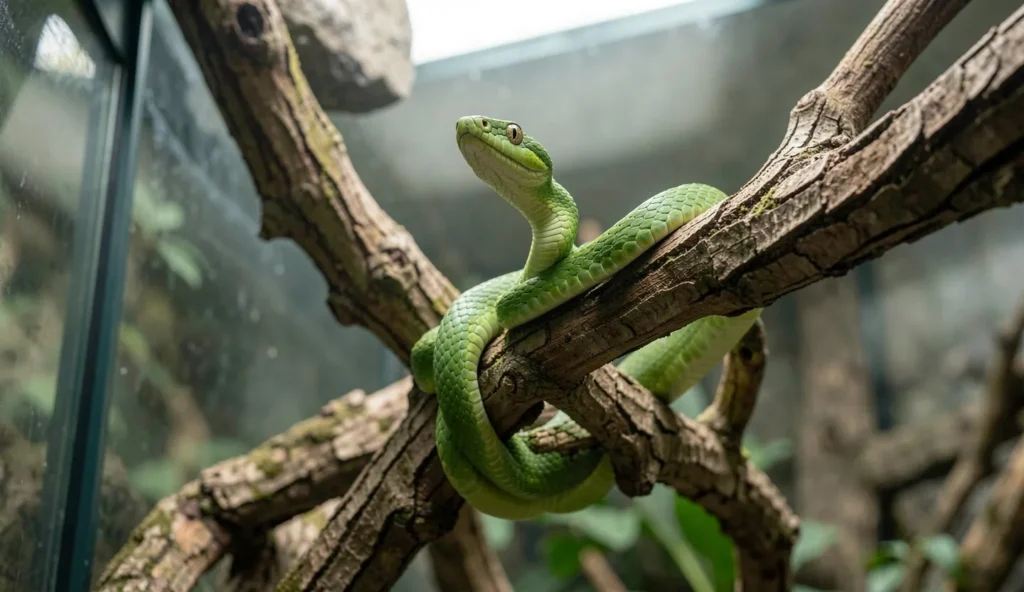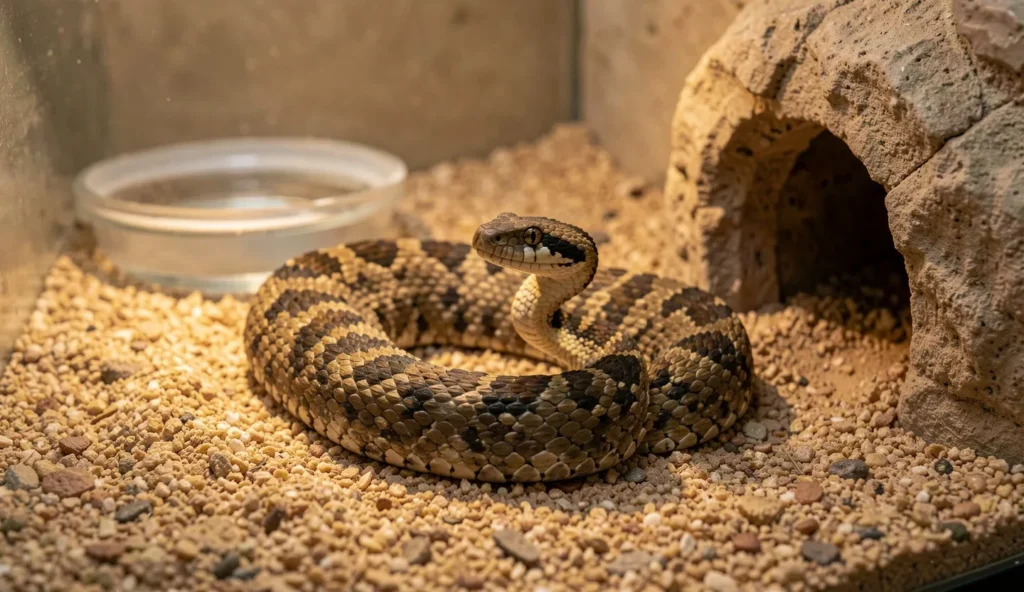
King Snake Basics And What To Expect
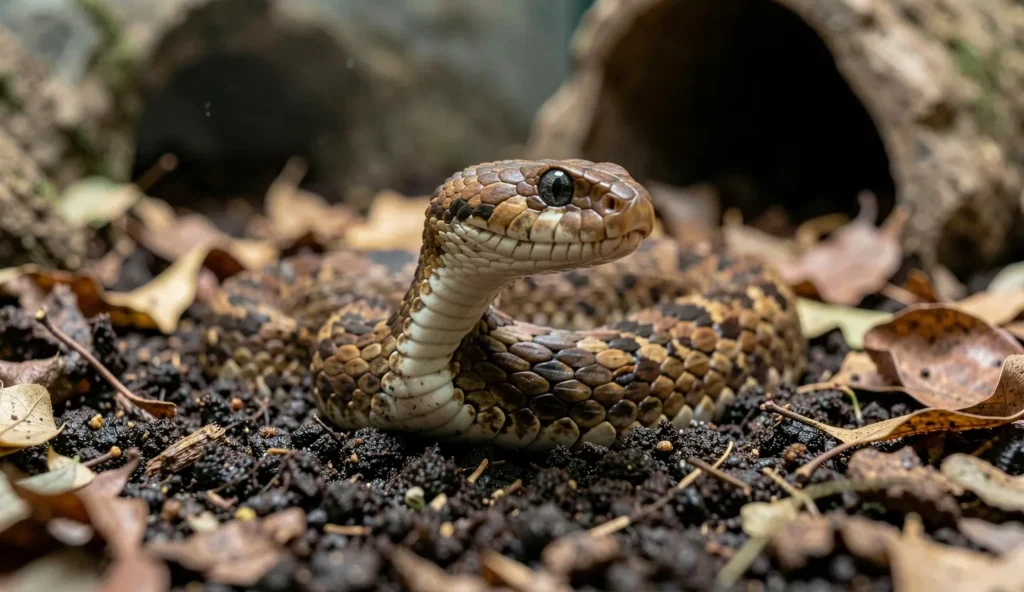
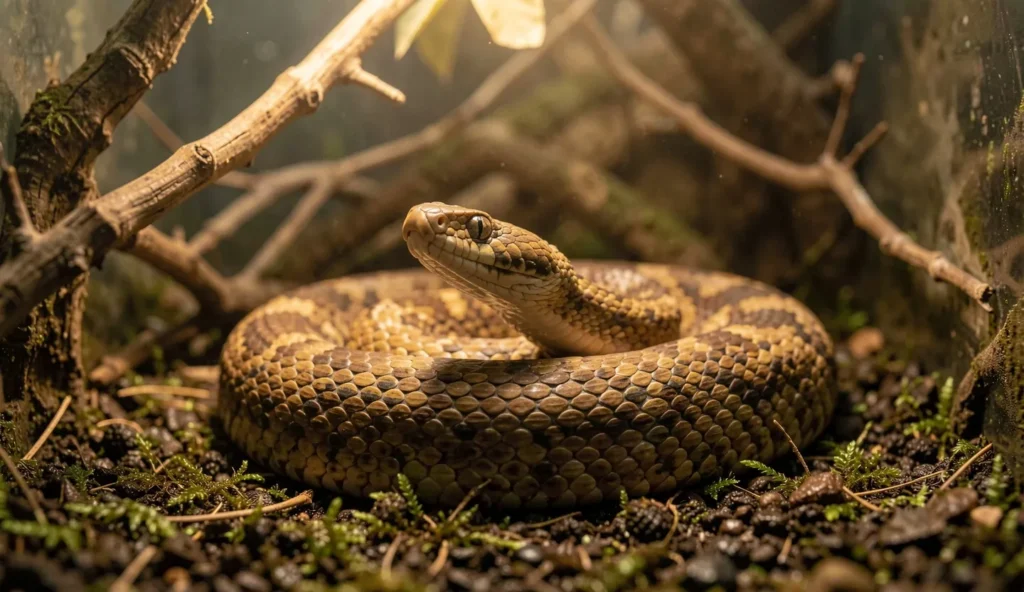
The King Snake is a colorful colubrid that ranges across North America, with several popular subspecies kept by intermediate owners. Many people choose a King Snake for its active nature, manageable size, and straightforward care when the king snake enclosure setup matches its needs. Its temperament can vary by individual, but stable husbandry usually improves calm behavior over time.
Although care is common among colubrid snake keepers, attention to heating, hides, and king snake feeding matters for long-term health. Another factor that changes how owners plan housing is that king snakes can show cannibalistic tendencies, especially when sizes are mismatched. With the right setup, most keepers can support a strong feeding response and healthy shedding.
What Is A King Snake Species And How Are Subspecies Different
A king snake species refers to a group of closely related snakes that share a similar body plan and general husbandry needs. Within that group, subspecies often differ in color pattern density, typical adult size, and regional traits. For many keepers, a King Snake also means a specific subspecies, including the California kingsnake, which often receives separate care discussions.
King Snake Species And Common Subspecies You May Encounter
Commonly kept king snake subspecies include the California kingsnake and other patterned lines that come from different regions. Subspecies identification usually relies on pattern look, typical adult size range, and local origin information from breeders. Patterning differences can also influence expectations for camouflage and where a snake chooses to hide.
In day-to-day care, the basics still align with colubrid snake care standards: stable temperatures, secure hides, and prey sized for the thickest part of the body. Owners who also compare species often look at similar beginner-friendly setups, such as a Corn Snake article for general husbandry principles, even though diet and enclosure targets differ.
Typical Adult Size And King Snake Lifespan Expectations
Adult length varies by subspecies, sex, and genetics, so general ranges work best for planning. Many king snakes mature in a span of a few years, but growth rate depends on feeding schedules and temperature stability. Owners should expect individual variation, with some snakes staying smaller while others develop longer bodies.
King snake lifespan in captivity is often measured in years rather than months, and proper husbandry can support long-term keeping. Longevity usually improves when temperatures match the thermal gradient and when shedding happens in one piece rather than in stubborn fragments. Factors that most affect longevity include stress level, correct prey size, and consistent enclosure cleanliness.
Activity Patterns And Natural Behavior That Affect Care
In the wild, king snakes often show crepuscular or nocturnal tendencies, meaning they feel most active near dusk and at night. That behavior helps explain why a snake may hide during bright hours and then explore more after the room cools. When wild rhythms guide care, feeding and handling often feel more predictable.
Owners can mimic key behaviors by providing hides in both thermal zones and maintaining a routine schedule for lights and heat. A king snake enclosure with multiple secure retreats usually reduces constant defensive posture. Similarly, observing how a Ball Python behaves with hiding routines can help owners understand why safe concealment improves feeding comfort, even though species needs differ.
Appearance And Physical Features To Expect From A King Snake
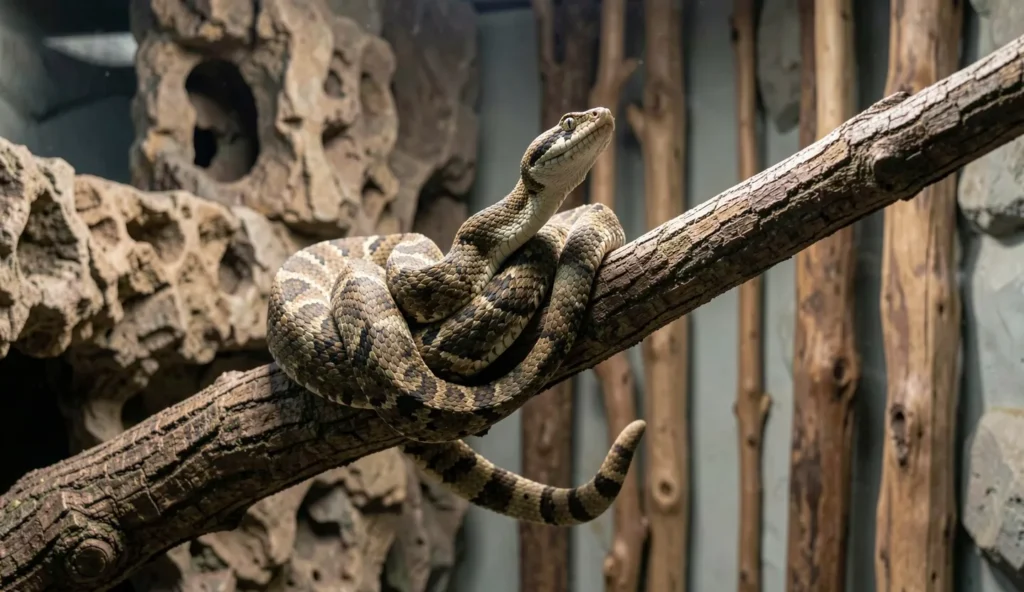
A King Snake usually stands out for strong contrast between base color and pattern marks. Different subspecies can show banding, blotches, or dense patterning, so visual identification matters when choosing a setup and planning for hides. Scale texture can also influence how the snake feels during handling.
Health and condition also show on the body, since kingsnakes rely on a stable build to handle regular feeding and shedding. Owners who learn the physical baseline can catch early issues faster, especially when weight changes happen gradually.
Color Pattern And Scale Texture For Easy Subspecies Recognition
King snake pattern types and colors vary widely, so a single visual description cannot cover all king snake species lines. Even within the same subspecies, some adults show slightly different pattern density across the body. Scale smoothness often stays consistent, which can affect how a snake grips during climbing and how it moves over the substrate.
Healthy coloration usually remains bright with a body that looks filled rather than thin. Body condition becomes easier to judge when the snake is viewed from above and from the side, not only when it is coiled. If the body looks flattened or the tail becomes noticeably narrow, feeding or hydration adjustments may be necessary.
Body Shape Head Size And What Healthy Condition Looks Like
Kingsnakes store energy in body thickness, so a healthy adult typically looks moderately full through the midsection. The head and neck region usually maintain normal proportions with no swelling. Dehydration can show as a dull look or a loss of fullness, even when the snake appears active.
Underfeeding signals often appear as gradual thinning rather than sudden weight loss. Another early sign involves changes in how the skin stretches after shedding, since good hydration supports the natural skin cycle. When these signs appear, temperature checks and prey titration should happen before handling increases.
Size Differences Between Juveniles And Adults For Enclosure Planning
Juveniles require a smaller king snake enclosure while still needing enough space for two hides and a thermal gradient. Adults usually benefit from a larger floor area because they can explore and thermoregulate across more distance. A common mistake is building too-large setups for juveniles, which can increase stress and reduce feeding response.
Because prey size must change as the snake grows, growth stage also affects how owners plan feeding tools. When prey size and heat targets align with the snake’s stage, king snake feeding typically becomes more consistent. For owners comparing growth and care, a Garter Snake care page can offer perspective on how different snake types still rely on stable enclosure fundamentals.
Temperament And Handling Expectations For Intermediate Owners
King snake temperament ranges from defensive to relatively calm, depending on age, lineage, and how consistently the snake feels secure. Many snakes become more tolerant when handling stays routine but not excessive. At the same time, defensive behavior can return after relocation, shedding, or major enclosure changes.
Handling works best when it follows the snake’s rhythm and feeding schedule. Stress can reduce feeding response, so handling frequency and timing should support stable routines rather than disrupt them.
Typical Temperament In Captivity And What Influences It
Some king snakes show a defensive posture by flattening the body or pulling the head back when approached. Other individuals may move steadily and explore when the handler offers calm support. Age matters because juveniles often respond more quickly to unexpected contact.
Regular handling, when done gently and with consistent timing, can improve comfort over weeks. Still, temperament does not follow a strict rule across every king snake species line. Genetics and early handling practices often affect how quickly a snake learns that hands are not a threat.
How Stress Looks And What To Do During Handling
Stress signals often include repeated hissing, rapid head retraction, tight body tensing, and attempts to escape. Stress can also show through reduced appetite, since a stressed snake may refuse food even when prey is offered correctly. When stress appears, the immediate step is to end handling and give the snake quiet time.
Owners should also confirm enclosure temperatures because stress often increases when the snake cannot thermoregulate. If feeding pauses last, the first checks should focus on heat, hide security, and shedding status. A good rule is to stop handling and reassess conditions rather than continuing attempts.
Cannibalistic Tendencies And Housing Rules That Prevent Risk
King snakes can show cannibalistic tendencies, especially when housed together during growth stages or feeding periods. Housing multiple snakes together increases the chance of size-based aggression and confusion around feeding cues. For safety, king snake enclosure setup plans should assume individual housing.
Similarly sized animals still carry risk because scent and feeding routines may overlap. Owners should separate adults and similarly sized animals during feeding to prevent accidental targeting, and feeding should happen in a way that keeps prey scent from lingering on the enclosure hands.
Feeding time confusion also increases risk, which is why separate feeding tools and clear timing help. If any snake shows repeated interest in the other, the safest move is immediate separation into secure enclosures.
King Snake Enclosure Setup That Supports Heat Humidity And Safe Hides
A well-built king snake enclosure supports thermoregulation, hiding, and stable shedding. When those basics work, temperament often improves because the snake feels secure. Since heating and humidity drive digestion and skin health, the setup requires careful measurement, not guesswork.
Owners also need to think about safety and escape prevention because king snakes can push through weak points. Secure latches, properly sized vents, and a stable enclosure placement reduce stress from unexpected movement.
Choosing The Right Enclosure Size And Ventilation
Enclosure size should fit the snake while still providing a warm hide and a cool hide. Juveniles typically need a smaller footprint than adults, because large spaces can make them hide constantly and miss feeding opportunities. A general planning approach uses enough floor area for movement without creating a maze-like environment.
Ventilation matters because stagnant air can affect humidity stability. At the same time, the enclosure must avoid excessive drafts that cool the warm zone. When heat and air flow stay balanced, substrate and shedding often improve together.
Overly large setups can also increase missed king snake feeding sessions, since the snake may stay hidden and feel uncertain during offer time. Owners can reduce this risk by placing hides near heat sources and keeping a consistent daily routine.
Heating And Temperature Gradient Targets With Thermostat Control
The goal is a thermal gradient with a warm area for digestion and a cooler hide for rest. Temperature targets typically fall into a range where the warm side supports active digestion while the cool side allows the snake to rest safely. Using reliable thermometers in both zones is the only way to confirm performance.
Thermostats matter because heat sources can overshoot when left unregulated. Many owners use under-tank heating or a safe heat lamp setup, depending on enclosure type and local conditions. Whatever the heat source, it should never bypass thermostat control.
Owners should also avoid direct contact between the snake and heating elements unless the setup includes a safe barrier. If the snake shows repeated attempts to sit against heat during all hours, the warm side may run too hot.
Humidity And Substrate Choices That Support Shedding Without Dampness
King snakes need humidity that supports shedding without creating a wet environment. Excess dampness can increase odor and raise the risk of skin issues, especially if the substrate stays soggy. On the other hand, low humidity can cause stuck shed, which can become a serious problem if left alone.
Substrate and humidity work together, so choices should support stable moisture cycles. Common options include paper-based bedding and coconut fiber mixtures, each with different moisture holding behavior. Owners should spot clean regularly and avoid leaving wet patches that linger.
A stable method can include a humidity area under one hide where slight moisture supports shedding. This approach helps owners maintain substrate and humidity targets without soaking the entire enclosure.
Hides Water Bowls And Climbing Opportunities That Still Stay Safe
At least two hides should appear in the enclosure, with one placed in the warm zone and one in the cool zone. Hide size should feel snug, meaning the snake can coil inside with minimal gaps. Loose hides that allow the snake to feel exposed can increase stress and defensive behavior.
A clean water bowl should sit where the snake can access it without tipping or getting substrate mixed into it. Some king snakes soak, so the bowl size should provide comfortable access without being deep enough to create drowning risk for young individuals. Owners should place the bowl in a neutral spot that does not disrupt humidity control.
Climbing items can be safe if they stay stable, do not trap the snake, and do not create sharp edges. If climbing items are used, they should not block hides or force the snake to choose only bright areas.
Cleaning And Odor Control Without Causing Unnecessary Stress
Routine spot cleaning keeps the enclosure hygienic without frequent disruption. Deep cleaning can happen on a schedule that fits feeding and shedding cycles, and it should avoid handling during sensitive skin periods. During cleaning, minimal handling reduces stress and decreases the chance of regurgitation.
Safe cleaning agents should match reptile use and should be rinsed thoroughly to remove residue. Harsh chemicals can leave scent traces, which can confuse the snake or irritate skin. If a cleaning agent has a strong smell after rinsing, it likely is not ready for enclosure use.
Many owners reduce odor by removing soiled substrate promptly and by keeping humidity controlled rather than excessive. This also supports healthier substrate cycles for a consistent king snake enclosure setup over time.
King Snake Feeding Guide With Prey Schedule And Safe Handling
King snake feeding depends on consistent husbandry and correct prey sizing, since both affect digestion and feeding response. When the enclosure warm zone reaches target temperatures, appetite often returns quickly after meals. Owners should plan feeding around the snake’s activity rhythm and avoid unnecessary handling disruptions.
Prey choice also impacts how smooth feeding becomes, especially for intermediate owners learning to adjust from juveniles to adults. With stable heating and hiding, most kingsnakes accept frozen thawed prey, but gradual diet changes reduce refusal risk.
What King Snakes Eat In Captivity And How Diet Can Vary
In captivity, many owners feed mice and small rats depending on the snake’s size and growth. Some subspecies or individual appetite differences may influence which prey sizes work best at specific stages. Frozen thawed is often recommended for consistency and hygiene, which can support stable king snake feeding routines.
Diet changes should remain gradual so the snake adjusts to scent and size transitions. If a new prey item appears on the menu, it should match the previously offered range as closely as possible. Owners who compare common feeder traditions may also reference species like a Boa Constrictor care page for broader feeding perspective, while still using king snake enclosure targets and prey sizing.
King Snake Feeding Schedule By Age And Growth Stage
Juveniles usually need more frequent feeding than adults, because rapid growth requires consistent energy. Adult feeding frequency often decreases as the snake reaches maturity and maintains body condition rather than adding length quickly. Temperature stability affects appetite, so inconsistent warm zone performance can cause feeding gaps.
Owners should watch for signs the schedule is too frequent, including steady weight gain that outpaces normal build and reduced interest in exploring. If feeding becomes too sparse, the snake may look thin or lethargic. Adjustments work best when they follow small changes over multiple feedings rather than major jumps.
Because shedding affects appetite, feeding schedules sometimes need minor pauses around skin cycles. Stable king snake feeding helps avoid abrupt stress and supports smoother digestion.
Choosing Appropriate Prey Size And Avoiding Overfeeding
Prey size should match the thickest part of the snake’s body, not just the overall length of the prey item. A common approach involves selecting prey that offers a manageable meal that the snake can swallow without struggling. When prey size is correct, feeding usually progresses smoothly through constriction and swallowing.
Owners should titrate prey size gradually as the snake grows, because sudden jumps can increase refusal or digestion stress. Overfeeding can raise health risks by promoting excess fat, which can also complicate shedding and reduce overall activity. Monitoring body condition remains the simplest way to keep prey sizing on track.
Feeding with correct prey size also reduces the chance of regurgitation, which can happen when temperatures are too low or when the snake is handled immediately after a meal. For many intermediate owners, starting with smaller prey and adjusting upward slowly is the safest strategy.
How To Feed Safely And Reduce Stress During Meals
Feeding works best outside handling sessions, since handling right before or right after meals can increase stress. Owners should also use feeding methods that reduce the chance of substrate ingestion, especially in enclosures with loose particles. Tongs can help prevent accidental nips while keeping prey placement controlled.
Some keepers prefer tong feeding for precision, while others offer prey directly in the enclosure using safe methods. Whatever the method, the key is to keep prey scent and handling tools consistent. After feeding, handling should stay minimal to reduce regurgitation risk.
If prey is refused, temperature checks and shedding status should come first. A consistent warm zone and secure hides often resolve most feeding issues without additional intervention.
What To Do If King Snake Feeding Stops Or Changes Suddenly
A sudden refusal often links to enclosure conditions, stress, or shedding timing rather than a single feeding error. Incorrect temperatures can slow digestion, which then reduces appetite. Stress from recent cleaning, enclosure movement, or excessive handling can also lead to short feeding pauses.
Shedding affects appetite, so owners should confirm whether the snake is in early shed stages. If the snake has started to dull in color or the eyes look cloudy, feeding attempts may fail until shedding completes. In that case, husbandry should stay stable while the snake finishes its cycle.
If appetite does not return after shedding completes and temperatures remain correct, a vet evaluation may become necessary. When feeding issues persist for more than a typical cycle range, professional guidance helps rule out parasites and illness.
Common Health Issues And Preventive Care For King Snakes
Most king snake health problems connect back to husbandry basics: temperature gradient, humidity balance, and enclosure hygiene. Routine checks help owners catch early signs before issues become serious. When problems are addressed quickly, recovery often goes smoother.
Preventive care also supports long-term king snake lifespan because stable systems reduce chronic stress. Owners can monitor weight, skin quality, and breathing patterns to spot changes early.
Routine Health Checks And What To Monitor Each Week
Weekly checks help owners track body condition and shedding quality over time. Normal shedding usually completes in one piece, and the retained skin should not appear around the eyes or tail tip. A healthy snake should also show steady activity during warm hours, not constant hiding that lasts beyond normal feeding patterns.
Weight changes can signal feeding imbalance, so tracking provides a clear baseline. Owners should also observe breathing rhythm, since respiratory issues often develop gradually. When a snake looks thinner than expected between feedings, prey sizing and temperature should be reconsidered.
Respiratory Problems And How Temperature Humidity Imbalances Contribute
Respiratory problems can develop when temperature and humidity targets conflict. If humidity becomes too high while the warm zone stays cooler, the enclosure can stay damp and stressful for the snake. Early symptoms can include wheezing sounds, open-mouth breathing, or repeated mouth gaping.
When these signs appear, intervention should start with verifying temperatures and reducing excess dampness. Owners should avoid repeated handling during recovery because stress can worsen breathing. A veterinary diagnosis becomes important when symptoms persist or intensify.
Temperature verification should include spot checks with thermometers placed at snake level. Humidity adjustments should remain gradual, since sudden changes can also trigger shedding stress.
Parasites Skin Issues And Mouth Health To Watch For
Parasites can show through weight loss, poor feeding response, or changes in body condition despite normal prey availability. Skin problems can link to shed retention or to substrate that stays too wet for too long. Mouth issues can appear as discoloration, swelling, or persistent mouth irritation.
External parasites may cause unusual body rubbing, while internal issues often show through general decline. If any parasite signs appear, the enclosure should be cleaned thoroughly and a reptile vet should evaluate the snake. Prompt care supports better outcomes for both the individual and the surrounding setup.
Humidity and shedding quality can reduce many skin issues, which is why substrate choices and humidity targets matter. If stuck shed becomes frequent, the king snake enclosure likely needs humidity and hide adjustments.
Shedding Problems And When Owners Should Adjust Care
Stuck shed indicators include patches that do not loosen after a typical shed period, or retained skin rings around toes or the tail. Owners should first confirm humidity levels and check whether one hide includes a mild humidity support area. If shedding remains stuck, warm humidity support can help, but soaking wet methods should be used carefully.
Owners should avoid pulling shed skin, because traction can injure tissue. Instead, conditions can be improved so the snake can shed naturally. If stuck shed involves eyes or more extensive body areas, professional help should happen quickly.
Breeding Basics And Ethical Considerations For Intermediate Keepers
Breeding requires more than pairing two snakes because egg development depends on consistent health and controlled temperature cycling. Intermediate owners should treat breeding as a husbandry project that also includes risk management. A King Snake breeding plan should prioritize safe housing and correct age and health requirements.
Another key factor is that cannibalistic tendencies create higher risk when sizes differ or when feeding cues confuse animals. Ethical breeding uses individual housing and clear separation rules before and during pairing windows.
Before Attempting Breeding So Health Comes First
Correct identification matters so the correct king snake subspecies line receives compatible care conditions and realistic breeding expectations. Age also matters, since younger snakes may not have the body condition needed for successful reproduction. Healthy feeding history and stable shedding quality should come before any pairing attempt.
Breeding also demands separate housing to prevent injury and stress. Even during controlled pairing, snakes must have secure retreat options and a plan for fast separation if aggression occurs. If any snake shows illness signs, breeding should wait until recovery.
Seasonal Cycling Setup And Temperature Management
Many breeders use controlled seasonal changes to trigger reproductive behavior, often by adjusting temperature and day-night rhythm. This process should remain careful because extreme cooling or overheating can stress the snakes. Temperature management should use reliable thermometers and thermostats for consistent results.
Female readiness often shows through feeding changes, increased activity, and specific behavioral signs. Males may become more active and attentive, but readiness still depends on body condition. Owners should keep records, since breeding timing improves when patterns become clear.
Egg Care And Hatchling Housing With Cannibalism Risk In Mind
Hatchlings require individualized housing because mixed sizes increase cannibalism risk. Feeding also needs careful titration since hatchlings can refuse if prey feels too large or if warm zone targets are inconsistent. Incubation methods depend on breeder approach, but consistent monitoring stays essential.
Hatchling feeding often starts with appropriate prey sized for their thickest body part, then increases as they grow. Owners should plan separate containers and simple, secure king snake enclosure setup options to prevent accidental mixing. This approach supports safer growth and smoother transitions to adult feeding routines.
Starter Checklist For New And Upgrading King Snake Owners
This checklist focuses on the decisions that most affect king snake feeding, shedding, and temperament. Each item supports a stable daily routine rather than complicated adjustments. Before a snake arrives, verifying these points reduces the chance of stress during the first weeks.
King Snake Enclosure Checklist For A Secure Setup
- Secure enclosure with an escape-resistant lid
- Thermostat controlled warm zone for stable king snake comfort
- Two hides placed in warm and cool areas
- Thermometers measuring both thermal zones at snake level
- Humidity plan that supports shedding without soaking substrate
- Water bowl placed for access and easy daily rinsing
- Substrate that supports humidity without excess dampness
King Snake Feeding Checklist With Prey Size And Timing
- Frozen thawed prey or a consistent prey source
- Prey size matched to the snake thickest body part
- Feeding frequency aligned with age and growth stage
- Feeding method that limits substrate ingestion
- No handling immediately after king snake feeding sessions
Health And Safety Checklist For Long Term Care
- Weekly inspection of body condition and shedding quality
- Separate housing plan to reduce cannibalism risk
- Quarantine plan for any new snake additions
- Record feedings sheds and weights for trend tracking
Frequently Asked Questions
How Often Should A King Snake Be Fed?
Feed juveniles more often than adults and adjust frequency based on body condition and growth.
What Temperature Range Is Best For A King Snake Enclosure?
Provide a warm basking zone and a cooler hide zone using thermometers and thermostats for safe control.
What Should Be The Prey Size For A King Snake?
Choose prey close to the thickest part of the snake and increase gradually as the snake grows.
Are California Kingsnakes Easier Than Other King Snake Subspecies?
California kingsnake care follows the same core husbandry needs, but individual temperament and feeding response still vary.
Do King Snakes Need High Humidity To Shed Properly?
Use moderate stable humidity and avoid soaking wet substrate so shedding stays smooth.
Can Two King Snakes Be Housed Together Safely?
Co-housing is risky due to cannibalistic tendencies, so individual housing is the safest approach.
Final Note On Building Confident King Snake Care
Stable heating, secure hides, and correct king snake feeding choices help a King Snake settle into consistent routines. When husbandry stays measured and records track changes, long-term care becomes predictable for most owners.