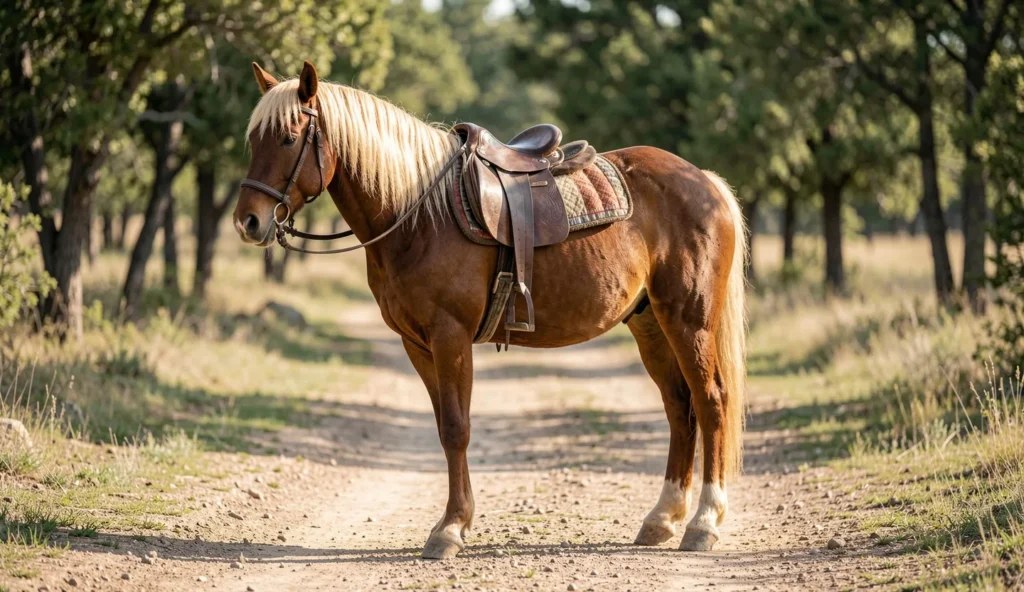
What Is A Rocky Mountain Horse?
The Rocky Mountain Horse is a riding breed from the Appalachian region of the United States, known for comfort under saddle. Many riders choose it for a chocolate coat, a flaxen mane, and a smooth single-foot gait. Those traits, along with steady temperament, make it a strong option for trail riders and pleasure riders.
Origin And What It Was Bred For
Rocky Mountain horse history starts in the Appalachian region, where local horses were selected for daily riding needs. Breeders aimed for sure footing and a comfortable ride over long distances. Over time, natural comfort under saddle became a key selection goal.
Key Traits That Make It Stand Out
One of the most noticeable traits in the Rocky Mountain Horse is its chocolate coat with a flaxen mane and tail. Many horses also show a smooth single-foot gait that can feel less bouncy than a standard walk. In many programs, the breed is also valued for calm manners and a willingness to work.
Common Use Cases For Riders
Rocky Mountain Horse care often focuses on keeping the horse comfortable and moving well for pleasure riding and trail riding. Many owners also use the breed for endurance-style trips where steady rhythm matters. When temperament matches the household, some riders include the horse in family-friendly outings.
Appearance And Physical Features
Real-world appearance helps riders recognize the breed quickly, especially around the head, mane, and coat color. The Rocky Mountain Horse typically presents a balanced build that supports smooth, controlled movement. That look pairs with movement that feels organized and steady.
Coat Color And Mane Details
Chocolate brown is a hallmark color variation, though shading can differ among individuals and breeding lines. Flaxen mane and tail highlights create a lighter contrast against the darker coat. Some horses may show lighter or darker tones while still fitting the classic color pattern.
Body Type And Conformation
The Rocky Mountain Horse often has a balanced body type designed for comfort and steady movement. Well-formed shoulders and strong hindquarters support mobility and consistent steps. Hoof shape also matters because it can influence how the rolling motion is delivered.
Size And Weight Range
Height and weight range can vary by line, training, and maturity. Many riding horses fall within a practical range for recreational use, but confirmation requires measuring the specific horse. Before purchase, riders should verify fit for saddle height and leg position.
Movement And Natural Way Of Going
Some Rocky Mountain Horse candidates demonstrate gait performance without intensive training, thanks to natural movement patterns. A single-foot gait can feel smoother than a walk for many riders. Even so, stride length and rhythm can change based on condition, tack, and training level.
Rocky Mountain Horse Temperament And Personality
Rocky Mountain horse temperament tends to center on calm cooperation, especially when handling stays consistent. Many horses remain patient during grooming and tack-up, which helps new owners feel more confident. However, temperament always reflects both genetics and past training.
Typical Temperament Traits Riders Expect
Many riders describe the breed as steady and cooperative, with a calm attitude during routine tasks. Patience often shows during brushing, leading, and bridling. Still, individual differences exist because handling history affects reactions to everyday events.
How Temperament Shows Up In Riding
In riding, a steady horse may respond calmly to tack changes and routine transitions. In familiar settings, behavior often stays consistent, which makes trail work easier. If stress increases due to unfamiliar sounds or poor handling, some horses can show sensitivity.
What Affects Temperament The Most
Consistent daily handling shapes confidence more than occasional sessions do. Training approach also influences how the horse reacts under saddle, especially during cues and transitions. In addition, health and pain can change behavior quickly, so monitoring matters.
How To Choose A Temperament Match
Choosing a calm partner requires observation in real conditions, not only during seller time. Calm ground manners often appear through easy leading, quick acceptance of grooming, and steady attention. Testing reactions to mounting, bridling, and short rides helps match the horse to rider experience.
Because many gaited breeds share similar riding goals, it can help to compare how other smooth-gaited options behave. For a broader view of temperament differences across gaited horses, some riders also research Tennessee Walking Horse backgrounds before deciding on a final match.
Rocky Mountain Horse Gaits And What They Feel Like
Rocky Mountain horse gaits sit at the center of why the breed attracts pleasure riders and trail riders. The smoothest riding experiences come from consistent rhythm, balanced movement, and comfort under tack. When the gait stays organized, the ride often feels stable across varying trail surfaces.
Understanding Smooth Gaits
A smooth gait emphasizes even rhythm and reduced bounce, which helps riders stay relaxed. The single-foot gait is a signature feature often tied to the breed’s comfort design. For many owners, that comfort becomes the main reason the Rocky Mountain Horse remains a favorite.
Common Gaits In The Breed
Although single-foot style gaits receive most attention, walk and other basic patterns still occur. Some horses show single-foot and other four-beat style gaits depending on training and natural ability. Because gait expression can vary, riders should evaluate the specific horse instead of relying only on breed reputation.
How To Evaluate Gait Quality
Gait quality shows up through consistent footfalls, steady cadence, and balanced posture. A good gait keeps the horse straight and working without obvious stumbling or rushing. For safe evaluation, ride in a controlled area and compare transitions at a calm pace.
Common Reasons A Horse Does Not Gait Yet
A horse may not gait yet due to inexperience with cues and transitions, especially if training steps were skipped. Tack fit issues can also block gait expression by causing discomfort or resistance. Fatigue, poor footing, or stress can interrupt rhythm, so evaluating over multiple sessions matters.
Gear And Rider Position That Support Comfort
Proper saddle fit helps the horse move freely through the shoulder, which supports smoother rhythm. Balanced rider posture can encourage steady contact and help the horse maintain cadence. Regular tack checks also prevent rubbing that can lead to pinning ears, backing, or refusing transitions.
Because smooth gait delivery depends on training and conformation, riders often compare breed traits before committing. Researching Icelandic Horse gaits can also clarify how different four-beat styles may feel during day-to-day riding.
Rocky Mountain Horse Training And Handling Basics
Training for a Rocky Mountain Horse focuses on calm communication, safe transitions, and maintaining smoothness. Proper handling supports consistent performance by reducing stress and encouraging regular movement patterns. With steady progress, owners often preserve gait quality even when routes change.
Start With Ground Manners
Ground manners create the base for confident riding, especially for trail work. Teach calm standing for grooming and tack-up, and keep leading and stopping cues consistent. Quiet mounting and dismounting routines also help the horse stay relaxed during busy moments.
Under Saddle Training Priorities
Under saddle, training should build steady transitions between walk and gait patterns. Maintaining rhythm matters before increasing speed or distance, because rushed changes often disrupt cadence. Steering and turning should also happen at safe speeds so the horse stays balanced while learning cues.
How To Encourage The Single-Foot Gait
Encouraging the single-foot gait often depends on timing and cues, so working with a qualified trainer can reduce guesswork. Sessions should remain short enough to avoid stiffness and fatigue, which can cause uneven footfalls. The training goal should center on smoothness and consistency rather than forcing speed.
Common Training Mistakes To Avoid
Forcing speed can disrupt rhythm and comfort, especially early in training. Ignoring saddle fit can create resistance and prevent the horse from moving through its stride normally. Skipping warm-up can also reduce gait quality, because the horse needs time to settle into its pattern.
Some owners compare training goals across other reliable riding breeds to understand what “comfortable” can mean. For example, the structure and versatility in American Quarter Horse training discussions can help clarify how riders balance cues, comfort, and control even when gaits differ.
Rocky Mountain Horse Care And Daily Management
Rocky Mountain horse care includes daily management steps that support comfort, safe movement, and stable health. When housing, grooming, feeding, and hoof care remain consistent, the horse often maintains better gait quality. Small changes can still matter, so monitoring stays part of routine care.
Housing And Stable Setup
Good bedding and ventilation help reduce skin irritation and support general health. Turnout areas should stay safe and secure with sturdy fencing so the horse can move without fear. Owners should also plan access to fresh water and shade during hot weather.
Grooming And Coat Care
Regular brushing removes dirt and helps loosened hair come away before it mats. Mane and tail care also matters, especially because flaxen hair can tangle if left unattended. Checking skin for irritation, dry patches, or bumps helps catch minor issues before they become problems.
Feeding Basics And Diet Planning
Most diets for the Rocky Mountain Horse should begin with quality forage and consistent pasture access. Concentrates should fill specific gaps only when needed for body condition or workload. Minerals should match local conditions, and a vet or qualified nutritionist can guide adjustments.
Hoof Care And Farrier Schedule
Hoof care depends on growth rate and wear pattern, so farrier schedules vary by horse. Riders should watch for uneven wear that can affect gait quality and comfort. After rides, hooves should stay clean and inspected, especially for debris that can irritate sensitive areas.
Common Health Issues To Watch For
Colic risk can rise with sudden feed changes or irregular routines, so keeping schedules consistent matters. Laminitis concerns require careful management of sugars and overall diet balance. Poor ventilation can contribute to eye or respiratory issues, while lameness can quickly change gait performance.
Because many horse owners compare care strategies across breeds, it can help to review additional management ideas. For coat and general husbandry awareness, readers sometimes cross-check care approaches discussed for American Saddlebred owners, even though grooming needs differ by coat and turnout.
Is A Rocky Mountain Horse Right For You?
The Rocky Mountain Horse may fit best when riding goals match comfort-focused performance. Trail riders and pleasure riders often value smooth movement, calm ground manners, and predictable behavior in familiar settings. Still, fit depends on the individual horse and the care capacity of the household.
Good Fit For
Good fit often includes riders who want comfortable pleasure and trail rides. People who value smooth, consistent movement also tend to enjoy this breed. Many beginners to intermediates succeed with proper instruction when a horse receives steady handling.
May Not Be Ideal For
Some homes may struggle if daily care and health checks cannot stay consistent. Riders who do not want to monitor tack fit and comfort may face ongoing resistance issues. In situations where pain or lameness cannot be addressed promptly, gait quality often declines faster.
Checklist For A Safe Trial Ride Or Purchase
A safe trial should verify actual gait performance on the ground and under saddle. Hoof condition and recent farrier care should be confirmed, since foot problems can change rhythm. A pre-purchase exam becomes especially useful when considering a new horse with unknown history.
Temperament should also be tested through calm handling in multiple settings, because one good session does not always predict future behavior. For additional comparisons in size, movement, and riding expectations, some buyers review famous breed discussions from Most Famous Horse Breeds in History to build realistic purchase expectations across different categories.
Rocky Mountain Horse Breed Guide FAQs
What makes the Rocky Mountain Horse gait feel smooth?
The breed commonly performs a single-foot style gait, which emphasizes rhythm and comfort. Smoothness depends on balance, cadence, and how well the saddle and tack fit.
Are Rocky Mountain Horses good for beginner riders?
Temperament varies by individual and training history, so some horses suit beginners better than others. A calm, well-handled horse can work well with proper instruction.
What do Rocky Mountain Horse owners feed day to day?
Many diets base calories on quality forage and consistent pasture access. Concentrates usually get added only when needed for body condition.
How often should hoof care happen for a Rocky Mountain Horse?
Farrier schedules depend on hoof growth and wear patterns, so timing differs by horse. Routine trimming and monitoring help support stable movement and comfort.
What health problems should be watched for in this breed?
Lameness can reduce gait quality and riding comfort, so early signs should not be ignored. Colic risk rises with sudden feed or routine changes.
How can a rider encourage the single-foot gait effectively?
Consistent cues and timing help, and a qualified trainer can guide the process safely. Warm-ups should happen first, and transitions should avoid rushing.
Next Steps For Choosing A Rocky Mountain Horse
Rocky Mountain Horse selection becomes easier when riders evaluate temperament, tack fit, and real gait performance during a trial. With steady care routines, the breed’s comfort-focused movement and calm handling can support many ride styles.