What Is An American Saddlebred?
The American Saddlebred is a refined American horse breed built for expressive motion and elegant presentation. Originating in the United States and shaped for performance, it combines style with practical soundness goals. Many riders and show enthusiasts choose it because its movement reads clearly in both competition and training.
Breed Overview And Key Traits
The American Saddlebred is known for a polished look and high-stepping action that stands out at any show. It often appears in saddle seat and driving events, where judges reward gait quality and overall presence. Riders also notice a responsive way of working, with frequent attentiveness to cues. In evaluation, movement, soundness, and conformation typically carry major weight.
Where The Breed Originates And Why It Matters
Modern Saddlebred development took place in the United States, where early riding and showing created specific breeding priorities. Saddlebred history reflects an emphasis on motion, style, and a visible frame that carried well in ring conditions. Over time, breeders focused on producing horses that looked refined while performing reliably under training. That background still influences today’s expectations for American Saddlebred type in the show world.
How Do American Saddlebreds Look In Real Life?
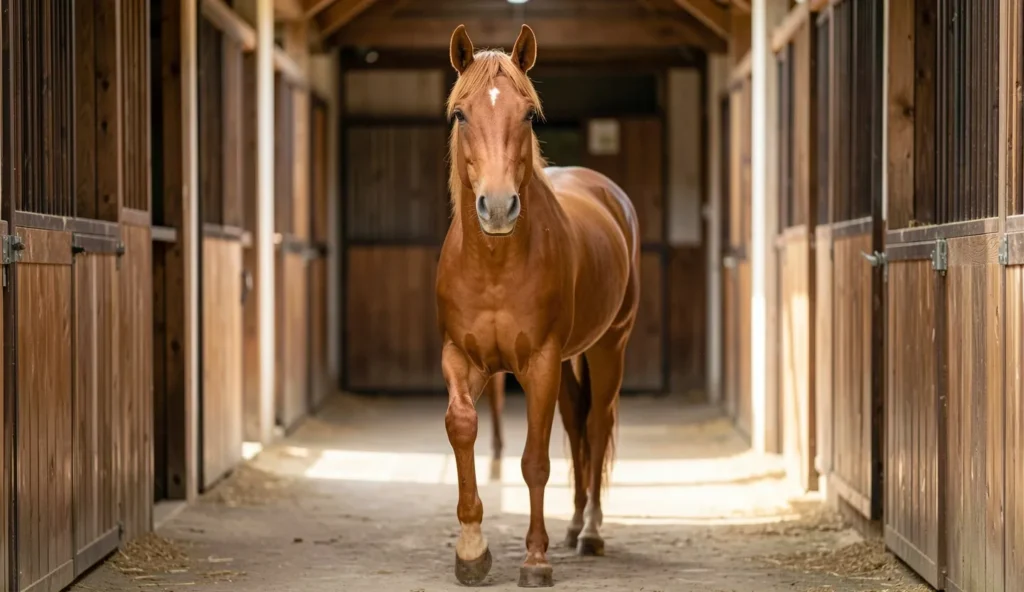
American Saddlebreds tend to show a balanced, athletic shape with refined lines. When seen in person, their silhouette often suggests motion even when standing still. Understanding the key physical features helps owners and riders judge conformation for performance and comfort.
Common Size, Build, And Conformation
Many Saddlebreds carry a refined head with an alert expression and bright, forward attention. A long, sloping neck often supports a proud carriage that helps the horse look elevated. The shoulders and hindquarters usually show enough angulation to support collection-like mechanics. Overall balance matters because the breed’s signature action depends on coordinated movement across the body.
Coat Colors And Typical Patterns
Multiple coat colors can appear in the American Saddlebred population, and many registries include a wide range of acceptable shades. Solid colors and typical equine markings may occur, but color usually ranks below performance factors in showing. Many judges prioritize movement quality, soundness, and correct conformation over coat pattern. Still, a consistent grooming routine helps keep any coat looking clean and show-ready.
Signature Gait And High Stepping Action
The most recognizable feature is the breed’s elevated, ground-covering movement. In saddle seat events, judges often want smoothness, a steady rhythm, and visible knee and hock action. Bending at the joints helps create the clear “lift” effect while keeping motion controlled. Because this action depends on mechanics, proper training and proper tack fit both influence what the horse can show comfortably.
What Is The American Saddlebred Temperament Like?
The American Saddlebred often combines alertness with a willingness to work when handled well. Many horses respond to cues quickly, which can help during training and show preparation. At the same time, sensitive handling can matter, especially for horses with stress triggers around loud arenas or unfamiliar routines. Understanding the Saddlebred temperament helps owners plan training and daily care more effectively.
Typical Temperament Traits
Saddlebreds often show an eager, responsive attitude that makes instruction easier when expectations stay consistent. Some individuals can feel sensitive to handling pressure, especially during early training stages. Most horses become more settled when routines stay predictable across grooming, feeding, and exercise. With steady guidance, many Saddlebreds learn quickly and maintain cooperative behavior.
How Temperament Impacts Training And Showing
Stable routines support calm performance, especially during movement practice. Clear communication tends to improve responsiveness during transitions, rhythm control, and show-like preparation. Positive handling also reduces stress before events, which helps the horse present better in the ring. When training stays consistent, Saddlebred care becomes easier because daily management aligns with the horse’s behavior needs.
Social Needs And Suitability For Different Riders
Many Saddlebreds do best with routine barn schedules and enough turnout or quiet companionship time. Calm companions and predictable routines often reduce anxiety during grooming and tack-up. These horses typically suit riders prepared for consistent coaching and regular practice. Riders who want steady progress often find that a structured plan works better than last-minute changes.
How Much Exercise And Training Does An American Saddlebred Need?
Exercise and training requirements connect directly to the breed’s movement goals. The American Saddlebred needs regular work to build muscle tone, maintain rhythm, and support sound mechanics. Careful warm-up and gradual progression also help protect joints and tendons. When training matches the workload phase, the horse can reach show readiness more safely.
Daily Exercise Basics
Daily movement helps maintain muscle tone and supports clean, repeatable rhythm. Warm-up should happen gently so the horse enters work without sudden strain. Many programs include both flat work and movement-focused practice to build coordination. Rest days also matter because recovery prevents overuse during higher-intensity blocks.
Building The High Stepping Action Safely
Training for high-stepping action typically emphasizes balance, engagement, and consistent mechanics. Forcing extra motion often causes tension and can reduce soundness over time. Instead, correct mechanics should guide progress, with gradual intensity changes linked to the horse’s comfort. Proper tack fit supports comfort and free movement, which helps the horse perform without bracing.
When tack fit becomes a concern, checking saddles and bridles for pressure points often helps. For riders comparing performance traits across breeds, reviewing how another refined riding horse manages training can provide useful context. For example, the American Quarter Horse is also known for trainable versatility, even though its natural athletic profile differs from the Saddlebred’s signature action.
Training Milestones For New Owners
New owners benefit from clear milestones that start with groundwork and basic desensitization. Consistent cues help the horse learn transitions and rhythm control without confusion. Grooming, tacking, and ring-like routines often reduce stress on show days. When specialty movements appear in training, professional guidance helps keep mechanics correct and repeatable.
- Establish daily handling routines and calm tack-up habits.
- Practice transitions at walk first, then expand to higher collection-like work.
- Use grooming sessions as desensitization opportunities.
- Track recovery after schooling so the horse stays comfortable.
What Grooming And Daily Care Keeps An American Saddlebred Comfortable?
Grooming and daily care for the American Saddlebred should support coat health and movement comfort. Regular routines help remove dust, detect early skin irritation, and keep mane and tail manageable. Hoof care and tack checks also matter because minor issues can affect comfort and performance. These steps also reinforce steady training outcomes because horses often stay calmer when care stays consistent.
Coat, Mane, And Tail Grooming
Brushing removes dust and helps distribute natural oils across the coat. The mane and tail require regular detangling and conditioning to prevent breakage and uneven appearance. Grooming also offers a chance to check for dry skin, rubbing, or irritation from tack. For many owners, coat care becomes easier when turnout and stabling practices match the local climate.
Hoof Care And Basic Body Maintenance
Farrier schedules usually determine how well the horse’s feet stay balanced over time. Cleaning hooves daily reduces buildup that can lead to discomfort or irritation. Owners should monitor for heat, swelling, and changes in stride because those signs can appear quietly at first. Appropriate bedding can also limit moisture exposure, which supports hoof stability.
Because motion-focused breeds often rely on consistent soundness, it helps to plan hoof and joint support carefully. For riders exploring other high-action or show-oriented horses, learning how different breeds manage structure can be useful, such as the Thoroughbred Horse and how conditioning and injury prevention get handled in another performance context.
Tack Care And Fit Checks
Tack care includes inspecting saddles, bridles, and reins for wear and maintaining clean, properly conditioned equipment. A correct saddle fit supports comfort and prevents pressure points that can interfere with movement. Straps should remain correctly adjusted so they do not pinch or rub as the horse moves. For show tack, cleaning and conditioning help the presentation look polished while also reducing irritation risks.
What Should An American Saddlebred Eat For Athletic Performance?
Feeding an American Saddlebred should prioritize steady nutrition that matches training demands. Because the breed often shows in active work phases, calories and protein needs usually change with workload. A balanced approach supports muscle development, recovery, and overall health. Most feeding success starts with quality forage and consistent routines.
Core Feeding Priorities
Quality forage forms the base of the diet for most Saddlebreds and supports normal digestion. Minerals and vitamins often get provided when needed to balance the overall ration. Daily calorie needs should adjust based on workload and body condition, since both overfeeding and underfeeding can affect performance. Fresh water should stay available at all times so hydration supports exercise recovery.
To plan nutrition around training blocks, many owners also track how other breeds respond when workload increases. For instance, comparing feeding approaches seen in the Appaloosa Horse can offer ideas about forage foundation and routine adjustments, even though each breed’s needs still require individualized assessment. With any horse, the best results come from adjusting feed gradually and monitoring body condition.
Common Workload Adjustments
During training increases, feed amounts often rise gradually rather than changing suddenly. Rest periods usually reduce rations to prevent unnecessary weight gain. Owners should watch body condition and energy levels, since both can signal whether the ration needs fine-tuning. Feeding timing can also support performance by matching meals to exercise schedules when possible.
Treats And Supplements With Caution
Treats should stay limited and get used mainly for training rewards. Supplement stacking sometimes leads to imbalanced intake or wasted costs if products duplicate nutrients. Any supplement plan should match diet analysis and the horse’s needs, ideally with guidance from a veterinarian or equine nutritionist. This approach helps protect health while keeping training on track.
What Health Issues Should Be Monitored In American Saddlebreds?
Common health issues in American Saddlebreds often relate to soundness, skin comfort, and general digestive wellness. Owners should treat early signs seriously because subtle changes can lead to more obvious problems later. Routine monitoring also supports training consistency because a comfortable horse performs more reliably. As American Saddlebred training intensity rises, check-ins should become more frequent.
Monitoring For Lameness And Joint Problems
Owners should watch for subtle changes in stride and posture, since early lameness can start quietly. The breed’s showy action can sometimes make soundness issues easier to notice, but it also means careful monitoring matters. Tracking workload, footing conditions, and recovery time helps identify patterns that trigger discomfort. Persistent signs should receive veterinary input, especially when issues repeat across sessions.
When comparing how different working breeds face musculoskeletal demands, historical records can help set expectations. For a broader look at long-term soundness planning, reviewing major performance horse profiles such as Mustang horse history can highlight how management choices influence health over time. Even so, each Saddlebred plan must focus on its own workload and build.
Skin Issues And Coat Related Concerns
Skin problems can include rain rot, dryness, and irritation from tack or environment. Tack friction and moisture exposure often trigger discomfort, so the grooming routine should support detection. Washing practices should match local conditions and should avoid over-stripping oils from the coat. Treatments should follow the underlying cause, not just symptoms, because different irritants require different approaches.
Gastrointestinal And General Wellness Needs
Digestive health benefits from consistent feeding routines, since abrupt changes often upset the system. Many owners follow parasite control guidance based on local veterinary recommendations and testing plans. Vaccinations and wellness checks should follow a routine schedule to support long-term stability. When general wellness remains steady, training becomes easier to maintain.
Is An American Saddlebred Right For Show And Everyday Riding?
The American Saddlebred can fit many show-ring goals, but suitable ownership depends on time, routine, and training consistency. This horse often shines when movement quality, conformation, and show presence receive focused preparation. For saddle seat and driving environments, the breed’s action aligns with typical judging expectations. In contrast, horses that lack the right handling plan may struggle with stress or inconsistency.
Best Fit For Show And Saddle Seat Riders
The Saddlebred uses most people associate with this breed include saddle seat competition and driving events. Many horses perform best with riders focused on movement quality and consistent cueing. Structured training and regular show preparation can help the horse deliver clear action during judging. If the rider can commit to steady practice, the breed often rewards that effort.
Ownership Considerations And Resource Needs
Ownership often requires time for grooming, careful tack setup, and attention to fit checks. Consistent conditioning and hoof management support long-term comfort and movement soundness. Veterinary and farrier planning help prevent small issues from becoming bigger problems during high-work periods. For anyone comparing breeds, the resource expectations can also be seen in other refined show types, including the versatile show-ready nature of the American Paint Horse as a practical companion for events, even though its natural presentation and primary strengths differ.
FAQs: American Saddlebred
What Is The American Saddlebred Known For?
The American Saddlebred is known for high-stepping action with an elevated, expressive gait. It also stands out for elegant appearance and strong presence in saddle seat and driving events.
Are American Saddlebreds Good For Beginner Riders?
Trainability varies by individual horse and its handling history. Many beginners do better with steady instruction and a horse with calm, consistent temperament.
How Much Exercise Does An American Saddlebred Need?
Regular work helps maintain rhythm, balance, and athletic conditioning. Warm-ups should start gently, and training intensity should match the horse’s recovery needs.
What Should An American Saddlebred Eat?
Most feeding plans build from quality forage first, then add minerals and vitamins when needed. Calorie amounts should match workload and body condition, with fresh water always available.
What Health Problems Are Most Important To Watch For?
Lameness and joint discomfort deserve close monitoring, especially during show preparation. Skin irritation and digestive issues also matter, so routine wellness care and early veterinary guidance help.
Final Note On American Saddlebred Care And Readiness
The American Saddlebred thrives when training, grooming, and nutrition stay consistent with its movement goals. With the right routine, the breed’s elegant presence becomes easier to maintain over time.