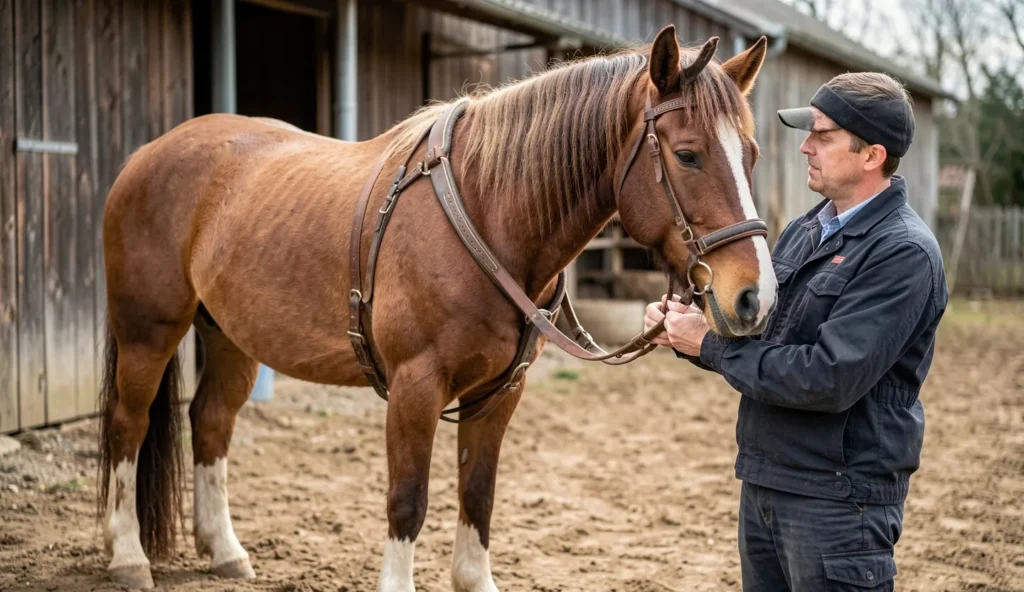
What Is A Belgian Draft Horse?
The Belgian draft horse is a heavy draft breed known for steady strength and an easygoing nature. Originating in Belgium, it developed for farm labor where calm handling mattered as much as pulling power. Many people also seek a chestnut Belgian draft horse for driving and agricultural work because it tends to stay cooperative during daily routines.
Belgian draft horses combine a muscular build with predictable behavior. Because the breed was selected for work and management in the field, training goals often focus on consistency rather than forcing control. That practical foundation still supports modern Belgian uses like driving, logging support, and routine farm tasks.
Origin In Belgium And Brief Belgian Horse History
Belgian draft horses originate in Belgium and were built for farm labor and pulling tasks. Over time, breeders emphasized strength for traction while maintaining a calm working temperament. As farms changed, many Belgian horses transitioned into driving programs and specialty work where steady pulling remains valuable.
Modern Belgian horse history reflects a shift toward recreational and sport driving as well as agricultural demand. Even with those changes, the breed’s core traits remain stable: strong draft conformation plus a manageable temperament for handlers. For horse owners comparing draft types, it can help to review other draft options such as the Percheron horse and compare how each breed performs in daily work.
Key Traits That Make The Belgian Draft Horse Stand Out
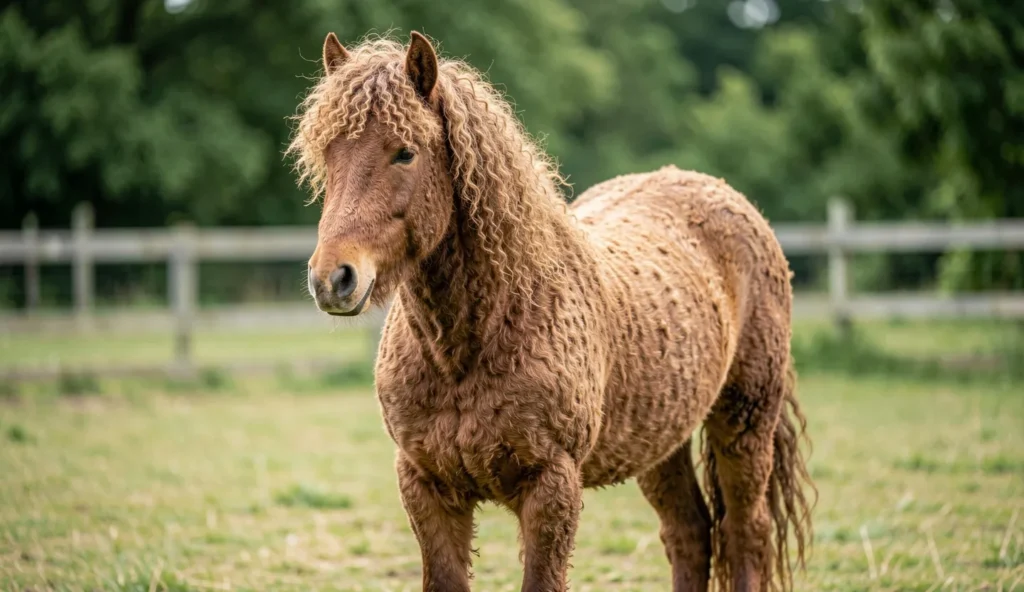
A typical Belgian draft horse often shows chestnut coloring and a heavy, well-muscled draft build. Many horses display a stable demeanor that supports routine farm handling and safe tack fitting. This Belgian temperament matters because draft horses spend long periods near the handler during harnessing and driving.
In addition, the breed’s strong pull and steady movement suit both traditional draft work and modern carriage driving. Instead of quick bursts, the focus usually stays on consistent effort at a manageable pace. That makes the breed attractive to people planning Belgian care around predictable routines.
Appearance And Physical Features To Expect
Belgian draft horses look powerful from a distance and solid up close. Their body design supports steady breathing and traction during slow, sustained work. Chestnut Belgian draft horse coat patterns often stand out, especially when thick hair and draft markings catch the light.
Because this is a heavy draft type, conformation affects comfort and performance. With the right management, many horses remain usable for driving and farm labor for years. However, owners should still learn how build details link to workload and grooming.
Coat Color And Common Markings
Chestnut coloring is common and often described as the signature look for Belgian draft horses. Some horses show lighter or darker variations within chestnut tones, which can appear as rich reds or warmer browns. Markings vary by individual and by breeding lines, so no two horses look exactly the same.
Beyond color, coat texture matters for routine maintenance. Regular brushing supports skin health and helps owners spot early issues like irritation or insect-related discomfort. When Belgian care focuses on coat checks, grooming becomes a quick health screen as well.
Body Size, Conformation, And Draft Build
A deep chest supports strong breathing during steady pulls. Well developed shoulders and hindquarters help generate power and support the push and pull needed for draft tasks. Heavy bone and sturdy legs also help the horse handle the physical demands of work.
Conformation also affects how much effort the horse uses at each step. When the build fits the workload, the horse can move more efficiently and stay comfortable. If conformation issues appear, consistent conditioning and careful harness fit become even more important for Belgian uses.
Head, Mane, And Tail Characteristics
Belgian draft horses often have a broad head and expressive eyes that reflect calm, alert awareness. Thick manes and tails are typical in many draft lines, and this hair can create extra grooming needs. Longer natural hair also means dirt can collect during turnout, so brushing time needs to stay consistent.
Tail and mane care also supports safe tack handling. When hair clumps around tack areas, it can increase friction and discomfort during work. With steady grooming routines, owners often reduce the risk of skin irritation and improve overall comfort.
Belgian Temperament And Handling Style
The Belgian draft horse is often described as easygoing, which helps owners manage daily tasks and training steps. Belgian temperament tends to support routine handling like leading, grooming, and tack fitting. That stability can make grounding easier for both farm work and driving preparation.
At the same time, temperament does not remove safety needs. Draft horses still weigh a lot and move with strength, so handlers must use calm mechanics and respectful distance. For owners comparing workable traits across breeds, the high training intensity of a working dog like the Belgian Malinois Dog can highlight how discipline needs differ across species and work types.
Belgian Temperament With People And Other Horses
Many Belgian draft horses show an easygoing nature that fits regular farm routines. During basic handling, many horses remain calm when grooming and tack introduction happens slowly. Even so, each horse has its own comfort level and social patterns.
Belgian care still includes managing space and avoiding crowded encounters. Some horses stay relaxed in stalls and paddocks, while others prefer a bit more distance during feeding. When handlers observe body language, they can adjust handling style without escalating stress.
What Calm Temperament Means For Training And Driving
A steady temperament can make groundwork simpler because the horse stays receptive during repeat sessions. Consistent handling also helps the horse trust the process for driving practice. Gentle, repeatable cues often lead to quicker learning than forceful corrections.
Because draft work requires long periods of focus, calm behavior can improve training consistency. Owners usually see better responses when the routine stays predictable and sessions remain short. That approach supports Belgian care by reducing stress and supporting steady progress.
Common Behavioral Considerations For Owners
Large size changes how safety works in close quarters. Handlers should use patient, predictable movement when attaching tack and when guiding the horse through gates or trailers. In noisy areas, some horses may show sensitivity, which means desensitization should happen early.
Boredom can also affect behavior, even in docile types. When turnout, routine feeding schedules, and light movement stay consistent, restlessness often reduces. If the horse shows repeated signs of tension, adjusting management usually improves the training environment.
Exercise Requirements For Power And Joint Health
Exercise helps the Belgian draft horse maintain mobility, strength, and comfort. Because heavy work loads joints, tendons, and ligaments, conditioning should start gradually and build steadily. Owners often plan Belgian care around turnout time plus structured work sessions for driving or farm tasks.
The goal is not only fitness but also soundness. With proper warmup and steady progression, many horses avoid sudden strain. However, overworking without rest can still create issues, even when the temperament remains easy.
Daily Movement Needs And Turnout
Regular turnout helps maintain mobility and reduces stiffness that can build during long stall periods. Daily movement supports circulation and joint comfort, especially for draft horses used in seasonal work. Space planning should match workload level, because crowded turnout can increase minor injuries.
Owners can support comfort with gentle walk sessions between heavier work days. That movement does not replace conditioning, but it reduces stiffness and supports recovery. When movement stays consistent, horses also handle harness and driving practice more smoothly.
Draft Work And Driving Conditioning Plan
Conditioning often begins with short sessions and increases slowly over weeks. Work planning can alternate heavier tasks with light activity to support recovery. Warmup time also matters because pulling and driving require coordinated steps that come easier after muscles loosen.
For many horses, progression looks like this pattern: teach basics, condition for straight work, then add controlled turns and longer duration. Owners should monitor gait smoothness and check for early signs of fatigue. When discomfort shows up, reducing session length usually protects joints.
Safe Introduction To Harness And Work
Harness introduction should happen in gradual steps with low pressure and clear routines. Owners should check fit carefully to avoid rubbing, pinching, or pressure points. During first sessions, calm repetition helps the horse accept the feel of straps and movement.
Consistent handling also matters during early harness work. If tack is adjusted quickly and predictably, the horse often stays relaxed and less reactive. Over time, that steadiness supports both Belgian uses and safer driving sessions.
Training Methods For Driving And Farm Work
Training a Belgian draft horse for driving and farm work should focus on safety, consistency, and calm response. Because the breed often shows an easygoing nature, training goals usually emphasize clear cues rather than repeated corrections. When groundwork gets done thoroughly, the horse can progress to driving with fewer surprises.
Belgian uses require good behavior at close range, especially when the horse takes turns, stands in traffic space, or responds to rein signals. Owners who teach the horse step by step often create smoother sessions and reduce stress. For additional context on how different horse types get conditioned, many owners also compare approaches used in a Warmblood horse program.
Groundwork Basics For A Calm Response
Groundwork often starts with leading, stopping, and backing with clear, consistent cues. Quiet stands support grooming and tack fitting, which helps the horse learn that stillness brings routine care. Rewarding calm behavior reinforces the Belgian temperament and reduces friction during later training.
Handlers should practice in the same location when possible, because familiar surroundings lower stress. If the horse shows tension, stopping and returning to a simpler task usually helps. Over time, calm responses create a predictable driving foundation.
Desensitization To Harness Equipment And Noise
Desensitization should occur in small steps, using a calm pace and controlled exposure. Equipment can be introduced before full harnessing, starting with parts that contact less sensitive areas. Common farm sounds can be handled during non-work days so the horse does not associate noise only with pressure.
Pairing new experiences with routine care often reduces stress. For example, introducing tack while feeding or grooming can create a positive pattern. This approach also supports Belgian care because stress-related behavior decreases when routines stay stable.
Driving Fundamentals For Beginners
Driving basics often include direction cues and steady rein handling in a safe, controlled environment. Early sessions should focus on straight lines, gradual turns, and consistent speed control. Owners can use enclosed spaces and low traffic areas until the horse responds clearly to rein and voice cues.
First hitching sessions should include an experienced trainer when available. Harnessing a draft horse requires correct alignment and safe positioning, and a trainer can help spot fit issues quickly. With careful guidance, driving practice can become safer for both horse and handler.
Behavior Management During Learning Stages
Training should pause when tension increases and then resume after a short break. Rushing steps often creates resistance or confusion, which can slow progress. Sessions also should stay short enough for steady learning rather than long enough for boredom.
When the horse learns that calm behavior gets attention, training often improves. Owners should keep cues consistent across handlers to prevent mixed signals. Over time, that consistency strengthens the calm, cooperative response that Belgian horses often show.
Grooming, Care Tips, And Day To Day Management
Grooming and daily management support the Belgian draft horse’s comfort and work readiness. Draft hair can collect dust and mud, while heavy work can challenge hooves and skin. A structured routine makes Belgian care easier and helps owners catch problems early.
Day to day management also supports temperament. When routines stay predictable, the horse spends less time stressed and more time ready to work. For breed comparisons that affect grooming schedules, owners sometimes look at long-haired draft types such as the Friesian Horse.
Coat Care Mane And Tail Routine
Brush regularly to remove dirt and support skin health, especially after turnout or harness work. Detangle mane and tail gently to prevent breakage and uncomfortable pulling. During grooming, owners should check for irritation, dry patches, or signs of parasites.
If the mane and tail show heavy tangles, patience matters. Using light sectioning and slow work reduces tugging and lowers the chance of skin sensitivity. This routine supports Belgian temperament because calm grooming reduces stress for both horse and handler.
Hoof Care And Common Draft Foot Needs
Hoof care usually includes regular farrier visits based on growth rate and workload demands. Keeping hooves clean reduces buildup and odor, which also helps owners spot heat or tenderness early. Draft horses used for pulling and driving can place heavy load on feet, so routine trims matter.
Owners should inspect hooves for changes in gait after work. If steps become uneven or the horse appears unwilling to move, checking with the farrier and vet can prevent worsening issues. Sound hooves protect the horse’s ability to perform safely.
Stable Setup Water And Bedding Tips
Provide dry, well ventilated shelter for comfort year round. Use bedding that supports clean footing and makes stall cleaning manageable. Because draft horses track in debris after work, maintaining a clean, dry stall reduces skin and foot problems.
Fresh water should stay available at all times. Dehydration affects digestion and recovery, especially during driving sessions and seasonal pulls. Consistent water access also helps appetite stay steady when workload changes.
Health Checks Owners Can Do Between Vet Visits
Between vet visits, owners can monitor appetite, manure consistency, and hydration signs. Checking eyes, gums, and coat condition provides a baseline view of overall health. After driving or pulling, owners should watch for early stiffness or changes in movement.
Even in docile types, behavior changes can signal discomfort. Reduced interest in feed, unusual shifting, or reluctance to stand can point to pain. When those signs appear, owners should avoid waiting long periods before seeking guidance.
Diet And Nutrition For A Draft Horse Workload
Diet affects energy, weight management, and steady work output for the Belgian draft horse. Most owners build Belgian care around high quality forage as the main energy source. Concentrates then fill gaps based on workload, body condition, and digestion tolerance.
Because draft horses can gain or lose weight based on workload changes, feeding needs monitoring. Work seasons and driving schedules often require gradual diet adjustments to avoid digestive upset. When diet shifts get planned, the horse can stay strong without becoming overly heavy.
Feeding Basics For Belgian Care
Start with quality forage like hay or pasture and then add appropriate concentrates only as needed. Feed amounts should match work level and body condition score, which reduces unnecessary weight gain. Larger meals can increase digestive upset risk, so dividing feed can help maintain comfort.
Owners also should keep feeding routines consistent in timing and portion sizes. Consistency helps gut bacteria stabilize, which supports steady stool patterns. When feeding changes become necessary, gradual adjustments over several days often work best.
Forage Types And How To Choose
Choose forage that is clean, dry, and free from mold to protect digestion and reduce respiratory irritation. Hay quality affects energy intake, and that energy influences driving stamina. When switching forage types, changes should happen gradually to avoid abrupt digestive effects.
Forage also supports chewing time and saliva production, which helps digestion. If hay quality fluctuates due to season or supplier differences, tracking body condition and manure can guide feed adjustments. That monitoring improves nutrition outcomes during Belgian uses.
Vitamins Minerals And Supplements
Supplements should typically be used only when needed based on forage testing and diet balance. Balanced minerals support bone health and normal metabolism, especially during growth and heavy workload periods. Over supplementing can cause imbalances, so measuring and guidance matter.
If a supplement plan is required, owners should match it to the horse’s actual ration. Working with a vet or equine nutrition specialist can clarify which products help and which are unnecessary. This approach supports stable Belgian care across different seasons.
Working Horses During Driving Or Seasonal Demands
When workload increases, intake should rise gradually while still matching forage quality. Provide steady energy that matches conditioning and pulling intensity rather than sudden high calories. During seasonal changes, monitoring body weight helps keep the horse in an appropriate condition range.
Owners often track weight using a weigh tape or visual body condition scoring. If weight drifts quickly, adjusting concentrate levels can help. Careful nutrition planning supports both stamina and recovery after work.
Common Health Issues In Belgian Draft Horses
Belgian draft horses can face health issues that relate to heavy work and body weight. Owners should pay attention to musculoskeletal comfort, digestion patterns, and skin condition. Early detection supports better outcomes because many problems worsen when ignored.
Belgian care works best when owners keep consistent routines and monitor changes daily. Draft horses can appear calm even while uncomfortable, so routine observation becomes essential. If signs persist, calling a veterinarian protects both safety and performance.
Musculoskeletal Problems And Draft Work Stress
Heavy pulling can stress joints, tendons, and ligaments, especially when conditioning happens too fast. Gradual conditioning reduces strain and helps tissues adapt to workload. Owners should watch for stiffness, uneven steps, and reduced comfort after work sessions.
When changes appear, adjusting workload length and intensity can help. Cold or heat therapies may be used based on vet guidance, and farrier alignment can also matter. Sound movement supports safer harnessing and more comfortable driving.
Skin Issues Parasites And Seasonal Irritants
Draft horses can develop skin irritation from moisture, manure contact, and seasonal insects. Managing bedding cleanliness and keeping tack areas dry reduces risk. Owners should also follow local parasite control recommendations, often supported by fecal testing where available.
Early treatment helps when itching, patches, or crusting appear. Regular grooming and coat checks also help detect problems before they spread. If weather changes lead to persistent irritation, vet input can refine care plans.
Digestive Health And Weight Management
Digestive health depends on consistent forage quality and slow diet changes. When the horse receives sudden concentrate increases or forage swaps, stool consistency can change quickly. Owners should also balance calories to keep the horse neither overweight nor too thin.
Forage quality affects digestion, hydration, and nutrient intake. A ration that supports stable stool patterns often also supports better driving stamina. When digestion issues appear, reviewing feeding routine usually clarifies the cause.
When To Call A Veterinarian
Contact a veterinarian for lameness, fever, or sudden appetite changes. Persistent swelling, abnormal behavior, or repeated refusal to move should not be managed only at home. Vet guidance also helps establish a prevention plan matched to the local area and management style.
Owners can improve the success of veterinary visits by tracking observations. Notes on onset time, workload changes, and grooming or tack issues provide useful context. Fast action reduces time spent compensating for discomfort.
Is A Belgian Draft Horse Right For You
The Belgian draft horse can match many farm and driving situations, especially where steady strength and manageable handling matter. Choosing the right fit depends on workload, housing, and the ability to maintain consistent Belgian care. Many owners find the breed practical for tasks that require predictable responses around people and equipment.
However, heavy draft ownership still requires planning. Space, safe footing, routine farrier care, and consistent feed quality all influence long-term success. When those factors align, the horse often supports both farm labor and driving activities.
Ideal Owner Situation For Belgian Uses
Belgian draft horses often fit farmers, driving enthusiasts, and work focused programs. Calm temperament supports manageable day to day routines such as grooming, tack fitting, and leading to work areas. Strong pull supports tasks needing steady draft power rather than fast movement.
If the goal includes driving, training time should also be scheduled. A calm horse still needs proper instruction for harness acceptance and direction cues. With consistent practice, Belgian uses often expand from farm work to carriage and driving programs.
Housing And Budget Considerations For Belgian Care
Draft horses need adequate space for safe movement and routine handling. Housing should include secure gates, safe footing, and a workable area for harnessing. Belgian draft horses also require regular farrier support, which can become a recurring cost during high workload periods.
Feed quality and storage also shape budget needs. If hay quality drops, concentrate levels and diet adjustments may change, affecting total costs. Training costs can increase for first time driving experience, especially when an experienced coach is required.
Quick Checklist Before Committing
Before committing to a Belgian draft horse, owners can use a practical checklist that covers nutrition, soundness, and training readiness. When each item gets planned, the horse transitions into work more smoothly.
- Secure consistent forage supply and check hay quality regularly.
- Schedule farrier visits based on workload needs and growth rate.
- Plan conditioning time before heavy driving or pulling tasks.
- Arrange safe harness training with correct equipment fit.
- Budget for grooming supplies, bedding, and routine health checks.
These steps support a stable environment for a Belgian draft horse and help maintain the easygoing working style that makes the breed valued.
Frequently Asked Questions
How Much Exercise Does A Belgian Draft Horse Need Each Day?
Provide regular movement through turnout or daily walks and keep work sessions gradual. Build conditioning based on fitness, workload, and comfort checks after work.
What Is The Typical Belgian Temperament For Handling And Driving?
Many Belgian draft horses are described as calm and easygoing during routine handling. Consistent, gentle training helps maintain steady driving behavior over time.
What Do Belgian Draft Horses Eat For Farm Work?
Base the diet on quality forage like hay or pasture as the main energy source. Add concentrates only as needed for workload and body condition.
How Often Should Hooves Be Trimmed For A Belgian Draft Horse?
Schedule farrier visits based on growth and workload demands. Regular trims support soundness for driving and pulling activities.
Are Belgian Draft Horses Good For Beginner Owners?
The calm temperament can help beginners with handling basics like grooming and leading. Driving and heavy work still require training and safe supervision from experienced guidance.
What Health Problems Should Be Watched For In Draft Horses?
Monitor joints and tendons and watch for stiffness, uneven steps, or lameness. Also track digestion and skin changes and seek veterinary help when issues persist.
A Steady Draft Horse Planning Approach Keeps Work Safe
With consistent Belgian care, the Belgian draft horse can support farm tasks and driving programs through predictable strength and cooperative handling. Careful conditioning, correct tack fit, and balanced nutrition keep the breed comfortable and ready for work.