What Is A Tibetan Mastiff?
The Tibetan Mastiff breed is a large, ancient livestock guardian dog from the Himalayan region. This breed evolved to protect property and animals in cold, remote climates. Many people look for a guardian dog because of its calm presence and strong watchfulness.
Traditional accounts describe the dog as independent and reliable when left to do a job. That history helps explain why the Tibetan Mastiff temperament often includes steady guarding instincts rather than constant affection on command.
Origin And Traditional Role
The Tibetan Mastiff originated in Tibet and surrounding Himalayan areas. Traditional roles centered on guarding homes, livestock, and travel routes. The long coat and strong body suited cold weather and rugged terrain.
Because the job relied on daily vigilance, the breed developed an ability to assess situations on its own. That independence can look like stubbornness to inexperienced owners, yet it reflects a practical guardian style.
Recognized Type And Size Range
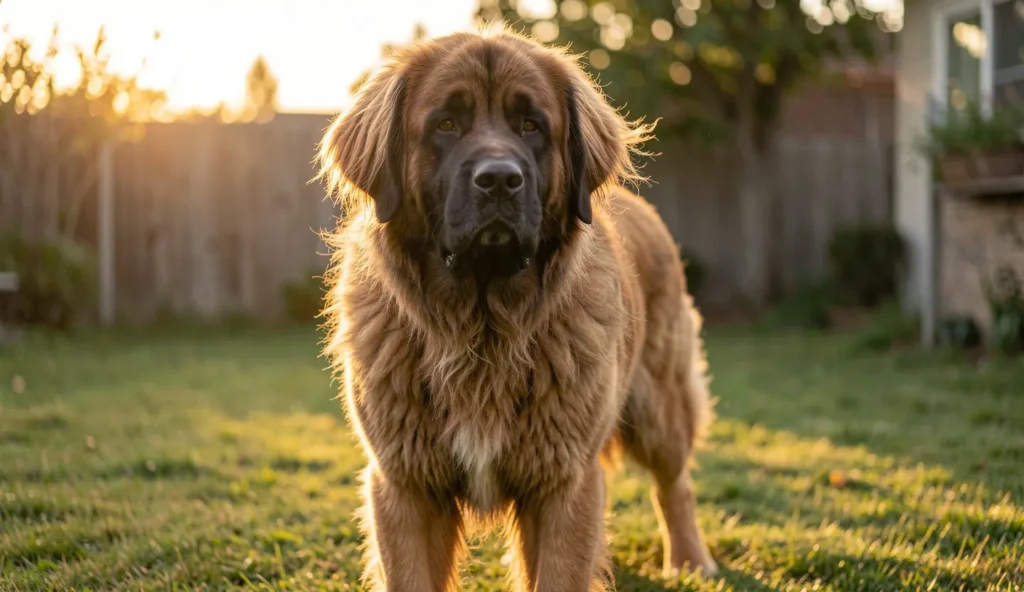
The Tibetan Mastiff is a rare large breed with heavy bone and a powerful, grounded stance. Males are typically taller and heavier than females, and both sexes often carry a mane-like coat. Breed appearance commonly includes a thick neck, broad head, and dense outer coat volume.
Exact size varies by line and region, so expectations should focus on overall balance and maturity. A healthy adult should move with stability rather than show awkwardness.
Myth About The Alien Dog Story
Many viral claims describe the Tibetan Mastiff as an alien dog myth, but no credible evidence supports that idea. The most consistent explanations point to real genetics, selective breeding, and a distinctive face and coat structure.
In practice, the breed fits the role of a known livestock guardian dog. Its appearance can look unusual to some viewers, especially in photos with dramatic lighting and coat density.
For readers comparing other rare guardian styles, learning about breeds with long histories can help. For example, the Tibetan Mastiff Dog profile provides additional background on how appearance and role connect in modern lines.
Appearance And Physical Features
Appearance defines much of the Tibetan Mastiff breed appeal. The thick double coat, broad head, and mane-like neck create a strong silhouette from a distance. Owners with experience and space often prefer dogs that look as imposing as they are functional.
At the same time, the coat and structure influence care needs, especially grooming and shedding management. Understanding features in advance prevents surprises during peak shedding seasons.
Coat Types And Common Colors
The Tibetan Mastiff coat usually includes a dense outer layer and a soft undercoat. Together they form a double coat designed for insulation and protection. Coat color often includes black, brown, gold, and combinations with tan markings.
Tan markings may appear on the face, legs, and chest, adding definition to the head. The thick fur can hide lighter base tones, so color can look different as the coat changes by season.
Head, Eyes, And Coat Around The Neck
The head often looks broad, with a steady, watchful expression. Dark eyes typically show calm attention rather than frantic energy. The coat around the neck can create a mane-like effect that frames the face.
Because the fur is dense, facial grooming matters. Matting under the jaw can pull skin and reduce comfort during warm weather.
Build And Movement
The Tibetan Mastiff has a muscular frame with heavy bone. The gait usually looks balanced and grounded, designed for standing watch and slow patrolling. Fast sprinting is not the goal, so movement should remain controlled.
When joints feel stressed, gait changes may show as stiffness. Any sudden movement limitation should trigger a vet check, especially in large breeds.
Tibetan Mastiff Shedding Expectations
Tibetan Mastiff shedding happens year-round and often becomes heavier during seasonal transitions. The undercoat needs removal through regular combing, especially in spring and fall. Compared with short-haired large breeds, the coat volume makes daily shedding more noticeable.
With consistent grooming, loose hair stays in the brush instead of on floors and furniture. Without grooming, hair can spread quickly across clothing and bedding.
- Expect shedding year-round and heavier seasonal shedding
- Plan deeper brushing during undercoat blow cycles
- Use a comb to reach dense undercoat layers
- Remove mats early to prevent skin irritation
Some owners compare shedding between guardian types before committing. For broader context on low and high shedding traits, browsing Exotic Dog Breeds can show how coat density varies across less common large dogs.
Tibetan Mastiff Temperament And Personality
The Tibetan Mastiff temperament often reflects its guardian job. Many dogs remain calm in familiar settings but stay alert to changing conditions. That combination makes the breed attractive for owners who can manage a protective dog without constant supervision.
At the same time, temperament depends on socialization, training consistency, and day-to-day management. These factors matter more than luck because the dog learns patterns through repeated experiences.
Guardian Instincts And Reactivity Triggers
The breed often protects home and family and may appear reserved with strangers. Without early socialization, strangers can trigger alerting behavior such as barking or controlled standoffishness. Noise, unfamiliar people, and sudden changes in routine can also increase reactivity.
Proper management reduces the chance of rehearsing guarding. Distance from triggers, leash control, and calm greetings help the dog learn a more neutral response.
For readers focused on protective behavior in family settings, guard stability varies by breed. The article Best Guard Dog Breeds for Families covers how different temperaments handle everyday contact and supervision needs.
Independence And Trainability
Independence plays a major role in how the Tibetan Mastiff breed learns. Livestock guardian dogs often think first and respond later, so quick obedience may not come naturally. Training must stay consistent and use positive reinforcement to keep motivation clear.
Short sessions typically work better than long drills. When cues become predictable, the dog can offer reliable choices instead of waiting for pressure to build.
Family Life And With Other Animals
The Tibetan Mastiff can be steady with proper introductions and structured routines. Even so, the dog may be selective with other dogs and may prefer calm, respectful interactions. Early, controlled exposure reduces conflict risk.
Because the guardian mindset can include monitoring, introductions should include a leash, quiet space, and clear exit plans. Overly intense meetings can encourage guarding behavior instead of comfortable coexistence.
Space, Routine, And Mental Needs
This breed typically benefits from a secure yard and a stable daily routine. Predictability reduces uncertainty and can support a calmer guardian dog. A calm environment also helps prevent boredom behaviors that may appear as pacing or repetitive alerting.
Mental stimulation matters for this temperament, especially when the dog has space but no job. Simple enrichment and structured training help the dog feel capable instead of restless.
Owners who want a comparison point may find it helpful to review other large working types. The guide to King Shepherd covers how independence and training style can show up across strong guardian and working breeds.
Exercise Requirements For A Rare Large Breed
Exercise for the Tibetan Mastiff breed usually stays moderate rather than high intensity. Daily walks plus secure yard time support physical health and routine comfort. For many owners, the key challenge is not energy levels, but maintaining safe movement for a large body.
Because guarding dogs may stand and observe, exercise planning should include both movement and mental tasks. That balance helps the dog stay relaxed when home time begins.
Daily Activity Targets
Most adult Tibetan Mastiffs benefit from daily walks and time to move in a secure area. Short, consistent sessions often work better than long bursts. The breed can enjoy slow patrolling, yet high-impact activity may stress joints.
During extreme weather, activity should shift toward cooler hours. Rest periods also help prevent overheating under a dense coat.
Safe Play And Enrichment Ideas
Enrichment should match a guardian mindset that prefers steady focus. Puzzle feeding and scent work encourage concentration without forcing speed. Controlled retrieval can help channel energy in a predictable way.
When temperatures run high, calm enrichment should replace long outings. A simple routine like scatter feeding and basic obedience refreshes can still support mental health.
- Use puzzle feeders to slow down meals safely
- Try scent trails in a fenced area
- Offer short obedience games with food rewards
- Provide calm chew items for downtime
Considerations For Age And Body Condition
Puppies need age-appropriate exercise to avoid overexertion during growth. Weight management matters because extra body condition increases stress on hips and elbows. Any limping, stiffness, or refusal to move should trigger a veterinary evaluation.
Exercise plans should follow the dog’s mobility and health status. With adjustments, the breed can maintain strong comfort while still staying engaged.
For owners comparing activity levels across similar sizes, reviewing Afghan kuchi Dog can help explain how large guardian traits can affect daily management.
Training A Tibetan Mastiff For Reliable Behavior
Training a Tibetan Mastiff breed requires structure, patience, and consistent expectations. Guardians may not respond to repeated commands if the dog does not see a clear reason to comply. Because independence is common, training works best when rewards remain motivating and cues stay predictable.
Protective dog training also needs management of real-world triggers. When training ignores environment, the dog rehearses guarding instead of learning alternatives.
Start Socialization Early And Often
Socialization should begin early with gradual introductions to people, sights, and sounds. Leash management helps prevent the dog from practicing fear or guarding. Neutral greetings and calm rewards reinforce the message that normal human activity remains safe.
Because the dog learns from repetition, slow exposure with a clear routine often beats forced encounters. Each session should end before stress builds.
Use Consistent Commands And Positive Reinforcement
Training benefits from a small set of clear cues used daily. Positive reinforcement such as food, praise, and controlled play can keep the dog engaged. Sessions should stay short to prevent stubborn disengagement.
Consistency matters most with large breeds that test boundaries when routines shift. If rules change frequently, the dog may decide the rules for the household.
Leash Manners And Managing Protective Behavior
Leash training should focus on loose-leash walking and quick attention checks. When triggers appear, distance management helps prevent escalation. Barriers and structured crossings may reduce stress in places like sidewalks and driveway entries.
Protective behavior can show up as stiff posture or intense staring. The best response uses calm redirection and reward placement instead of force.
Crate Training And House Rules
Crate training supports rest and prevents roaming behaviors that can trigger guarding. Boundaries around furniture, entry points, and door access reduce conflict. A routine for feeding, breaks, and bedtime makes the space feel safe and predictable.
House rules should remain consistent, especially for dogs with guardian instincts. When entry to rooms follows rules, the dog can relax without monitoring every movement.
Grooming, Care, And Shedding Control
Grooming needs define how practical ownership becomes for the Tibetan Mastiff breed. The thick double coat benefits from regular brushing and timely mat removal. Without routine care, shedding and skin issues increase, and the dog may feel uncomfortable.
Shedding control also involves cleaning habits, so owners with experience and space often plan for hair in advance. A structured grooming schedule reduces daily surprises.
Brushing Frequency For A Dense Double Coat
Brushing should occur regularly to reach the undercoat, not just the top layer. During seasonal shedding, brushing frequency often needs to increase. Mats should receive prompt removal because they can pull skin and cause irritation.
The goal is to reduce loose hair while keeping the undercoat healthy. A comb helps reach areas near the neck, armpits, and behind the ears.
- Brush regularly to reach the undercoat
- Increase grooming during seasonal shedding
- Remove mats quickly to protect skin
- Check ears and neck areas for tangles
Bathing And Drying Best Practices
Bathe as needed based on coat condition and odor rather than on a fixed schedule. Thorough drying matters because trapped moisture can affect the undercoat. Using dog-safe shampoo helps prevent dryness and irritation.
When drying, gentle attention to dense areas prevents damp spots. Owners should also ensure the coat fully dries before cold evenings.
Nail, Ear, And Teeth Care
Nail care supports comfort and stable movement in large dogs. Trimming prevents clicking and uneven wear, especially on indoor surfaces. Ear checks help catch debris, odor, or redness before problems worsen.
Teeth should receive regular brushing when possible. Even a few sessions per week can reduce buildup and support healthier gums.
House Cleaning Tips For Tibetan Mastiff Shedding
House cleaning needs to match the reality of Tibetan Mastiff shedding. Vacuuming high-traffic areas regularly reduces dust and hair accumulation. Washable covers on resting spots also make cleanup faster during heavy shedding weeks.
Keeping a dedicated grooming station supports efficiency. When tools stay accessible, grooming becomes easier to maintain.
For owners balancing coat volume across different breeds, it can help to review other large shedding patterns. The guide to Bernese Mountain Dogs explains how double coats affect grooming routines and seasonal changes.
Diet And Nutrition For A Large Guardian Dog
Diet supports the Tibetan Mastiff breed’s body structure, coat health, and energy balance. Feeding should focus on complete nutrition rather than frequent changes in ingredients. For large dogs, stable portions and steady body condition reduce stress on joints.
Nutrition planning also helps manage weight, which directly influences mobility and comfort. A guardian dog that stays healthy can maintain calm behavior more easily.
Choosing A Complete Dog Food
Choose a complete and balanced large breed formula for reliable nutrient coverage. Protein sources should appear early in ingredient lists, and the food should meet recognized nutrient standards. Selecting a product designed for large dogs supports joint and growth needs.
If switching foods, transitions should happen slowly to avoid stomach upset. Any persistent digestive change should prompt a veterinary discussion.
How To Feed By Age And Activity
Puppies need age-appropriate growth nutrition that matches controlled activity levels. Adults typically require portions based on weight and body condition rather than only age. Seasonal changes in walking and yard time can also affect how much food the dog needs.
Body condition scoring provides a practical guide, especially for owners managing a large, double-coated animal. A coat can hide weight loss or gain, so monitoring should not rely only on appearance.
Treats And Weight Management
Treats support training, yet excess treats can lead to weight gain. Using treats only during training helps keep intake predictable. Aim for steady body condition rather than rapid changes that can affect comfort.
For weight control, high-value rewards such as measured kibble can replace free-feeding snacks. That approach keeps behavior training consistent.
Food Safety And Common Feeding Mistakes
Fresh water should remain available at all times. Sudden food changes can cause digestive upset, so transitions should follow a gradual plan. Over-supplementing without veterinary guidance can also create imbalance and unnecessary risk.
When health concerns appear, such as persistent vomiting or loose stools, the underlying cause should be identified promptly.
Common Health Issues To Watch For
Large breeds such as the Tibetan Mastiff breed can develop specific health risks over time. Responsible owners monitor mobility, coat condition, and routine body comfort. Early detection generally makes treatment simpler and improves long-term outcomes.
Preventive care supports quality of life, especially when the dog carries a dense coat that can hide skin changes. Health awareness also helps protect training consistency and daily exercise comfort.
Joint And Mobility Concerns
Joint and mobility concerns can include hip and elbow problems common in large breeds. Healthy weight reduces stress on joints, and appropriate exercise keeps muscles supportive. Owners should watch for limping, stiffness after resting, or reduced activity during normal routines.
If movement changes appear suddenly, rest alone should not replace veterinary assessment. Imaging and exam findings guide safe next steps.
Coat And Skin Problems
The double coat can trap moisture and debris, especially when the dog rolls in grass or mud. Mats can pull skin and lead to irritation, making the dog less comfortable during brushing. Itching, odor, or flaky skin may signal infection or an underlying skin condition.
Keeping the coat clean and dry reduces problems. Prompt grooming after outdoor exposure also helps prevent trapped moisture from staying long.
Eye, Dental, And Heart Screening
Regular eye checks can help detect early problems before they affect daily comfort. Dental care reduces pain and supports overall health, since oral inflammation can contribute to other conditions. Heart screening may be appropriate depending on age, symptoms, and family history.
Veterinary guidance helps match screening frequency to local risk factors. For a rare large breed, proactive checks can prevent unnoticed declines.
Preventive Care Schedule
A preventive care schedule should include vaccinations based on local guidance and risk level. Parasite prevention for fleas, ticks, and worms helps protect skin and overall health. Routine wellness exams offer a chance to discuss genetic testing and family history when appropriate.
Tracking weight, mobility, and coat changes between visits makes appointments more useful. It also helps identify patterns that may not show during a single exam.
Is A Tibetan Mastiff Right For You?
The Tibetan Mastiff breed fits best with owners who can manage a guardian dog calmly and consistently. Space and secure boundaries matter because the dog may prefer to observe and patrol. Training requires time, and grooming requires planned effort due to Tibetan Mastiff shedding.
For experienced owners with space, the reward often comes from stable behavior in a household with clear rules. For others, the care workload can feel heavy even when the dog remains well-mannered.
Good Fit Conditions
A good fit includes experienced owners comfortable with guarding instincts and independent temperament. A home with space and secure fencing supports safer routine management. Time for grooming and daily structure improves temperament stability and reduces stress.
Mental stimulation should also be part of everyday life. When enrichment remains consistent, the dog tends to settle more effectively inside the home.
Harder Fit Conditions
Harder fit conditions include homes with limited space or weak boundary control. Owners seeking low-shedding breeds usually struggle with this dog because shedding remains year-round. Households without time for daily routine management may face boredom and more frequent alerting behavior.
In apartments or areas with unreliable yard access, the guardian style can become challenging. That does not mean the dog cannot adapt, but it increases daily management demands.
Preparing For Coat Care And Shedding
Coat care planning should include seasonal grooming changes and tool readiness. Budgeting for grooming supplies and possible professional help can reduce stress during heavy shedding. Cleaning routines should assume noticeable hair even with active brushing.
When owners prepare for shedding and commit to consistent grooming, comfort tends to improve quickly. That preparation also helps the dog feel better during handling.
Some people compare guardian breeds before deciding on an exact match. For another large, ancient-style option, the Ridgeback Dog guide can help explain how temperament and exercise planning differ across breeds that also need structured care.
Frequently Asked Questions
How Much Does A Tibetan Mastiff Shed?
Expect year-round shedding with heavier seasonal shedding. Regular brushing helps reduce loose undercoat and hair accumulation.
Are Tibetan Mastiffs Good For First Time Owners?
They suit experienced owners who can manage guarding instincts and independent decisions. Early training and socialization should start from the beginning.
Do Tibetan Mastiffs Need A Lot Of Exercise?
They typically need moderate daily walks plus secure yard time for movement. Mental enrichment supports calm behavior and reduces boredom.
How Should A Tibetan Mastiff Be Trained And Socialized?
Training should use consistent reward-based cues and short sessions. New people and situations should be introduced gradually while the dog stays controlled on a leash.
What Are Common Health Problems In The Tibetan Mastiff?
Large breed risks include joint issues such as hip and elbow problems. Coat and skin problems can also occur due to thick double coat moisture and mat risk.
Is The Alien Dog Myth About Tibetan Mastiffs True?
No credible evidence supports the alien dog story. The breed’s appearance comes from real ancestry, real genetics, and selective breeding over time.
Final Note On Owning This Ancient Guardian
The Tibetan Mastiff breed requires structured care, predictable routines, and real grooming time. With preparation for shedding, training, and space, this ancient guardian can fit well into the right home.