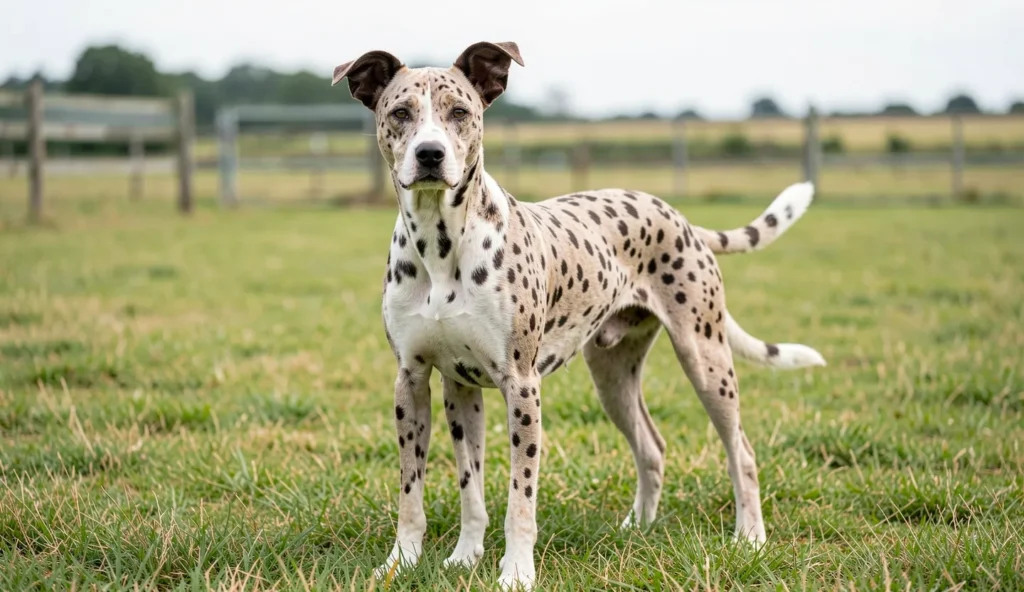
What Is a Catahoula Leopard Dog
The Catahoula Leopard Dog is a working breed developed in the United States, especially tied to Louisiana history and ranch life. This breed stands out for a high energy work drive and a striking leopard merle coat pattern. Many active families and ranchers choose one because it can earn its keep through daily tasks and focused play.
Breed Origins And Why It Is Known In The South
The Catahoula Leopard Dog traces back to Louisiana, where people valued dogs that could work livestock and help manage game. The name is linked to Catahoula Parish, a region known for working dogs and practical farm use.
Over time, the breed earned a strong reputation across the South. It is often described as the Louisiana state dog because it became closely associated with local working culture. Many herding and tracking duties helped shape its Catahoula temperament.
Because it developed for real job work, the breed usually needs purpose rather than only casual companionship. That background is why working routines matter so much for this dog.
Key Traits At A Glance
At a glance, the Catahoula Leopard Dog is an athletic and alert working dog breed with strong motivation. It often shows a watchful attitude and it tends to stay engaged with what happens around it.
Its leopard merle coat and mottled coloring make each dog look unique. Some individuals also show distinct face markings that add to the expressive look.
Daily structure helps because the breed typically learns best with consistent routines. When training stays steady, the dog usually becomes easier to manage in real home life.
What Makes This Breed Different
The Catahoula Leopard Dog coat pattern can vary widely within the leopard merle spectrum. Two dogs can share the same general mottled style yet still look different in patch size and color intensity.
Temperament also sets expectations. Many dogs remain independent, but they can become reliable partners when owners provide clear tasks and consistent boundaries.
Finally, this breed often prefers meaningful physical activity. Short walks usually do not satisfy it for long, so exercise planning becomes a core part of ownership.
Appearance And The Leopard Merle Coat Patterns
Appearance in the Catahoula Leopard Dog ranges from athletic medium build to distinct facial details. Most people first notice the leopard merle coat, but body balance and eye expression also provide important health clues. When choosing a dog, it helps to understand what normal features look like.
Size, Build, And Movement
Most Catahoula Leopard Dogs have a medium to athletic build designed for endurance. Muscle and balance usually match the breed’s job history, with a frame built for long days of movement.
Movement often looks efficient rather than flashy. A steady gait supports working long distances, and good stride helps reduce fatigue during exercise.
Healthy condition typically shows through stable posture. The dog should not show signs of pain when it walks or when it turns.
Coat Types And What Leopard Merle Means
The breed commonly has a short coat with a dense feel. It often sheds in patterns that can shift by season and climate, so regular brushing matters even if hair stays short.
Leopard merle usually refers to mottled base coloring with patching patterns. Color combinations can include blue, red, or brown tones, and the pattern intensity can vary from subtle to bold.
Because merle patterning can overlap with other color expressions, it helps to view photos as an estimate rather than a guarantee. True variation appears when the coat fully develops.
Eye Color And Face Markings
Eye color may be brown, blue, or mixed, and that variation can contribute to the breed’s alert expression. Face markings often include masks or spotting that make the features stand out.
These visual traits often go with an intent stare. The eyes should look clear, and the dog should not show signs of discharge or discomfort.
If watery eyes or redness appear repeatedly, a veterinary check becomes necessary. Coat and eye observations often connect to overall health.
Temperament Reflected In Body Language
Body language can reveal whether a Catahoula Leopard Dog is comfortable or under stress. Healthy dogs tend to show confident posture without constant tension or fear.
When a dog stays overly withdrawn, it can signal stress or illness. Active stance usually appears when the dog expects to work or engage.
Owners can use this information for handling. Calm body language often makes training easier and reduces conflict during introductions.
Red Flags When Choosing A Dog
Extreme aggression, persistent fear, or uncontrolled reactivity can be serious red flags. A breeder or rescue should help explain the dog’s background and provide health details.
While coat patterns are beautiful, they should not replace health checks. Request health records, observe skin condition, and confirm the dog looks clean and well cared for.
Also watch for poor energy levels or severe weight issues. Condition changes can point to problems that need attention before training begins.
Catahoula Temperament And Personality
Catahoula temperament typically combines loyalty with a strong work drive. This blend can look ideal for active households, but it also means boredom can quickly turn into problem behaviors. Understanding personality helps owners shape daily routines and training plans.
Energy Level And Work Drive
The Catahoula Leopard Dog often fits into working dog breeds because it stays motivated and ready to act. Many dogs thrive when given regular tasks and purposeful exercise.
Without enough activity, the dog may dig, herd, or bark persistently. These actions often serve as outlets, not “bad behavior” without a cause.
For families and ranchers, activity planning often becomes as important as feeding. The more predictable the schedule, the easier the dog usually becomes to manage.
Social Behavior With People And Families
Many Catahoula Leopard Dogs show loyalty and protective instincts with consistent handling. With training, the dog often learns to remain calm during daily home life.
Strangers can bring reservation, especially when socialization stays limited. Owners can reduce tension by pairing new people with rewards and calm exposure.
Routine and structure usually improve behavior. Families that provide predictable attention and training often see better results.
Behavior With Other Dogs And Animals
Strong prey drive or herding behaviors can appear because of the breed’s working instincts. Early socialization helps, but it does not guarantee comfort in every situation.
Supervised introductions and controlled management reduce risk. Off-leash freedom should happen only in safe environments where recall works reliably.
For ranch settings, the dog may integrate best with clear boundaries. Training should address impulse control around livestock and other animals.
Independence And Trainability
The Catahoula Leopard Dog can be independent and strong willed. That independence can make training slower if rules stay unclear or rewards remain inconsistent.
Engaging training and consistent reinforcement usually produce stronger outcomes. Quick learning often appears when the dog understands what earns attention and release from tasks.
Owners should plan short, focused sessions rather than long repetitions. Many dogs prefer variety that keeps their mind active.
Ideal Home Environment
This breed usually fits best in homes with space and reliable daily activity. An active property such as a ranch, farm, or fenced yard can support exercise needs and work-style games.
High drive also requires time for training. Households with daily structured routines typically manage the dog more easily than those with irregular schedules.
Limited exercise options often lead to frustration. If a family cannot meet consistent activity, this breed usually becomes harder to live with.
Exercise Requirements For A Catahoula Leopard Dog
Catahoula exercise needs are high and they include both physical activity and mental work. A working routine can help prevent overstimulation and destructive habits. When exercise matches the dog’s motivation, the home environment usually feels calmer.
How Much Daily Exercise It Needs
Most Catahoula Leopard Dogs benefit from multiple active sessions each day. Young dogs or very high drive individuals may need additional opportunities for structured play.
Mental work counts alongside physical activity. Training sessions, scent games, and impulse control exercises often reduce restlessness.
Exercise plans should match the dog’s age, fitness, and body condition. If the dog stays tired but still restless indoors, mental enrichment often needs adjustment.
Best Types Of Exercise For Working Drive
Fetch and retrieval can work well when releases stay structured. A reliable “out” or “give” cue helps prevent resource guarding or rough play during retrieval.
Hiking and running alongside a bike can help, but conditioning matters. Gradual conditioning reduces joint strain and supports safe endurance growth.
Structured play with boundaries helps prevent overstimulation. Off-leash time should happen only in controlled spaces with strong recall.
Some owners also compare goals with other breeds such as the Belgian Malinois Dog to understand how working drive can shape exercise planning. The key idea stays the same, consistent outlets prevent behavior problems.
Mental Stimulation That Prevents Boredom
Scent games often tire the mind without heavy physical impact. “Find it” using treats or favorite toys can build focus and reduce impulsive behavior.
Simple agility basics like weave poles and tunnels provide both challenge and safe movement. Many dogs enjoy obstacles when sessions stay short and success stays achievable.
Training itself serves as enrichment when commands include impulse control. A calm “wait” before a reward teaches restraint and improves daily manners.
Common Exercise Mistakes
Under-exercising usually leads to problem behaviors rather than calmness. If digging or herding starts, the first step is often to increase structured activity.
Overexercising unconditioned puppies can cause strain. Puppies need lower impact games and rest breaks that support healthy growth.
Skipping training can also create issues. Without practice, the dog may struggle to follow rules when excitement peaks, which can increase frustration.
How To Tell If The Activity Level Is Right
Good signs include a calmer indoor state and focus during training sessions. When the dog can settle after exercise, the activity level often fits current needs.
Restlessness that starts quickly after rest can signal inadequate enrichment. In that case, adding mental games often improves outcomes faster than adding more running.
Excessive fatigue can suggest too much intensity too soon. Owners should adjust volume if the dog shows limping, reluctance, or unusual stiffness.
Training A Catahoula Leopard Dog From Puppy To Adult
Training a Catahoula Leopard Dog works best with clear structure and consistent reinforcement. Because the dog can show independence, training should feel predictable rather than confusing. A plan that covers socialization, obedience, and impulse control helps the breed fit family life.
Socialization Priorities And Timing
Socialization works best when it starts early and stays positive. Short sessions help the dog learn that new sights and sounds bring rewards rather than stress.
Exposing the dog to people, noises, surfaces, and calm dogs helps expand comfort. Rewards should pair new experiences with calm behavior so the dog learns safe reactions.
For long-term success, socialization should continue after puppyhood. Many dogs improve when exposure remains gradual and manageable.
Obedience Basics That Matter Most
Recall should start with high-value rewards and controlled distance. Distance can increase slowly once the dog responds reliably in calm settings.
Leash manners matter because excitement can trigger pulling. Practicing loose leash walking reduces tension during hikes and ranch work.
Sit, stay, down, and “leave it” support everyday safety. Repetition with short sessions improves response and reduces decision making under stress.
Handling A Strong Work Drive
Many Catahoula Leopard Dogs enjoy tasks, but they also test boundaries when rules feel inconsistent. Training should channel herding instincts into safe games rather than letting the dog choose its own job.
Clear rules for attention and release from tasks prevent frustration. The dog should know when it can engage and when it must pause.
Consistent boundaries help reduce testing behavior. Over time, the dog can learn that working with people stays more rewarding than acting alone.
Crate Training And Routine
Crate training can support calm rest and prevent destructive habits. Meals placed in the crate help build a positive association without using it as punishment.
Routine also supports predictability, which helps this breed settle. A consistent schedule for meals, exercise, and training keeps the dog from anticipating chaos.
If a crate is used, owners should provide time for short breaks and comfortable bedding. The goal is safe downtime, not long isolation.
When Professional Help Is Useful
Professional help can be useful if aggression or severe reactivity appears. A trainer who understands high drive dogs can provide management strategies and structured rewards.
Working dog experience matters because these dogs need plans that fit motivation, not generic obedience drills. If training stalls, a specialist can adjust the approach to match learning style.
Many owners also find it helpful to compare training challenges with breeds like the Cane Corso dog when learning about protection instincts and structured handling. The details differ, but the principle of consistent management stays the same.
Grooming, Care, And Diet For A Healthy Catahoula Leopard Dog
Grooming for a Catahoula Leopard Dog supports skin health and helps owners catch issues early. Diet and preventive care also influence coat quality, energy, and mobility. When grooming and feeding stay consistent, the leopard merle coat often looks clean and healthy.
Grooming For The Leopard Merle Coat
Regular brushing removes loose hair and supports skin health. Outdoor activity can bring debris, so routine checks matter after hikes or ranch work days.
A gentle grooming routine reduces irritation. Owners should use appropriate brushes for the coat texture and avoid harsh scrubbing on sensitive skin.
Nail trimming supports comfort and gait. Overgrown nails can change how a dog walks, which can affect joint strain over time.
For families that want a grooming comparison across short coat breeds, reviewing care basics from Bulldog resources can help with routine habits. Coat type differs, but the value of consistent skin checks stays relevant.
Skin, Ear, And Paw Care Steps
Ear checks should look for redness, odor, or excess wax buildup. If an ear smells or the dog scratches often, veterinary advice helps identify the cause.
Paw care prevents minor irritation from becoming a bigger problem. Wiping paws after muddy or wet conditions reduces lingering debris between toes.
After long hikes, owners should check between toes for debris. This small step helps prevent discomfort, limping, and secondary infections.
Diet Basics For An Active Working Dog
Choosing a complete diet matched to age supports steady growth and stable energy. Active working routines often require more calories, but portion control remains important.
Meals should be measured to maintain a healthy body condition. Overfeeding can reduce mobility and increase joint stress, especially for athletic breeds.
Fresh water should be available daily. Treats can support training, but total daily calories should include treat intake.
Diet transitions should happen gradually, especially when training routines change. Sudden switches can trigger digestive upset, which can reduce training consistency.
Feeding Schedule And Portion Control
Puppies usually need more frequent meals than adults. Many owners benefit from dividing the daily ration into smaller servings to support steady energy.
Adults often do well with set meal times tied to exercise schedules. Adjusting portions based on body condition helps keep weight stable as activity changes.
Rapid diet changes during training transitions should be avoided. Consistency supports digestion and reduces the chance of stress-related appetite changes.
Common Health Issues To Know
Deafness can occur in Catahoula Leopard Dogs, especially in some merle-patterned dogs. Owners should ask breeders or rescues about hearing history and plan for early observation at home.
Hip dysplasia may affect mobility in some individuals. Monitoring gait changes and avoiding high-impact activity during early growth can help reduce risk.
Eye conditions may appear and require veterinary checks. Skin allergies can also cause itching and recurring discomfort, which affects coat quality and comfort.
Preventive Care Checklist
Annual veterinary exams support early detection of problems. Vaccinations and parasite prevention for fleas, ticks, and worms protect health through seasonal changes.
Dental care should also be part of routine. Brushing at home or using vet-guided options reduces tartar buildup and supports overall comfort.
Maintaining a healthy weight protects joints and supports endurance. With a working breed, weight management can strongly influence long-term mobility.
Is A Catahoula Leopard Dog Right For You
Deciding whether a Catahoula Leopard Dog fits a household comes down to lifestyle and handling capacity. This breed usually performs best when daily activity, training time, and structured routines are already part of life. For active families and ranchers, the match can feel natural when expectations align.
This Breed Fits Best When Owners Can Provide
Owners should provide daily exercise and mental enrichment. Regular tasks and structured play often prevent boredom and reduce risk of problem behaviors.
Consistent training with clear expectations also matters. The dog tends to do best when boundaries are predictable and rewards are timely.
A safe environment is essential for strong instinct behaviors. Routine grooming and proactive health monitoring help the leopard merle coat stay clean and the dog stay comfortable.
Who May Need To Reconsider
Homes that cannot meet high activity needs usually struggle with this breed. Owners seeking a low-training, low-drive companion may find the dog too persistent.
Limited time for structured routines can also create conflict. Without predictable training and exercise, the dog often fills gaps with its own actions.
Some households also face issues with unreliable fencing or limited space. For a working dog, safe management matters as much as affection.
Questions To Ask Before Bringing One Home
Daily time for exercise and training should be realistic, not idealized. High drive requires commitment, and it often shows up every day rather than once a week.
Experience with working dog breeds and high drive dogs helps, but it is not a requirement if support is available. A plan for socialization and safe introductions also needs to exist before arrival.
Budget planning matters because preventive care adds up. Knowing costs for veterinary visits and ongoing care reduces stress when health needs appear.
Some families also compare fit with similar working or large athletic breeds like the Alaskan Malamute to understand how drive and exercise demands affect day-to-day management. Those comparisons help set expectations for the amount of routine required.
Final Note On Responsible Ownership
Responsible ownership focuses on consistent exercise, structured training, and ongoing health care. With the right routine, the Catahoula Leopard Dog can thrive as an active, working partner.
Frequently Asked Questions
How Much Exercise Does A Catahoula Leopard Dog Need Each Day?
Expect multiple active sessions daily, plus mental work like scent games and training. Adjust the total amount for age, fitness, and energy level.
Are Catahoula Leopard Dogs Good With Children?
Many are loyal and protective with consistent handling, and supervision stays necessary. Teaching calm manners and respectful play helps prevent excitement issues.
Do Catahoula Leopard Dogs Shed A Lot?
They typically shed seasonally based on coat and climate. Regular brushing reduces loose hair and debris on the leopard merle coat.
What Is The Leopard Merle Coat Pattern In A Catahoula Leopard Dog?
It is a mottled and patchy pattern over a base color, and pattern intensity can vary widely. Merle patterning also connects to certain health risks.
Are Catahoula Leopard Dogs Easy To Train?
They can be trainable but may show independence, especially without consistent rules. Positive reinforcement and engaging sessions usually work best.
What Health Problems Are Most Common In Catahoula Leopard Dogs?
Deafness can occur, especially in some merle-patterned dogs, along with hip dysplasia and certain eye conditions. Allergies and skin irritation may also appear and require veterinary guidance.