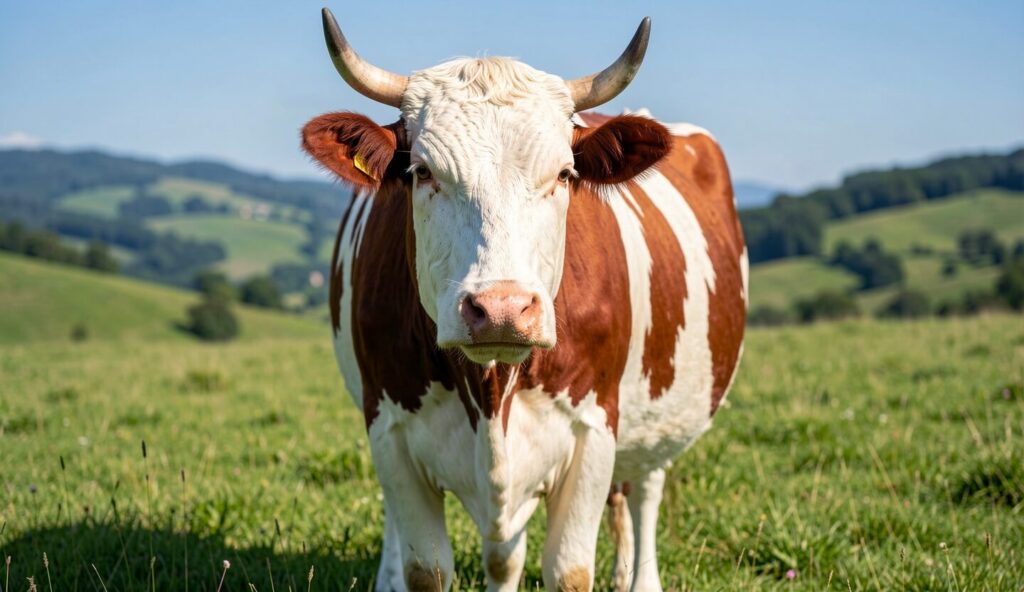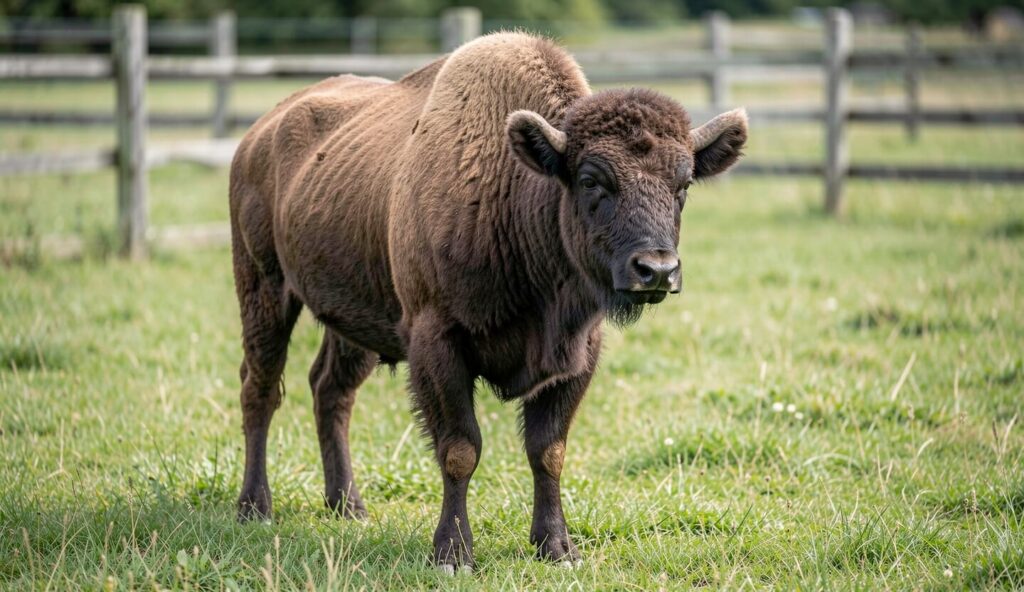
What Is a Beefalo
The Beefalo breed represents a fertile hybrid between domestic cattle and the American bison. This unique cross combines the best traits of both species, producing an animal that is hardy, efficient, and known for producing low-fat meat. Beefalo typically carry 3/8 bison genetics and 5/8 cattle genetics, a ratio that offers the hardiness of a bison with the docile temperament of beef cattle.
Unlike mules or other sterile hybrids, Beefalo can reproduce naturally among themselves or back to either parent species. This fertility makes them a practical choice for ranchers and homesteaders who want a hardy breed without sacrificing reproductive efficiency. Their hybrid vigor often leads to fewer health problems and better feed conversion.
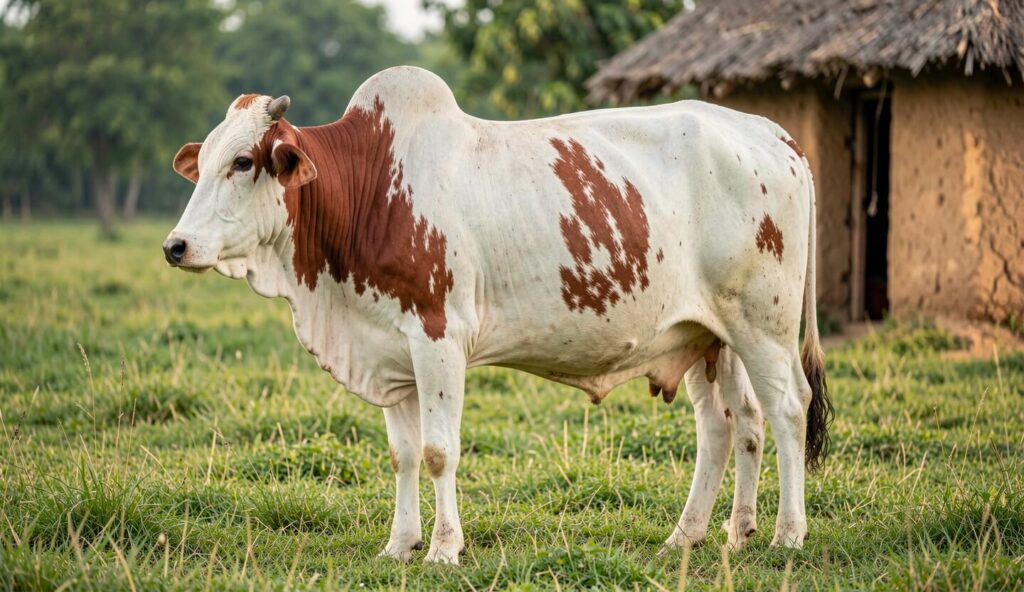
Beefalo are also valued for their ability to thrive on marginal pasture where standard cattle might struggle. For those interested in sustainable livestock, this bison hybrid offers a resilient alternative. The Banni buffalo, another hardy breed from India, shares some of these tough grazing traits, but Beefalo are distinct in their bison heritage.
History and Origin of the Beefalo Breed
The development of the Beefalo breed began in the 1970s and 1980s through deliberate crossbreeding experiments in the United States. Breeders sought to create an animal that combined the hardiness and lean meat of the bison with the manageable temperament and meat qualities of domestic cattle. The result was a fertile hybrid that could be raised on a wide range of terrains.
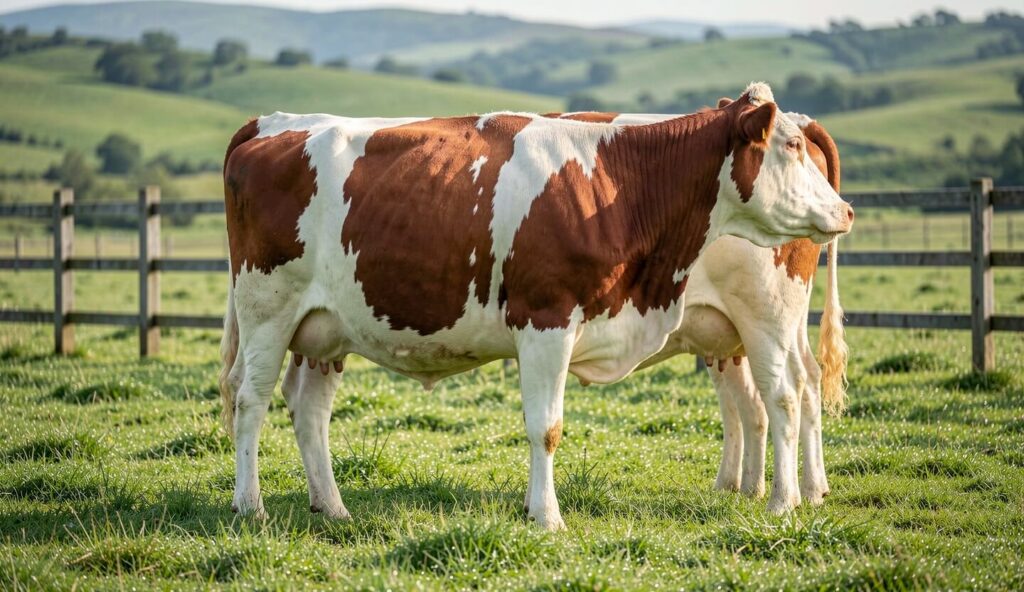
Early efforts involved crossing American bison with Hereford Cattle and other traditional beef breeds. Over time, selection focused on animals with a stable 3/8 bison content, as this ratio provided the best balance of traits. In 1983, the American Beefalo Association was formed to standardize the breed and promote its advantages.
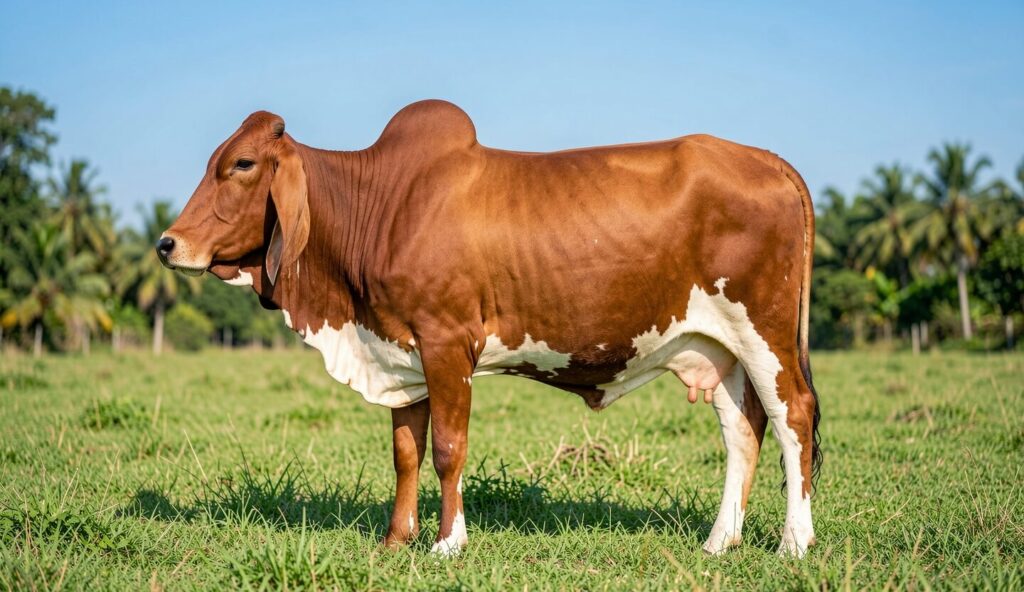
Today, Beefalo are recognized as a distinct breed by several livestock registries. Their popularity has grown among small-scale farmers who appreciate their low maintenance needs and excellent meat quality. For comparison, the Brahman Cow is another heat-tolerant breed, but Beefalo offer superior cold resistance due to their bison ancestry.
Physical Characteristics of a Beefalo
Beefalo exhibit a blend of physical traits from both cattle and bison. They are robust animals with a muscular build, a prominent shoulder hump, and a broad head. Their body is heavier in the front, similar to bison, yet they retain the overall frame of beef cattle.
Size and Weight
Mature bulls typically weigh between 1,200 and 2,000 pounds. Cows are smaller, ranging from 900 to 1,400 pounds. Shoulder height falls between 54 and 60 inches, giving them a sturdy, compact appearance. Their moderate size makes them easier to handle than full bison while still providing substantial carcass weight.
Coat and Color
The coat of a Beefalo is thicker and coarser than that of standard domestic cattle. Colors vary widely and include black, brown, red, and roan. Their winter coat grows dense to provide excellent cold resistance, a trait inherited directly from the bison. In summer, they shed much of this insulation.
Distinctive Features
The most noticeable feature is the pronounced shoulder hump formed by elongated vertebrae. They also have a broad head with a short, wide muzzle and shorter, more muscular legs than typical beef cattle. These adaptations come from their bison heritage and contribute to their ability to forage in rough terrain.
Temperament and Behavior
Beefalo are generally calm and easier to handle than pure bison, but they still retain some of the bison’s natural wariness. With consistent human interaction, they become quite docile. Their herding instincts are strong, and they prefer to stay in groups.
General Temperament
These animals bond well with a regular handler and respond to low-stress techniques. However, they can be more flighty than typical beef cattle if startled. Their hybrid nature gives them a balanced disposition that suits both experienced ranchers and novice homesteaders.
Handling Tips
Use handling facilities with solid sides to reduce visual distractions. Avoid loud noises and sudden movements. A calm approach will keep stress levels low for both the animals and the handler. The Nagpuri buffalo, another robust breed, also responds well to quiet handling methods.
Housing and Fencing Requirements
Proper housing and fencing are critical when raising Beefalo. Their bison instincts make them capable of testing weak fences, so strong enclosures are essential. They also need adequate shelter from extreme weather.
Pasture and Shelter
Each animal requires at least 2 to 5 acres of good grazing land. A three-sided shelter or open barn provides wind protection during winter. In hot climates, access to shade and water is vital to prevent heat stress. Beefalo are adaptable but benefit from thoughtful pasture management.
Fencing Considerations
Fencing must be at least 5 to 6 feet high. Woven wire with heavy wooden posts or pipe fencing is recommended. Barbed wire is not suitable because Beefalo have thick hide that can resist minor abrasions, and they may push through weak barriers. Sturdy fencing keeps them contained and reduces escape risks.
Diet and Nutrition
Beefalo are efficient foragers and can thrive on lower-quality pasture than many domestic cattle. Their diet primarily consists of grass, legumes, and browse. They also handle hay and silage well during winter months.
Forage and Hay
Beefalo graze on a variety of grasses and will consume weeds that cattle often avoid. This makes them excellent for brush control and land management. Hay should supplement grazing when pasture growth slows.
Supplements
Mineral blocks formulated for cattle, especially those containing copper and selenium, help maintain health. Protein supplements may be necessary on poor pasture. Fresh, clean water must be available at all times. The Bhadawari buffalo is another breed known for efficient feed utilization, though it is purely a dairy type.
Common Health Issues
Thanks to hybrid vigor, Beefalo are generally hardy and suffer fewer hereditary diseases than purebred cattle. Their bison genetics provide strong immunity against many common ailments. However, routine care is still important.
Parasites
Internal and external parasites can affect Beefalo, so a regular deworming schedule is wise. Fecal exams help determine the specific parasite burden. Fly control also prevents pinkeye and skin irritation. Good pasture rotation reduces parasite loads.
Genetic Considerations
Beefalo experience fewer calving difficulties than many pure beef breeds. Their hybrid vigor also contributes to cold tolerance and resistance to respiratory diseases. For dairy-focused operations, the Mediterranean Italian Buffalo offers a different set of advantages, but Beefalo excel in beef production and hardiness.
Breeding Beefalo
Beefalo are fully fertile, which sets them apart from most hybrids. They can be bred among themselves to maintain the 3/8 bison content. Alternatively, breeders can cross them back to cattle or bison to adjust the hybrid percentage. This flexibility allows for continued genetic improvement.
Crossbreeding a Beefalo bull with standard beef cows produces offspring with about 3/16 bison content, which still offers some hardiness without sacrificing carcass quality. Maintaining proper records helps track genetic percentages. The Murrah Buffalo is a different kind of hybrid (pure buffalo breed), but it also demonstrates how selective breeding can produce specialized traits.
Is a Beefalo Right for You
Beefalo are an excellent choice for homesteaders and ranchers who want low-maintenance livestock that produce lean, flavorful meat. They require less intensive management than pure bison but offer better cold tolerance and foraging ability than standard beef cattle. If you have at least a few acres of pasture and sturdy fencing, this breed can work well.
Their docile nature, when handled regularly, makes them suitable for families. However, beginners should gain experience with domestic cattle first. The Bengal Goat is a smaller option for those with limited space, but Beefalo are unmatched for meat production on marginal land.
Frequently Asked Questions
What is a Beefalo?
A Beefalo is a fertile hybrid between domestic cattle (Bos taurus) and American bison (Bison bison). It typically contains 3/8 bison and 5/8 cattle genetics. The breed was developed to combine bison hardiness with cattle docility and meat quality.
Are Beefalo fertile?
Yes, Beefalo are fertile and can reproduce among themselves or back to cattle or bison. This sets them apart from many other hybrids like mules.
How much land do Beefalo need?
Each Beefalo requires at least 2 to 5 acres of good pasture for grazing. More land is needed if pasture quality is poor or supplemental feeding is limited.
What does Beefalo meat taste like?
Beefalo meat is leaner and slightly sweeter than standard beef. It has a lower fat and cholesterol content while remaining tender and flavorful.
Can Beefalo be kept with cattle?
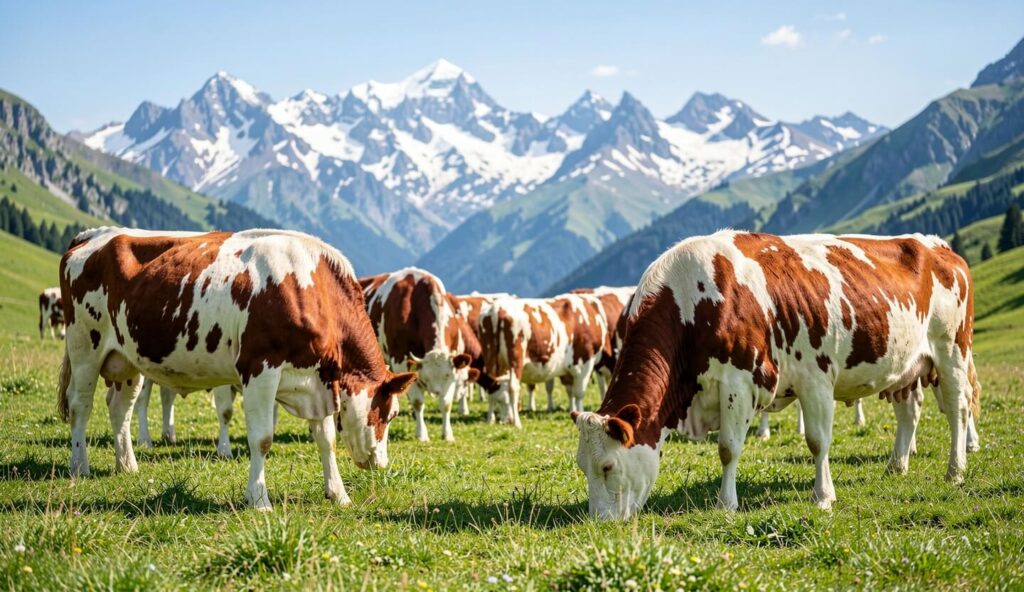
Yes, Beefalo can be pastured alongside domestic cattle with proper fencing. Their temperament is similar enough to allow mixed herds.
What is the lifespan of a Beefalo?
Beefalo typically live 15 to 20 years with good care. Their hybrid vigor often results in fewer age-related health problems.