What Is a Balkan Goat
The Balkan Goat is a hardy regional goat breed from Southeastern Europe. It thrives in mixed farm systems alongside crops and other livestock. Farmers value this goat for its ability to adapt to local climate and grazing conditions.
Where the Breed Comes From
This goat is native to the Balkan region, spanning countries like Albania, Bulgaria, Greece, and parts of the former Yugoslavia. It has been kept for centuries on small farms where pasture and browse are the primary feed sources. The breed is often compared to other regional breeds such as the Baladi Goat in terms of hardiness and local adaptation.
Why Regional Adaptation Matters
Local adaptation allows the Balkan Goat to make efficient use of seasonal forage. Its hardiness is shaped by rural management practices rather than intensive breeding programs. Farmers often prioritize resilience over specialized production, making this goat a practical choice for pasture-based systems.
Appearance and Physical Features
The Balkan Goat has a medium frame with functional legs built for walking and grazing. Its body reflects a history of pasture-based living, with muscling that supports foraging and farm work.
Coat Type and Common Colors
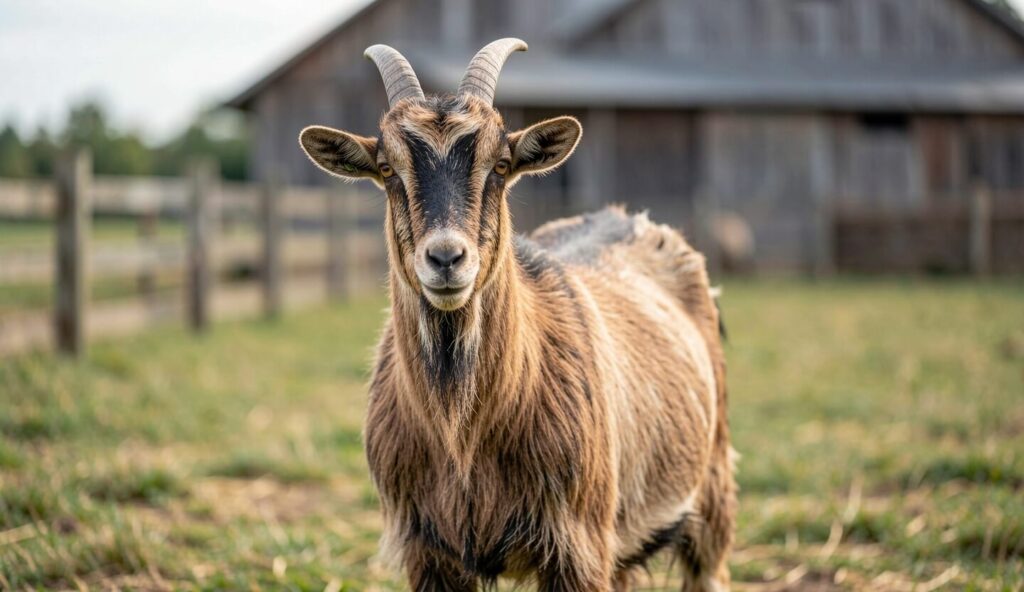
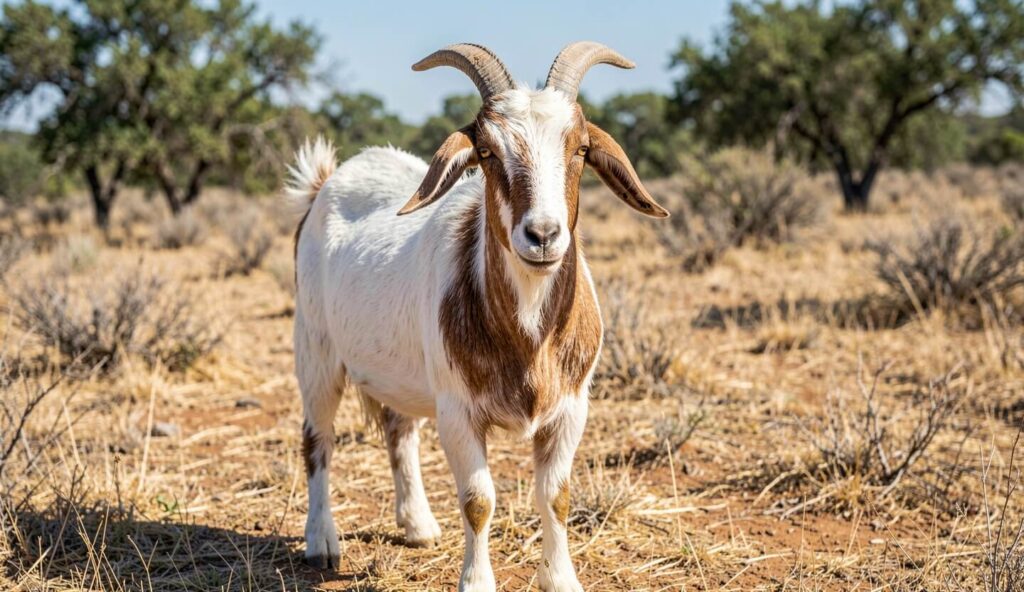
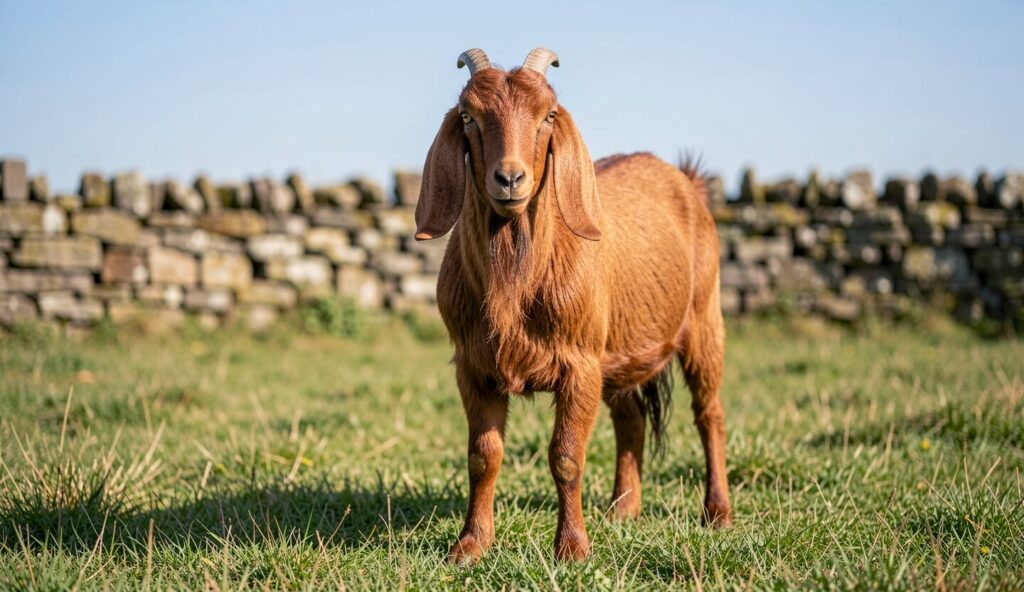
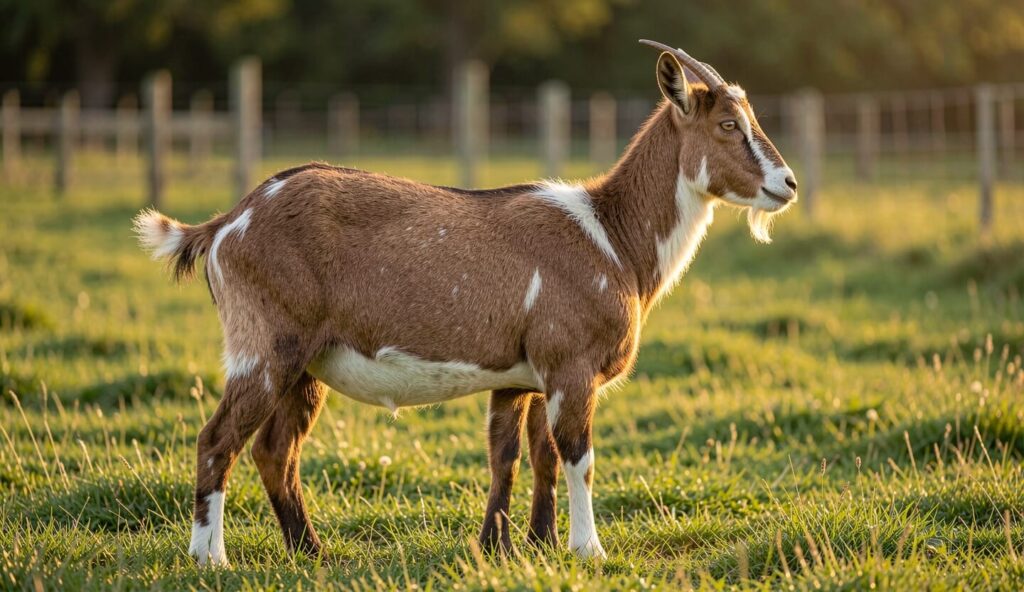
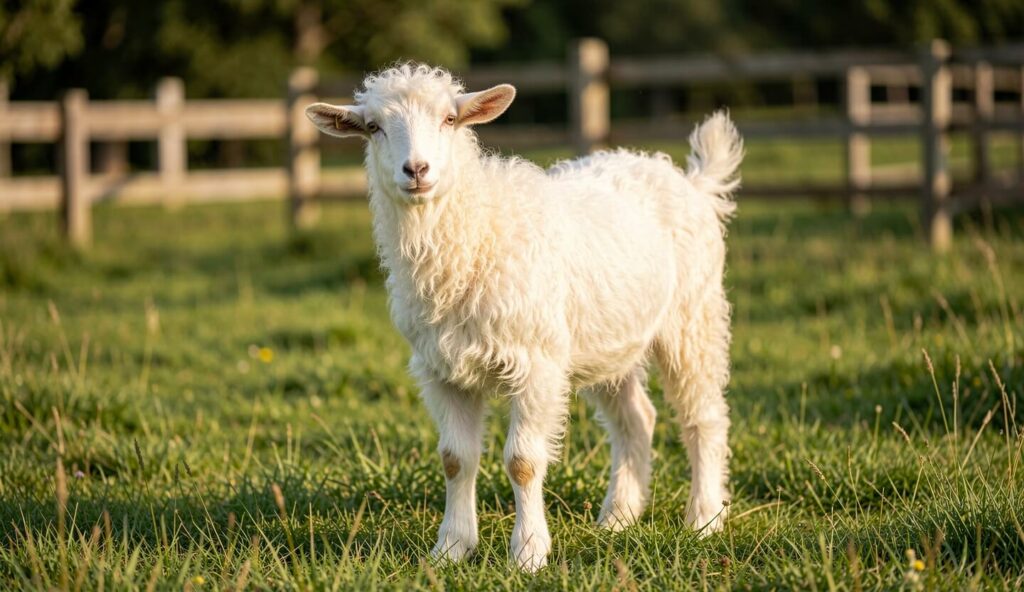
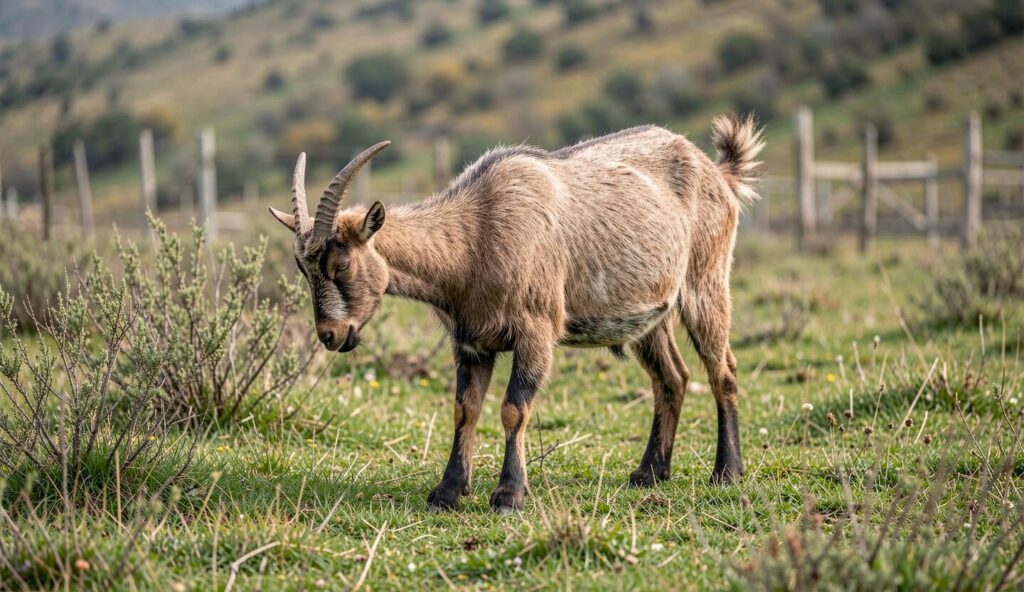
Coat density varies by local line and seasonal changes. Common colors range from light fawn to dark brown or black. Markings can differ between herds and regions, often including lighter patches on the face or belly.
Body Size and Build
It is a medium-sized goat with a balanced proportion between height and body length. The legs are sturdy enough for rough terrain. Overall build supports consistent foraging and occasional browsing.
Horns, Ear Shape, and General Head Profile
Horn presence can vary by individual and breeding line. Some goats have curved horns, while others are polled. Ears are typically upright to semi-upright, keeping the goat alert during grazing. The head profile is proportionate to the body frame.
Temperament and Herd Behavior
The Balkan Goat is generally calm when handled with a consistent routine. It may become wary if frequently moved or treated harshly. Good handling reduces stress during feeding, milking, and health checks.
How They Behave Around People
These goats respond well to gentle, predictable interactions. They show less flightiness than some modern dairy breeds. Regular contact from a young age builds trust and makes daily care easier.
Social Structure and Stress Signals
Goats establish a clear social ranking within the herd. Overcrowding increases pushing, head-butting, and conflict. Watch for signs like isolation from the group, reduced appetite, or unusual vocalizing, which indicate stress or illness.
Exercise and Grazing Needs
Balkan Goats are active foragers that browse and graze throughout the day. Better results come from access to varied forage rather than only short grass. Rotational grazing can reduce parasite buildup and improve pasture quality.
Pasture Use and Foraging Style
They prefer a mix of grasses, shrubs, and leafy browse. This natural foraging style meets most of their nutritional needs. Pasture quality directly affects growth rates and overall health.
Minimum Daily Movement and Space
Access to outdoor time supports normal muscle development and rumen function. Provide enough space to allow animals to separate if stressed. Plan housing and pen area based on herd size, with at least 20 square feet per goat inside shelter and more in the yard.
Housing Essentials for Balkan Goat Farms
Good housing protects these goats from wind, rain, and extreme cold. Dry bedding reduces the risk of hoof and skin problems. Natural light inside the shelter helps with daily monitoring.
Shelter Requirements and Weather Protection
The shelter should have a solid roof and walls that block drafts. Use straw or wood shavings for bedding and replace them regularly. Keep the interior dry to prevent respiratory issues.
Ventilation, Bedding, and Cleanliness
Proper ventilation prevents ammonia buildup from urine and manure. Wet bedding leads to foot rot and skin infections. Clean feeding areas daily to limit spoilage and attract pests.
Fencing and Safe Pen Layout
Secure fencing is essential to prevent escapes and keep predators out. Slick or muddy surfaces increase slip risks, so maintain good drainage. Create distinct zones for feeding, resting, and kidding to reduce competition.
Diet and Feeding for Healthy Growth
Forage should make up the majority of the Balkan Goat’s diet. Quality hay supports stable appetite and rumen function. Pasture quality directly affects growth and milk output in lactating does.
Core Forage Requirements
Provide free-choice hay during months when pasture is limited. Alfalfa or mixed grass hay works well. Always check for mold or dust before feeding.
Concentrates and Supplements When Needed
Concentrates are best reserved for high-demand stages such as late pregnancy or lactation. Avoid sudden diet changes to protect rumen health. Mineral blocks or loose minerals help balance calcium and phosphorus intake.
Water Schedule and Feed Safety
Fresh, clean water must be available at all times. Remove spoiled forage and clean buckets daily. Use age-appropriate feed for kids and breeding does.
Common Feeding Mistakes to Avoid
Overfeeding concentrates can cause bloat or acidosis. Skipping forage reduces rumen function and leads to poor digestion. Wet or moldy feed increases the risk of mycotoxin poisoning.
Grooming and Routine Care Tips
Regular grooming keeps the Balkan Goat healthy and easy to handle. Focus on hoof care, skin checks, and daily observation. Consistent routines make health problems easier to spot early.
Hoof Care and Foot Health Checks
Inspect hooves every four to six weeks for cracks, overgrowth, or swelling. Trim hooves as needed based on wear on pasture. Keep animals on dry ground to reduce hoof rot.
Skin, Coat, and Parasite Monitoring
Look for itching, flaking skin, or hair loss. Check for external parasites like lice or mites. Treat only after confirming the problem with a veterinarian.
Health Records and Daily Observation
Track weight changes, appetite, and behavior. Note manure consistency and chewing patterns. Alert the vet if any goat shows persistent signs of illness.
Common Health Issues and Preventive Measures
Like most regional goat breed stocks, the Balkan Goat faces health challenges linked to environment and management. Preventive care reduces the need for treatments.
Internal Parasites and Deworming Basics
Grazing on wet pastures increases parasite pressure. Use fecal egg counts whenever possible to guide deworming. Rotating pastures every two to three weeks reduces larval buildup.
Respiratory and Digestive Concerns
Poor ventilation and damp bedding contribute to pneumonia and other respiratory problems. Abrupt feed changes trigger digestive upset like bloating or diarrhea. Watch for coughing, nasal discharge, or reduced rumination.
Hoof Problems and Skin Infections
Wet floors raise the risk of foot rot and hoof abscesses. Skin injuries become infected if bedding is dirty. Isolate affected animals and consult a vet.
Vaccines and Veterinary Support Planning
Local disease risk determines the vaccination schedule. Common vaccines include clostridial and respiratory disease preventives. Quarantine new animals for at least two weeks before introducing them to the herd.
Breeding Basics and Kid Rearing Essentials
Plan breeding around available feed and clean housing. Monitor does for signs of heat and behavior changes. Provide a separate, clean area for kidding.
Breeding Season and Doe Management
Balkan Goats typically breed in the fall, with kids born in spring. Keep does in good body condition before breeding. Provide extra minerals during late pregnancy.
Kidding Area Setup and First Days
Use dry, draft-free bedding in the kidding pen. Ensure kids nurse within the first hour after birth. Watch for weak suckling or abnormal breathing.
Growth, Feeding, and Weaning Steps
Start kids on colostrum, then transition to milk or milk replacer. Introduce small amounts of hay and grain at one week old. Wean when kids are consistently eating solid feed and healthy.
Is a Balkan Goat Right for You
This breed suits pasture-based small farms and mixed livestock settings. It performs well where local forage matches its needs. For beginners, it is a solid choice when basic care is consistent.
Best Fit for Regional Farming Goals
The Balkan Goat works well in systems that value resilience over high production. It fits alongside other hardy breeds like the Alpine Goat or the Nubian Goat. Its easygoing nature makes it a practical addition to a hobby farm.
Resource Checklist Before Buying
- Secure fencing and predator-proof shelter
- Forage plan including hay or browse options
- Regular hoof checks and basic health monitoring
- Local vet contact for parasite and vaccination guidance
This checklist helps new owners prepare before bringing home their first goats. Reviewing livestock facts from reliable sources also reduces surprises.
Frequently Asked Questions
What is a Balkan Goat known for on small farms?
It is known for its regional hardiness and ability to thrive on pasture-based diets. Farmers manage it easily in mixed rural farm systems.
What do Balkan Goats eat day to day?
They eat primarily forage such as pasture browse and hay. Concentrates may be added during breeding or high-demand stages.
How much space does a Balkan Goat need?
Space depends on herd size, but each goat needs at least 20 square feet of indoor shelter and access to outdoor yards. Avoid overcrowding to reduce stress.
What health problems affect Balkan Goats most often?
Internal parasites are common due to grazing on pasture. Respiratory and digestive issues can occur with damp bedding or sudden feed changes.
Are Balkan Goats good for beginners?
Yes, they can be manageable with a consistent routine and basic goat care. Success depends on good forage, clean housing, and regular monitoring.
How do you keep goats healthy against parasites?
Use rotational grazing and monitor with fecal testing when possible. Follow local deworming guidance and avoid unnecessary treatments.
Final Note
The Balkan Goat is a resilient breed that rewards consistent, low-stress management. With proper housing, balanced feeding, and preventive health care, this goat will thrive on a small farm.