What Is An Arsi Goat?
The Arsi Goat is an Ethiopian goat breed known for practical farm use and strong adaptation to local conditions. This Ethiopian goat breed commonly appears in smallholder livestock profile lists because it fits pasture and browse based feeding systems. Many Arsi goat facts describe the breed as hardy and utilitarian for mixed farm routines. For animal lovers and livestock owners, the Arsi Goat often stands out as a manageable option when basic care standards stay consistent.
In Ethiopia, goats often support daily farm needs through meat production and general farm utility. The Arsi Goat typically reflects selection pressure from local herders, including climate, feed access, and disease exposure. As a result, the breed can perform well when housing stays dry and routine parasite control occurs.
Where The Breed Is From
The Arsi Goat originates from Ethiopia, with close ties to the Arsi region and surrounding highland farming areas. Local breeding and herd management shaped the goat over time, favoring resilience under pasture and browse conditions. Many keepers describe it as a hardy, utilitarian goat suited to smallholder goat farming.
Because environmental pressures differ by district, herd lines can vary slightly in size and coat patterns. Still, the overall livestock profile emphasizes adaptability, feed tolerance, and steady movement on farm terrain. Those traits help the Arsi Goat remain relevant across many Ethiopia goat breeds lists.
What Arsi Goats Are Typically Used For
Arsi goats are commonly raised for meat and general farm utility. They also appear in systems that emphasize resilience because forage access may vary through the year. Many smallholder operations keep the herd alongside crop fields to support farm workflow and steady production.
In mixed smallholder systems, the Arsi Goat can fit well where animals must browse, graze, and move through workable farm spaces. Instead of relying on complex feeds, keepers often focus on forage quality and mineral access. That feeding approach supports practical Arsi goat care goals for everyday farm operations.
Appearance And Physical Features
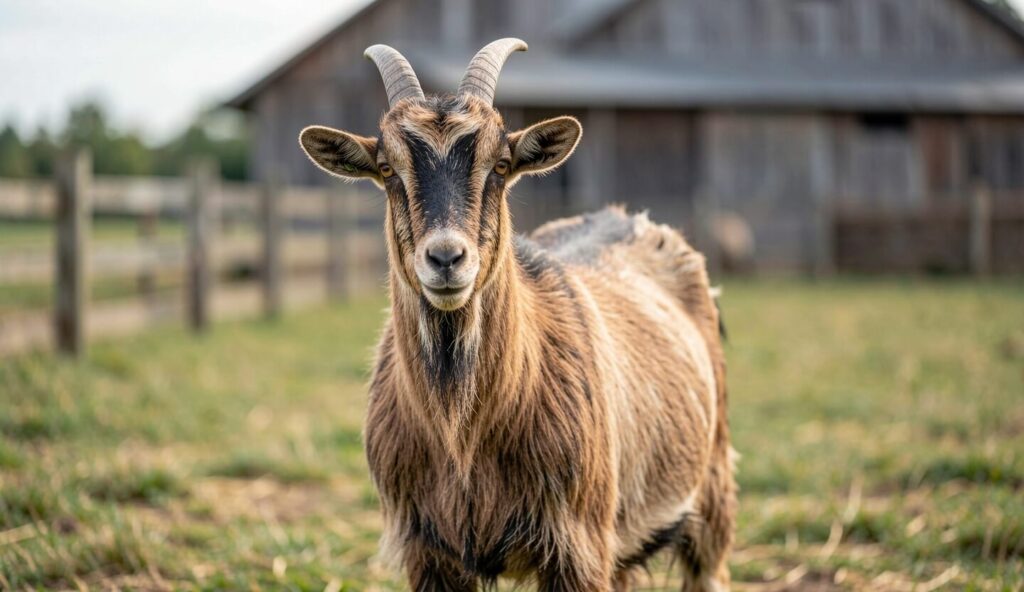
Arsi goat facts about appearance usually focus on a sturdy build and useful body balance for farm movement. This breed typically falls into a medium to small category depending on breeding line and local selection. The coat can show variation across herds, but many Arsi goats share a practical, farm friendly look. When evaluating goat breed characteristics, body condition and hoof quality also matter alongside coat color.
Visual identification works best when combined with handling experience and health observation. A goat’s frame should feel supportive without excessive thinness, and the legs should show sound structure. In a solid livestock profile, physical cues often indicate whether management supports growth and walking comfort.
Coat Colors And Typical Markings
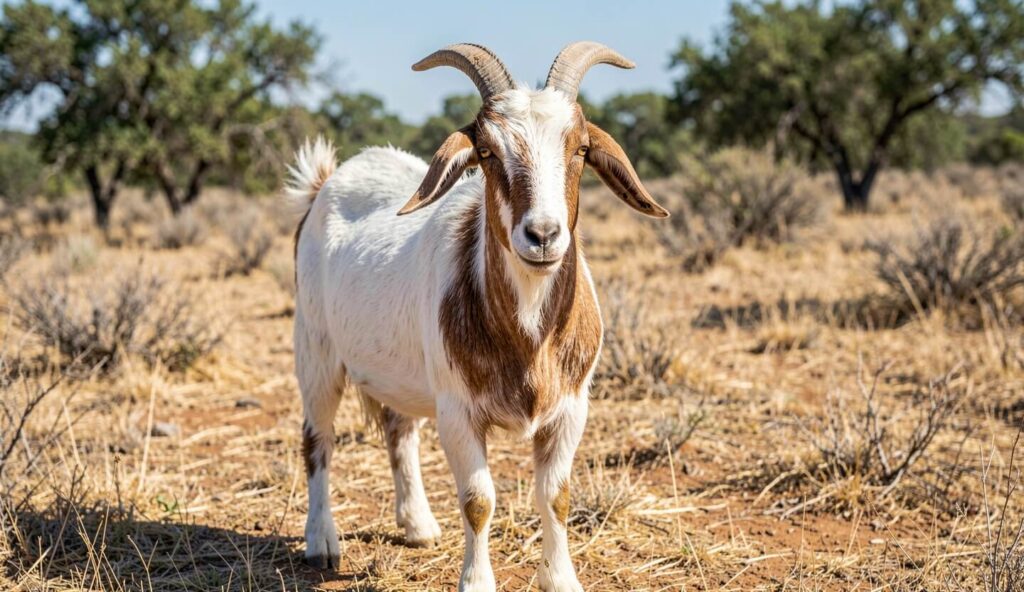
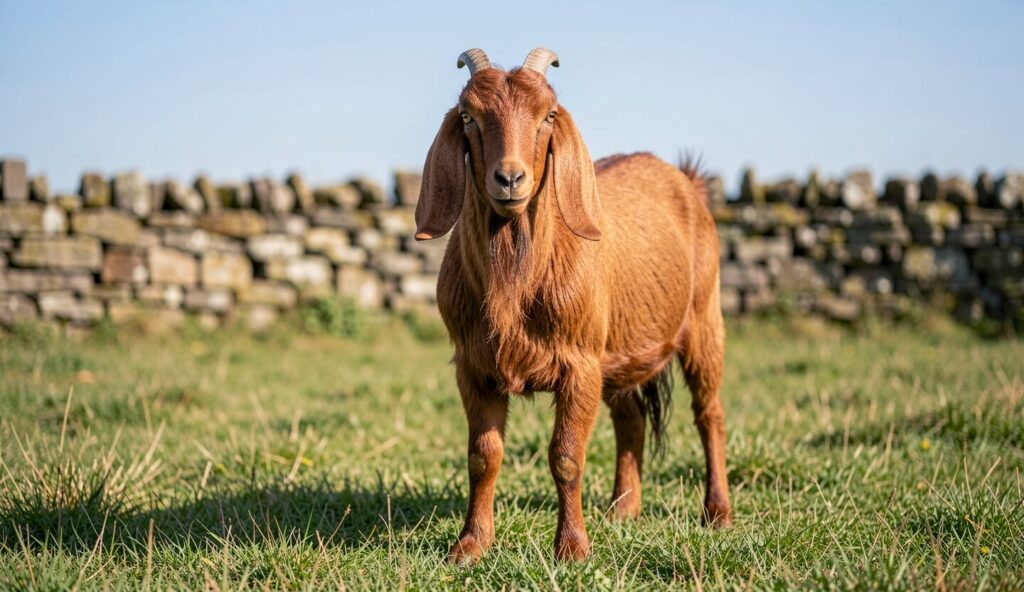
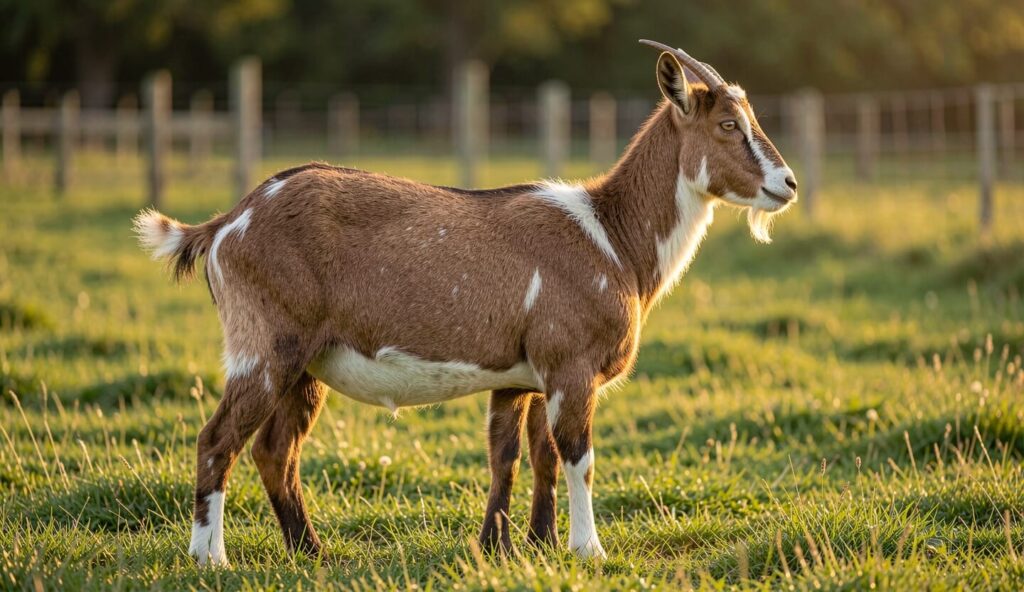
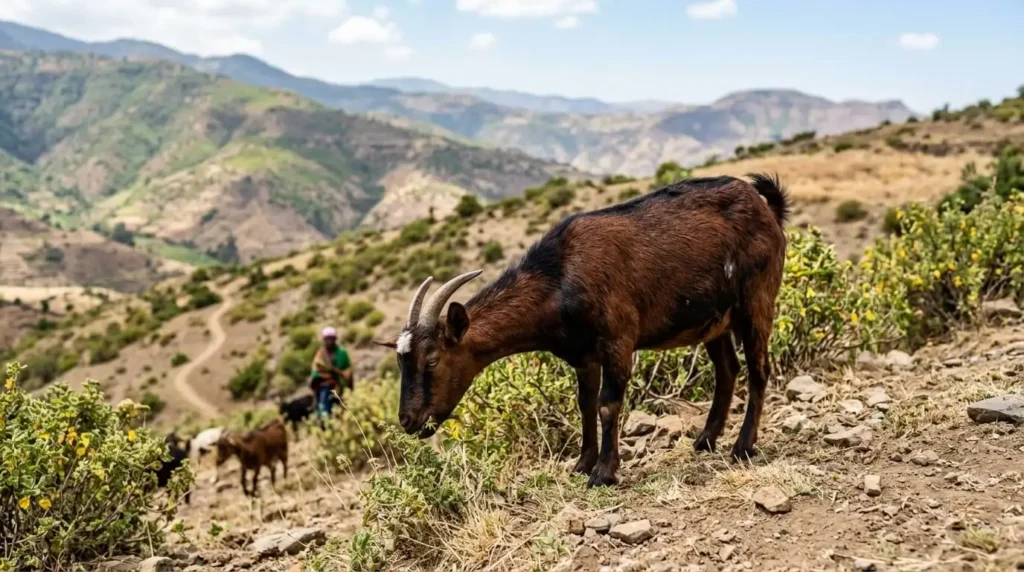
Coat colors in Arsi goats can vary between herd lines and local breeding practices. Many Arsi goats show patches and solid areas, which create visible variation among individuals. Because the breed develops within local conditions, coat patterns may reflect region based selection.
Although coat color helps with quick identification, it does not replace health checks. A healthy coat often links with good nutrition and dry bedding. For owners comparing Ethiopian goat breed appearance across Ethiopia goat breeds, the Arsi Goat can show clear herd line differences.
Body Size And Build
The Arsi Goat usually presents as medium to small with a sturdy frame. This body type supports walking and browsing across pasture and farm paths. Many keepers choose the breed for its balance of muscle for farm work and its ability to use grazing land.
In practice, size alone should not decide suitability. Growth rates and body condition help confirm whether the Arsi goat care routine meets nutritional needs. When goats look too thin or too heavy, the ration, forage quality, and shelter conditions likely need adjustment.
Head Ears And Horns
Breed descriptions often note the face profile as part of the general look of the Arsi Goat. Many individuals have long drooping ears, though ear length can vary. Horns can differ by individual and sex, so visual cues may not match across every animal.
For safe handling, focus on temperament and ease of approach rather than only horn shape. Owners should also check that the head and neck area appear clean, with no signs of swelling. Healthy goats typically show alert posture and steady weight bearing through the front legs.
Gait And General Hardiness Cues
Arsi goats usually move actively on uneven ground, especially when pasture access exists. Healthy hooves act as a practical visual indicator because goats with sound hoof skin and balanced wear often walk more comfortably. When management remains consistent, movement becomes smoother and injuries reduce.
Hardiness does not mean “no care.” The livestock profile still requires monitoring, especially after rainy periods when bedding moisture can increase hoof skin risk. Owners who follow simple checks usually catch early signs of problems sooner.
Temperament And Personality
The Arsi Goat temperament often depends on early handling, herd structure, and how consistently routine tasks occur. Many goats in this Ethiopian goat breed type tolerate regular handling when people use calm methods. In group settings, goats establish routine patterns that can make daily management more predictable. Still, any animal can react to fear or pain, so health checks support better behavior.
Because goats are social, temperament also connects to how they join and mix with other herd members. When management reduces stressors, the herd typically handles routine tasks more easily. This section helps explain what to expect from an Arsi goat temperament perspective for both new and experienced keepers.
How Arsi Goats Behave In Herds
Arsi goats often live in social groups, where individuals follow a basic hierarchy. During early mixing, the herd may show brief chasing or mounting as it organizes itself. Over time, most goats settle into predictable positions and tolerate feeding order.
Routine handling usually works best when people maintain consistent procedures. The herd becomes easier to manage when feed times, water access, and shelter routines remain steady. For smallholder goat farming, this stability often reduces stress and supports steady growth.
Handling And Trainability
Goats respond well to calm, consistent handling and predictable movement through pens. Quiet grooming, gentle lead training, and short sessions can build trust for many individuals. When the Arsi Goat grows in a system where people handle regularly, day to day tasks become easier.
Temperament can shift with age and management, especially during illness or after changes in feed. Therefore, Arsi goat care should include observation alongside basic handling. A goat that suddenly shows fear or reduced appetite may indicate health discomfort.
Common Stress Triggers
Several stress triggers commonly affect goat behavior in Ethiopian settings. Lack of shelter during harsh weather can increase agitation and reduce feeding. Sudden feed changes often create digestive discomfort, which can then increase restlessness in the herd.
Rough handling and overcrowding can also raise stress levels and lead to injuries. If the group becomes difficult to manage, the first step should be checking housing dryness, forage availability, and water access. Those improvements often stabilize both behavior and health.
Exercise And Activity Needs
The Arsi Goat needs regular movement through pasture time, browse access, or structured outdoor activity. Daily activity supports natural feeding behavior and helps maintain healthy body condition. Since many keepers manage with pasture rather than confinement, activity often becomes part of routine care. Still, safe setup matters because injuries can occur on slippery surfaces.
Activity needs also depend on stocking density and forage growth patterns. When space and browse are sufficient, the herd typically moves throughout the day. When space limits become tight, piling can occur, and stress can increase.
Pasture Time And Browsing Opportunities
Goats generally need regular grazing or browse access to support rumen function. Browsing helps satisfy natural feeding instincts, especially when pasture grasses become limited. Owners should rotate browsing areas when possible to reduce overgrazing and soil damage.
Forage quality strongly influences outcomes. Leaf to stem balance and freshness can support better digestion and stable weight gain. In an Ethiopia goat breeds comparison, the Arsi Goat often fits forage driven systems because it can use available pasture and browsing plants.
Space Requirements For Smallholder Setups
Space needs should prevent piling and reduce the chance of injuries. For smallholder goat farming, manageable group sizes often simplify feeding and health checks. Safe pathways help animals move without slipping, especially around water and feed areas.
Even a hardy Ethiopian goat breed can suffer if the setup creates hazards. A simple change like improving ground footing and keeping rest areas dry can reduce hoof and skin issues. Those adjustments support Arsi goat care that stays practical for daily farm use.
Safe Fencing And Movement Plans
Fencing should match goat strength and behavior to limit escape risks. Gates and corners can become risk points if they block movement or create tight crowding. A practical plan places water and feed where animals can access them without squeezing.
Clear routes also reduce stress when people move goats for health checks. Secure fencing supports consistent pasture rotation and safer herding during feed distribution. This planning improves overall livestock profile outcomes for the Arsi Goat in a working farm environment.
Housing Essentials For Arsi Goat Owners
Housing for the Arsi Goat should focus on dryness, ventilation, and safe resting areas. Even though goats can tolerate many conditions, damp bedding often increases hoof skin problems and respiratory stress. A proper shelter design helps owners maintain stable herd health and reduce preventable issues.
Good housing also supports easier management during bad weather, kidding season, and parasite control routines. When the barn stays clean and airflow remains balanced, the herd typically shows better appetite and steadier activity. For an Arsi goat care routine, housing acts as the foundation.
Shelter Requirements And Weather Protection
Provide wind protection and dry resting areas so goats stay comfortable in cooler or wetter conditions. In hot weather, shade helps reduce heat stress and supports better drinking. Avoid damp spots because wet bedding can contribute to skin irritation and scald risks on hooves.
Owners should also think about storm access. If storms cut off pasture, goats still need a safe, clean indoor space where they can rest without crowding. Those practical steps align with common smallholder livestock profile goals.
Ventilation And Air Quality
Fresh air reduces respiratory problems that develop when dust and dampness build up. Keep airflow without creating chilling drafts that can lower comfort for young kids or pregnant does. Remove manure frequently to reduce ammonia levels around resting areas.
When ventilation improves, coughing and nasal irritation often reduce. Still, animals should not sit in direct cold airflow, especially overnight. A balanced shelter design protects both air quality and warmth during colder periods.
Bedding Cleaning And Dryness Targets
Use absorbent bedding that stays dry enough for frequent resting. Remove wet spots daily so goats do not lie on damp ground. Deep cleaning on a schedule supports longer term dryness and helps control parasite life cycles in certain environments.
Dryness goals are practical: clean, dry bedding surfaces and minimal manure buildup near resting areas. These routines support hoof health, coat cleanliness, and reduced external parasite loads. Consistent bedding management remains one of the most effective Arsi goat care improvements.
Water Access And Trough Placement
Provide clean, consistent water supply with troughs accessible to the whole group. Place water points where goats can reach without crowding, especially during feeding and high heat. Prevent contamination by keeping trough areas separate from manure and wet bedding.
In lactating or growing groups, water demand increases. Owners should check daily water intake patterns and refill promptly to avoid dehydration. Good water placement also supports stable digestion when forage intake varies.
Diet And Nutrition For Healthy Growth
The diet of the Arsi Goat should center on forage and browse as the primary energy and fiber source. This approach matches how many Ethiopian goat breed systems operate, where pasture and farm browsing fill most daily needs. Arsi goat nutrition works best when forage stays consistent and concentrates support only higher demand periods.
Nutrition also affects temperament because discomfort from poor diet can increase stress. Therefore, Arsi goat facts about feeding often focus on fiber quality, mineral balance, and gradual changes. The section below uses practical livestock profile guidance for beginners and first time keepers.
Base Diet From Forage And Browse
Forage and browse should form the foundation of daily nutrition for this livestock profile. Pasture grasses and browse plants support natural rumen function and steady digestion. Quality matters, so aim for fresh forage with a reasonable leaf to stem mix.
When forage quality declines, weight gain slows and goats become more sensitive to diet changes. Owners can compensate by improving browse selection, adding better hay, or adjusting feeding timing. In many Ethiopia goat breeds systems, stable forage access supports the Arsi Goat’s resilience.
Concentrates And When They May Be Needed
Concentrates can help when forage quality or quantity drops, such as during dry seasons or after transport stress. Use concentrates gradually so the rumen adapts without digestive upset. Choose goat appropriate feeds, because goat digestion differs from some other livestock.
Portion control prevents overfeeding concentrates, which can contribute to digestive disorders. When feed amounts change, keep changes small and monitor stool quality and appetite. This feeding logic supports safer Arsi goat care during feed transitions.
Minerals And Salt For Goats
Mineral and salt access supports bone health, growth, and normal body processes. Provide mineral blocks or loose goat minerals depending on management preference. Many Arsi goat temperament issues become less obvious once nutrition improves because poor intake often shows as low energy.
Calcium and phosphorus balance matters, and local soil can influence available minerals in pasture. Owners may need to test forage or consult regional guidance to avoid chronic imbalance. Consistent mineral intake stays a key part of this practical livestock profile.
Feeding Schedule And Portion Control
Feed forage multiple times per day rather than providing a single large meal. Multiple feedings help maintain rumen stability and reduce hunger stress in the herd. Keep feeding times consistent so goats anticipate routine tasks and remain calmer.
Avoid sudden large changes in feed volume because abrupt shifts can upset digestion. Instead, adjust gradually over several days. For smallholder goat farming, a simple daily schedule combined with careful observation often gives better results than complex ration planning.
Water Requirements For Lactating And Growing Goats
Lactating and growing goats often need more water than mature, dry animals. Watch drinking behavior after any diet changes to ensure water intake stays stable. In hot weather, shade near water points encourages regular drinking and helps reduce heat stress.
Clean water also reduces the risk of contamination that can affect digestion. If water troughs get dirty quickly, adjust trough placement and cleaning frequency. This approach supports Arsi goat care and helps maintain steady growth.
Grooming And Basic Care Tips
Grooming for the Arsi Goat should remain practical and focused on early detection of issues. Regular checks of hooves, coat, and feeding area hygiene can prevent many problems from becoming severe. Although grooming does not need to be complicated, consistent observation matters.
For beginners, the best method is a routine that takes only a few minutes and repeats on schedule. That routine should include hoof checks, coat monitoring, and quick scans for signs of external parasites. When owners follow this approach, the Arsi Goat stays easier to manage as a stable livestock profile choice.
Hoof Care And Regular Foot Checks
Check hooves for cracks, softness, and signs of irregular wear. Trim when necessary based on growth and walking comfort. If goats walk often on dry surfaces, hoof wear typically becomes more manageable, but wet periods can change conditions quickly.
After rainy weather, owners should inspect feet more often. Early detection prevents lameness and reduces the need for urgent treatment. This hoof focus also supports safer movement around feeding and water areas.
Coat And Skin Monitoring
Monitor coat condition and skin for scabs, redness, or excessive scratching. Damp bedding and poor ventilation often worsen skin issues, so shelter management ties directly into grooming results. If moisture keeps returning to bedding areas, cleaning routines may need adjustment.
Look for signs of external parasites and address them early using appropriate farm practices and local veterinary guidance. Clean, dry resting areas also reduce parasite pressure. This part of Arsi goat care keeps animals more comfortable and easier to handle.
Routine Hygiene Around Feeding And Resting Areas
Clean feed areas to reduce contamination with manure or wet bedding. Remove wet bedding and manure buildup from rest areas as part of daily barn routine. Hygiene also reduces how quickly internal parasite eggs can build up in the environment depending on local conditions.
Use parasite control practices alongside cleaning, rather than relying on sanitation alone. A simple schedule that includes manure removal and frequent bedding replacement often supports better overall health outcomes. These steps keep the Arsi Goat’s livestock profile aligned with preventive care goals.
Common Health Issues And Prevention Practices
Arsi goat care includes health monitoring because most risks in goats relate to parasites, bedding moisture, and air quality. The most common problems often tie back to management rather than genetics alone. Owners who keep routines steady usually reduce disease impact and protect growth.
Because local conditions vary across Ethiopia goat breeds, prevention plans should match regional advice and seasonal patterns. However, several broad prevention practices apply to the Arsi Goat in most smallholder settings. The section below covers likely health issues and practical steps for prevention.
Parasites And Worm Control Basics
Internal parasites can reduce weight gain and lead to weakness even when the goat still appears active. Use fecal testing when available to identify parasite burden and guide treatment timing. Rotate grazing areas where possible and manage manure safely to reduce reinfection pressure.
Overcrowding can increase parasite transmission, so maintaining manageable group sizes helps. Strong forage hygiene and dry bedding also reduce the risk of parasite eggs and larvae survival in the environment. Regular monitoring supports a more accurate Arsi goat health routine.
Respiratory Problems From Poor Ventilation
Respiratory issues often develop when dust and damp air build up inside housing. Coughing and nasal discharge can increase when ventilation remains poor. Improving airflow and reducing moisture typically lowers coughing risk.
Isolate sick animals promptly to limit spread and to support better observation. Owners should also keep resting areas dry and avoid overcrowded stalls. These measures align with a prevention focused livestock profile for the Arsi Goat.
Foot Problems And Scald Risk
Foot problems can increase when bedding stays wet for long periods. Wet conditions soften hoof skin and raise scald and irritation risks. Keeping bedding dry, replacing wet spots quickly, and inspecting hooves after rainy periods reduces lameness.
If lameness appears, address it early. Check bedding dryness first because repeated moisture can slow recovery. Foot care remains one of the most visible indicators of overall farm management quality.
Nutritional Disorders To Watch For
Nutritional disorders often show when mineral balance or ration quality changes. Mineral imbalance can affect growth and general health, especially in growing kids. Overfeeding concentrates can trigger digestive upset, which then reduces appetite and rumen stability.
Monitor body condition score regularly and adjust feeding based on forage availability. If weight drops, review hay quality, browse options, and mineral supply before increasing concentrates. A stable diet with gradual changes supports better Arsi goat growth outcomes.
Vaccinations And Veterinary Planning
Vaccination and treatment schedules should follow local veterinary guidance and regional disease patterns. Plan for kidding season and herd health timing so newborns receive appropriate care soon after birth. Quarantine new arrivals before mixing helps reduce introduction of hidden health issues.
Veterinary planning also helps when the herd shows unusual behavior such as reduced appetite or abnormal stool. Early professional support prevents complications that can spread within groups. This planning keeps the Arsi Goat’s livestock profile aligned with preventive farm management.
Breeding Basics And Raising Kids
Breeding for the Arsi Goat should focus on selecting healthy parents and preparing a safe kidding environment. Practical management improves kid survival and supports healthy early growth. Because smallholder systems may have limited facilities, planning ahead becomes essential.
Raising kids successfully also depends on feed quality, colostrum intake, and careful weaning decisions. These topics support a complete livestock profile for Arsi goat keepers who want predictable outcomes.
Selecting Breeding Animals
Select breeding animals with good health and stable body condition. Choose goats that handle easily and show calm behavior during basic management. Avoid breeding individuals with chronic health issues or persistent poor growth.
In addition, consider herd history and local performance. Good selection improves overall herd productivity and reduces the risk of weak offspring. This approach supports Arsi goat temperament stability because healthy animals often handle routines better.
Kidding Management And Early Care
Prepare a clean, dry kidding area in advance so the environment stays low risk during birth. Ensure newborn kids receive colostrum soon after birth to support immunity. Monitor for weak or delayed nursing because early support can improve survival.
Keep the area dry and warm enough for newborn comfort without creating dampness. After kidding, observe both mother and kids for appetite, discharge changes, and normal activity. These early steps help kids start strong within the livestock profile.
Weaning And Growing Rations
Wean kids based on readiness and feed availability rather than a fixed date alone. Provide good forage and gradual transitions to solid feed to protect digestion. Track growth using simple body condition checks and basic weight monitoring when possible.
As kids grow, continue mineral access and maintain consistent forage quality. Sudden feed changes can cause digestive upset, so adjustments should stay gradual. This structured weaning method improves outcomes for Arsi goat owners raising young stock.
Starter Checklist For New Arsi Goat Owners
A practical starter plan helps new keepers set up the right conditions for the Arsi Goat. This checklist focuses on shelter basics, feeding essentials, and health routines that reduce common beginner mistakes. Using a checklist also makes it easier to track tasks during busy farm weeks.
These points turn the Arsi Goat breed profile into an actionable livestock profile for day one through routine operations. Each item supports stable growth, safer housing, and more reliable daily management.
Before Bringing Goats Home
- Plan shelter with wind protection and dry, absorbent bedding
- Secure fencing and create safe pathways for movement
- Set up clean water points and stable forage storage
- Arrange veterinary contacts and discuss parasite testing options
Daily And Weekly Tasks
- Check hooves and walk movement for early signs of trouble
- Remove manure and keep rest areas clean and dry
- Provide consistent forage and fresh water each day
- Observe appetite, stool quality, and activity levels
- Record weights or body condition for young goats
Feeding Essentials To Have On Hand
- Good quality hay or forage base for daily fiber needs
- Goat appropriate mineral and salt supply with steady access
- Safe concentrate options for emergencies or high demand periods
Is An Arsi Goat Right For You
The Arsi Goat can fit many farm goals, especially for owners who prioritize resilient, practical livestock. It often works best in smallholder systems where forage and browse based feeding forms the core routine. When shelter stays dry and health routines remain consistent, the breed can feel manageable for beginners.
However, success depends on meeting basic care standards rather than assuming hardiness alone guarantees outcomes. The right match comes from aligning farm capacity with the needs of this Ethiopian goat breed and maintaining strong monitoring habits.
Good Fit For Certain Farm Goals
The Arsi Goat can be a good match for smallholder goat farming that values hardy, utilitarian goats. It suits operations focused on forage based feeding and pasture or browse access. Keepers who handle daily tasks and monitor health basics typically manage this breed successfully.
In livestock profile terms, the breed works well when routine tasks remain predictable and feeding stays consistent. Owners seeking an Ethiopian goat breed with practical farm function often consider the Arsi Goat alongside other Ethiopia goat breeds options.
Challenges To Plan For
Even a hardy goat still needs regular health inspection and parasite control. Feed quality changes can affect digestion and growth, especially when forage quality drops suddenly. Housing and dryness standards must remain consistent because wet bedding can increase hoof and skin issues.
When planning for the Arsi Goat, build a realistic routine for bedding cleaning, water supply, and barn ventilation. If those standards cannot be met, the breed’s performance may decline. With steady management, the Arsi Goat often remains a practical choice for livestock owners who want reliable daily care.
Frequently Asked Questions
What Is The Typical Use Of An Arsi Goat On A Farm?
Arsi goats are often raised for meat and general farm utility. Many keepers select the breed in systems that prioritize resilience under local conditions.
What Should Arsi Goat Owners Feed As The Main Diet?
Forage and browse should form the base of the diet. Concentrates work best only when forage quality or quantity is low.
How Much Shelter Does An Arsi Goat Need?
Shelter should protect from wind and keep bedding dry. Ventilation also matters because damp air can increase respiratory risks.
What Are The Most Common Health Problems In Goats Like The Arsi Goat?
Internal parasites and worm burdens are common risks in goat herds. Foot issues often increase when bedding stays wet for long periods.
Do Arsi Goats Require Regular Hoof Trimming?
Hoof checks should happen regularly as part of basic herd management. Trimming becomes necessary when hooves grow too long for safe walking.
Are Arsi Goats Suitable For Beginners Raising Goats?
They can be suitable for beginners who follow feeding and health routines consistently. Success depends on maintaining dry shelter and carrying out parasite control on schedule.
Final Note
The Arsi Goat offers a practical Ethiopian livestock profile for keepers who can maintain dry housing, forage-based feeding, and consistent health monitoring. With steady management, the breed often supports reliable day-to-day farm work and growth.
For readers comparing other Ethiopian goat breeds, related guides such as boer goat and Alpine goat can help broaden herd planning decisions. Additional comparison options include aradi goat and abergelle goat.