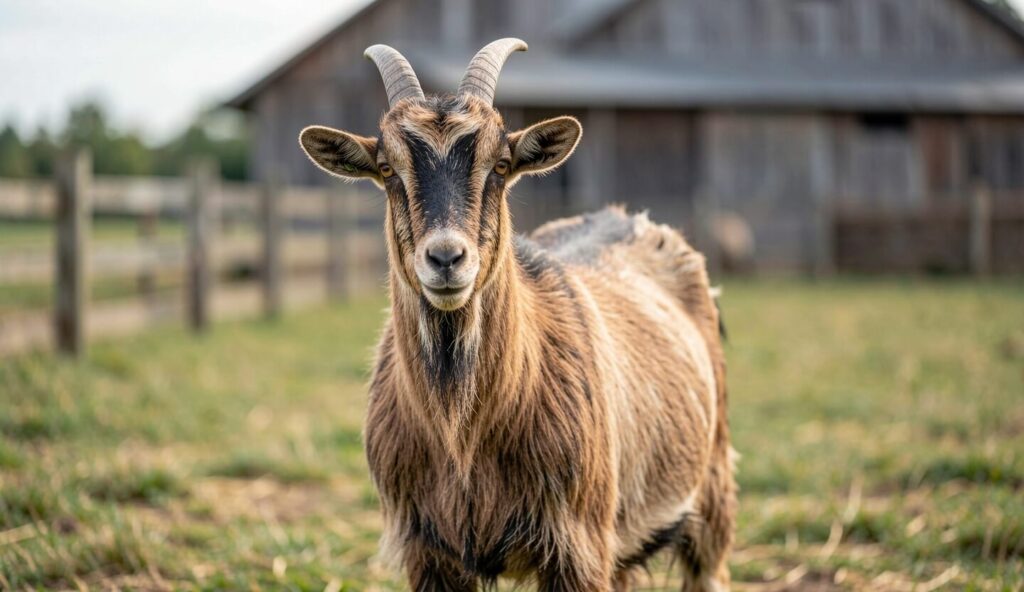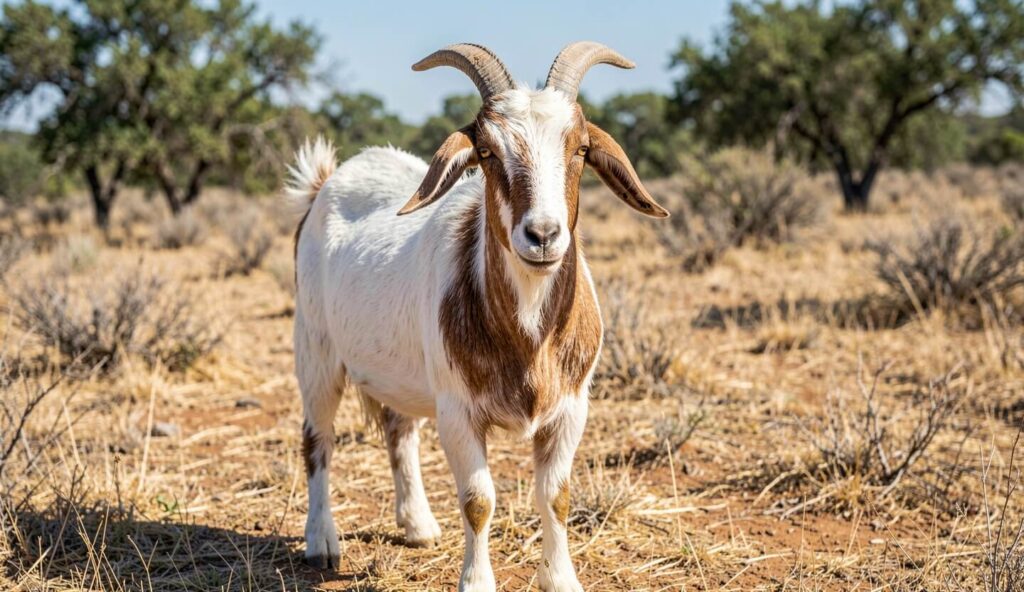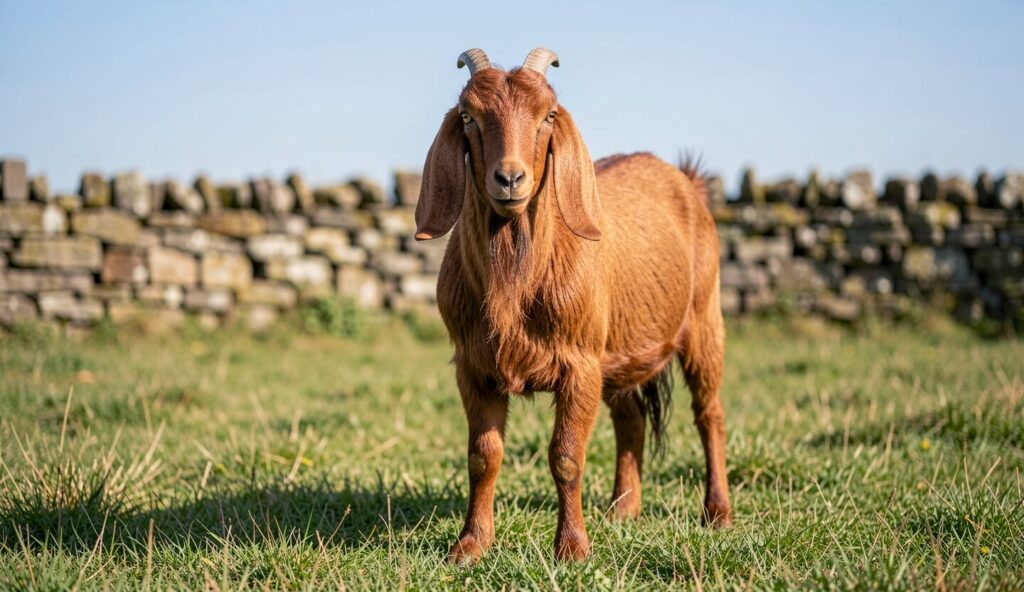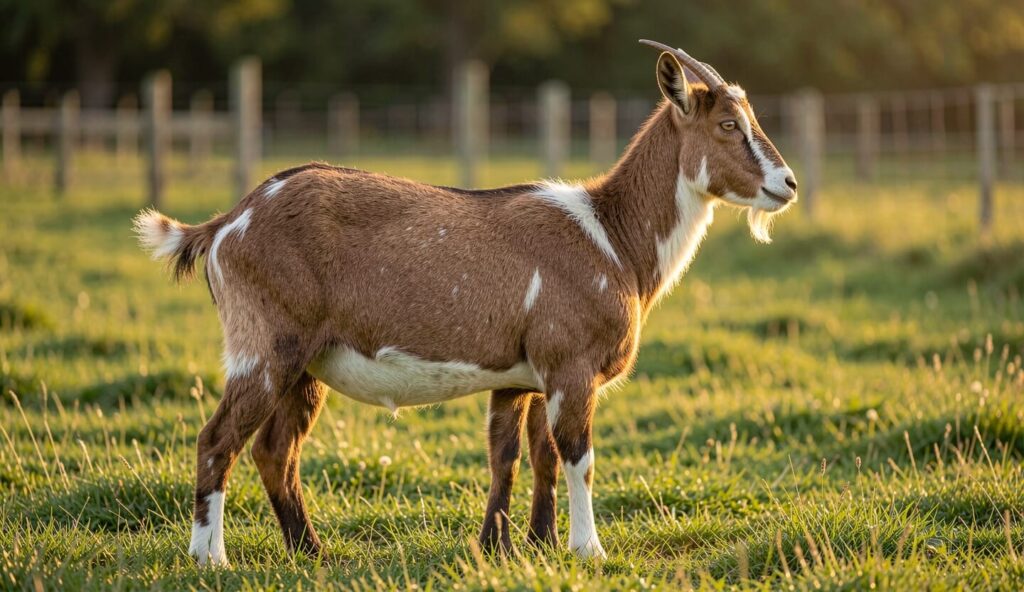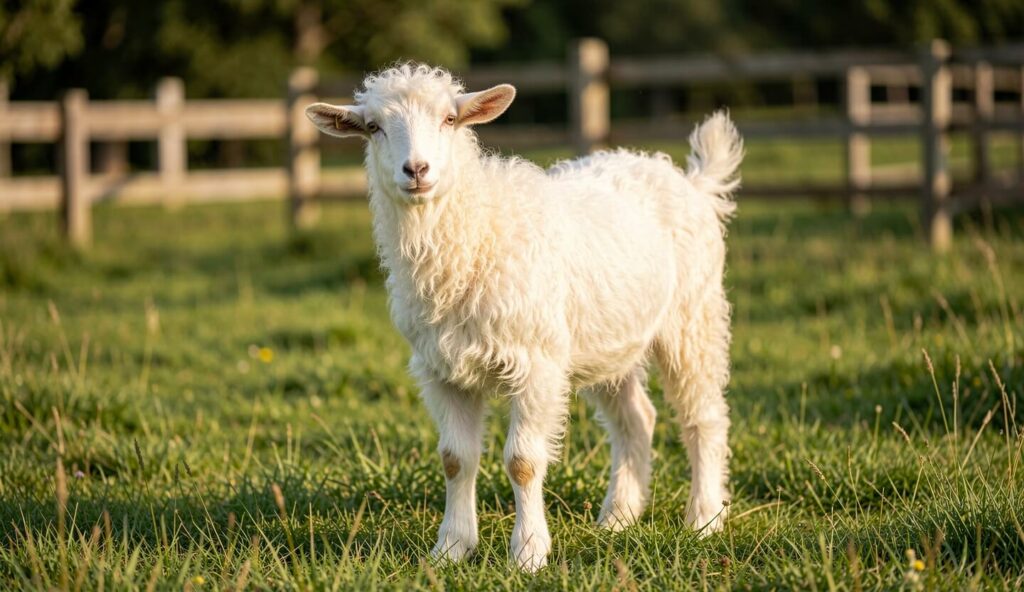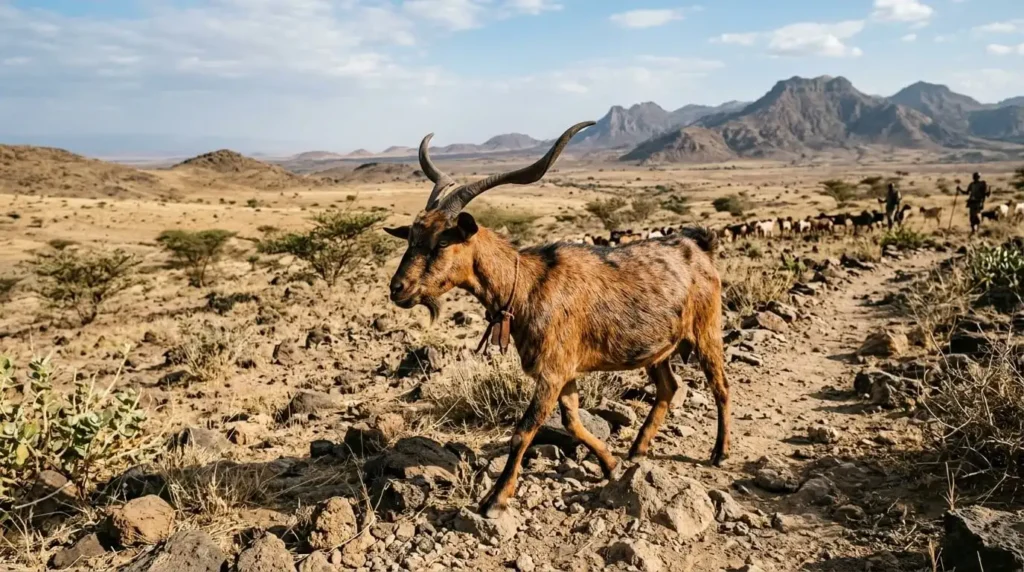
The Afar Goat is a hardy Ethiopian goat breed associated with the hot and dry Afar region. This short-eared goat type stands out for its ability to keep condition when forage quality drops. Many goat hobbyists and livestock owners choose Afar Goat management because it supports practical survival in arid conditions.
Afar Goat care focuses on consistent housing, careful feeding, and routine health checks. With solid management, the breed can fit smallholder goals for meat production and local milk needs. The following guide covers Afar goat characteristics, temperament, housing, diet, breeding, and the main health risks.
What Is An Afar Goat?
The Afar Goat is an Ethiopian goat breed known for its hardiness and useful everyday performance in challenging climates. Owners typically value the breed for managing feed scarcity and heat stress without requiring complex systems. Afar goats often fit well into small-scale farming where browsing and mixed forage supply matter.
Where The Afar Goat Comes From
The Afar Goat originates in Ethiopia and is closely to the Afar region and its surrounding dry lowlands. This area features high heat, strong sun, and limited, sparse vegetation for much of the year. Because of that, the Afar goat characteristics you see today reflect adaptation to arid rangelands.
Traditional herding practices often keep these goats in mixed, locally managed flocks. Many owners rely on browse, dry pasture, and seasonally available forage. That feeding approach shaped the breed’s day-to-day survival skills over time.
What The Breed Is Commonly Used For
Afar goats are primarily raised for meat, with milk production varying by local management and selective breeding. Some herds also keep goats for multipurpose value, depending on farm needs. The breed’s ability to maintain workable condition makes it useful where reliable feed inputs are limited.
In many settings, owners choose this Ethiopian goat breed because it tends to cope with heat and low-quality forage. It often supports practical flock management without heavy dependence on purchased grain. Still, good nutrition planning improves growth and kidding outcomes.
Afar Goat Characteristics And Physical Features
Identifying the Afar Goat starts with understanding its general body style and common visual traits. Afar goat characteristics often include a compact build suited to walking and browsing on uneven ground. The short-eared goat’s look is also frequently discussed when describing the breed’s appearance.
Exact coat color and pattern can vary across local lines, so identification should rely on the full set of features rather than a single marker. Observing ears, body shape, and overall hardiness helps owners compare animals within the same sourcing area. That approach also supports more accurate selection for breeding stock.
Key Identifying Traits
A short-eared goat impression is commonly associated with the Afar Goat. The ears and head carriage contribute to that look, especially when animals stand alert outdoors. Many owners also describe the breed as compact and sturdy for its size.
Coat pattern and color can vary across local lines. Some animals show lighter tones, while others carry darker or mixed markings. These variations often matter less than body condition and sound feet when choosing breeding candidates.
Size, Weight, And Body Build
Afar goats are generally medium-sized with a practical build. Sturdy legs and feet help them move across dry, uneven ground where moisture changes quickly. This body design supports daily browsing behavior and steadier footing.
Females and males may differ in size and neck thickness depending on individual genetics and management. Strong body structure improves resilience during heat waves and during periods of forage stress. Owners should still evaluate each animal’s condition score rather than relying only on breed labels.
Horns And Face Features
Horns may appear in both sexes, depending on breeding lines and local selection. Face shape typically supports browsing behavior, since the head position often stays ready for picking forage. Ears and overall head carriage can reinforce the short-eared goat impression.
When handling and checking animals, horns also influence how easily owners can manage separation in pens. Safe fencing and calm leading help avoid stress during health checks. Secure handling matters even with naturally alert goats.
Coat, Color, And Seasonal Changes
The coat protects from the sun and helps manage temperature swings between day and night. Shedding patterns can shift with seasonal changes, especially when heat and forage availability vary. Owners may also notice that coat texture changes as animals move between dry and slightly greener periods.
Color variation can help track individuals within a herd. That visual tracking supports recordkeeping for breeding and health events. It also helps during kidding seasons when newborn identification matters for early care.
Afar Goat Temperament And Handling
Afar goats typically show a temperament suited to arid, low-input environments. Afar goat temperament often includes alertness and independent behavior once routines develop. When owners establish consistent feeding times, goats usually settle more quickly to handling and checks.
Handlers should still plan for variability in skittishness based on early socialization. Calm, predictable approaches reduce stress and improve safety. Over time, many goats become easier to lead into pens for health work.
Typical Temperament In Flock Settings
In flock settings, Afar goats often remain alert and focused on feed availability. They usually adapt well to hot conditions and low-quality forage, so stress may not show strongly as long as water and minerals stay consistent. This breed often acts independently once it learns the feeding pattern.
Some goats may remain more cautious around unfamiliar people, particularly if they were not handled often. Gentle handling and short sessions build trust. Owners who keep routines stable typically see better calm behavior over time.
How Afar Goats React To New People And Animals
Gradual introduction reduces stress when bringing in new goats or changing pen groups. Consistent feeding times also support calm behavior because goats learn when food arrives. During mixing, supervision helps prevent fighting that can injure ears, faces, and legs.
Owners should watch for tail position, ear flicking, and sudden movements. These small behavior signals often show discomfort before obvious aggression happens. Clean water access and adequate space lower competition and keep the flock calmer.
Safe Tactics For Leading, Checking, And Hoof Work
Safe handling starts with a solid footing and a calm voice. Plan short check sessions so goats do not stay restrained longer than needed. Using a secure pen for hoof work improves safety for both animals and handlers.
Owners can reduce agitation by separating individuals rather than crowding. During routine inspections, avoid sudden grabbing around the head or legs. When hoof trimming becomes necessary, schedule it based on actual growth and wear patterns, not just calendar dates.
Exercise And Grazing Needs
Exercise and grazing support the Afar Goat’s physical condition and natural browsing behavior. Afar goats usually remain active when forage supply is available, especially when pasture includes sparse shrubs and brush. Daily movement also helps reduce boredom and supports normal digestion.
Good pasture planning can also support parasite control. Rotational grazing may reduce worm pressure when implemented alongside regular fecal monitoring. Owners should adjust plans to match local vegetation and climate patterns.
Grazing And Browsing Behavior
Afar goats often rely heavily on browsing and foraging on sparse vegetation. This behavior encourages steady movement and helps owners make use of low-value land. It can also lower feed waste when hay and concentrates are limited.
Rotational grazing supports pasture rest and can reduce parasite load. When pasture is thin, using browse lines and controlled access areas becomes more important. Owners should monitor droppings and body condition, since low forage can raise parasite risk during dry periods.
Daily Activity Expectations
Daily activity typically includes walking and searching for forage rather than long, continuous grazing. Owners can support this by providing access to browse and by avoiding long confinement without enrichment. Even short, controlled outings help goats behave more normally.
Body condition monitoring helps identify underfeeding signals early. A steady decline suggests forage quality dropped or mineral and water intake fell. Quick adjustments prevent larger health problems later.
Housing Essentials For Hot And Dry Conditions
Housing needs for the Afar Goat should reflect its native climate. Afar Goat care works best when shelter supports shade, airflow, and dryness rather than high humidity. Since the breed handles heat, the main housing goal remains preventing wet bedding and limiting parasite-friendly dampness.
Clean housing also supports skin health and reduces respiratory strain caused by ammonia buildup. Owners can design simple systems that fit local resources while still meeting airflow and drainage needs. Thoughtful pen layouts also make health checks easier and safer.
Shelter Requirements
Provide shade and windbreaks during extreme heat. Rain protection matters because wet bedding can increase disease risk and hoof problems. When temperatures stay high, an open-sided shelter often works better than a fully enclosed building.
During cooler nights or seasonal cold snaps, owners can add extra bedding without reducing airflow. The objective is balanced ventilation with enough dryness. That balance supports comfort and reduces stress signals.
Fencing And Pen Layout
Use secure perimeter fencing so that Afar goats can stay alert and active. Separate kidding areas help support clean management and easier newborn monitoring. A good layout includes clear pathways for leading animals to feed and inspection stations.
Feeding access points should allow calm entry and exit. When multiple animals must crowd a trough, competition can lead to injury. Owners can reduce conflict by offering multiple access points or adjusting spacing by herd size.
Bedding, Drainage, And Cleanliness
Dry bedding reduces hoof and skin issues in daily management. Ensure drainage to prevent muddy areas, since wet ground increases parasite exposure. Remove wet spots quickly and maintain a routine that keeps floors as dry as possible.
Owners should also check corners and shaded areas, since moisture often collects there. When cleaning, avoid leaving manure piles that trap moisture and create ammonia. A clean pen supports respiratory health and improves overall herd comfort.
Diet And Feeding For Afar Goat Health
Diet planning plays a major role in Afar Goat health and productivity. Afar goats usually do well on browse and forage suited to dry landscapes, but nutrition gaps can still appear. Afar goat diet management works best when fiber stays consistent, minerals remain available, and water stays clean.
Feeding should also match production stage because lactation and growth raise mineral and energy needs. Owners who adjust rations based on body condition can prevent weight loss and weaken immune response. Along with that, gradual feed changes protect digestion and rumen stability.
What Afar Goats Prefer To Eat
Afar goats rely heavily on browse and forage from dry rangelands. Where pasture becomes limited, hay helps stabilize nutrition. Owners should plan a hay source that includes enough quality fiber to support digestion.
New feeds should enter gradually to avoid digestive upset. Sudden changes can cause diarrhea, reduced appetite, and poor growth. When hay quality drops, owners may need to evaluate mineral intake and consider controlled supplementation.
Core Diet Components
Quality forage or pasture should form the foundation of the daily diet. Fresh water must remain available at all times, especially in hot weather. Minerals support bone health, reproductive performance, and overall immune function.
Mineral supplementation often matters most when forage is low in key nutrients. A goat-appropriate mineral plan helps bridge these gaps. Owners can also monitor water consumption changes during extreme temperatures to spot hydration problems early.
Concentrates And When To Use Them
Concentrates can support lactating does and growing kids when forage alone cannot cover energy needs. Overfeeding grain may lead to weight issues and digestive problems. For that reason, concentrates should complement fiber, not replace it.
Owners who use concentrates should measure portions and weigh animals periodically. When goats gain too quickly, hoof and metabolic issues become more likely. When goats fail to gain, the ration may need a fiber-quality review before increasing grain.
Minerals, Salt, And Water Management
Offer a loose mineral mix or mineral block designed for goats. Placement matters because goats may avoid minerals if troughs feel dirty or if competition is high. During hot periods, owners should check mineral intake patterns and ensure minerals do not sit wet.
Clean troughs lower contamination and reduce illness risk. For water management, refill before it becomes warm or dirty. If water tanks sit in direct sun, provide shade or use covered storage to improve freshness.
Feeding Schedule Examples
Morning routines often include forage and hay when pasture access is limited. Evening checks help confirm that goats consumed feed and drank water. Owners should adjust rations by body condition and production stage.
When pasture remains available, owners can still offer mineral access in the shelter area. That keeps intake steady and supports planned feeding. Consistency reduces stress and makes health monitoring easier because behavior stays predictable.
Grooming And Care Tips That Prevent Common Problems
Grooming for the Afar Goat should focus on practical hygiene and early detection. Regular care helps identify skin irritation, debris buildup, and hoof changes before they become serious. Afar goat care also benefits from routine checks that match the breed’s active, browsing lifestyle.
Owners can keep routines simple by using light brushing, periodic hoof inspections, and quick health observations. Because this Ethiopian goat breed often lives in hot, dry conditions, skin and hooves can still develop problems when surfaces remain abrasive or dusty. Consistent checks prevent that progression.
Coat And Skin Care
Brush lightly to remove debris and check for pests. Owners should watch for dry skin changes during high heat and seasonal shedding. It also helps to inspect around ears and the neck, since irritation can start in those areas.
When scratching or hair loss appears, treat the issue as an early warning. External parasites and skin conditions can spread if untreated. Owners should document when changes begin so a veterinarian can advise faster.
Hoof Health And Foot Inspection
Check hooves routinely for chips, uneven wear, and signs of discomfort. Provide clean, dry surfaces when possible, since wet ground can worsen hoof issues. Trimming schedules should follow growth rate and terrain type rather than fixed timelines.
Dry, sandy terrain can still cause uneven wear if animals frequently walk on hard surfaces. Owners should look for overgrowth and soft spots that suggest early problems. Timely trimming supports sound walking and reduces stress during feeding access.
Routine Health Checks
Routine health checks should include appetite monitoring and observation of chewing and rumen activity. Owners should also check eyes, nose, and breathing for any signs of abnormal discharge or effort. Swelling or skin lesions deserve immediate attention rather than waiting for later.
To keep records useful, note changes in droppings and behavior. A small shift can signal worms, feed mismatch, or infection. Early detection improves the chance of simple treatment and faster recovery.
Common Health Issues In Afar Goats
Afar goats can stay productive when care supports nutrition, clean housing, and parasite control. Still, several health risks commonly affect goats in hot and dry environments. Knowing the early signs supports faster action and less downtime for the herd.
Because parasites and dehydration can both influence body condition, monitoring should stay consistent. Owners should treat health issues as herd-level management problems when symptoms appear across multiple animals. That approach helps limit the spread and prevents repeated outbreaks.
Parasites And Deworming Planning
Gastrointestinal worms can reduce growth and condition in goats. Afar goats may show mild early signs, such as a dull coat or slower weight gain. Using fecal testing, where available, helps guide deworming decisions.
Rotational grazing can reduce parasite pressure when animals cycle through pastures. Owners should pair grazing management with regular monitoring of droppings and body condition scores. That combination often works better than blanket deworming schedules.
Respiratory And Heat-Related Stress
Hot weather can worsen breathing difficulty and dehydration risk. Providing shade, airflow, and accessible water reduces heat stress and supports normal rumen function. If breathing changes show up, owners should separate the affected goat for closer observation.
Sick animals should stay isolated to reduce the spread, especially if respiratory symptoms appear contagious. Owners should also watch for weakness and reduced appetite. Quick action lowers the chance of severe deterioration.
Nutritional Deficiencies And Body Condition Changes
Mineral gaps can affect bone health and reproductive performance in goats. Poor forage quality may cause thinning and low energy, especially during dry seasons. Body condition scoring helps owners identify problems before goats lose too much weight.
When condition changes occur, first review mineral and forage quality. Then evaluate water access and overall ration balance. In many cases, small adjustments prevent a more complex health decline.
Skin Problems And External Parasites
Ticks and mites can cause itchiness, hair loss, and irritation. Owners should check frequently in areas like the ears, neck, and underbelly. If signs are mild, early treatment can prevent heavy infestation.
Treatment should follow veterinary guidance because product choice depends on parasite type and herd conditions. Owners can also reduce risk by keeping bedding dry and by limiting contact with heavily infested animals. Consistent grooming supports faster detection.
Breeding Basics For Afar Goat Owners
Responsible breeding management supports healthier kids and more predictable kidding seasons. Breeding should prioritize goats with good feet, sound body condition, and stable health history. Afar goat breeding also benefits from planning space, feeding, and newborn care ahead of time.
Owners should keep records for lineage and kidding outcomes. Simple records help identify which breeding pairs produce stronger kids under local conditions. That information also supports long-term selection for Afar goat characteristics and performance goals.
Choosing Breeding Stock
Select animals with good body condition and sound feet. Weak or chronically unhealthy goats often pass problems to offspring and create higher labor needs during kidding. Keeping basic health notes helps avoid breeding goats with recurring issues.
Records for lineage and kidding outcomes help track which animals perform best. Over time, these records support a more confident selection. That improves both herd productivity and welfare.
Mating, Gestation, And Kidding Setup
Plan a clean kidding space with dry bedding before the expected due date. Monitor closely as kidding approaches because early attention can reduce complications. Ensure access to water and quality feed before and after kidding to support recovery.
Owners should keep the kidding area separate from the main pen when possible. Separation supports cleanliness and reduces newborn exposure to stress and parasites. It also makes it easier to observe kids during the first hours.
Newborn Care And Early Feeding
Newborn care starts with ensuring colostrum intake soon after birth. Colostrum supports immune protection and helps stabilize newborn digestion. Keep kids warm and dry during the first hours, especially in weather shifts.
Owners should provide age-appropriate milk or starter feed depending on the doe’s milk availability. Observation matters because weak kids may need extra help with sucking. Clean water and hygienic feeding tools reduce disease risk.
Starter Checklist For New Afar Goat Owners
A starter checklist helps new owners prepare before goats arrive. Since the Afar Goat lives comfortably in dry, hot settings with the right setup, focus first on shade, ventilation, and clean water. Afar goat housing and feeding decisions made early reduce stress and health issues later.
This checklist supports both smallholder farms and hobby setups. It also improves day-one readiness so routine care becomes easier. Use it as a quick reference while setting up pens and daily tasks.
Before Bringing Home The First Group
- Secure shade and windbreaks in pens
- Install clean water points with easy access
- Source quality hay for forage support
- Create a mineral plan for goat nutrition
- Plan secure fencing for safe separation
- Set a routine for hoof checks and quick exams
For owners comparing Ethiopian goat breeds, record differences in ear shape, body build, and overall condition. That approach helps confirm the animals fit the expected Afar goat characteristics. It also supports a more confident selection for future breeding.
Daily And Weekly Tasks To Keep Goats Healthy
- Feed forage and confirm that goats finish the ration
- Inspect coats, ears, and eyes for early irritation
- Check hooves for new chips and uneven wear
- Record appetite, droppings, and behavior changes
- Clean wet spots and maintain dry bedding areas
- Monitor water intake during peak heat days
Owners can keep health records in a simple notebook. When issues arise, those notes speed up decision-making. They also support herd-level parasite planning when multiple goats show similar symptoms.
Is An Afar Goat Right For You
The Afar Goat suits owners who want a hardy Ethiopian goat breed adapted to hot and dry conditions. It also fits management styles that depend on browsing and practical forage use. Still, good results require consistent minerals, clean housing, and regular health checks.
Evaluating climate, available forage, and daily labor helps determine fit. When management stays steady, Afar goats often perform well in local systems. When management becomes inconsistent, health problems may rise quickly.
Great Fits For Many Smallholders
- Suitable for hardiness-focused ownership and forage resilience
- Works well where pasture is limited or seasonal
- Supports multipurpose plans with meat and milk goals
- Benefits owners who can manage regular water and mineral access
For many farmers, this breed provides a practical option when feed inputs are limited. The short-eared goat look can also make identification easier within local goat mixes. That clarity helps when tracking individual animals for breeding or health events.
Considerations Before Committing
- Requires consistent mineral and water management
- Needs clean, dry housing to limit parasite and skin issues
- Breeding needs planned kidding space and newborn monitoring
- Daily observation improves early detection of weakness
Before committing, verify the ability to handle hoof checks and quick exams. Also, confirm that hay quality and forage supply can support fiber needs during dry periods. Planning reduces the chance of nutritional deficiencies and improves overall herd stability.
If more Ethiopian goat breed comparisons help decision-making, resources on the Abergelle Goat can provide useful context on another hardy Ethiopian livestock option. Owners can also compare regional management styles by reviewing Abaza Goat for dual-purpose planning ideas that may influence herd goals.
FAQs: Afar Goat Care And Breeding
What Are The Most Notable Afar Goat Characteristics?
Afar goats typically have a compact, hardy build suited to hot and dry environments. The short-eared goat’s look is commonly associated with the breed, and coat colors can vary across local lines.
What Should An Afar Goat Eat Every Day?
Forage and pasture should make up most of the daily diet. Quality hay supports nutrition when grazing is limited, and fresh water plus goat-appropriate minerals remain essential.
How Do Afar Goats Handle Hot Weather?
Afar goats are adapted to heat and arid conditions. Shade, ventilation, and reliable water reduce heat stress, and owners should monitor breathing and hydration during peak temperatures.
Are Afar Goats Good For Beginners?
Afar goats can be managed with consistent routines and predictable feeding times. Beginner success improves most when housing stays clean, minerals stay available, and basic health checks happen on schedule.
What Health Problems Are Most Common In Afar Goats?
Parasites can affect growth and body condition if grazing management and monitoring are weak. External parasites and skin issues may also occur without regular grooming, and nutritional gaps can show up as thinning or poor performance.
How Can Owners Set Up Breeding And Kidding Safely?
Breeding stock should have good feet, stable body condition, and sound health history. A dry, clean kidding area should be ready ahead of time, and newborns must receive colostrum soon after birth.
A Practical Way To Support Afar Goat Success
Consistent Afar Goat care comes down to steady feeding, dry housing, and routine health monitoring. When those basics stay in place, the breed’s natural hardiness supports day-to-day flock performance in arid environments.