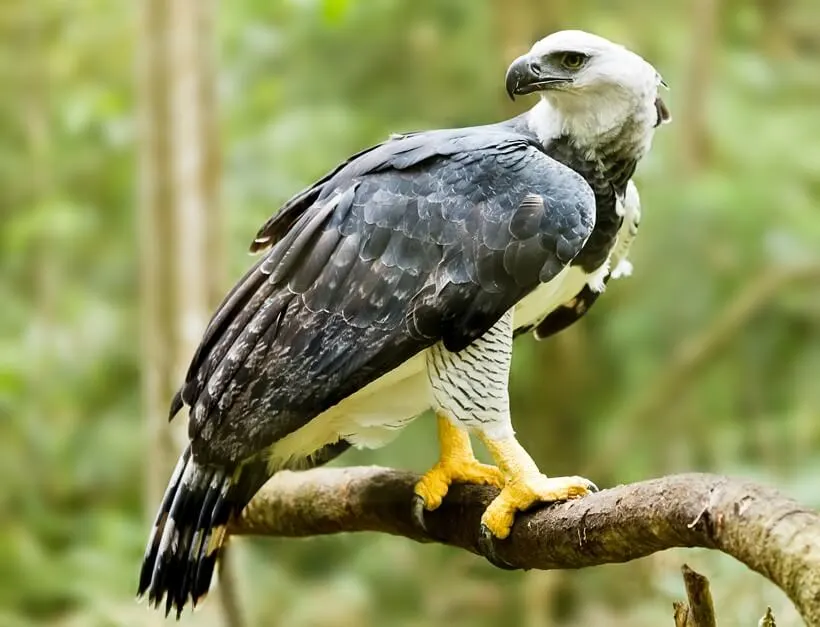
Harpy Eagle – The Mighty Ruler of the Rainforest Skies
Introduction
With talons larger than a grizzly bear’s claws and a wingspan that can reach seven feet, the Harpy Eagle is one of the strongest and most impressive birds in the world. Found in the rainforests of Central and South America, this large eagle is known for its powerful wings, sharp eyes, and bold crown of feathers. Although it looks fierce, the Harpy Eagle plays a gentle but important role in keeping the forest healthy. As one of the largest eagle species on Earth, it shares the title of apex predator with other impressive raptors like the Philippine eagle and the crowned eagle of Africa.
Origin and Natural Habitat
Harpy Eagles live in tropical rainforests from southern Mexico to northern Argentina. They like quiet, deep forests with tall trees where they can safely build nests and hunt. These birds often nest very high up, more than 100 feet above the ground, preferring undisturbed old-growth forests that provide ample prey and nesting sites.
Physical Characteristics
Harpy Eagles are huge and easy to recognize:
- Height: 3 to 3.5 feet
- Wingspan: Up to 7 feet
- Weight: 13 to 20 pounds
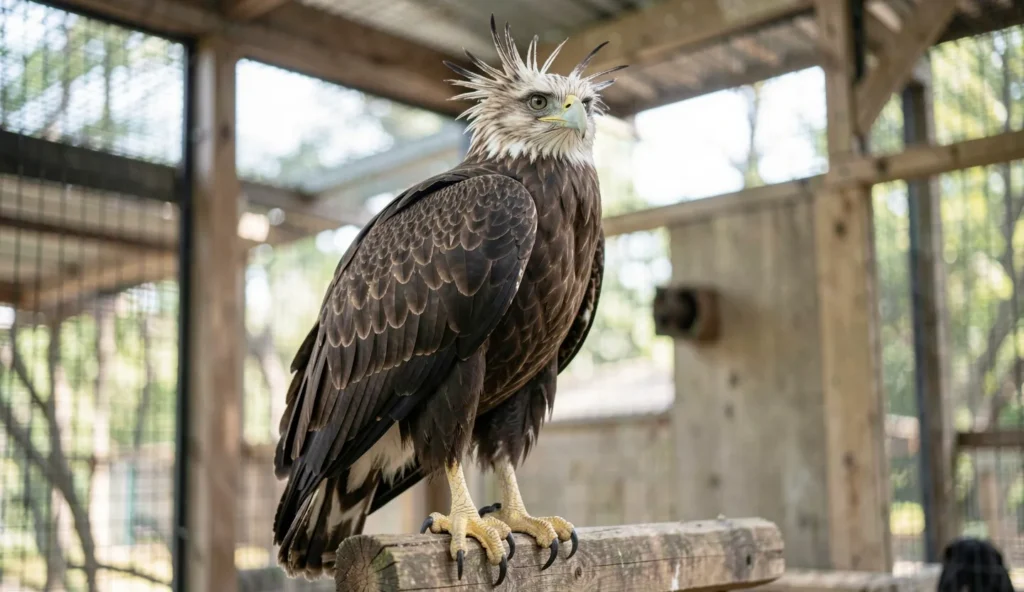
- Color: Gray back, white belly, black chest band
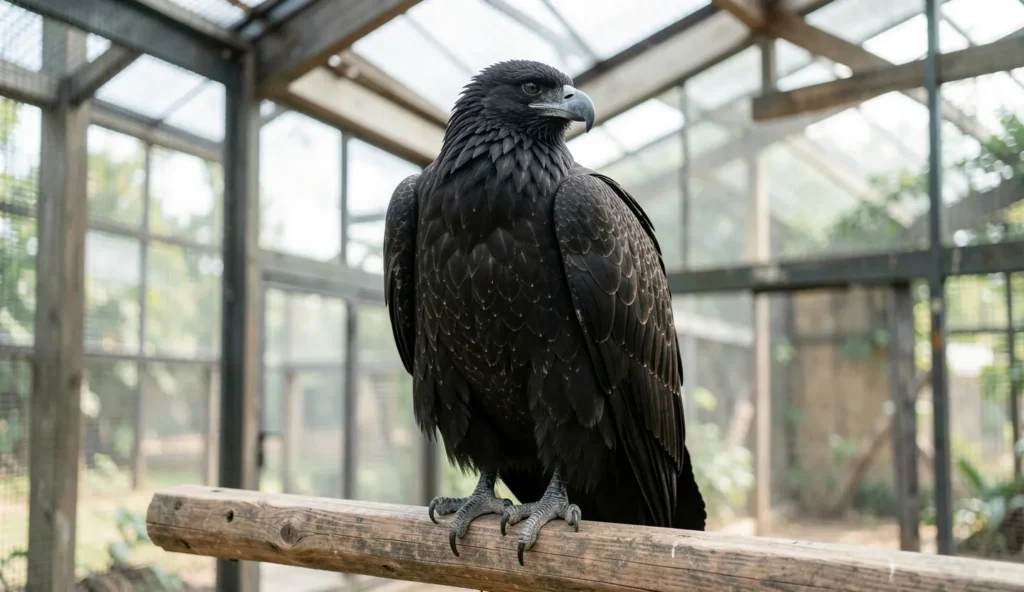
- Unique Feature: Feathered crest that stands up when they are alert
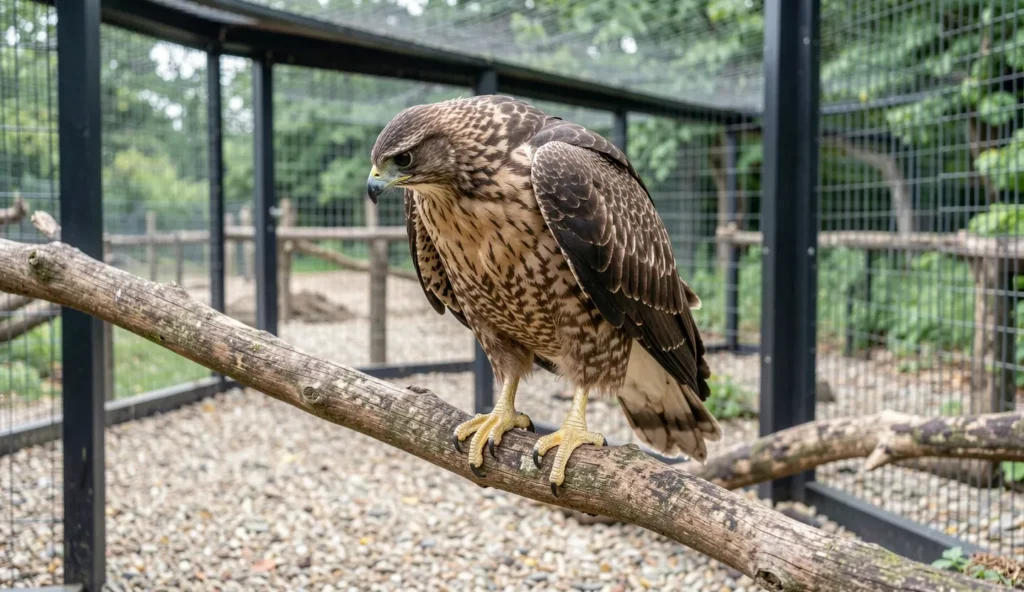
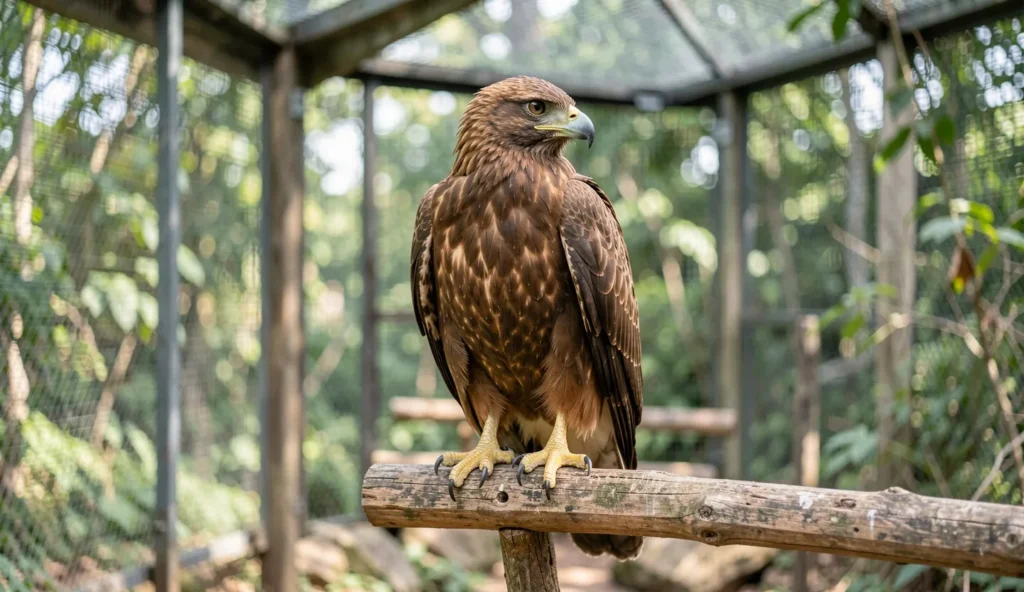
Their legs are thick and strong, and their claws are bigger than a bear’s—perfect for grabbing prey in trees. In fact, their rear talons can measure up to 5 inches long, making them one of the most powerfully built eagles in the world, comparable to the martial eagle of Africa.
Diet and Hunting
Harpy Eagles are meat-eaters and hunt animals that live in trees. Their diet includes:
- Sloths and monkeys
- Large birds like toucans
- Small mammals and reptiles
They wait quietly, then swoop in and grab their prey with great speed and power. Their silent flight helps them surprise their targets. Unlike some other large eagles that hunt in open areas, the Harpy Eagle is specially adapted for maneuvering through dense forest canopies.
Family Life
Harpy Eagles mate for life and raise babies together. Their parenting style is caring and cooperative:
- Build huge nests high in trees
- Lay 1–2 eggs every few years
- Usually raise one chick at a time
- Both parents feed and protect the chick for nearly a year
Because they raise chicks slowly, their numbers grow slowly too. A single breeding pair may only successfully raise one chick every two to three years, which makes population recovery a slow process when habitats are threatened.
Importance in the Forest
Harpy Eagles help keep forests healthy by controlling the number of animals like monkeys and sloths. This balance helps other plants and animals survive, too. As an umbrella species, protecting Harpy Eagles also protects many other forest species that share their habitat.
Smart and Skilled
These eagles are smart hunters. They use:
- Amazing vision—they can spot prey from 600 feet away
- Silent flight to sneak up on animals
- Strong memory to find the best hunting spots
They avoid people and prefer peaceful forest areas. Their intelligence and adaptability make them successful predators in some of the most challenging environments on Earth.
Conservation and Threats
The Harpy Eagle is listed as Near Threatened. The main threats include:
- Cutting down forests for farming or cities
- Human disturbance and illegal hunting
- Accidents with power lines or vehicles
Groups in Brazil, Panama, and other countries work hard to save them through forest protection and education. Conservation efforts have included reintroduction programs and community-based monitoring that involve local people in protecting nesting sites.
Connection with People
In some Indigenous cultures, Harpy Eagles are honored as spiritual animals. Conservation programs now involve local communities in saving the birds and their homes. Eco-tourism also helps protect Harpy Eagles when done respectfully, providing economic incentives for forest preservation.
Fun Facts About Harpy Eagles
- Their claws are bigger than a grizzly bear’s!
- Their eyesight is 8 times sharper than a human’s
- Nests can be over 5 feet wide
- Their call is a soft whistle, not a scream
Frequently Asked Questions
Q1: Why are they called Harpy Eagles?
A: Their name comes from Greek mythology. Harpies were winged creatures, and this eagle’s bold look reminded people of them.
Q2: Are Harpy Eagles in danger?
A: They are considered Near Threatened. Their population is going down due to habitat loss, but conservation work is helping.
Q3: Can I see one in a zoo?
A: Yes, some zoos have Harpy Eagles to help educate people and protect the species.
Q4: Do Harpy Eagles attack humans?
A: No. They are shy and prefer to avoid humans.
Q5: How long do Harpy Eagles live?
A: In the wild, they can live 25 to 35 years. In captivity, some live even longer with proper care.
Conclusion
The Harpy Eagle is not just a powerful bird—it is a symbol of the wild rainforests it calls home. With its incredible strength, gentle parenting, and quiet presence, it reminds us how amazing nature can be. By protecting Harpy Eagles, we are also protecting the forests and all the life within them. For those fascinated by large birds of prey, exploring other apex raptors like the golden eagle or the bald eagle offers a deeper appreciation for how these magnificent hunters have adapted to different environments around the world.