
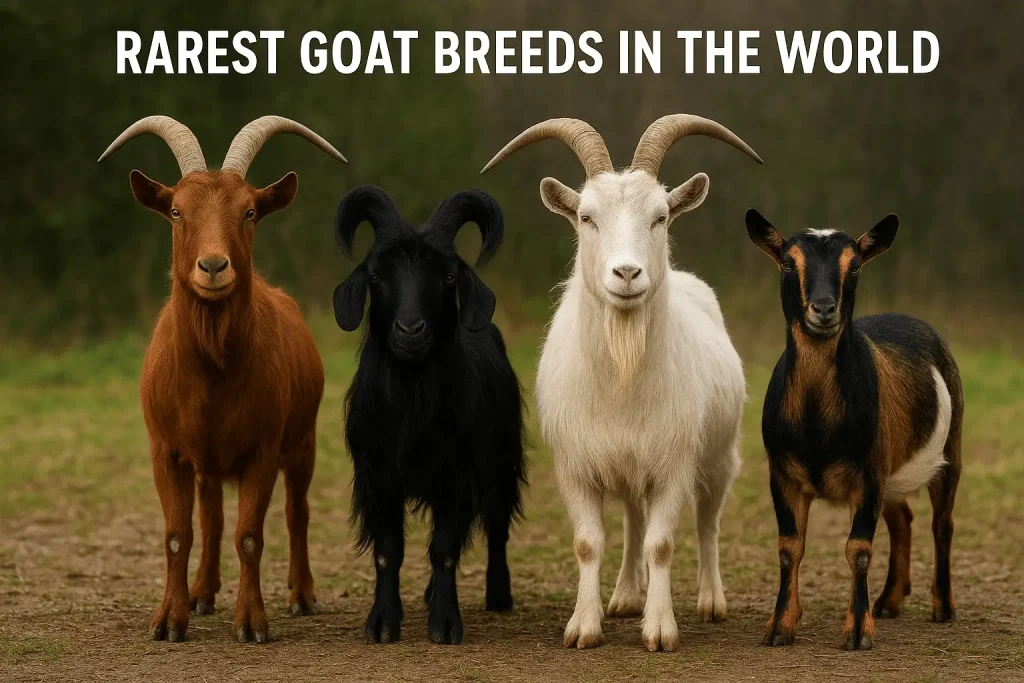
Rarest Goat Breeds in the World
Rarest Goat Breeds in the World Goats have been an essential part of human life for centuries, providing milk, meat, […]
Goats have been an important part of human life for thousands of years. They provide milk, meat, fiber, and even companionship. Across the world, there are many different goat breeds, each with unique traits and purposes. Whether you’re a farmer, a smallholder, or simply an animal lover, understanding different goat breeds can help you choose the right one for your needs.
The Boer Goat is one of the most popular goat breeds for meat production. Originating in South Africa, Boers are known for their fast growth, strong build, and calm nature. They are easily recognized by their white bodies and reddish-brown heads. Boer goats are hardy and adaptable, making them a top choice for both commercial and small-scale farmers.
The Saanen Goat comes from Switzerland and is one of the best dairy breeds in the world. These goats are large, gentle, and produce a high amount of milk. Their milk is rich, mild in flavor, and suitable for making cheese and other dairy products. Saanens prefer cooler climates and require good shelter from heat and direct sunlight.
Alpine Goats are also excellent milk producers and originate from the French Alps. They are medium to large in size, with a variety of coat colors and patterns. Known for their lively and friendly temperament, Alpines adapt well to different environments. Their milk is known for its balanced fat content and great taste.
The Nubian Goat, also known as the Anglo-Nubian, is famous for its long, floppy ears and vocal personality. Nubians produce rich, creamy milk with a high butterfat content. They are also friendly and social animals that enjoy interaction with people. Because of their heat tolerance, they are popular in warmer regions around the world.
The Beetal Goat is a well-known breed from South Asia, especially in India and Pakistan. It is a dual-purpose breed, raised for both milk and meat. Beetal goats are large, with glossy coats and drooping ears. Their milk production is high, and they are known for their gentle and intelligent nature, making them easy to manage.
The Jamunapari Goat, often called the “queen of goats,” is a tall and elegant breed from India. It produces rich milk and is also used for meat. Jamunaparis are known for their beautiful appearance, long legs, and distinctive Roman nose. They adapt well to warm climates and are often crossbred to improve local goat varieties.
Originating in Switzerland, Toggenburg Goats are among the oldest known dairy breeds. They have soft brown coats with white markings on the face, legs, and tail. Their milk is consistent and suitable for cheese-making. Toggenburgs are calm, affectionate, and thrive in moderate climates.
The Black Bengal Goat is a small but valuable breed found mainly in Bangladesh and eastern India. Despite their small size, they are known for high-quality meat and skin. They also reproduce quickly, which helps small farmers earn a steady income. Black Bengals are strong, disease-resistant, and can survive in harsh conditions.
Angora Goats are raised for their soft, shiny fiber called mohair. They are medium-sized with long, curly coats. Originating in Turkey, Angora goats need careful grooming and a clean environment to maintain the quality of their wool. Their gentle nature makes them easy to handle, especially for fiber farming.
The Cashmere Goat produces one of the world’s most luxurious fibers — cashmere wool. Found in regions with cold climates like Mongolia and Tibet, these goats grow a soft undercoat that is combed and spun into fine yarn. Cashmere goats are hardy and can survive in tough environments, but they require regular grooming during shedding season.
When selecting a goat breed, it’s important to consider your purpose — whether you want goats for milk, meat, fiber, or as pets. Here are some helpful tips:
Regardless of the breed, goats need proper care and attention to stay healthy and productive:
Goats contribute significantly to rural livelihoods around the world. They are easy to raise, require less space than cattle, and can thrive in various climates. Goat milk is nutritious and easily digestible, while their meat is lean and high in protein. Additionally, goat manure enriches soil, making it a valuable resource for sustainable farming.
From the strong Boer to the elegant Jamunapari, the world of goat breeds is full of diversity and beauty. Each breed has its strengths and contributes in different ways to farming and communities. By choosing the right breed and providing proper care, goats can become a rewarding part of any farm or homestead. Their intelligence, adaptability, and friendly nature make them one of humanity’s most trusted and valuable animals.
Rarest Goat Breeds in the World Goats have been an essential part of human life for centuries, providing milk, meat, […]
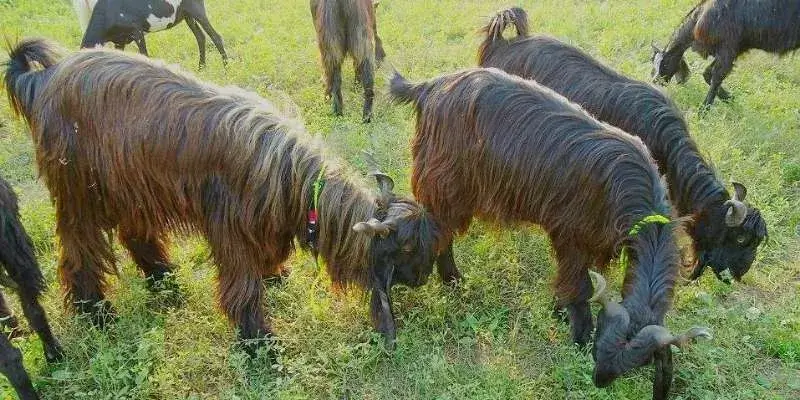
🐐 Dera Din Panah Goat – The Pride of Punjab’s Livestock 🌍 Dera Din Panah Goat Overview and Introduction The
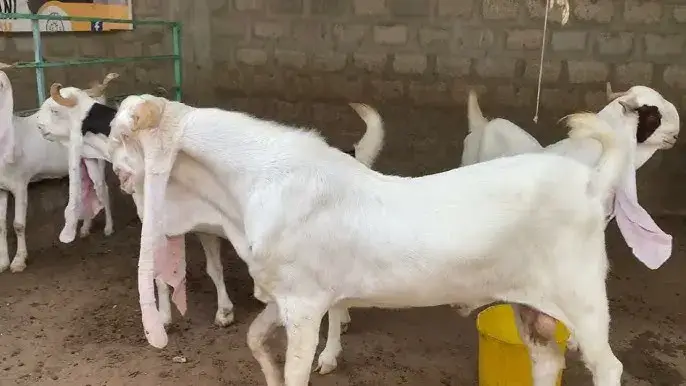
Gulabi Goat – The Graceful Beauty of Pakistani Goat Breeds The Gulabi Goat, often known as the “White Beauty of
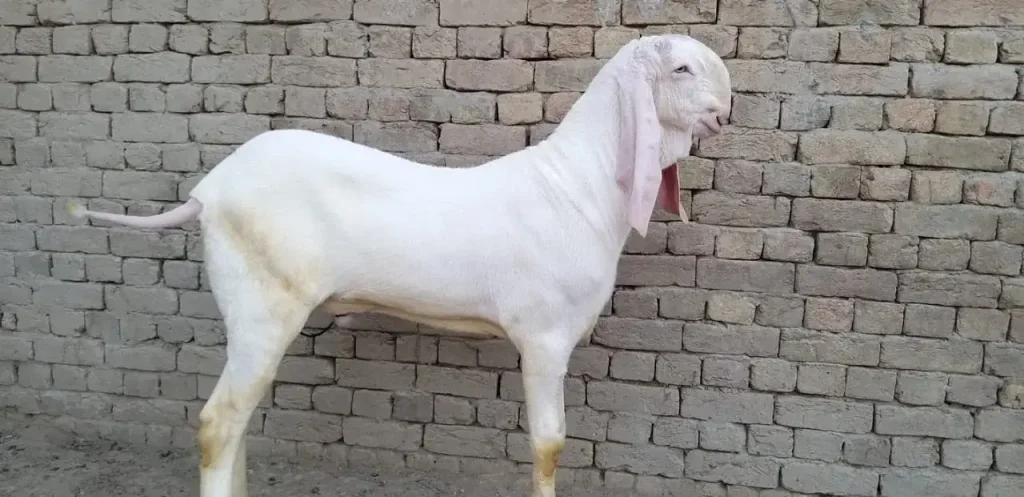
🐐 Rajhanpuri Goat – The Majestic Meat Breed of Southern Punjab 🌍 Introduction The Rajhanpuri Goat is one of Pakistan’s
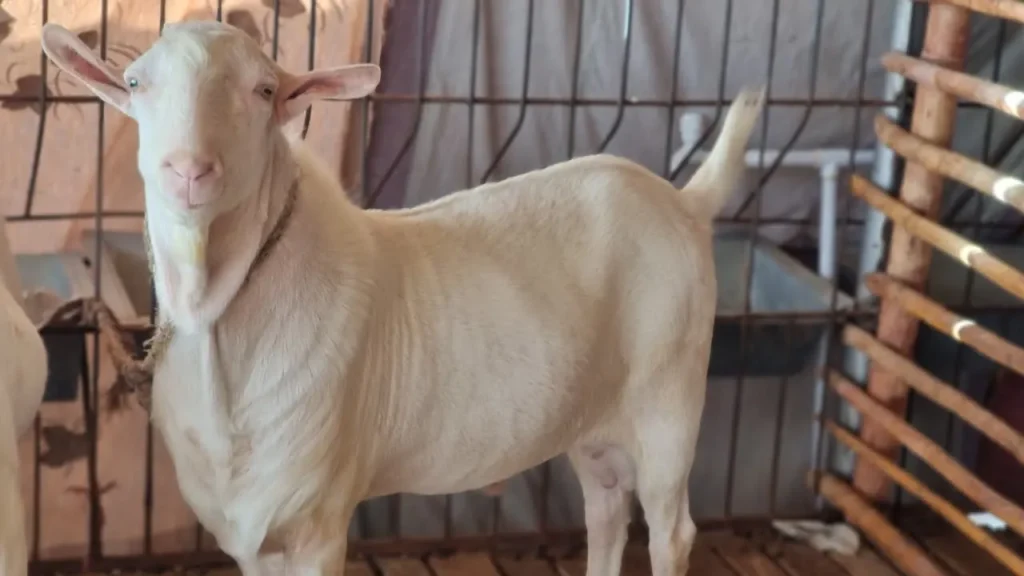
🐐 Teddy Goat – The Compact Powerhouse of Punjab, Pakistan 🌍 Introduction The Teddy Goat is one of Pakistan’s most
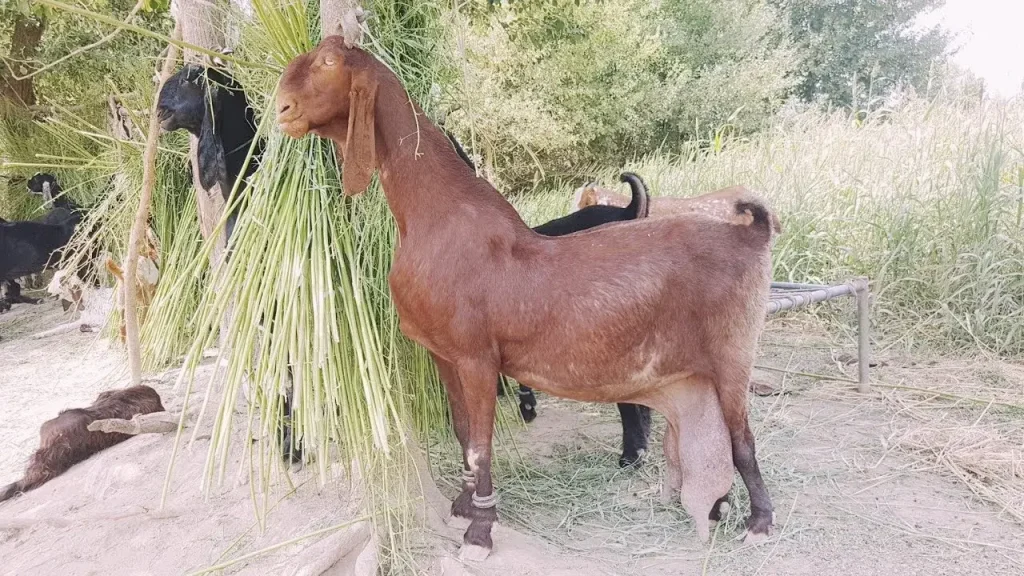
🐐 Nachhi Goat – The Elegant Jumper of Sindh 🌍 Introduction The Nachhi Goat—also known as the “Dancing Goat”—is one
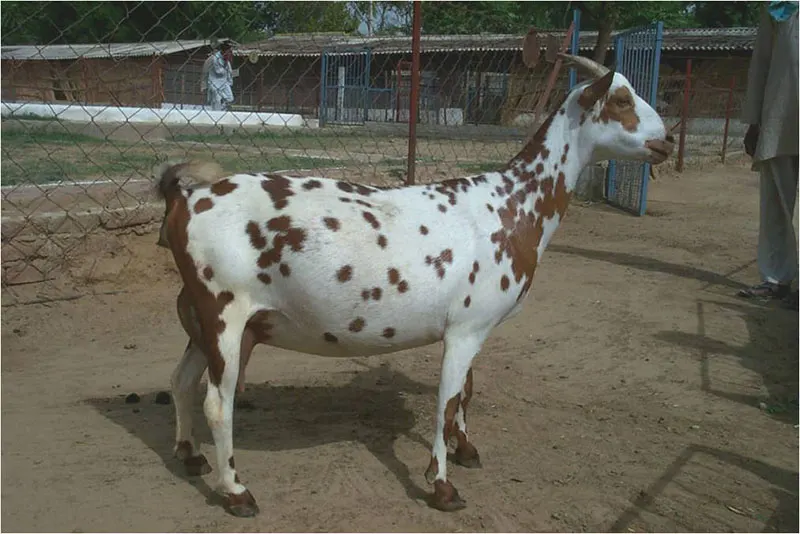
🐐 Barbari Goat – The Small Marvel of Northern Pakistan and India 🌍 Introduction The Barbari Goat is one of
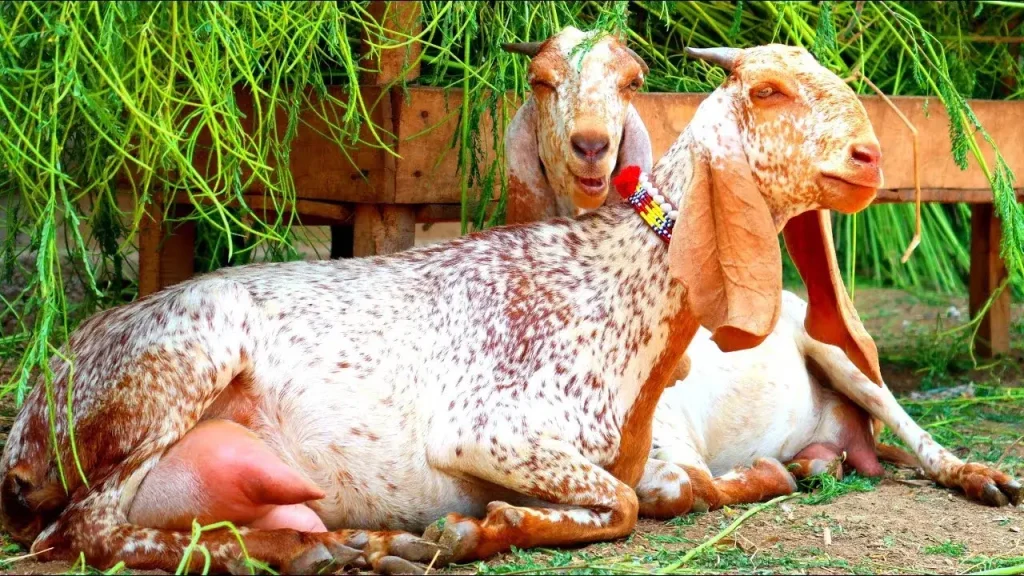
🐐 Makhi Cheeni Goat – Pakistan’s Graceful and Rewarding Dairy Breed 🌿 Introduction The Makhi Cheeni Goat is one of
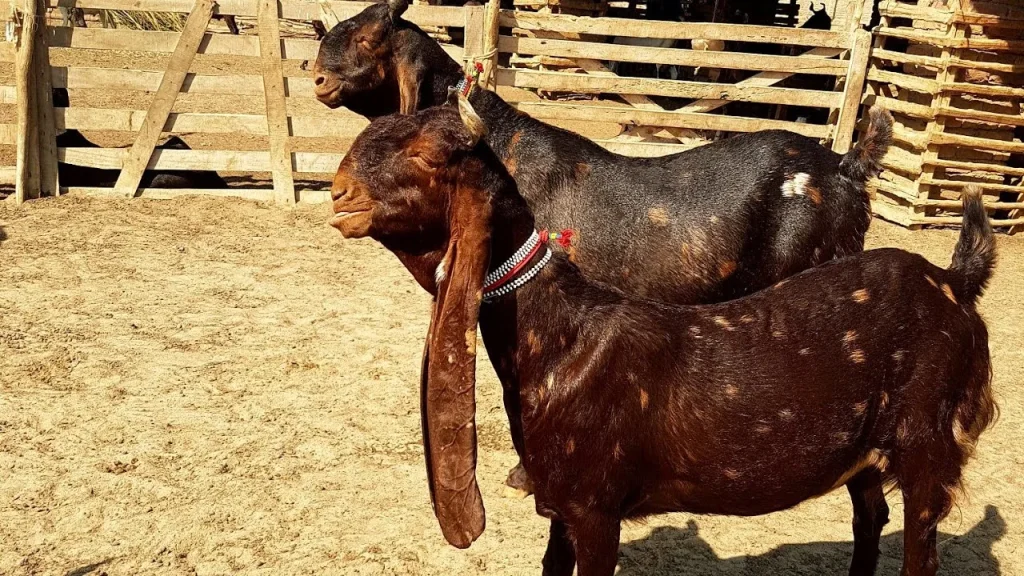
🐐 Kamori Goat – The Elegant Beauty of Sindh, Pakistan 🌍 Introduction The Kamori Goat is one of Pakistan’s most
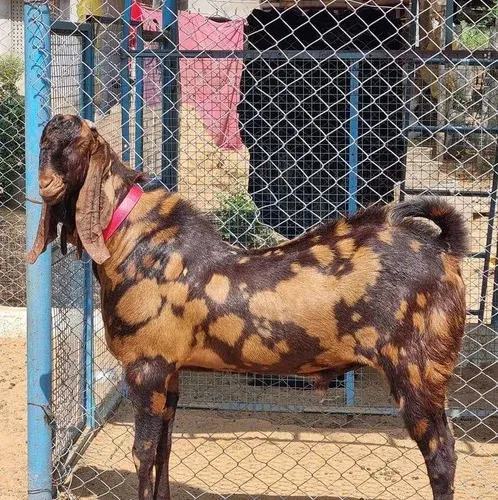
🐐 Beetal Goat – The Pride of Pakistan and India 🌍 Introduction The Beetal Goat is one of the most
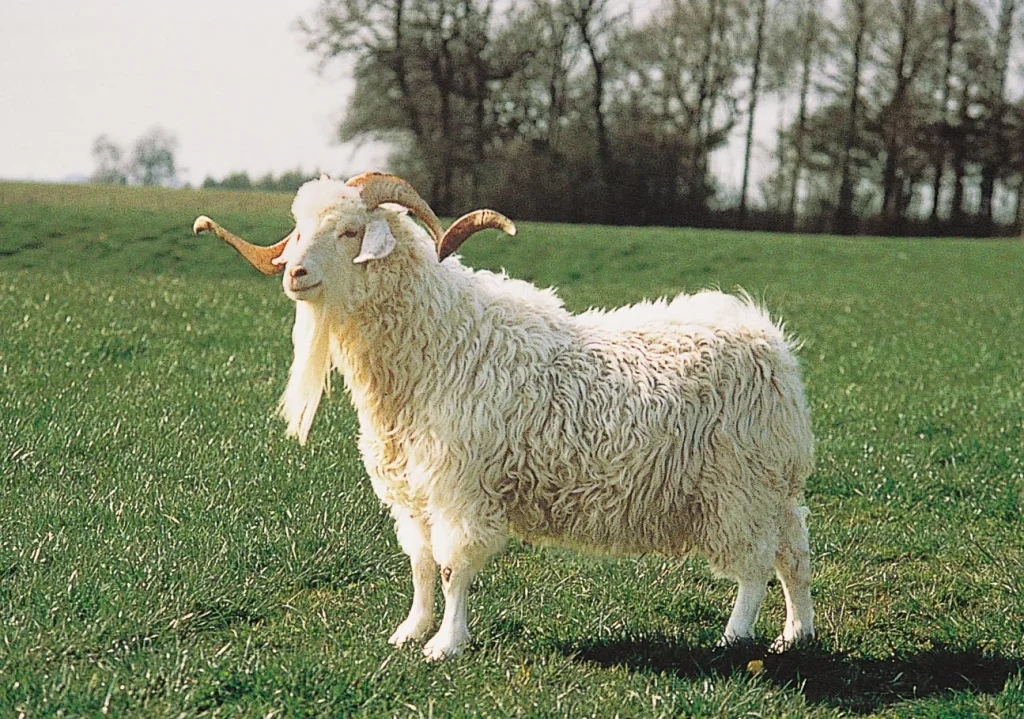
🐐 Angora Goat – The Elegant Fiber Producer Behind Luxurious Mohair 🌍 Introduction The Angora Goat is a majestic and
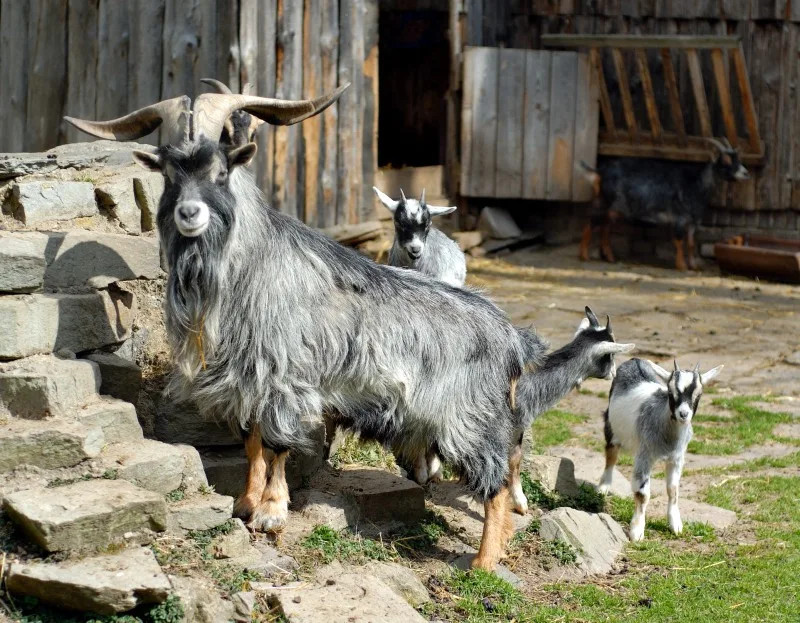
🐐 Pygmy Goat – The Miniature Pet and Milk Producer 🌍 Introduction The Pygmy Goat is a popular miniature breed
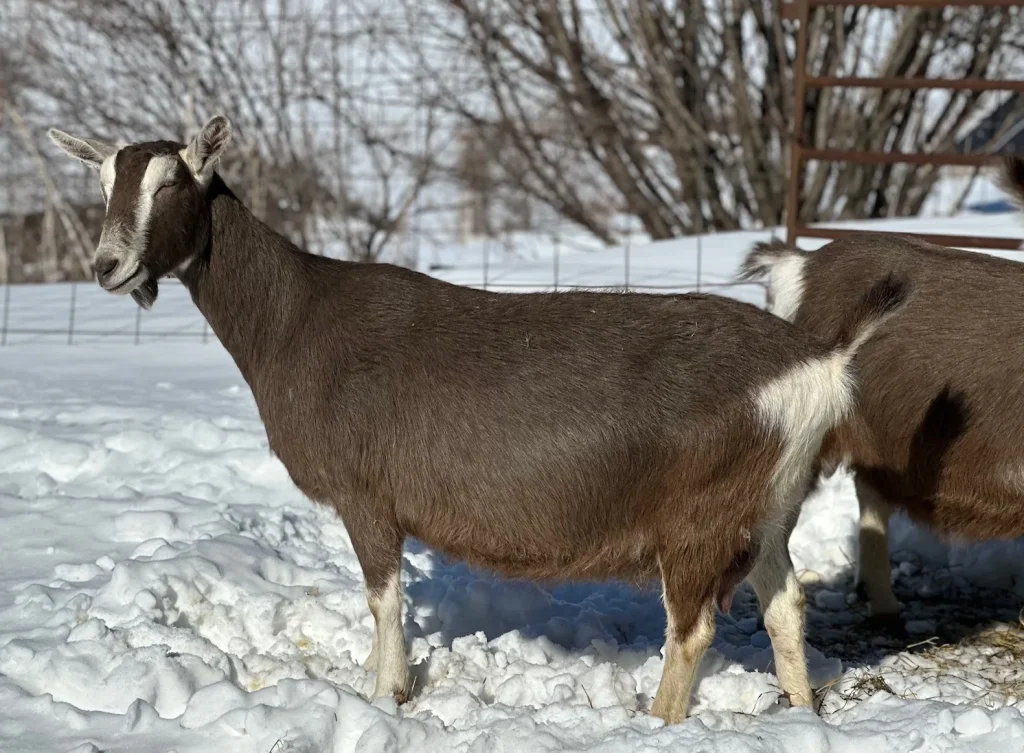
🐐 Toggenburg Goat – The Oldest Known Dairy Goat Breed 🌍 Introduction The Toggenburg Goat is a time-honored dairy breed
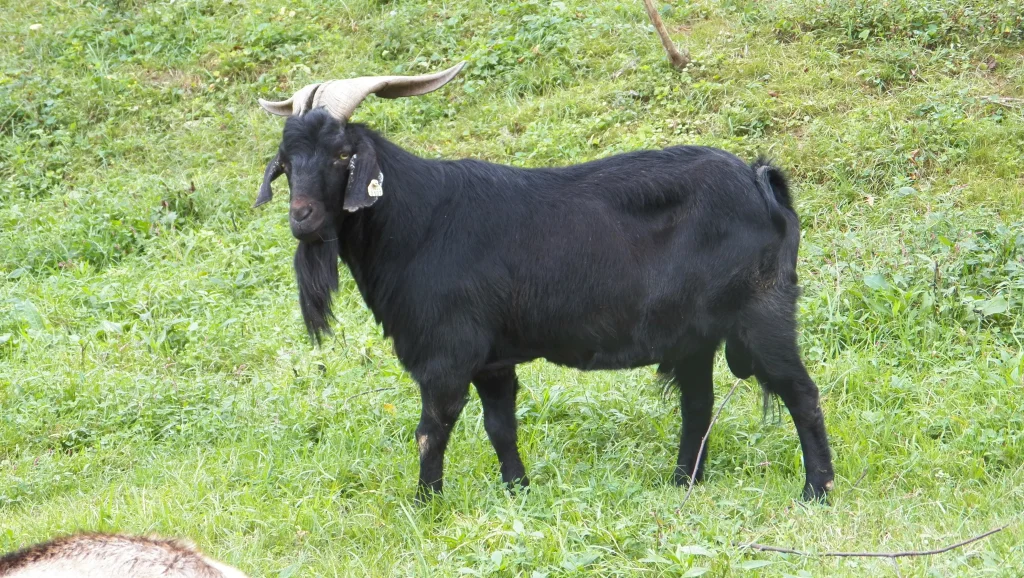
🐐 Kiko Goat – The Hardy Meat Goat from New Zealand 🌍 Introduction The Kiko Goat is a resilient meat
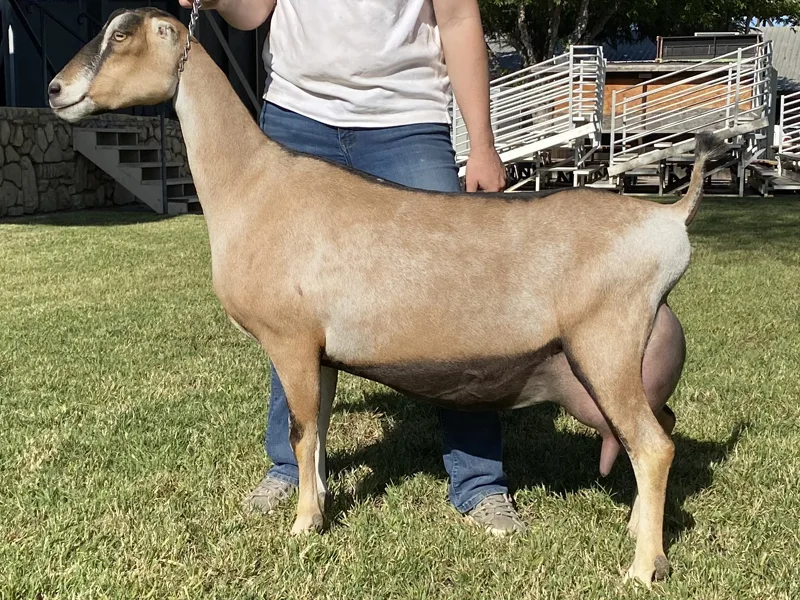
🐐 LaMancha Goat – Earless Elegance with Exceptional Milk Production 🌍 Introduction The LaMancha Goat is instantly recognizable due to
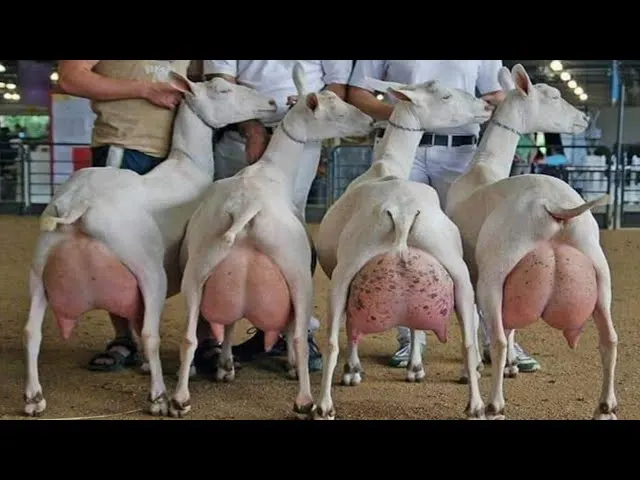
🐐 Saanen Goat – The Gentle Giant of Dairy Goat Breeds 🌟 Introduction The Saanen Goat is often referred to
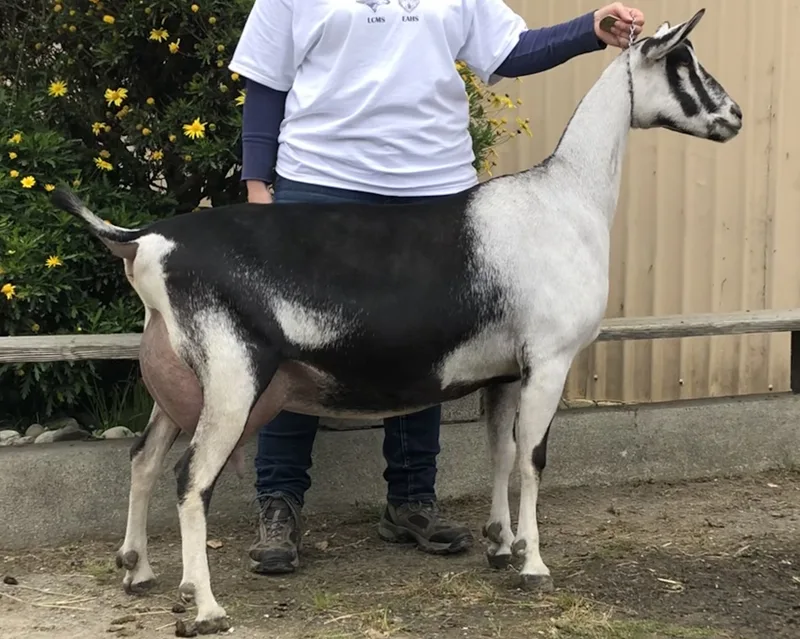
🐐 Alpine Goat – The Hardy and High-Yield Dairy Champion 🌟 Introduction The Alpine Goat is a favorite among dairy
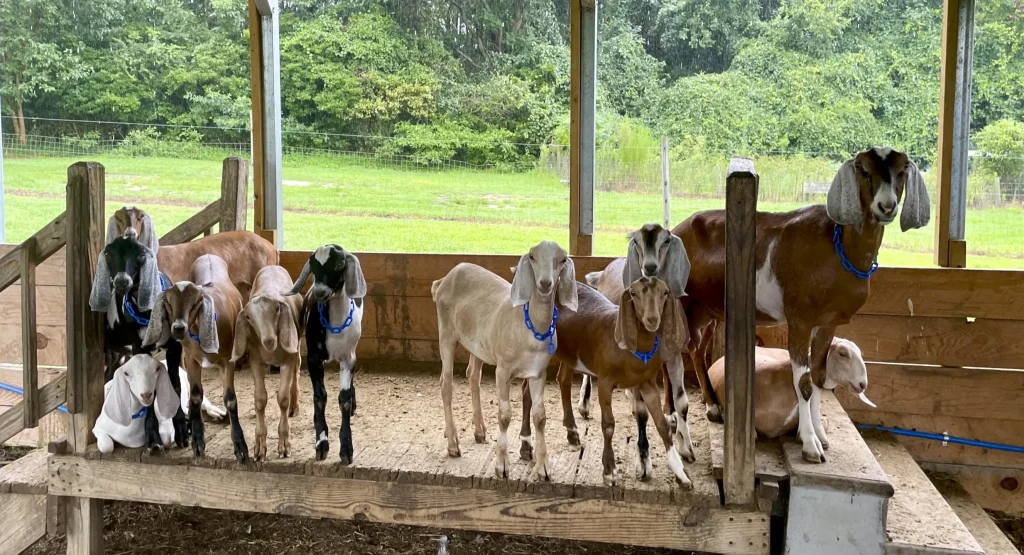
🐐 Nubian Goat – The Friendly and Versatile Dairy Goat 🌟 Introduction The Nubian Goat, also known as the Anglo-Nubian,
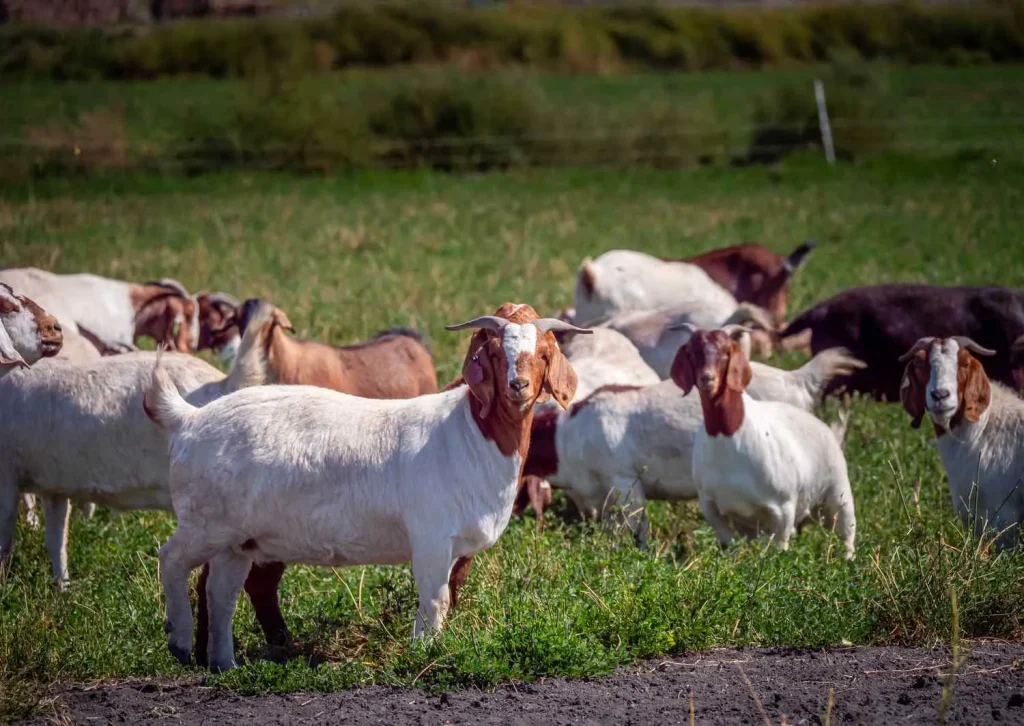
🐐 Boer Goat – The Powerhouse of Meat Goat Breeds 🌟 Introduction The Boer Goat is one of the most