What Is A Trakehner Horse
The Trakehner horse is a European warmblood known for an elegant build, strong work ethic, and high trainability. This breed grew from sport-focused breeding and is often associated with dressage. Many riders choose the Trakehner horse for disciplined schooling and reliable responsiveness.
Trakehners also fit into eventing programs when their flatwork base gets handled carefully. They tend to reward consistent cues and steady routines, especially during early training. For readers comparing warmblood types, the broader category of a warmblood horse can help frame expectations about movement and management.
Where Trakehners Come From
Trakehner history traces back to the East Prussia region, where breeding records and performance goals developed over time. Breeders focused on producing an athlete rather than only a show horse. As a result, the Trakehner temperament often pairs willingness with sensitivity.
Over generations, the breed shifted toward sport use while preserving type and performance goals. Modern programs usually keep careful selection for soundness, movement, and trainability. Because it developed early, the Trakehner is widely described as the oldest warmblood breed in Europe.
What Makes A Trakehner Different
Many people describe the Trakehner temperament as noble, willing, and cooperative. That reputation comes from a pattern of early handling and selective breeding for responsiveness. In training, this trait often supports progressive work from basic flatwork to collected movements.
Trakehners also tend to show versatility when training matches the horse. While they are often selected for dressage, the foundation can support other disciplines with correct conditioning. Riders who enjoy structured progression may also consider how similar warmblood lines compare, such as a Hanoverian Horse or a Warmblood horse, depending on goals.
Trakehner Appearance And Physical Features
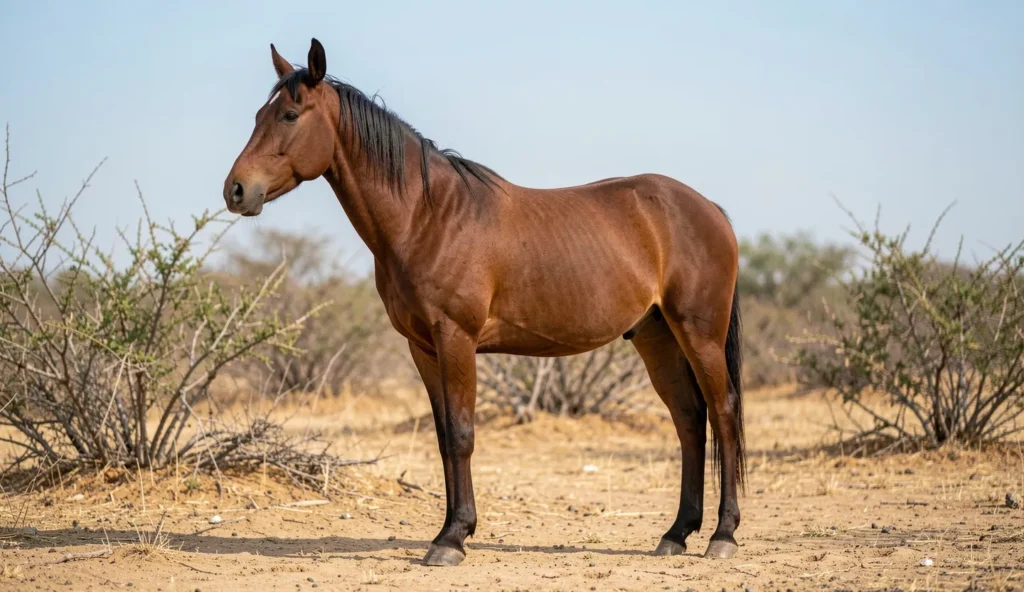
Trakehners typically show a refined, athletic look built for sustained performance. Their conformation often supports reach, drive, and balance, which matters for dressage and long work sessions. The Trakehner horse can also appear presentable at rest, with an alert head and attentive eyes.
Movement quality often plays a major role in selection, even when color varies across individuals. When conformation supports mechanics, schooling usually feels more stable and controlled. For anyone comparing to other breeds, it helps to remember that sport warmblood structure usually targets function first.
Coat Colors And Common Markings
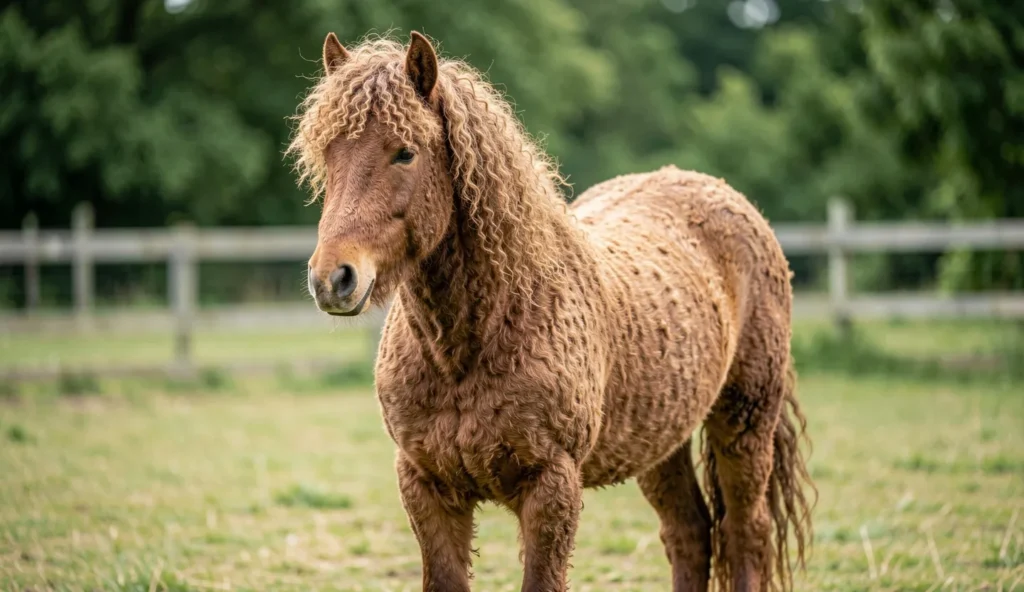
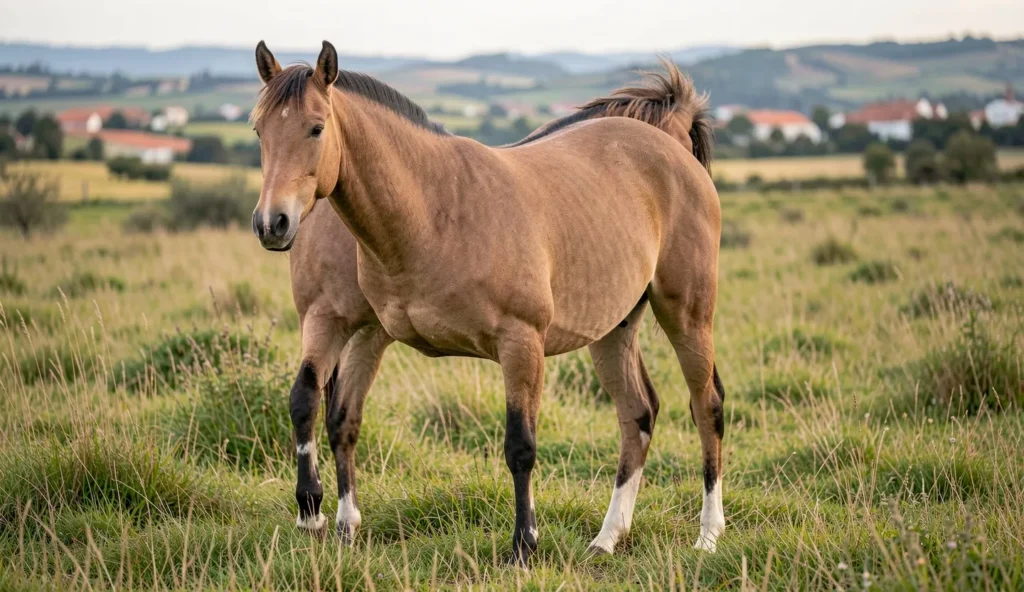
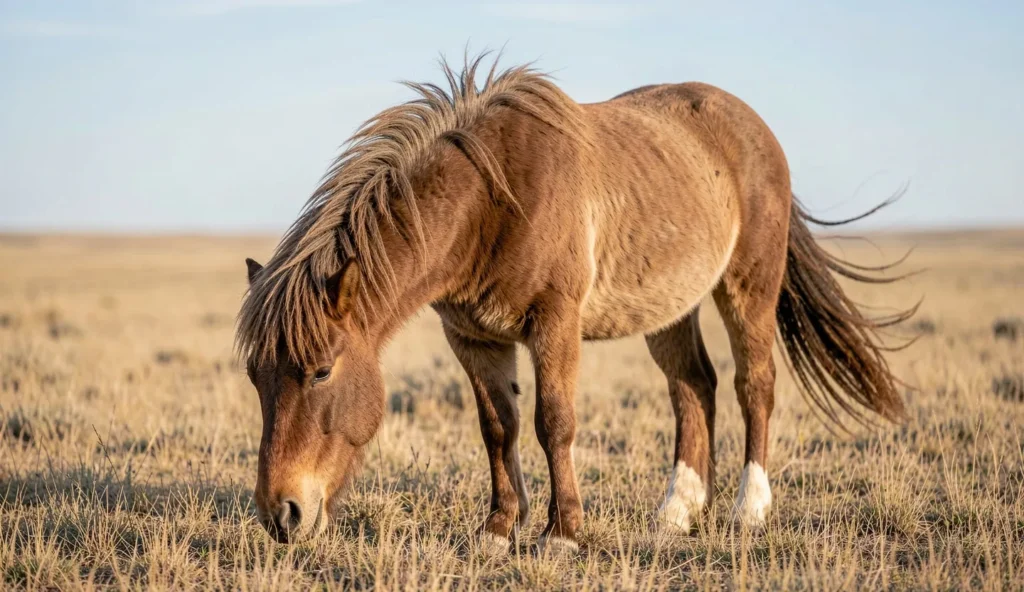
Most Trakehners appear as bay, chestnut, or black, though other shades can occur. Gray can show up as well, but it is not the only common color in the breed. Small white markings may appear, but markings alone do not define quality.
Because color does not guarantee soundness or trainability, selection should focus on movement and behavior. That approach aligns with how modern breeding programs preserve performance goals. If comparing coat trends, it still helps to look at the whole horse rather than focusing on color.
Body Type And Conformation Cues
Trakehners often have a balanced, athletic body designed for work that builds over time. A refined head with alert eyes usually pairs with a long neck and well-attached shoulders. Those features can support smooth contact and stable transitions during schooling.
Strong back and hindquarters help provide propulsion during movement. Well-shaped legs also matter for handling training loads and for staying comfortable during repeated sessions. When conformation looks balanced, the horse can handle dressage demands more consistently.
Movement In Dressage Work
In dressage, the Trakehner horse often stands out for natural reach and drive. Smooth, coordinated transitions are frequently noticeable when the horse gets schooled consistently. Hind end engagement also contributes to collection work when the rider supports straightness and balance.
Correct conformation influences how stride quality shows up under saddle. For many horses, sound mechanics make it easier to maintain rhythm and contact. When mechanics break down, even a capable horse may struggle with advanced work, so early assessment matters.
Trakehner Temperament And Personality
The Trakehner temperament often blends sensitivity with cooperation, which can benefit riders who prefer clear communication. These horses may think quickly and respond well to calm groundwork. Still, individual personalities vary based on lines and early handling.
When training stays consistent, the horse usually learns faster and relaxes more easily. If training changes too often, stress can build and performance can drop. Because temperament affects day-to-day work, Trakehner care often includes routines that reduce surprise.
Typical Trakehner Temperament
Many owners and trainers describe Trakehners as noble and willing partners. They often stay forward-thinking when sessions stay structured and predictable. With steady handling, they can become responsive to rider aids without becoming overly reactive.
At the same time, sensitivity means some horses notice inconsistencies quickly. Early routines can help reduce tension and confusion, especially for riders learning cues. For similar temperament context across sport breeds, comparing to other warmblood types such as Turkish Horse can help show how sensitive behavior differs by program style.
How Temperament Affects Training Success
Training success often depends on early habits and consistent cues. A clear routine can support confidence in new skills like lengthening or first lateral work. Because sensitive horses absorb small changes, low-drama sessions typically help maintain willingness.
Overly harsh handling can damage trust and reduce focus in the arena. Instead, steady training builds understanding and keeps the horse willing to learn. As a result, trainers usually emphasize calm repetition and progressive goals rather than forcing speed or intensity.
Behavior And Ground Manners To Look For
A well-handled Trakehner typically tolerates grooming, tack up, and mounting without major issues. Many horses stand reasonably for hoof care and show manageable reactions to new places. Stable behavior at shows usually depends on preparation, routine, and familiar daily care.
During evaluation, it helps to watch how the horse behaves when the environment changes. A horse that stays calm during basic handling often adapts better to arena noise, transport, and competition routines. That adaptability can influence training momentum for both dressage riders and eventers.
Trakehner Dressage Potential And Training Approach
Trakehner dressage potential comes from trainability, balance, and movement quality. Many horses handle progressive schooling well, which supports systematic development through dressage levels. When training uses correct basics, the horse can express rhythm and engagement more consistently.
Eventers may also benefit from the Trakehner horse because dressage improves jumping shape and ride control. Still, dressage work and conditioning must stay planned so the joints and back receive proper recovery. That balance often separates a successful sport plan from an exhausting one.
Why Trakehners Are Often Chosen For Dressage
Trainability supports progressive schooling from early work into more collected efforts later on. Natural balance helps the horse maintain rhythm under rider control, which matters in tests that require steady tempo. Movement quality can also support higher-level work when straightness and contact get developed correctly.
Many Trakehners perform well in demanding transitions and lateral exercises. With proper schooling, the horse can move forward while staying organized through the body. In practice, this combination helps riders stay consistent during practice sessions and competition days.
Fundamental Training Priorities
Training usually starts with long-and-low work to establish looseness and a correct basic frame. After that, the work refines contact, impulsion, and collection step by step. Frequent transitions help develop steering, balance, and understanding of aids.
Consistency supports straightness and balanced engagement. Reinforcing correct engagement often requires gradual workload increases rather than sudden jumps in intensity. Over time, the rider can build strength while keeping the horse comfortable and willing to work.
Training For Eventers Who Want A Trakehner
For eventers, the dressage base supports better jumping technique by teaching control and rhythm. Flatwork planning should separate intensity from recovery so training does not overwhelm the horse. Conditioning for stamina also matters, but it should not replace careful schooling.
Cross-training can help variety and overall fitness, yet it needs careful introduction. Gradual work reduces burnout risk and helps maintain soundness. If a second discipline adds pressure, riders often rely on a clear weekly schedule to protect the horse’s energy.
Common Training Mistakes To Avoid
Overtraining too soon can reduce willingness and may increase soreness, especially during busy schedules. Sensitive horses can show stress when aids become inconsistent or when pressure changes without warning. Ignoring transitions often leads to weak contact and uneven rhythm in schooling.
Some riders also skip groundwork and early flatwork basics, then struggle later with balance and frame. That pattern slows development because the horse does not learn clear signals. Training plans that include fundamentals usually produce steadier progress for the Trakehner horse.
Trakehner Care And Daily Management
Trakehner care supports performance by protecting comfort, skin health, and recovery. Daily management also helps a sensitive horse stay calm and ready for training. For owners focused on dressage and competition, careful routine planning often leads to more consistent work.
Because the breed can work at higher intensity, small management details matter. Good turnout, ventilation, and consistent feeding can reduce stress and help keep the horse healthy. Those basics also support long-term performance goals.
Housing Essentials
Adequate turnout supports mental balance and keeps circulation steady. Stall ventilation and dry bedding reduce respiratory irritations that can affect training comfort. Safe footing matters as well, because unstable ground increases strain during conditioning and schooling days.
Stable routines reduce stress responses in sensitive temperaments. When the horse expects the daily plan, training sessions usually start smoother. That predictability is part of effective Trakehner care for dressage riders and eventers.
Grooming And Coat Care
Daily grooming supports skin health and helps detect issues early, like rubs or swelling. During grooming, checking the tack line can reveal hair loss patterns that might indicate friction. Mane and tail care also reduces breakage and tangles, which improves comfort and presentation.
After hard sessions, sweat management helps the horse cool down safely. Owners often watch for dampness that can irritate skin and cause discomfort. Regular grooming also keeps routine handling consistent, which can support the Trakehner temperament.
Diet And Feeding Basics
Feeding should build from quality forage and an appropriate concentrate level for workload. Calories should adjust with season, training intensity, and body condition changes. Clean water and consistent feeding schedules support gut comfort and stable energy levels.
Mineral and vitamin needs should match the horse’s nutrition testing where available. Some horses need more targeted supplementation, especially when work increases. A careful diet plan also helps reduce colic risk when routine changes happen.
Hoof Care And Joint Support
Regular farrier visits align hoof balance with hoof growth and the horse’s workload. Inspecting feet before and after training can reveal early soreness trends. Managing footing helps reduce concussion risk and protects the joints during repeated sessions.
Owners should monitor early signs of fatigue, heat, or changes in way of going. Small adjustments to workload can often prevent larger issues. With consistent hoof care, the Trakehner horse can stay comfortable enough to continue training progress.
Common Trakehner Horse Health Issues And Prevention
Sport warmbloods face health risks tied to training load, footing, and routine changes. The Trakehner horse is no exception, and prevention relies on careful monitoring and consistent veterinary care. When owners detect issues early, recovery usually goes faster.
Health management often blends nutrition, dental care, and workload planning. Because dressage training may focus on repeated transitions and collection, the body may experience specific stress patterns. For that reason, routine checks and recovery planning play a major role in Trakehner care.
Health Risks To Monitor In Sport Horses
Colic risk can increase when diet changes happen too quickly or when feeding schedules become inconsistent. Lameness can relate to training load, hoof balance, and how the horse moves through different footing. Skin and coat problems may also develop from sweat and tack friction during longer sessions.
Respiratory irritation can follow poor ventilation or high dust exposure in stables. If coughing or nasal discharge appears, owners should address the environment and work with a veterinarian. Monitoring patterns helps reduce the chance of small problems becoming major interruptions.
Preventive Care Steps That Matter
Regular deworming plans should follow a fecal testing schedule when possible. Vaccination plans should match local veterinary guidance and risk factors in the area. Routine dental exams also support proper chewing, which protects nutrition quality and gut comfort.
Tracking body condition, sweat patterns, and recovery times helps identify changes before they become injuries. If recovery slows, the training plan may need adjustment. Preventive routines often protect soundness and support long-term Trakehner dressage work.
When To Call A Veterinarian
Sudden appetite loss or persistent gut sounds should raise concern for colic or other digestive problems. Heat, swelling, or abnormal gait during or after work can indicate injury or inflammation. Signs of respiratory distress or unusual nasal discharge also require prompt attention.
Persistent back soreness or refusal to move forward can signal pain that needs evaluation. Riders and owners should avoid pushing through discomfort. Early care helps protect the horse and can reduce time lost from training.
Is A Trakehner Horse Right For You
A Trakehner horse may suit riders who value trainability and structured progress. The breed often responds best to consistent cues, calm handling, and predictable routines. Dressage riders and eventers may find that the foundation supports multiple performance paths.
Still, ownership requires the ability to manage training demands and keep recovery steady. Sensitive temperament means rushed or inconsistent handling can create stress. Understanding both the strengths and limitations helps match the horse to the rider’s program.
Good Matches For Prospective Owners
A good match often includes riders seeking systematic dressage progress with a trainable partner. Owners who enjoy structured schooling and consistent routines usually support the Trakehner temperament well. Quality forage, balanced nutrition, and reliable veterinary and farrier schedules also help maintain soundness.
Programs that already manage preventive care often run more smoothly with this breed. If additional breed options are under consideration, comparing different sport warmbloods like a Friesian Horse or a Thoroughbred Horse can clarify what role movement type and training style play. That comparison can help define whether the Trakehner horse fits a long-term plan.
Potential Challenges To Consider
Sensitive temperament can require patience, consistent handling, and calm confidence. Training demands can affect recovery, especially when increased too quickly without joint support and rest days. High performance goals also require time, coaching, and budget planning.
Not every individual shows the same movement or willingness, even within the same breed. Some horses may excel in certain exercises more than others. Evaluating the horse under saddle and watching behavior during grooming often reveals whether the fit feels right.
Selection Checklist Before Buying
Selection should start with conformation and movement assessment under tack. Behavior during grooming, tack up, and mounting provides insight into daily handling comfort. Soundness history and current training level also matter, especially if the horse already shows stiffness or uneven transitions.
Arranging a pre-purchase veterinary exam supports safer long-term plans. Confirming the care routine fit with current housing and schedule reduces the chance of stress after transport. For readers who want context on warmblood selection, reviewing warmblood horse traits can also clarify which features typically signal sport readiness.
Keeping Expectations Real With Care And Training
A Trakehner horse thrives with consistent care and progressive schooling. When management supports recovery, the breed’s trainability and movement often show up more reliably over time.
Frequently Asked Questions
What Are Common Trakehner Coat Colors?
Bay, chestnut, and black are commonly seen. Gray can appear in the breed, and markings vary by individual.
How Would A Beginner Rider Best Train a Trakehner Horse?
Choose an experienced, well handled individual and use consistent routines and clear aids. Prioritize flatwork basics before advanced work.
Are Trakehner Horses Good For Dressage?
They are often selected for dressage due to trainability and movement quality. Performance depends on training history and individual talent.
What Should Be Included In Trakehner Care?
Trakehner care should include quality forage, balanced feeding, regular grooming, and consistent hoof care. Preventive veterinary and dental routines also matter.
What Common Health Problems Affect Sport Warmbloods Like Trakehner Horses?
Lameness risks can increase with training load and footing. Colic risk may rise with diet changes and schedule disruptions, while respiratory irritation can occur with poor ventilation.
How Can Owners Support A Trakehner Horse Through Hard Training?
Increase workload gradually and watch recovery times. Manage sweat after intense sessions and monitor body condition and gait for early warning signs.
Final Note
Strong management supports long-term comfort and steady progress for the Trakehner horse.